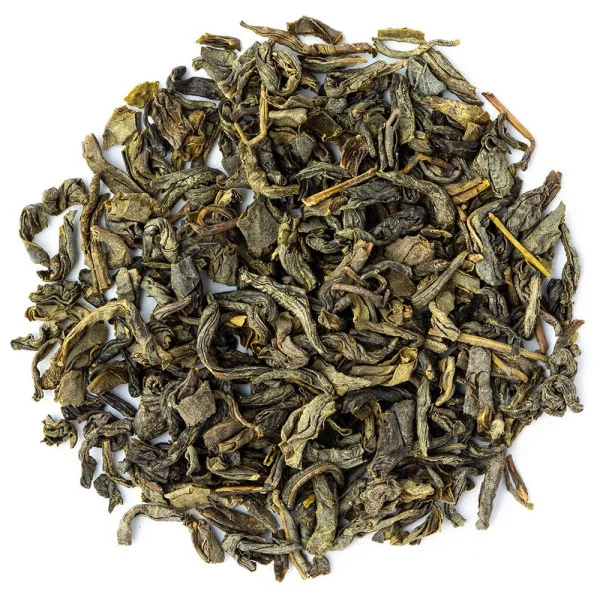
Organic
Pure tea, meaning tea with no added flavourings, reveals the true character of the leaf: its terroir, its craft, its essence. This is the purист's philosophy: letting the tea speak for itself, without interference. Our selection brings together pure teas from every botanical family: green, black, white, oolong, pu-erh, matcha. From an everyday pleasure to a moment of quiet contemplation, pure tea suits any hour of the day and offers something new with every infusion.
A pure tea is one that has received no added flavourings, fruit, flowers or spices: only the leaves, their terroir and the producer's craft speak in the cup. Each botanical family offers its own distinct palette.
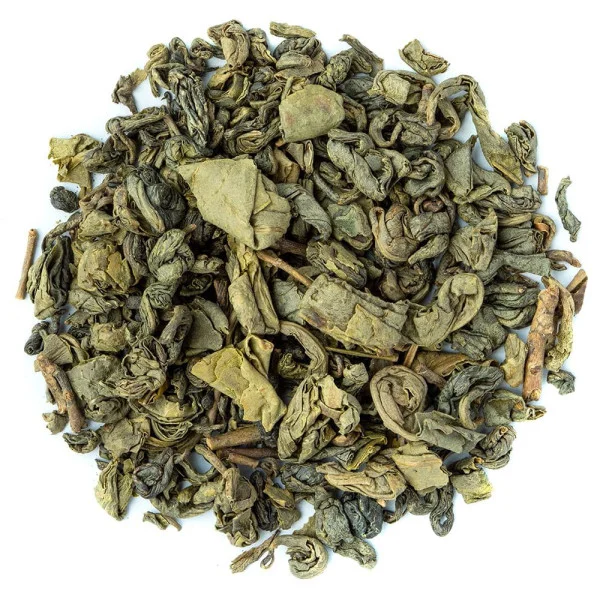
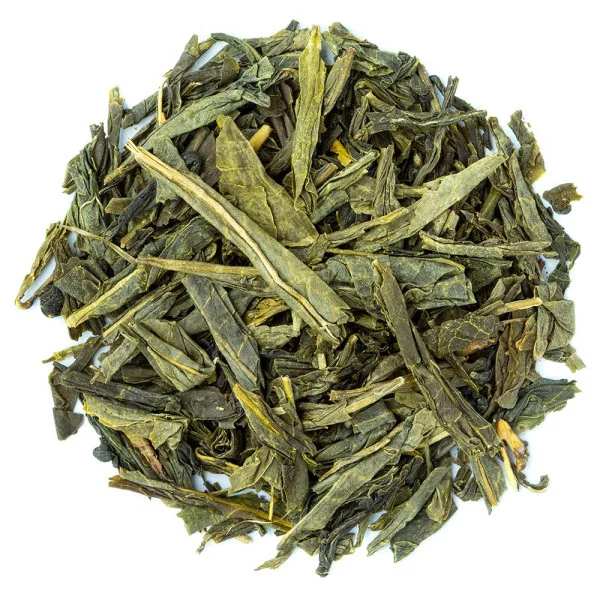
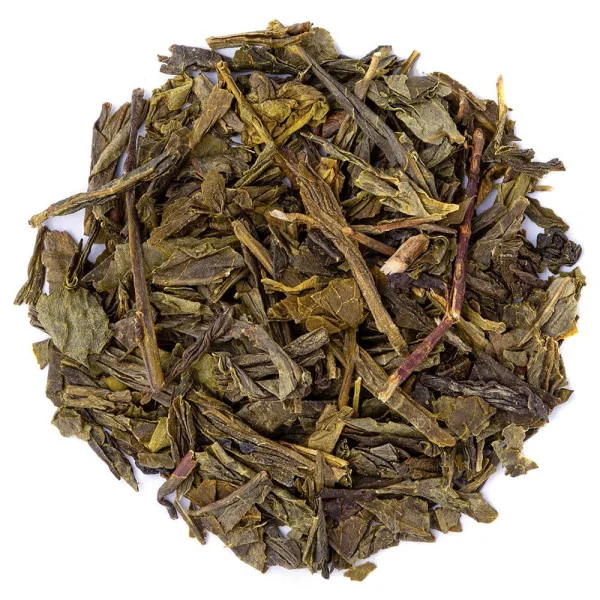
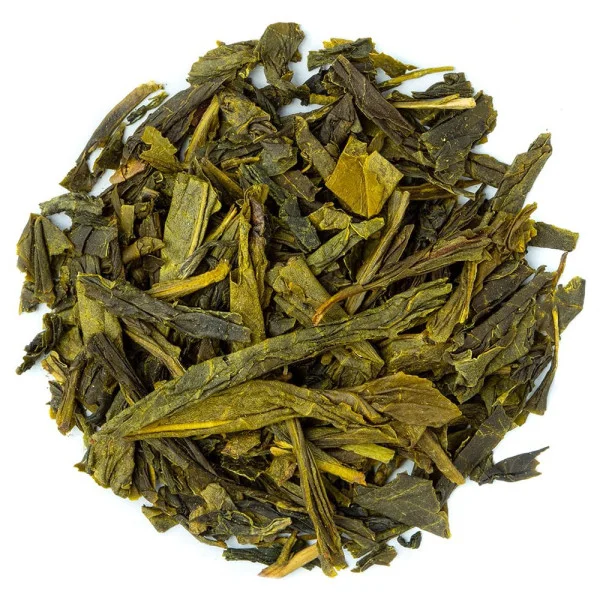
Our selection of pure green teas spans the great Chinese and Japanese traditions: Sencha with its fresh vegetal notes, Gunpowder with its tightly rolled pellets, Chun Mee with its plum and woody aromas. A perfect daytime tea, balancing freshness with a wealth of polyphenols.
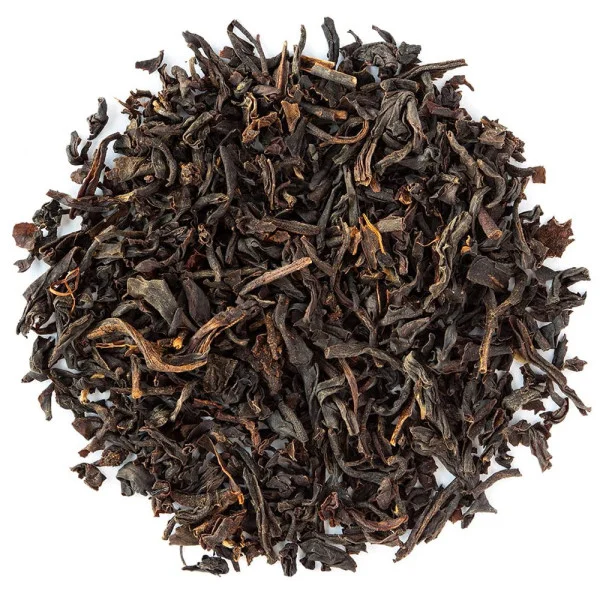
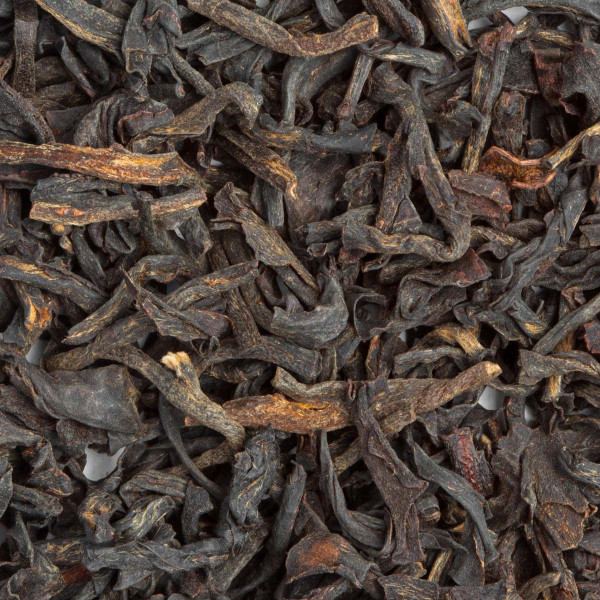
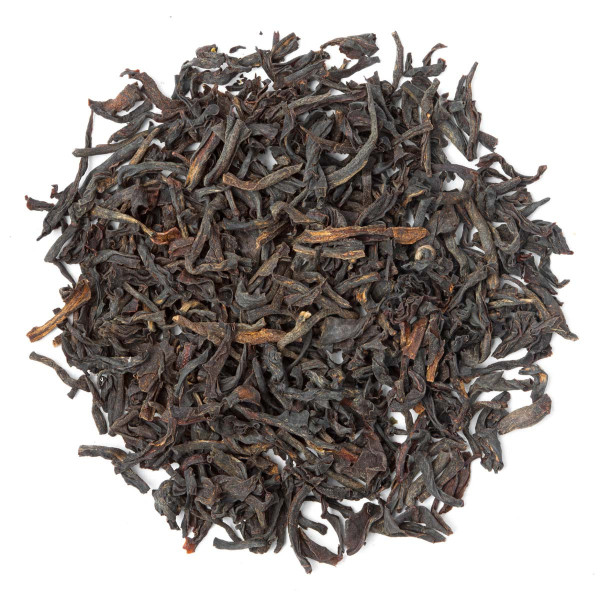
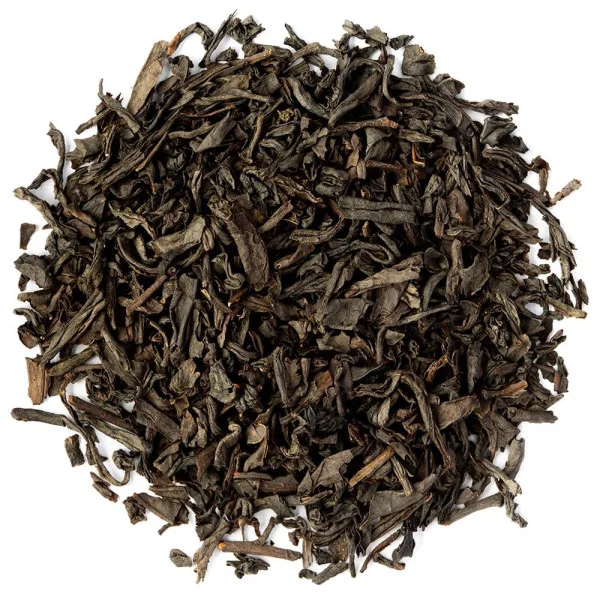
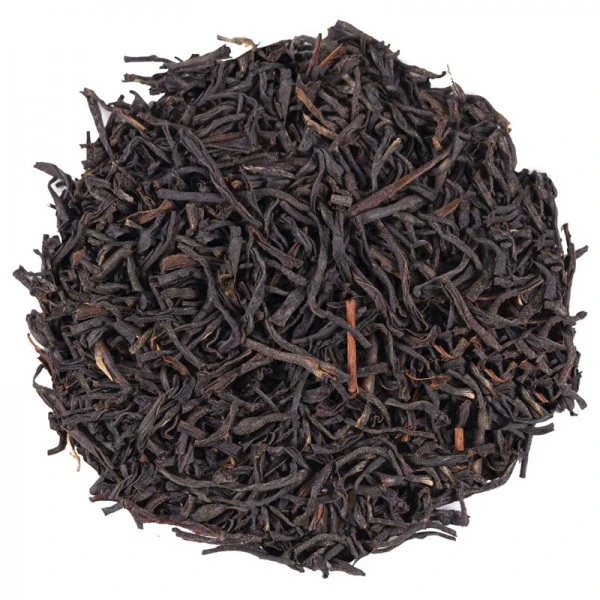
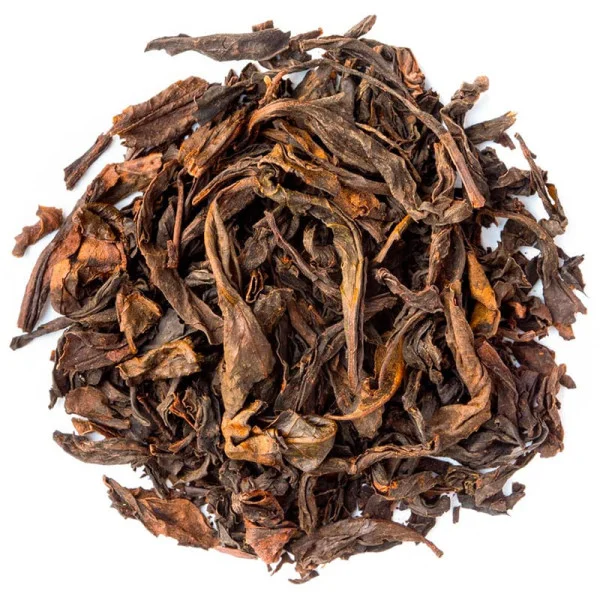
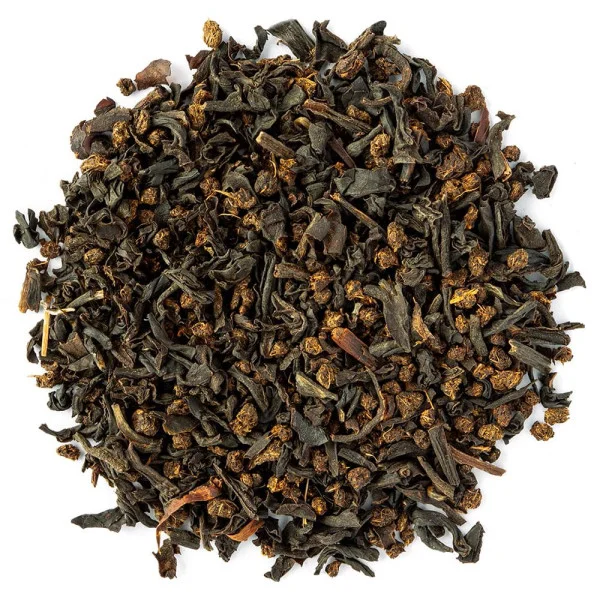
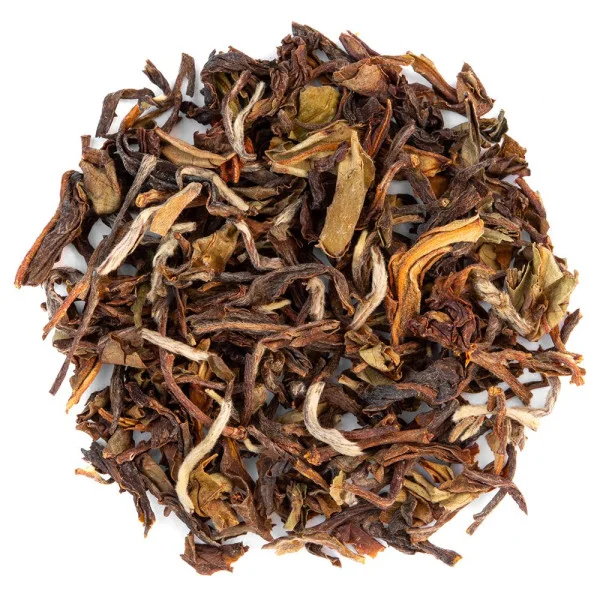
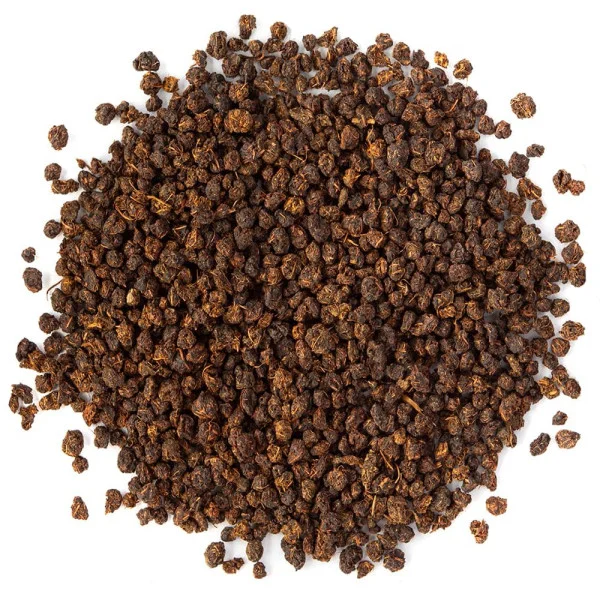
For those who love a well-structured cup, our pure black teas bring together the great classics: Darjeeling First Flush with its floral character, Assam BOP Second Flush with its malty depth, Ceylon OP with citrus notes, and Golden Yunnan GFOP with a honeyed finish. Ideal in the morning or through the afternoon.
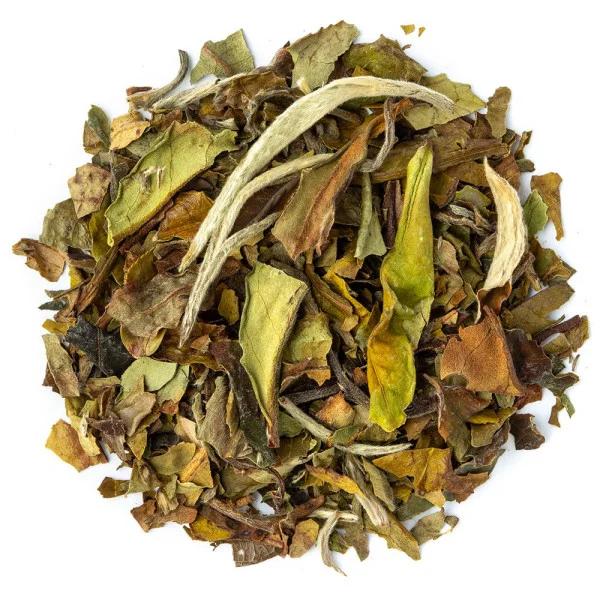
Our pure white teas reveal the delicacy of the unoxidised bud: Paï Mu Tan with its honey and floral notes, Snow Dragon with its mineral refinement, Mao Feng from Vietnam with its gentle sweetness. A lovely choice for the end of the day, or for those who prefer a lower caffeine content.
Our pure oolongs cover the full spectrum of semi-oxidation: Tie Guan Yin with its floral notes, Milky Oolong with its creamy finish, Oolong Fu Liang Farm with its toasty aromas. A rewarding afternoon companion for those who appreciate complexity.
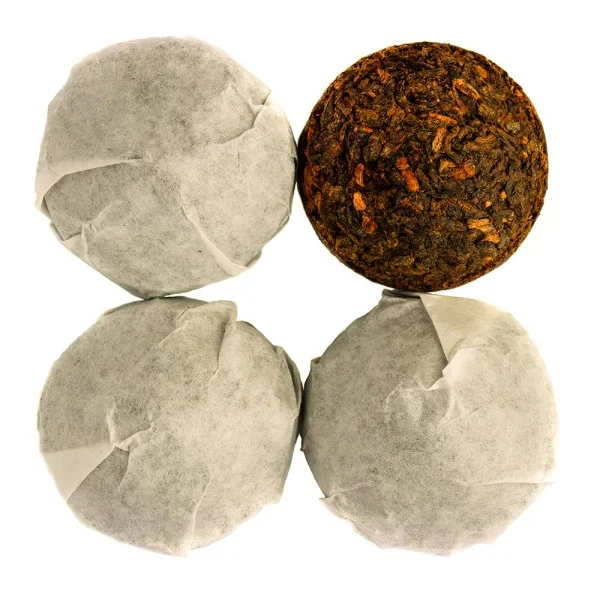
Our pure Pu-erh teas from Yunnan offer a truly unique experience: loose-leaf Pu-erh with its earthy profile, traditional Pu-erh brick, and Mini Tuo Cha in individual portions. Fermented using ancestral techniques, they only improve with time.
Matcha is, by definition, a pure tea: no flavouring can be added to this finely milled powder of shade-grown Japanese green tea. Our Ceremonial Matcha Shizuku is harvested with care to preserve its chlorophyll and amino acids. Whisk it in a bowl, steam it into a latte, or fold it into your baking.
Our pure Japanese teas deserve a mention of their own: Gyokuro Kusanagi, shade-grown and deeply umami, Hojicha roasted to caramel notes, Kukicha crafted from stems and twigs. Japanese expertise at its most refined.
→ For our finest harvests, including rare single-garden teas and prestige selections, explore our rare and grand cru tea catalogue.
A flavoured tea can be wonderful, but added aromas often mask the subtle nuances of the leaf itself. A pure-origin tea brings the terroir, the cultivar and the producer's craft to the fore. It is the attentive listening to a tea that speaks entirely for itself.
When you sip a quality pure-origin tea, your palate gradually uncovers: the primary notes first (vegetal, floral, fruity, earthy), then the secondary nuances (spice, mineral, sweetness), and finally the finish. This layered reading becomes impossible with a heavily flavoured tea, where dominant notes overwhelm the senses.
Pure-origin tea fits naturally into traditional rituals: Chinese gong-fu cha (multiple short infusions), the Japanese tea ceremony, contemplative tasting. But it is just as well-suited to everyday life: a Sencha green tea at lunch, a black tea in the afternoon, a Pu-erh after a meal.
Pure-origin tea speaks to purists (those who want to taste the leaf in its truest form), to curious beginners (discovering the genuine flavours of tea), and to tasting enthusiasts (who love mapping terroirs). It is also ideal for anyone who prefers to avoid all additives, even natural ones.
Selected by Julien Huot, tea expert at Thés & Traditions
« A pure tea, well prepared, is an act of listening. There is nowhere to hide: no bergamot to smooth over an average leaf, no fruit to mask a flaw in oxidation. It is in the naked simplicity of the cup that true quality reveals itself, and that is why our pure teas come directly from partner gardens, selected through blind tasting. »
A pure tea contains only tea leaves (and occasionally natural elements from the same plant, such as stems in Kukicha). A flavored tea includes added ingredients: essential oils, dried fruit, flowers, spices, natural or artificial flavorings. Pure tea highlights terroir and craftsmanship; flavored tea builds a recipe around a base tea.
Not at all. A good pure tea is actually more approachable than you might expect. A fresh Japanese Sencha, a honey-sweet Yunnan, or a delicate Paï Mu Tan can be enjoyed without any prior knowledge. What takes practice is the finer reading of tea: distinguishing subtle nuances, comparing terroirs. But the immediate pleasure is there from the very first sip.
No. A kettle that lets you control the temperature, a teapot (or a mug with a built-in filter), and a measuring spoon: it can all start simply. To go further, a porcelain teapot for green and white teas, a cast iron one for black teas and Pu-erh, or a stoneware pot for Oolongs and gong-fu cha will enrich the experience.
Many pure teas lend themselves to several successive infusions, especially Oolongs, Pu-erh, and quality green and white teas. Simply increase the steeping time slightly with each re-infusion (for example: 2 minutes, then 3, then 4). Each cup reveals new aromatic facets, which is one of the great pleasures of pure tea.
Start with a tea from a family you already enjoy. If you like sweet black teas (Earl Grey, vanilla), begin with a Golden Yunnan or a Darjeeling First Flush. If you enjoy grassy or citrusy green teas, try a Japanese Sencha or a Chun Mee. The transition happens naturally.
Stored in an airtight, opaque caddy, away from light and moisture, a loose-leaf pure tea will keep for twelve to twenty-four months without any notable loss of quality. Green and white teas are the most delicate (twelve to eighteen months). Black teas, Oolongs, and Pu-erh last longer. Pu-erh is a special case in its own right: it actually improves with time, with some aged vintages kept for decades.
No. "Pure" means unflavored. "Organic" means grown without synthetic pesticides. A tea can be pure and conventionally grown, pure and organic, flavored and organic, or flavored and conventional. The majority of our pure teas are also certified Organic (AB), and you will find the label on each relevant product page.
Sources: Tea Association of the USA (tea classification), AFNOR NF ISO 3720 (tea quality standards), Chinese gong-fu cha tradition (whole-leaf tea preparation), Japanese Tea Council (Japanese tea preparation).
Each tea family calls for its own ritual. Three parameters matter: water temperature, steeping time, and dosage.
Water at 70-80°C (158-176°F), steep for 2 to 3 minutes, using about one teaspoon of leaves per cup. Water that is too hot or a steeping time that runs too long will turn the tea bitter. For Japanese Sencha, lower the temperature to 70°C; for Chinese Gunpowder, go up to 80°C.
Water at 90-95°C (194-203°F), steep for 3 to 5 minutes. Black teas thrive at high temperatures and benefit from a longer steep that draws out their malty tannins. Darjeeling first flush, being more delicate, is best at 3 minutes; Assam and Ceylon can comfortably steep for 5.
Water at 75-85°C (167-185°F), steep for 4 to 7 minutes. White teas are low in caffeine and need cooler water to preserve their floral and honeyed notes. Patience is key: it is the only way to fully unlock the aromas of Pai Mu Tan or Snow Dragon.
Water at 85-95°C (185-203°F), steep for 3 to 5 minutes using the Western method. Oolongs are the masters of Chinese gong-fu cha: multiple short steeps (30 seconds to 1 minute) in a small clay teapot, with a generous leaf dose, each pour revealing a new aromatic profile.
Water at 95-100°C (203-212°F), steep for 4 to 6 minutes. Pu-erh, especially the darker styles (Shu), handles high temperatures and long steeps well. For the greener styles (Sheng), bring the time down to 3 to 4 minutes. Worth noting: a quick rinse (5 seconds) before the actual steep removes fine particles.
Water at 70-80°C (158-176°F), with no steeping: Matcha is whisked directly into the water using a chasen (bamboo whisk). Use half a teaspoon of powder for 70-80 ml of water. Whisk in a W or M motion for about 30 seconds until a fine foam forms on the surface.
As a general rule, use about one teaspoon of leaves per 200-250 ml cup, which works out to 2 to 3 grams. Opt for filtered, low-mineral water: water with a high calcium content will mask the subtleties of a single-origin tea where every nuance counts. Avoid the microwave, and reach instead for a kettle that heats gradually.
Sources: Tea Association of the USA (temperature guidelines by tea family), AFNOR NF ISO 3720 (tea quality standards), gong-fu cha tradition (Yixing, China).
Explore our other tea families
End the day caffeine-free

French House
Independent since 2016.
Fast delivery
Home delivery or click & collect.
Made with heart
In the south of France.
Customer service
A real voice at the end of the line,
Monday to Friday: 04 22 91 35 75.
Sharing, passing it on: our teas, our tips, the occasional unexpected idea, and little attentions just for you. Pure pleasure, ready to steep.