Organic LOVE PICK
Between shadow and light, oolong tea carves its own path. Neither fully green nor entirely black, this semi-oxidised tea born in the mists of Fujian reveals an exceptionally rich aromatic palette, from delicate florals to deep roasted notes. Every leaf carries the mark of centuries-old craftsmanship and a distinct terroir.
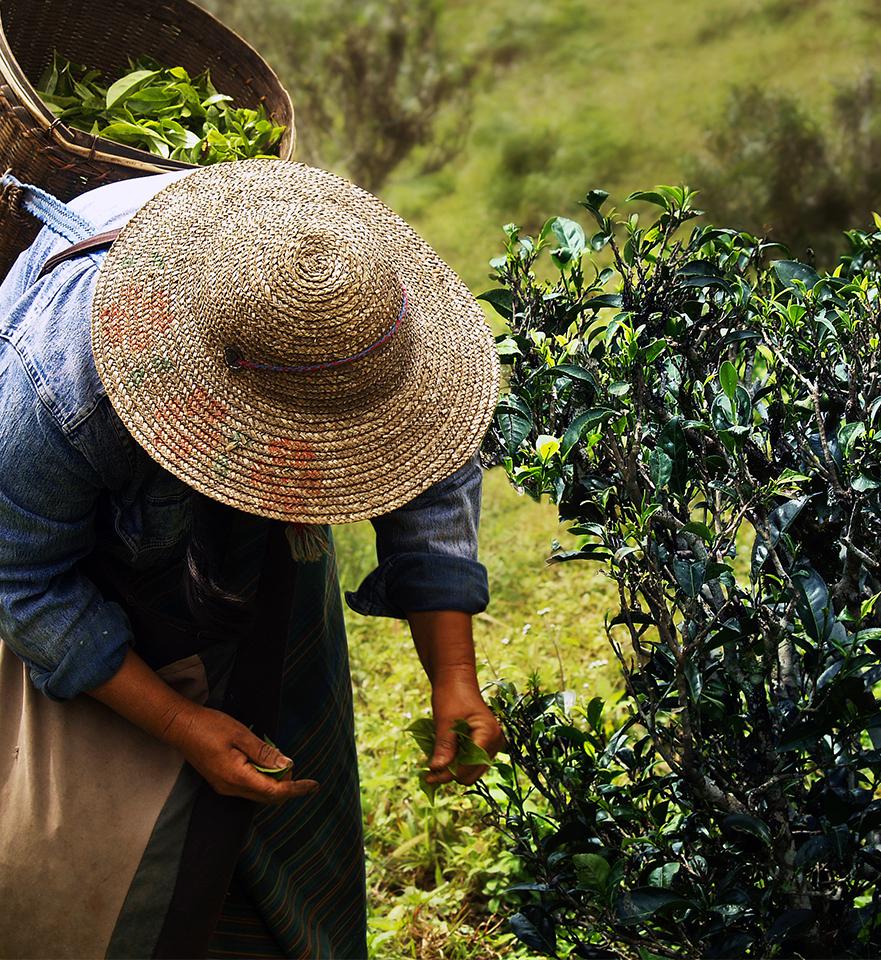
Oolong tea — also called blue tea or blue-green tea — is one of the most fascinating in the great Camellia sinensis family. Semi-oxidised, it sits between green tea and black tea, offering an aromatic palette of rare richness, from floral notes to woody, roasted ones. At Thés & Traditions, we have gathered a selection of organic oolong tea, loose-leaf, from organic farming and chosen from committed producers, from China's Fujian province to the mountains of Taiwan.
Whether you are discovering oolong or are a lover of grands crus, you will find the reference that suits you here — available online, loose-leaf, with everything you need to enjoy it properly.
Oolong tea is a semi-fermented tea (more precisely semi-oxidised): its leaves undergo partial oxidation, between 10% and 70% depending on the style. This degree of oxidation shapes its character, from the most vegetal and floral to the darkest and roasted. To understand it fully, see our guides: the definition of oolong tea and the semi-fermented principle.
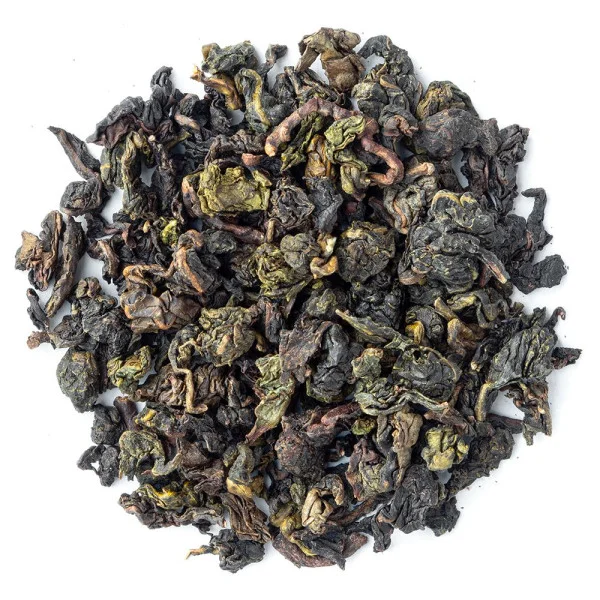
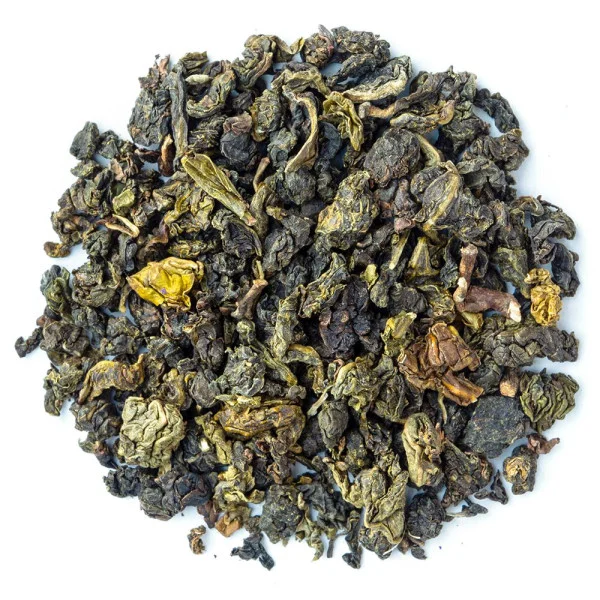
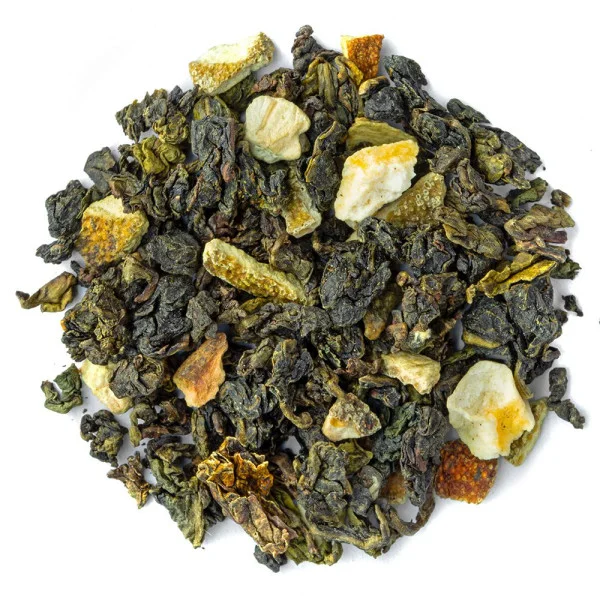
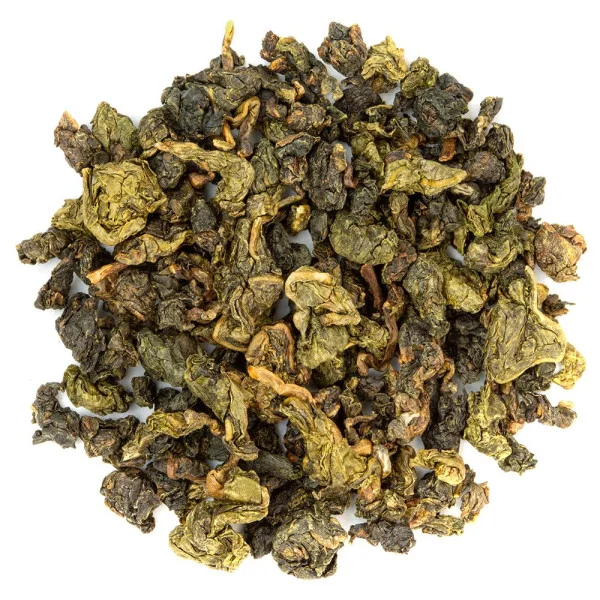
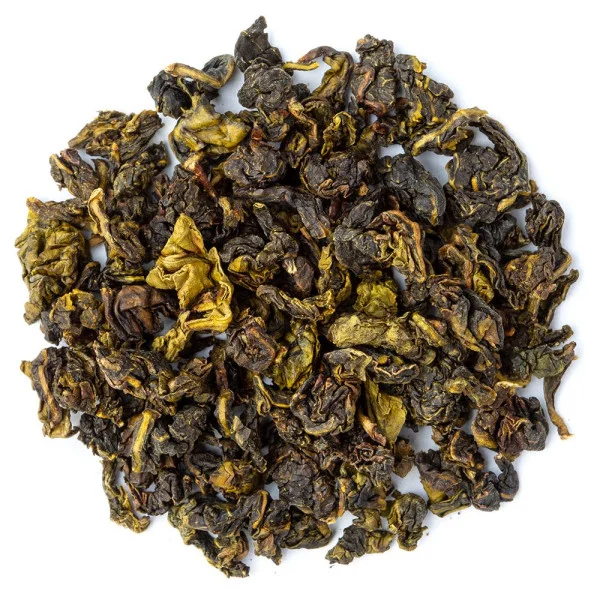
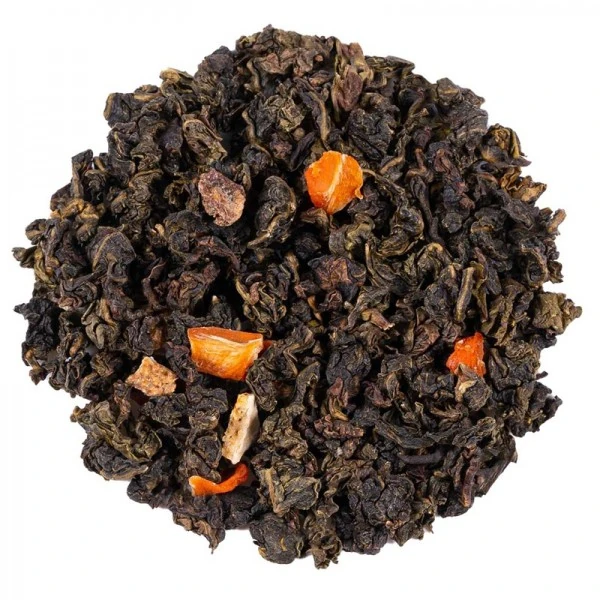
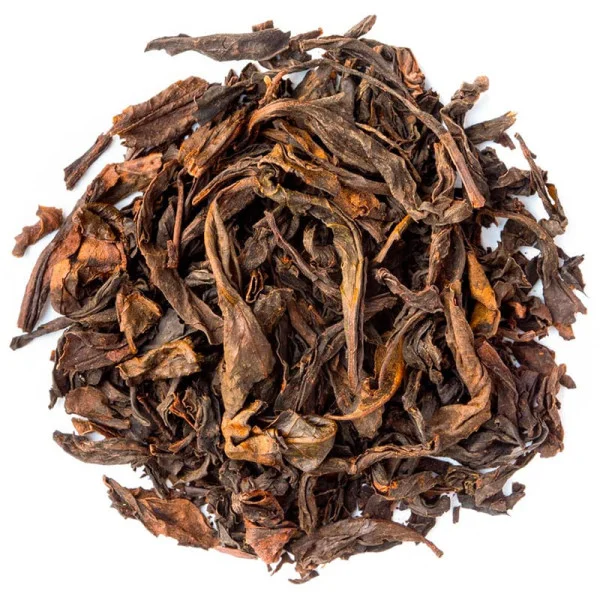
Oolong's strength is its diversity. Here are the great families you will find in our selection:
Each grand cru expresses its terroir: China (Fujian, Wuyi Mountains), the historic home of blue tea, and Taiwan (Formosa), land of excellence for high-mountain oolongs. To go further, read our page on the origin and terroirs of oolong tea. You will also come across great names such as Shui Xian (narcissus), Qilan or the high-mountain oolongs of Formosa: so many terroir signatures to discover.
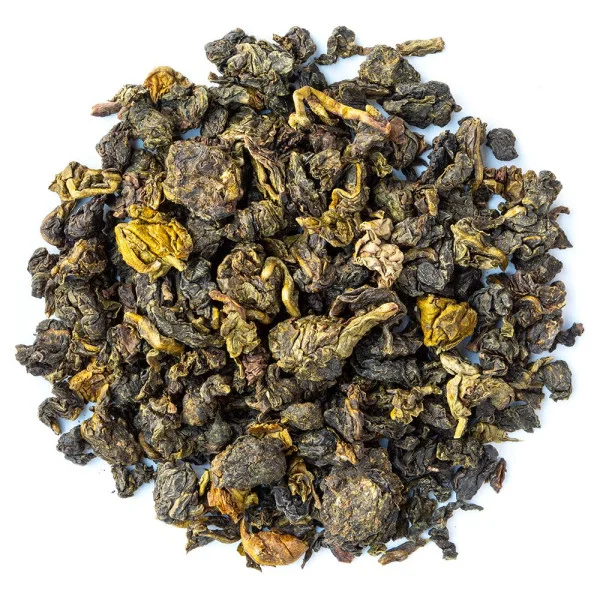
Oolong is often called "blue tea" or "blue-green tea". This name comes from the dark, bluish colour that some oxidised leaves take on. The word "oolong" (wulong) actually means "black dragon" in Chinese. Whether you call it blue tea, oolong or wulong, it is always the same category: semi-oxidised teas, halfway between green and black tea.
Oolong has its roots in ancient China: some traditions trace its origin to the Song dynasty, before it flourished under the Ming and Qing. Its production is one of the most demanding in the tea world. The process involves withering the leaves, bruising them to start oxidation, fixing with heat to control it, then rolling and sometimes roasting. All this artisanal know-how gives each oolong its personality, from the pearl-rolled leaf to the roasted profile of rock teas.
The right oolong mostly depends on your taste: a lightly oxidised (green) oolong has a floral, fresh and light profile, close to green tea, ideal for beginners; a more oxidised (dark) oolong has woody, grilled and honeyed notes, fuller, close to black tea; a flavoured oolong (orange blossom, osmanthus) is an indulgent gateway to blue tea. As for format, loose-leaf remains the most advantageous: you adjust the quantity and enjoy fresher leaves. Each reference has its own product page, with its price by weight.
Choosing an organic oolong means choosing a tea grown organically, without synthetic pesticides or fertilisers, respecting the terroirs. All our references come from organic farming and are selected for their freshness, origin and character. The quality of the leaf makes all the difference when tasting.
Oolong lends itself to two approaches. Western-style: one spoon per 25 cl of hot water at around 90°C, 3 to 5 minutes. Or the traditional way, gong fu cha: short successive infusions in a small vessel (gaiwan or teapot), revealing all the complexity of the grands crus. The infusion time and temperature are set according to the degree of oxidation. Details in our guide: how to prepare oolong tea.
Store your oolong tea away from air, light, humidity and odours, in an airtight container. Well stored, it keeps its aromas for several months, even years for roasted oolongs.
Right here in our shop: we offer a selection of organic oolong tea, loose-leaf, certified, with delivery in France. Each reference has its own dedicated product page.
The price varies by reference, terroir and chosen weight. Grands crus (Da Hong Pao, Tie Guan Yin) are rarer; the loose-leaf format offers the best value. Details are on each product page.
Oolong tea is enjoyed as a pleasurable drink, naturally rich in antioxidants. For honest, sourced information, see our dedicated page: the benefits of oolong tea.
Yes, oolong contains caffeine (theine), in a generally moderate amount, intermediate between green and black tea.
Explore our other tea families
End the day caffeine-free

French House
Independent since 2016.
Fast delivery
Home delivery or click & collect.
Made with heart
In the south of France.
Customer service
A real voice at the end of the line,
Monday to Friday: 04 22 91 35 75.
Sharing, passing it on: our teas, our tips, the occasional unexpected idea, and little attentions just for you. Pure pleasure, ready to steep.