Organic
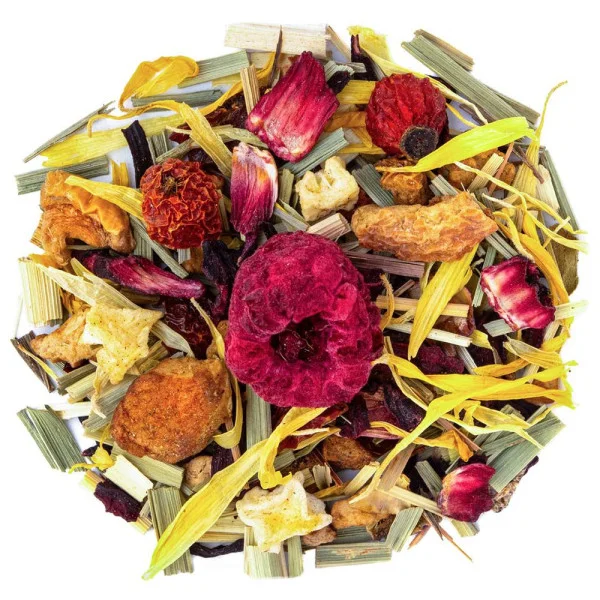
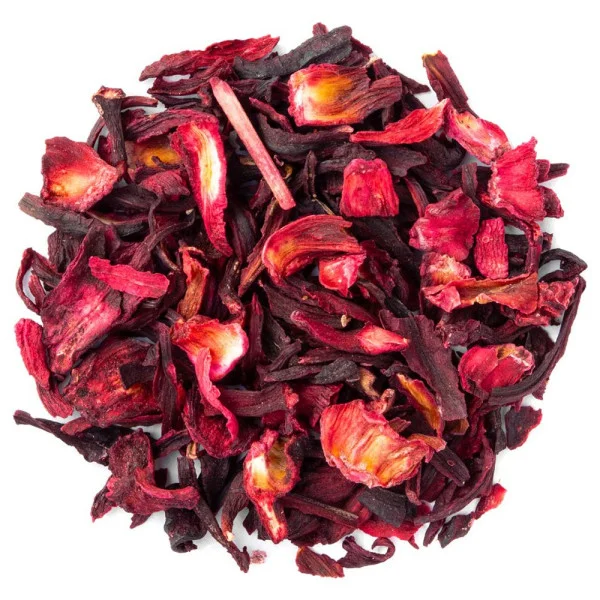
Hibiscus flowers
Dried hibiscus flowers. Fruity and tart taste
Refreshing, natural and free from added sugars: homemade iced tea turns warm days into something special, with fruity notes of peach, citrus, hibiscus and mango, while preserving all the goodness of the leaf. Brewed hot then chilled, or prepared as a cold brew (steeped cold for 8 to 12 hours), it reveals aromas that hot steeping simply cannot. Our selection of 22 teas and herbal infusions lends itself beautifully to this style of preparation: Japanese green teas, citrus Rooibos, and caffeine-free fruit infusions perfect for children. Browse our recipes, expert tips and guidance for a truly refreshing summer drink.

When the warmer months arrive, few things are as refreshing as a chilled drink made with care. Explore the art of crafting a delicious homemade iced tea, a natural alternative to commercial sodas that delights the palate while being kind to your health. Our complete guide shares the secrets of a perfect brew, expert advice and creative recipes.
Making a great iced tea base comes down to a few simple steps. Start with good-quality water, ideally filtered. Bring it to a boil, then add your favourite loose-leaf tea or tea bags. For a perfect cold infusion, respect the recommended steeping time for the variety you've chosen.
The traditional method involves brewing with hot water, then letting the tea cool gradually. Alternatively, cold brewing is growing in popularity for its natural smoothness and subtle aromatic notes. This technique uses water at room temperature and calls for a little patience: allow around 4 to 6 hours for the best results.
To brew a beautiful pitcher, you'll need a large carafe, a fine-mesh strainer and a tablespoon for accurate measuring. Purists tend to reach for a full-bodied black tea or a vegetal green tea, while those with a sweeter tooth might prefer a sweetened iced tea finished with a touch of agave syrup.
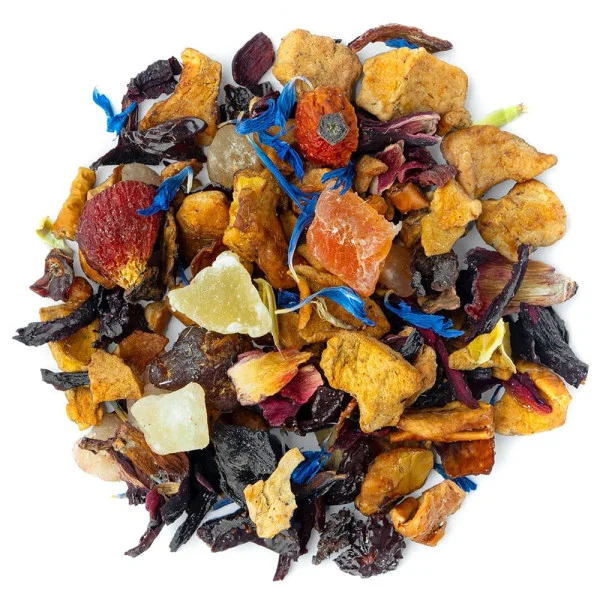
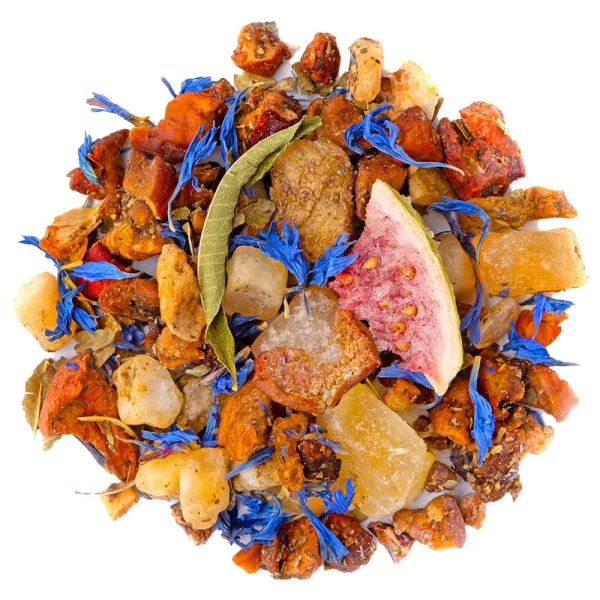
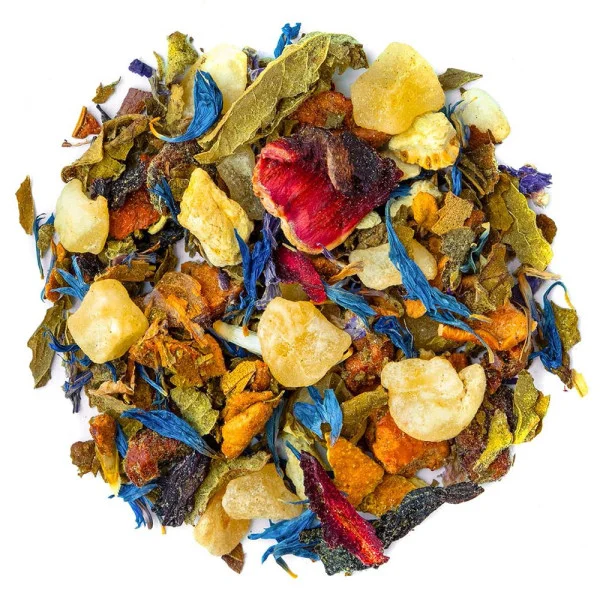
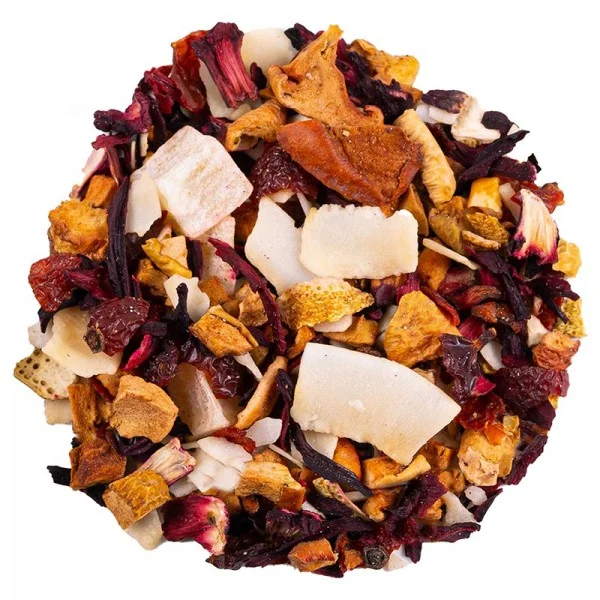
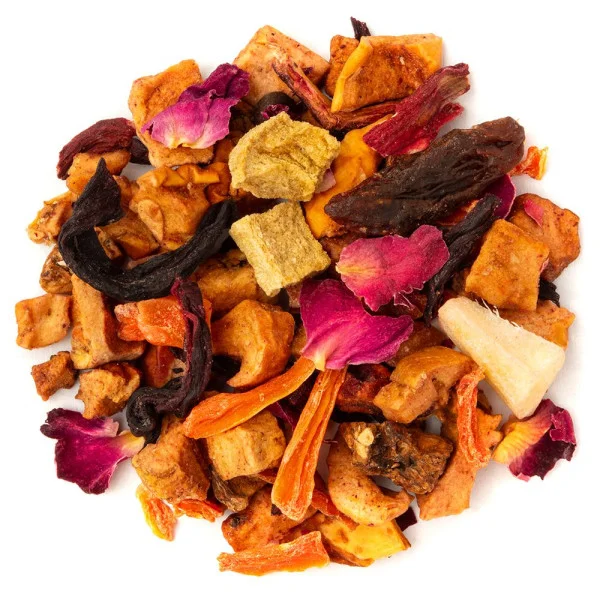
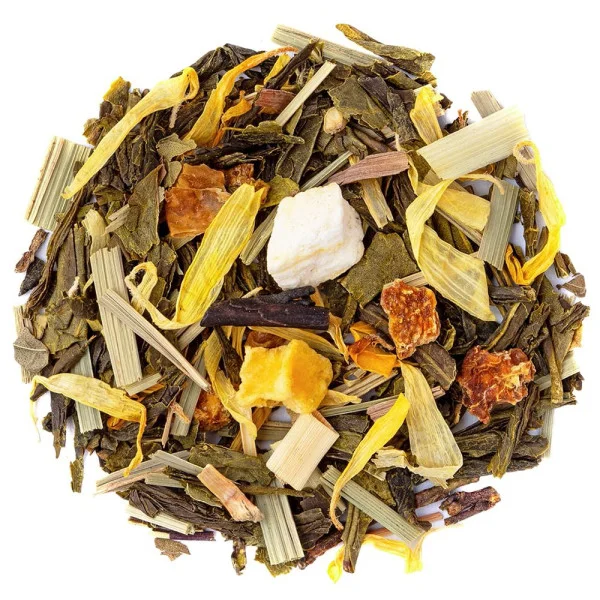
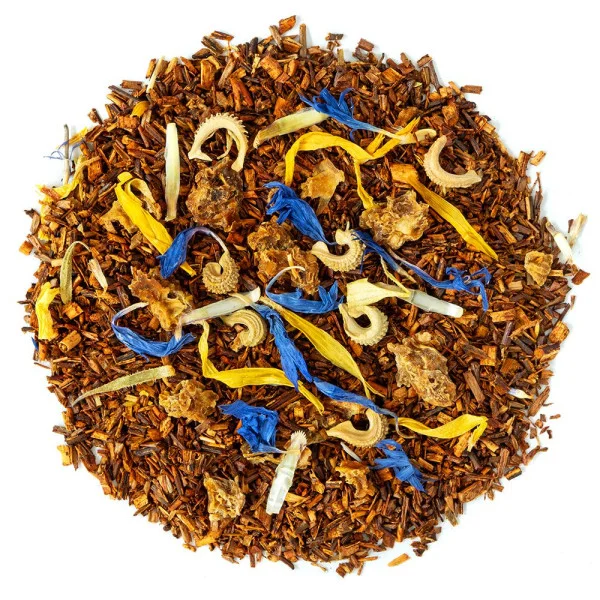
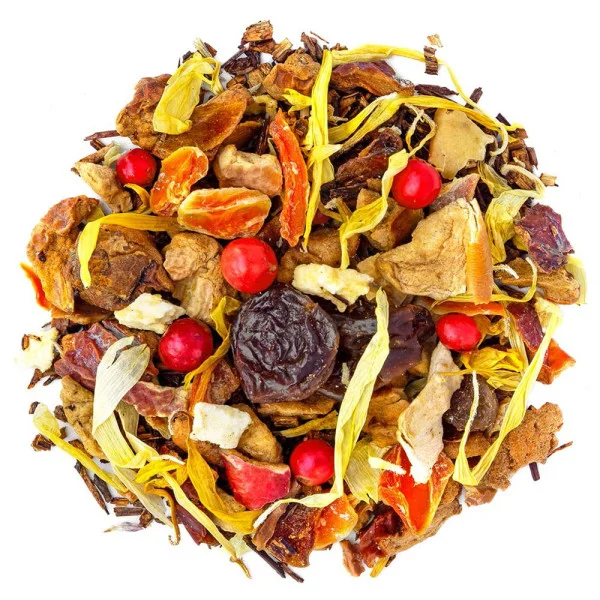
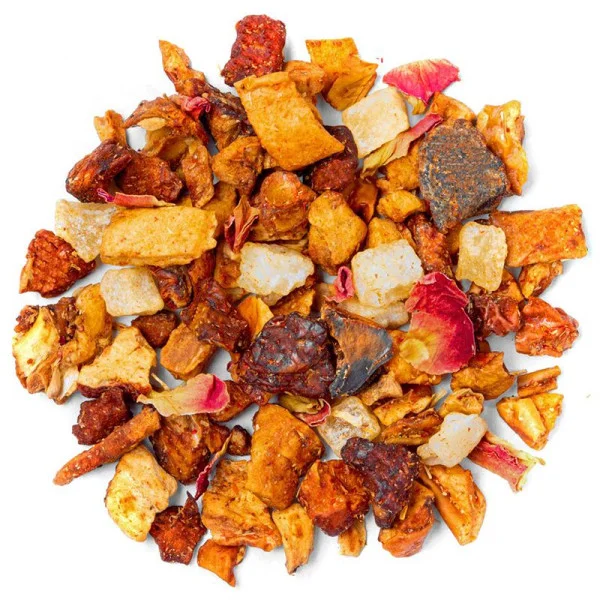
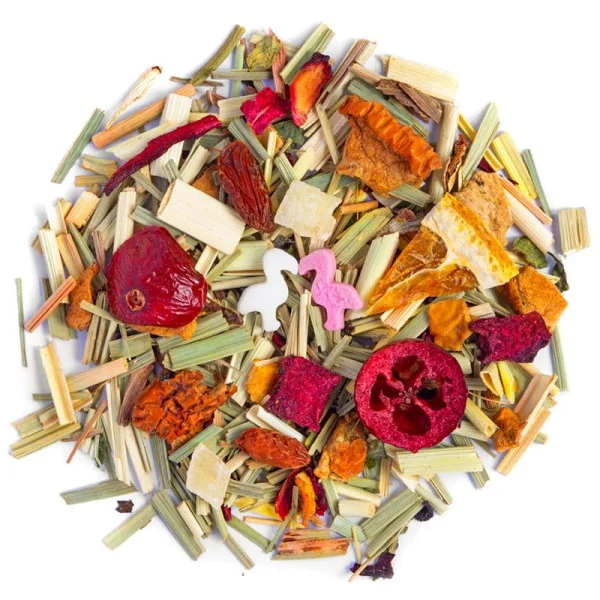
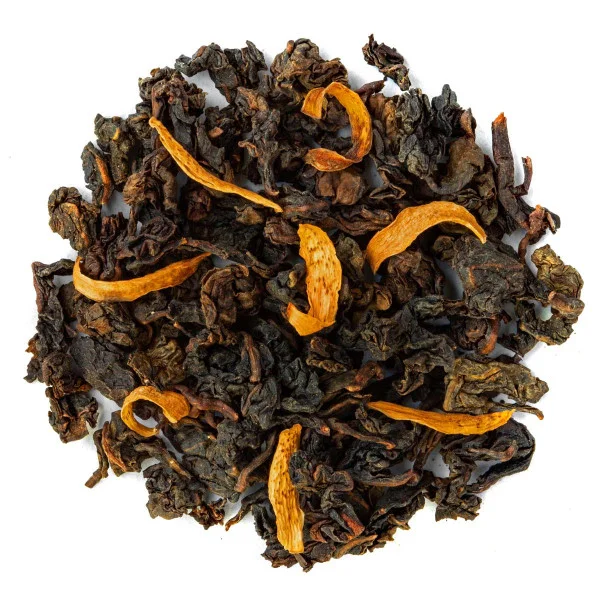
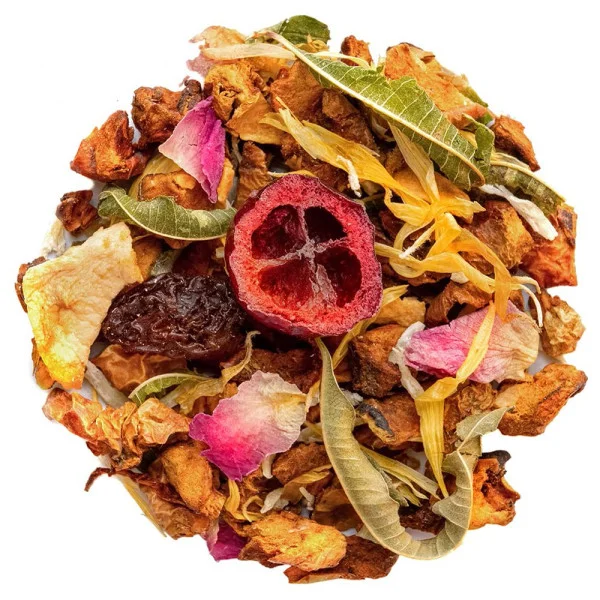
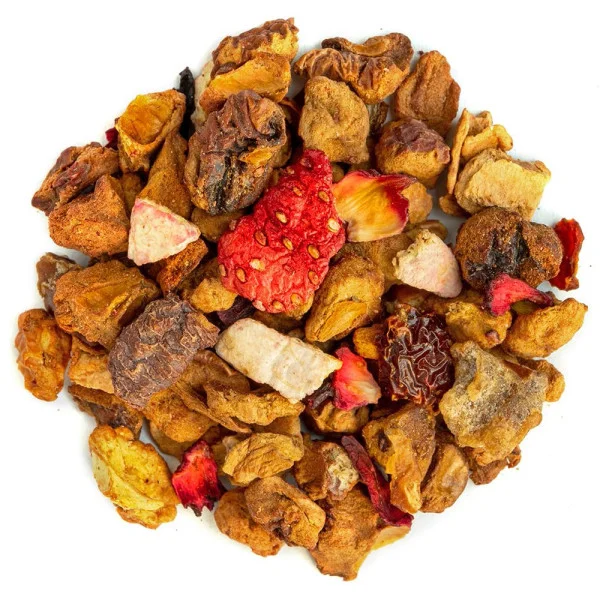
Any tea or herbal infusion from Thés & Traditions can be enjoyed cold, but some are especially well suited to it. Our summer favourites:
Homemade artisan iced tea has a lot going for it compared to store-bought options like bottled iced tea or Lipton Ice Tea. When you brew your own iced tea drink, you have full control over the sugar content and can easily go sugar-free. It's also a more affordable and eco-friendly choice than commercial alternatives.
Your choice of tea will shape the final result considerably. Each variety brings its own aromatic character and unique qualities:
Black tea makes a robust and versatile base. Its pronounced tannins and malted notes hold up beautifully to chilling. Ceylon and Assam teas are particularly well suited to iced versions, yielding an amber liquor with intense aromas that pairs wonderfully with citrus or peach.
More delicate in nature, green tea brings a natural freshness through its vegetal notes and subtly sweet undertones. Varieties like Sencha develop refreshing umami flavours, while Chinese green teas tend toward more floral notes.
White tea comes into its own when served cold. Its gentle aromas of honey and white flowers bloom especially well with the cold infusion method.
For those who enjoy something a little different, oolong teas offer a fascinating aromatic range. Semi-oxidised, they develop complex fruity and floral notes that evolve beautifully as you sip.
Selected by Julien Huot, tea expert at Thés & Traditions
"Iced tea reveals aromas that the hot version simply doesn't express. The cold temperature brings out fruity notes and softens any bitterness. My advice: try the cold brew method (12 hours in the fridge, 1 teaspoon per 100 ml) for iced teas of surprising delicacy, naturally smooth and free of bitterness."
This signature recipe for four brings together delicacy and natural flavor. Start by steeping two organic white tea bags in a liter of gently simmering water. Add three juicy peaches, cut into pieces, and a spoonful of acacia honey. The finishing touch? A split vanilla pod to bring out the fruity aromas.
This vibrant variation takes your palate on a journey through the fragrant gardens of the medina. The base is a Gunpowder green tea, generously layered with freshly picked mint leaves. A splash of citrus adds a lively tang that lifts the whole drink. Choose an organic orange for its richly scented zest.
This versatile drink fits naturally into every part of the day. In the morning, it makes a refreshing alternative to a classic iced coffee. At lunch, it pairs beautifully with summer salads. For aperitif hour, serve it in tall glasses over ice cubes infused with red berries.
To preserve the aromas of your iced tea, store it in a sealed carafe in the refrigerator. It will keep for up to 48 hours. If you're making larger batches, the cold brew method offers better flavor stability over time.
Bitterness usually comes from steeping too long or using water that's too hot. Two solutions: (1) the classic hot method with the steeping time cut in half (1 minute instead of 2-3 minutes for a green tea), followed by rapid cooling over ice; (2) the cold brew method (steeping 8 to 12 hours in the fridge in cold water), which almost entirely eliminates the extraction of bitter tannins.
Classic iced tea is brewed hot, then cooled with ice. Cold brew extracts the aromas slowly in cold water over 8-12 hours. The result: fewer tannins, less caffeine extracted, and a naturally smoother taste. Cold brew also keeps better (up to 4 days in the fridge).
Japanese green teas (Sencha, Bancha) and white teas produce the most delicate iced versions. Full-bodied black teas (Assam, Ceylon) hold up beautifully with citrus. For caffeine-free options, fruity herbal infusions (hibiscus, berries, citrus) and Rooibos make excellent naturally sweet iced teas, perfect for children too.
Stored in a sealed carafe in the refrigerator: up to 48 hours for hot-brewed iced tea, and up to 4 days for cold brew. Avoid plastic containers, which can absorb aromas. Glass or food-grade stainless steel is always the better choice.
It depends on the method. Tea brewed hot and then chilled contains roughly the same amount of caffeine as a regular hot cup. Cold brew, however, extracts significantly less caffeine (around 30% less, according to studies), as the low temperature slows extraction. It's a great option for those who are sensitive to caffeine in the afternoon.
Yes, as long as you use quality bags (whole leaf or pyramid style). Allow 1 bag per 250 ml for the hot method (steep 2-3 minutes), or 1 bag per 500 ml for cold brew (8-12 hours). Standard bags made with broken leaves extract tannins too quickly, resulting in a more bitter tea.
Not necessarily. Fruit-based iced teas (mango, peach, berries, hibiscus) bring natural sweetness of their own. If you do want to sweeten, add the sugar while the tea is still hot (it dissolves much more easily), or use neutral acacia honey, agave syrup, or maple syrup. Avoid adding granulated sugar to cold tea as it simply won't dissolve.
Sources: Tea Association of the USA (cold brew studies), ANSES (hydration guidelines), EFSA Journal (theaflavins and catechins).
This hydrating option does more than refresh you: it brings a genuine cocktail of benefits for your body. Adding fresh mint or a slice of lemon is not just a matter of taste. Mint supports digestion and leaves a lasting feeling of freshness, while lemon boosts the drink's vitamin C content and improves the absorption of tea's antioxidants.
Unlike traditional sodas, homemade iced tea makes an excellent partner for your figure. The polyphenols it contains naturally stimulate metabolism and support fat burning. Its low calorie count (just 2 calories per cup in its plain form) also makes it an ideal alternative for those watching their weight.
Cold tea retains most of the properties of its hot counterpart, with a few added advantages. Cold brewing better preserves heat-sensitive compounds such as theanine, an amino acid with relaxing properties. This gentle infusion method also reduces bitterness while maintaining the tea's antioxidant qualities.
The tannins in tea, combined with a refreshing temperature, make it a particularly thirst-quenching drink. Contrary to popular belief, iced tea contributes effectively to your daily hydration.
To get the most from these benefits, choose a version without added sugar or opt for natural sweeteners such as honey or agave syrup. Adding fresh fruit can also enrich your preparation with vitamins and fibre.
Cold tea retains the majority of its hot counterpart's benefits while offering a different taste experience. Temperature changes the perception of tannins, making certain notes more pronounced or more subtle depending on the variety.
The art of personalisation lies in adding mint leaves, fresh fruit, or even a splash of spirits if you fancy a cocktail version. Flavoured iced tea can be tailored to your taste: citrus fruits, berries, or exotic spices.
Sources: ANSES (hydration and tea consumption guidelines), EFSA Journal (catechins and tea polyphenols), Tea Association of the USA (cold brew studies & caffeine extraction), PubMed (theanine and antioxidants).

French House
Independent since 2016.
Fast delivery
Home delivery or click & collect.
Made with heart
In the south of France.
Customer service
A real voice at the end of the line,
Monday to Friday: 04 22 91 35 75.
Sharing, passing it on: our teas, our tips, the occasional unexpected idea, and little attentions just for you. Pure pleasure, ready to steep.