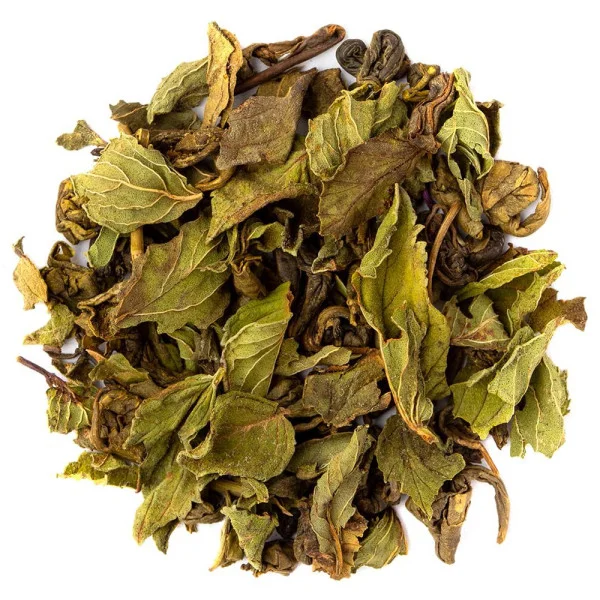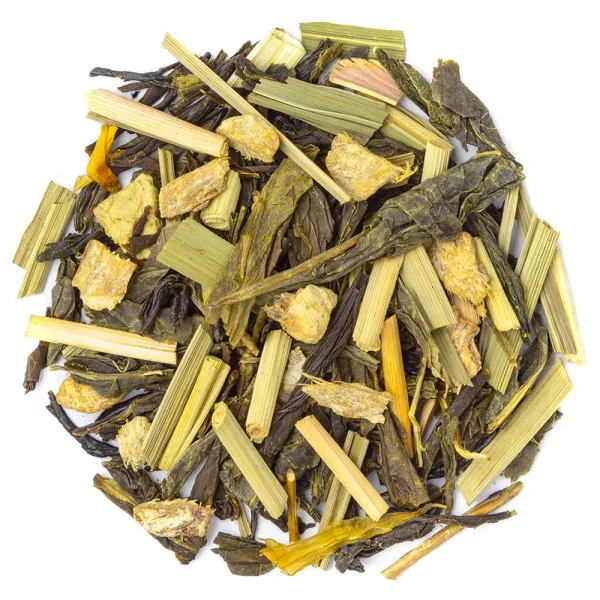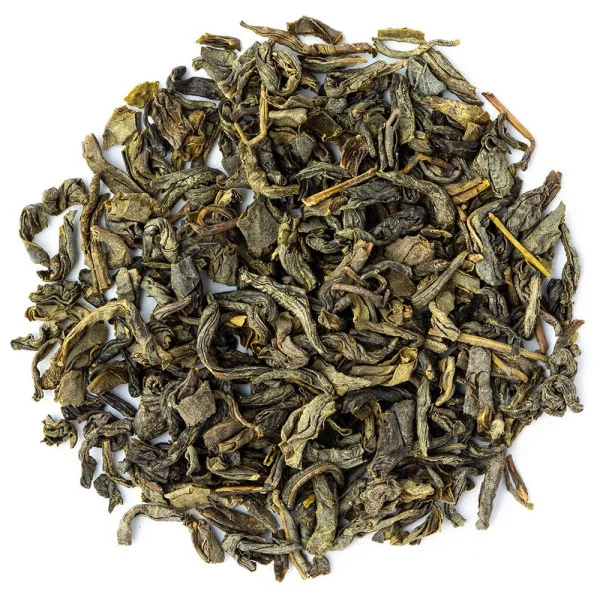
Organic
Loose-leaf teas chosen with care by a passionate family for nearly two decades. Over 400 references across 10 families: delicate greens from Japan and China, full-bodied blacks from India, Sri Lanka and Yunnan, rare and downy whites, subtle oolongs, ceremonial matchas from Uji, post-fermented pu-erh, South African rooibos, South American yerba mate, floral jasmines. Organic and conventional single-origin grand crus, all fully traceable. Available online, sold by the gram, carefully packaged — the genuine pleasure of tea, with no unnecessary wrapping and no compromise on the leaf.
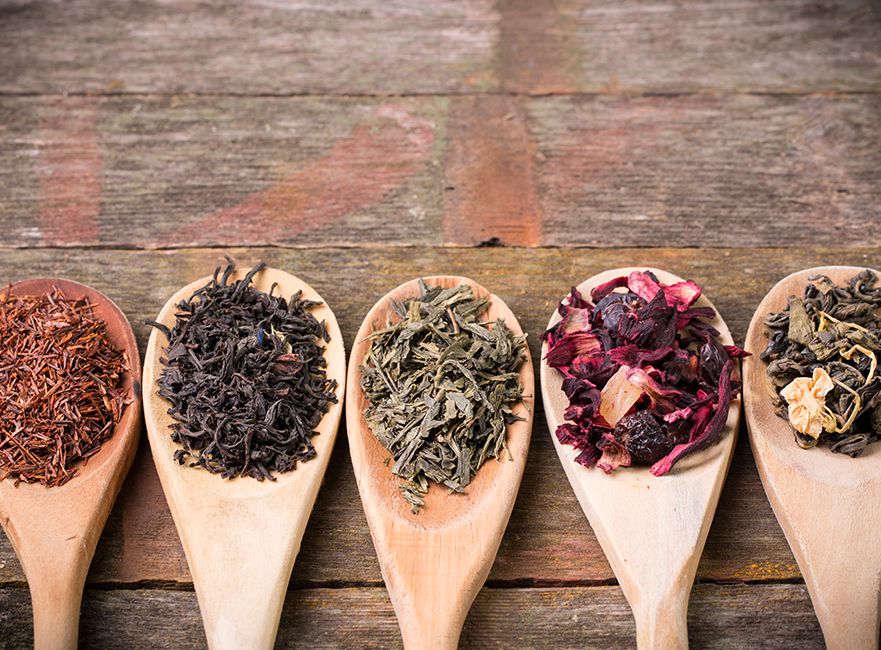
At Thés & Traditions, we offer more than 400 loose-leaf teas, each one carefully chosen from committed plantations in China, Japan, India, Sri Lanka, South Africa and South America. Available online, sold by weight, in resealable pouches or airtight tea caddies: explore our 10 tea families and find the one that fits your moment.
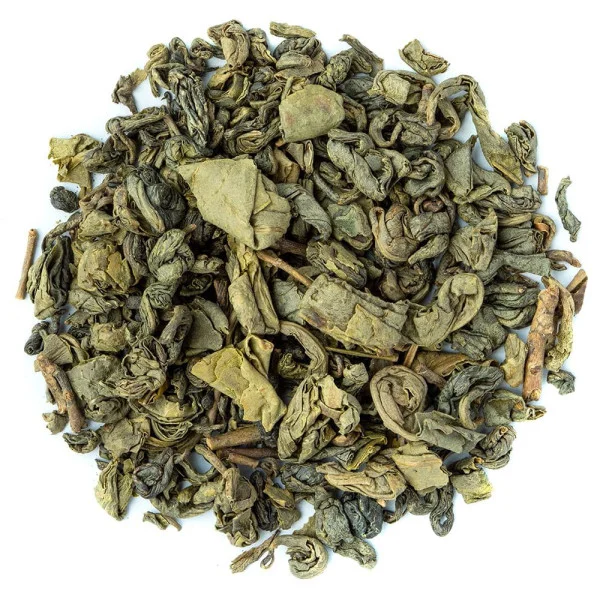
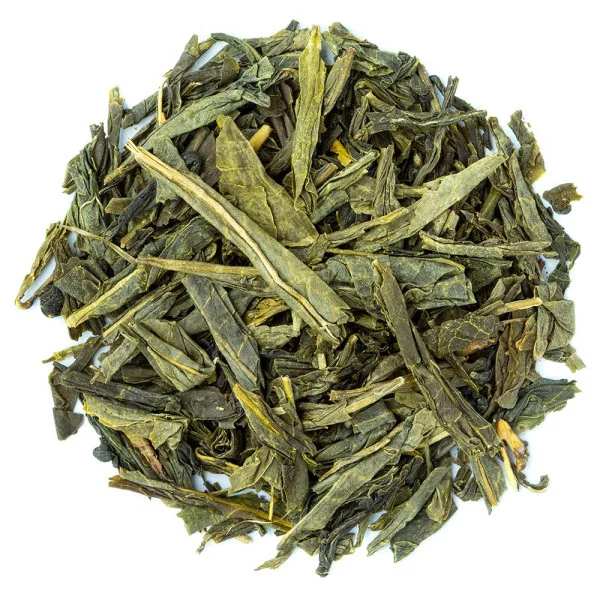
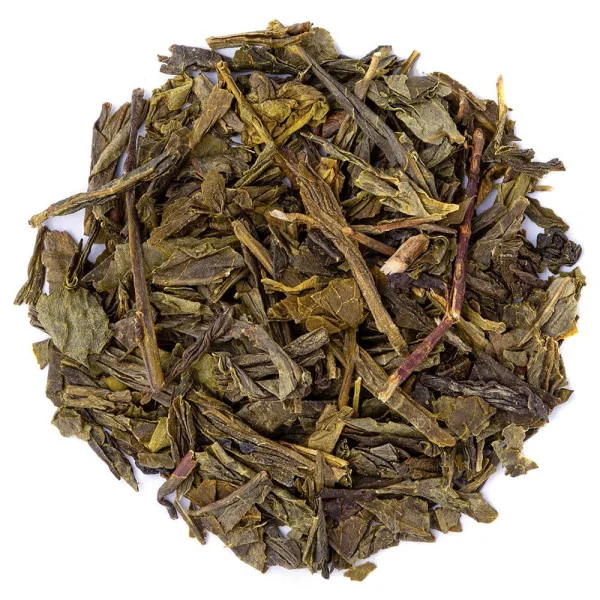
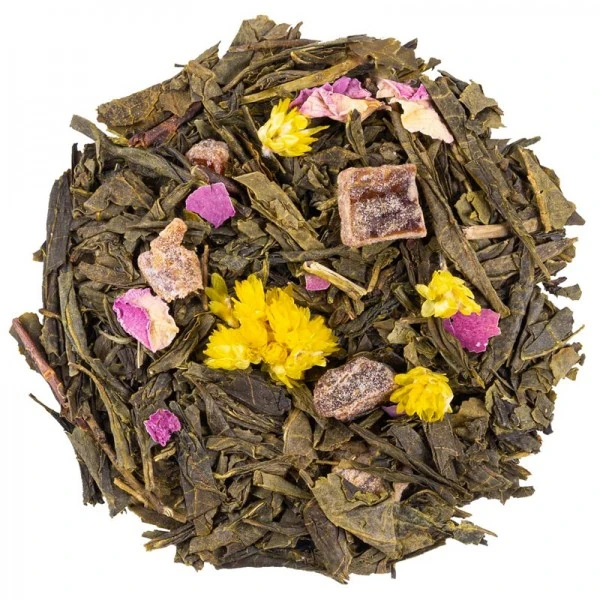
Sencha, Gunpowder, Long Jing, Gyokuro: our green teas come from China, Japan and India. Fresh, vegetal infusions, naturally rich in antioxidants.
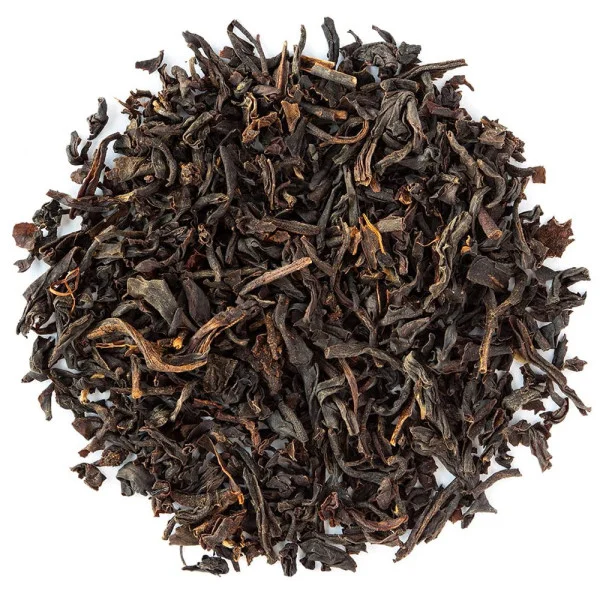
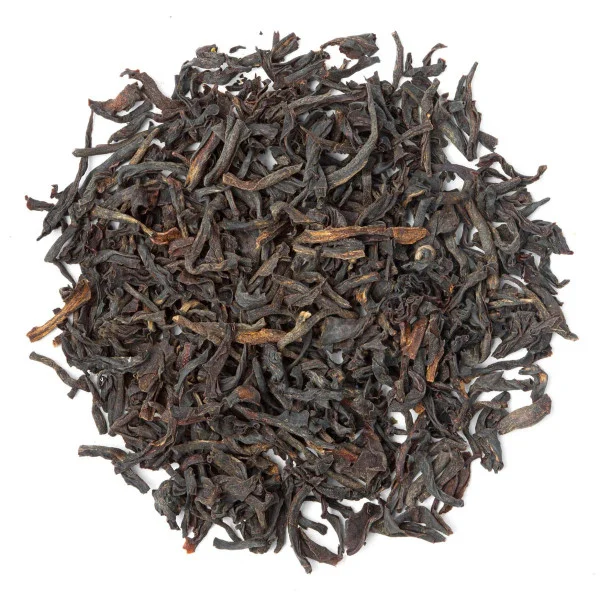
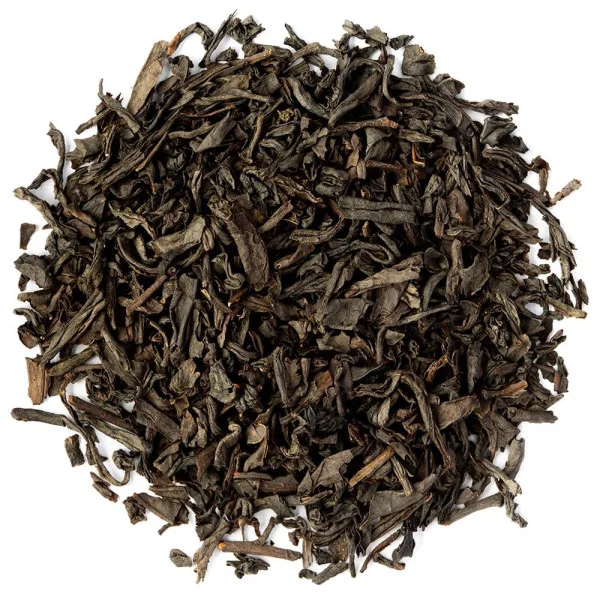
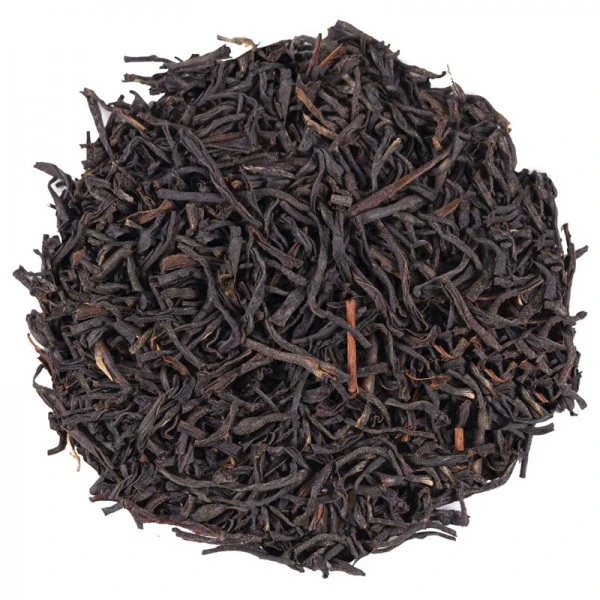
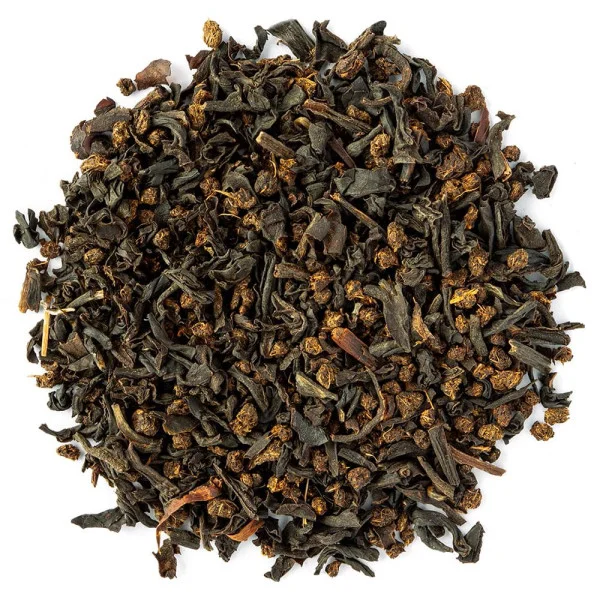
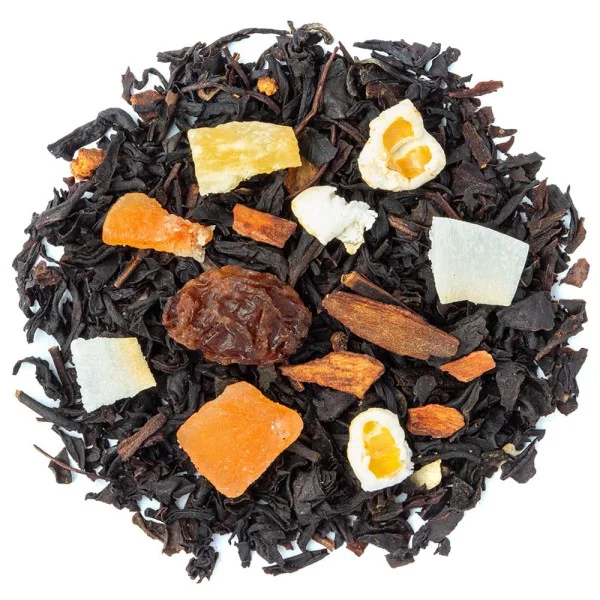
Darjeeling, Assam, Ceylon, Yunnan, Earl Grey, Breakfast: bold and lingering on the palate, whether plain or flavoured.
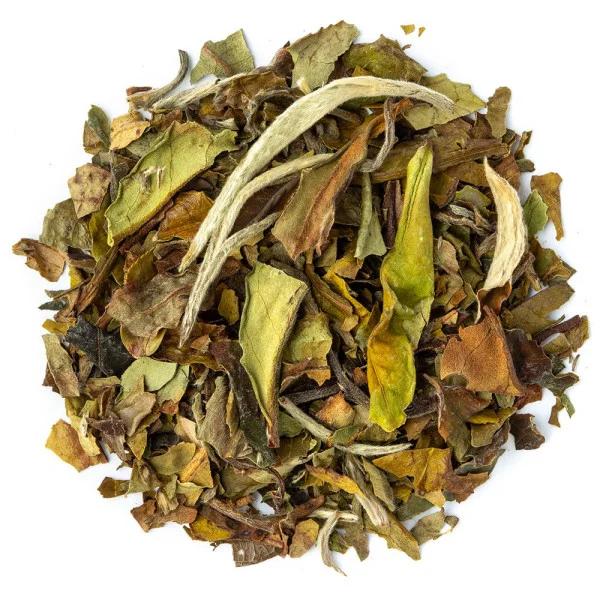
Bai Mu Dan, Silver Needles: downy whole leaves, subtle and honeyed in the cup. A rare and delicate family.
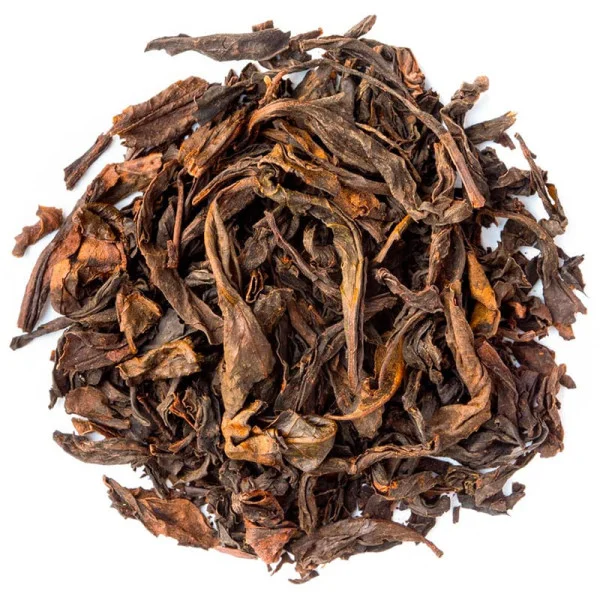
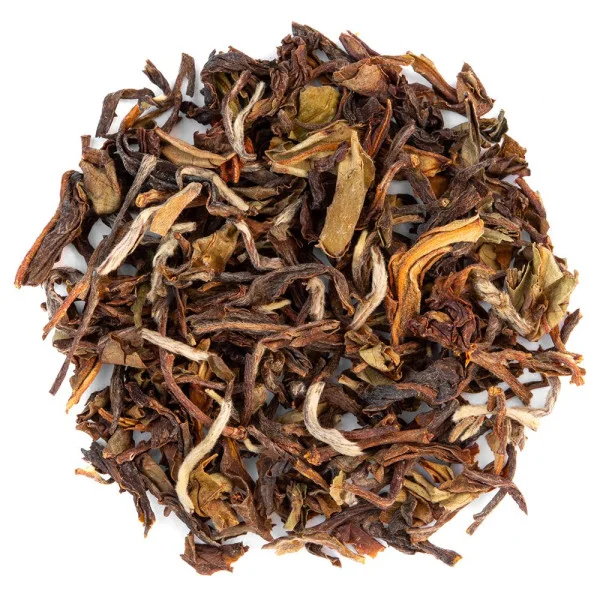
Tie Guan Yin, Da Hong Pao, Milky Oolong: between green and black, with floral, buttery or roasted notes depending on oxidation.
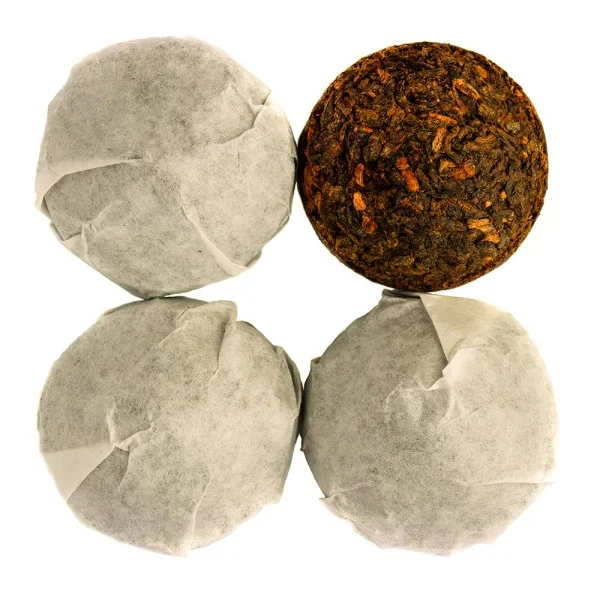
Sheng and shou Pu-erh from Yunnan: deep, earthy cups that are perfect after a meal and only improve with time.
Shade-grown Japanese green tea, stone-ground into a fine powder. For ceremony, baking or a matcha latte. Sourced from Uji and Nishio.
Huo Shan Huang Ya, Jun Shan Yin Zhen. The rarest of Chinese teas: smooth, golden-hued, with a gentle fermentation.
Chinese green tea naturally scented with fresh jasmine blossoms. Floral, calming and timeless.
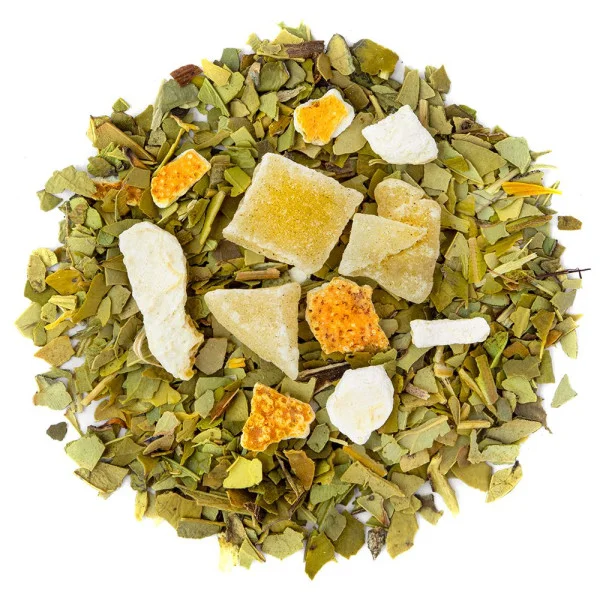
The red bush from South Africa, naturally caffeine-free, smooth and rich in antioxidants. Plain, vanilla, fruit or spice.
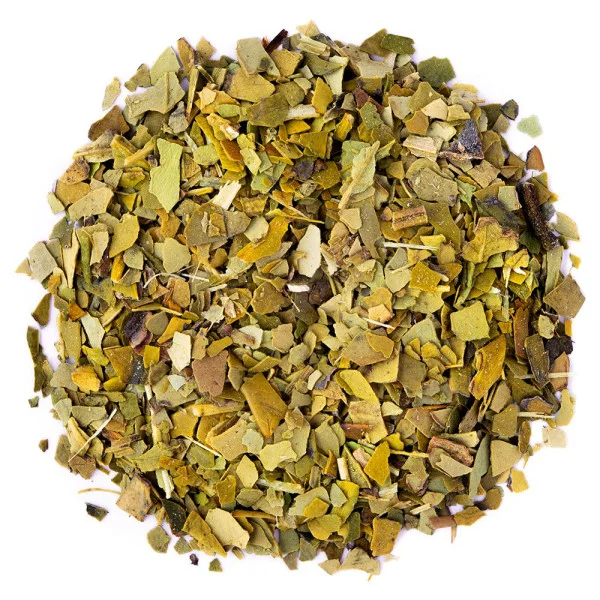
The energising herbal infusion from South America, a gentle alternative to coffee. Green or toasted, in a gourd or steeped as an infusion.
We also supply our loose-leaf teas to trade and wholesale customers (cafés, restaurants, hotels and tea rooms): tailored pricing, 1 kg packaging and careful delivery.
Loose-leaf tea is more than just a format: it's a different way of drinking tea altogether. More authentic, more versatile, more respectful of the leaf. Here are four concrete reasons why more and more tea lovers are leaving behind the industrial tea bag for loose leaf.
Tea bags most often contain fannings or fine dust: the residue left over from industrial sorting. Loose-leaf tea preserves the whole or lightly broken leaf, far more aromatic and better infused. A whole leaf releases its essential oils gradually, whereas broken leaf releases its tannins all at once in a matter of seconds, often at the cost of bitterness.
Gram for gram, loose-leaf tea is 30 to 50% less expensive than bagged tea at equivalent quality. A 100 g tin yields 40 to 50 cups, just a few cents per cup, well below the price of individually packaged tea bags from major brands.
Choosing loose-leaf tea means avoiding plastic-lined bags, individual overwrapping, staples, cotton strings, and above all the nylon pyramid bags that release microplastics at 95°C. An airtight metal tin lasts for years and can be refilled whenever you like.
Measuring, smelling, watching the leaf unfurl in hot water, adjusting the steeping time to your taste: loose-leaf tea turns preparation into a moment in itself. Learning to brew loose-leaf tea well is also rediscovering a sensory ritual that anyone can enjoy.
Faced with so many options, choosing a loose-leaf tea can feel overwhelming. Here is our Thés & Traditions method, built over nearly two decades in the trade.
The simplest approach is to match your tea to the moment: morning (full-bodied: breakfast blends, Earl Grey, Assam), daytime (balanced: Sencha, Oolong, plain green), afternoon (indulgent: flavoured black, fruity white, Jasmine), evening (caffeine-free: Rooibos, herbal infusion, decaffeinated).
A few criteria help you assess a loose-leaf tea before brewing: whole, even leaves with little dust; a clear, consistent colour; a clean, identifiable dry aroma; a precise origin (region, estate, harvest year); opaque, resealable packaging. A tea stored in a clear glass jar in sunlight is already compromised.
We select our loose-leaf teas using a three-part framework: flavour quality (tasting at every harvest), traceability (known estates, sometimes visited in person), and ethics (favouring cooperatives, organic, and fair-trade where possible). Our family has worked with some producers for over fifteen years.
A large part of our organic loose-leaf teas comes from certified organic farming, verified by an independent body (Ecocert, Bureau Veritas). Three reasons behind this choice.
The tea plant is particularly sensitive to phytosanitary treatments. Several studies have shown the presence of pesticide residues in certain conventional teas. Organic tea is grown without synthetic pesticides, chemical herbicides or mineral fertilisers: the difference shows up in the cup, in the long-term health of the soil, and in the wellbeing of the pickers.
Many small cooperatives committed to organic and fair-trade practices struggle to survive alongside industrial giants. Buying organic loose-leaf tea means supporting a different economy: human-scale estates, fair wages, and the passing on of traditional expertise.
Not all our teas are organic: some rare, exceptional teas (Da Hong Pao, aged Pu-erh, traditional yellow teas) come from historic estates without certification, but ones we know well. We always make this clear on the product page.
A good loose-leaf tea can hold its flavour for 18 to 24 months — as long as you protect it from its four main enemies: air, light, moisture, and strong odours.
Pu-erh is the exception: it is the only tea that improves with age under controlled conditions (60–75% humidity, stable temperature).
Four main advantages: whole leaves deliver far more aroma than the fine dust found in most bags; the price per gram is 30 to 50% lower; it is the more sustainable choice (no plastic); and the variety is extraordinary, with hundreds of references rather than a handful. Loose-leaf tea also allows several successive infusions from the same leaves.
Three key parameters: quantity (2–3 g per 200 ml cup), temperature (60°C for Japanese greens, up to 100°C for Pu-erh and herbal infusions), and time (1–3 min for green, 3–5 min for black, 5–7 min for Rooibos). See our detailed guide above.
Six main families from the tea plant (green, black, white, yellow, oolong, Pu-erh), defined by their level of oxidation. Plus three related families: matcha (Japanese powder), Rooibos (South Africa, naturally caffeine-free), and yerba mate (South America).
An organic tea is grown without synthetic pesticides, chemical herbicides, or mineral fertilisers, and is certified by an independent body. At T&T, the majority of our range is organic, with a few exceptional conventional single-origin teas where organic certification is not available from the producer, always with full traceability.
A simple trio: a smooth green tea (Sencha or Long Jing), a flavoured black tea (Earl Grey or a breakfast blend), and a delicate white tea. These three styles cover a broad spectrum of flavours and will help you discover your preferences.
Stored in an airtight opaque tin, away from light and moisture, a tea will stay flavourful for 18 to 24 months from its harvest date. Rooibos and herbal infusions keep a little longer (24–30 months), while powdered matcha keeps considerably less (3–4 months once opened).
Have more questions about loose-leaf tea or need a personal recommendation? Our team is here to help — use the contact form at the bottom of the page.
Three parameters determine the quality of a cup of tea: the amount of tea, the water temperature, and the steeping time. Each tea family has its own rules — here is the complete guide, reviewed by our team.
The general rule for loose-leaf tea is 2 to 3 grams per 200 ml cup, roughly equivalent to one level measuring spoon. For a 500 ml teapot, use 5 to 7 grams. Matcha is the exception: measure 1 g (½ bamboo scoop) for 70 ml of water, whisked with a chasen until frothy.
Pouring boiling water over a Japanese green tea turns it bitter within seconds. Here are the ideal temperatures by tea family:
Under-steeping yields a flat, watery cup; over-steeping turns it astringent. Our reference guide:
To complement your daily ritual, explore our selection of accessories, teapots, and filters and infusers.

French House
Independent since 2016.
Fast delivery
Home delivery or click & collect.
Made with heart
In the south of France.
Customer service
A real voice at the end of the line,
Monday to Friday: 04 22 91 35 75.
Sharing, passing it on: our teas, our tips, the occasional unexpected idea, and little attentions just for you. Pure pleasure, ready to steep.