Organic
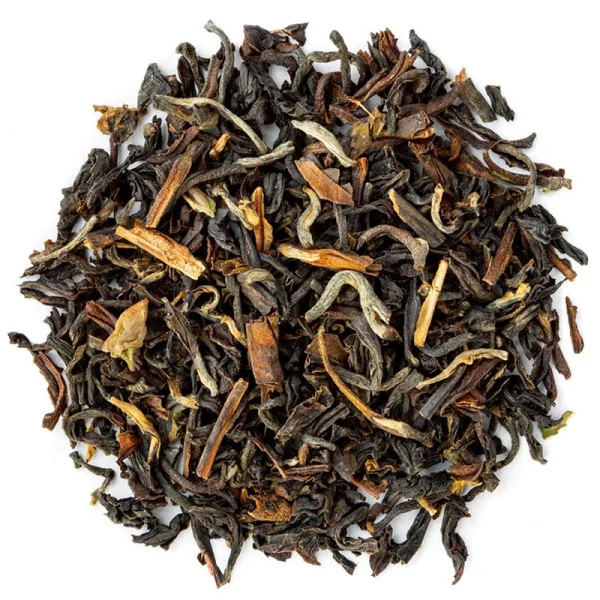
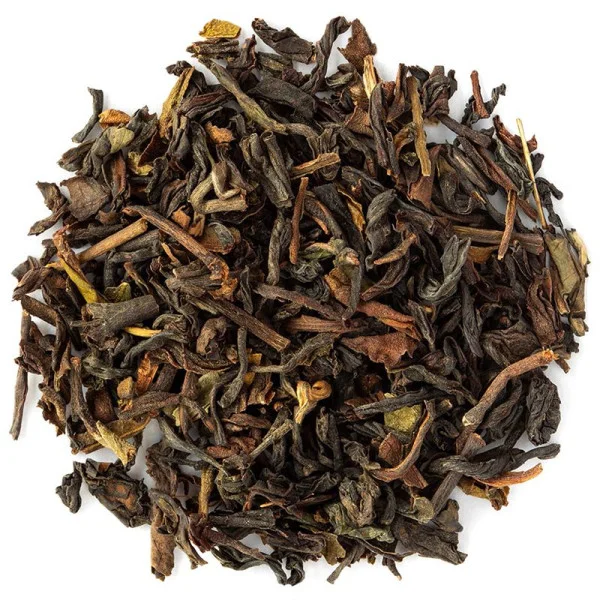
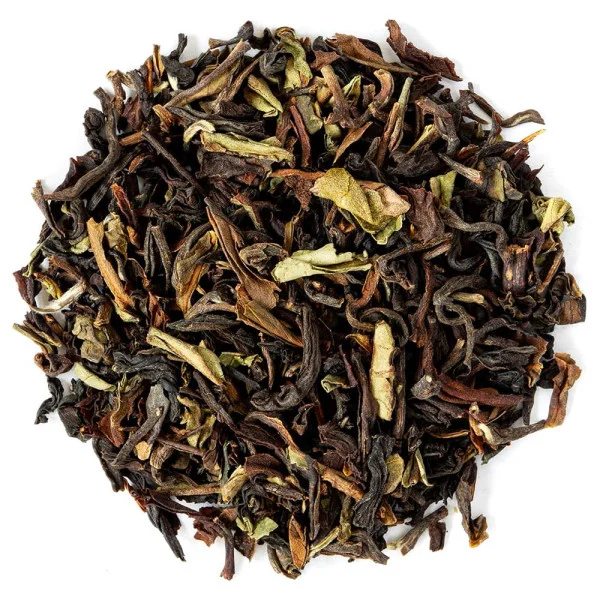
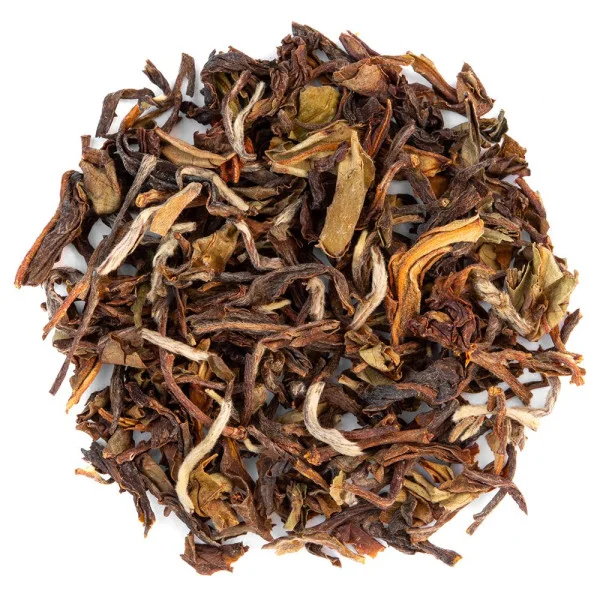
Darjeeling SFTGFOP1 Phuguri 1st Flush Organic
Exceptional First Flush Darjeeling, floral and sparkling
Grown on the foothills of the Himalayas in north-eastern India, Darjeeling tea is one of the most sought-after fine teas in the world. Known as the "champagne of teas" for its elegance, muscatel aromas and clear, delicate liquor, it is harvested by hand across distinct seasonal flushes, each revealing its own palette of flavours: from the fresh, floral lightness of spring to the amber, fruity notes of summer. Browse our selection of Darjeeling teas, from early first flush harvests to the most prized grades.
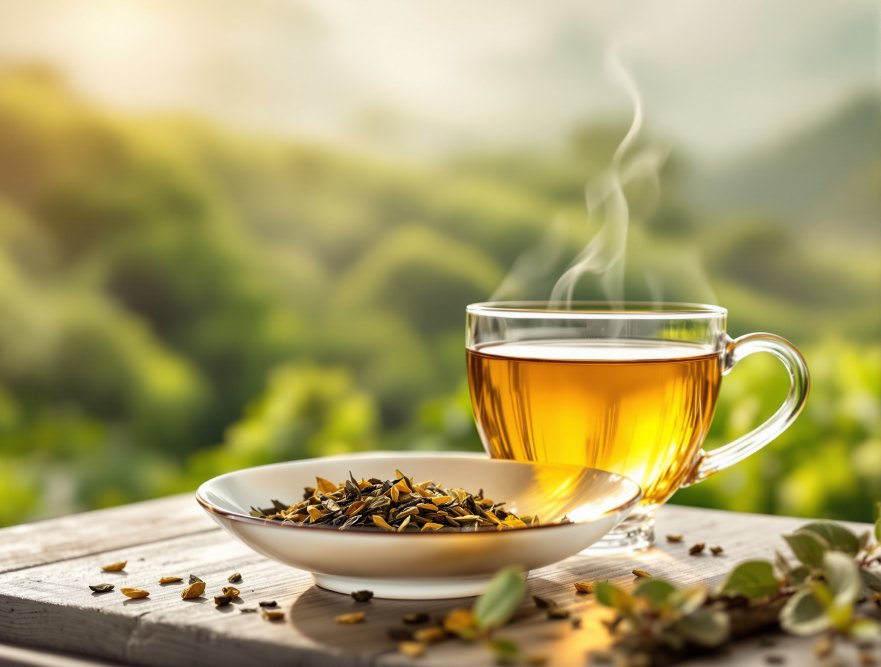
Darjeeling takes its name from a high-altitude region of West Bengal, India, nestled at the foot of the Himalayas. There, among morning mists, steep slopes and cool mountain air, the tea plant grows slowly, concentrating its aromas over time. This exceptional terroir, both rare and difficult to reach, yields teas of unmatched finesse, with a luminous liquor and a beautifully subtle character.
What sets Darjeeling apart is its famous muscatel note, that delicate scent of grape and ripe fruit found nowhere else in the world. Its limited production and hand-picked harvest make it a favourite among enthusiasts and fine tea houses alike. It is this rare elegance that earned it the nickname "the champagne of teas". Grown in the renowned high-altitude gardens and estates of the Himalayas, this great Indian tea is harvested as whole leaf, and is also available in organic versions.
Darjeeling follows the rhythm of the seasons, with each harvest, or flush, offering a distinctly different character. The First Flush, picked in early spring, yields a bright, light and floral tea with a wonderfully fresh, vegetal quality. The Second Flush, harvested in summer, produces a richer, amber liquor — round and fruity, with that signature muscatel note in full bloom. Autumn harvests follow, softer and woodier in character. Each season brings its own Darjeeling, to be chosen according to the moment and the mood.
On the tins, you may also come across gradings such as FTGFOP1 or SFTGFOP1. These designations refer to leaf quality: the longer the notation, the finer the plucking and the richer the tea is in young golden buds, a hallmark of a truly refined cup.
A delicate tea, Darjeeling is best enjoyed plain, so nothing is lost of its subtle aromas. Use water that is just off the boil, around 85 to 90°C, and steep for three to four minutes depending on the harvest. Allow one teaspoon of loose-leaf per cup, and adjust the brewing time to suit your taste. First Flush teas, more fragile by nature, prefer slightly cooler water and a shorter infusion; Second Flush teas, fuller-bodied, can take a little more heat. Best savoured without milk or sugar, ideally in the morning or early afternoon.
What is Darjeeling tea?
Darjeeling is an exceptional black tea grown on the foothills of the Himalayas, in north-east India. Celebrated for its delicacy and muscatel aroma, it is often called the champagne of teas.
Why is Darjeeling called the champagne of teas?
Because of its rarity, its refinement and its unique muscatel note, reminiscent of grapes and ripe fruit. Limited production and hand-picking make it a sought-after grand cru, comparable to the finest wines.
What is the difference between First Flush and Second Flush?
The first flush, harvested in spring, produces a pale, bright and floral tea. The Second Flush, picked in summer, offers a more amber, rounded and fruity liquor, with a pronounced muscatel note.
How do you brew a Darjeeling tea?
Steep it in water just off the boil, between 85 and 90 degrees, for three to four minutes, without milk or sugar. Use a lower temperature and a shorter steeping time for a first flush, which is more delicate.
To explore the full range of this exceptional origin, let our Darjeeling teas be your guide. The Darjeeling FTGFOP1 First Flush Blend is a perfect introduction, bright and full of springtime freshness. For a truly exceptional harvest, the Darjeeling SFTGFOP1 Phuguri 1st Flush organic charms with its delicate refinement and subtle floral notes.
Those who prefer more character will love the Darjeeling FTGFOP1 Spring Valley, sourced from a highly regarded garden, and the Darjeeling FTGFOP1 Second Flush, rounder and beautifully muscatel. All belong to our broader family of black teas. To go further, our guide Darjeeling black tea: the champagne of teas tells you everything about this remarkable region and its harvests.
Available as whole-leaf teas, our Darjeeling selection also includes certified organic references, such as the Phuguri 1st Flush. And if you have a fondness for the great classics of black tea, our Earl Grey is another beautifully fragrant must-try.
To continue your exploration, browse our Indian teas, discover our grand crus and rare teas (of which Darjeeling is a proud member), or browse our organic selections.

French House
Independent since 2016.
Fast delivery
Home delivery or click & collect.
Made with heart
In the south of France.
Customer service
A real voice at the end of the line,
Monday to Friday: 04 22 91 35 75.
Sharing, passing it on: our teas, our tips, the occasional unexpected idea, and little attentions just for you. Pure pleasure, ready to steep.