Organic
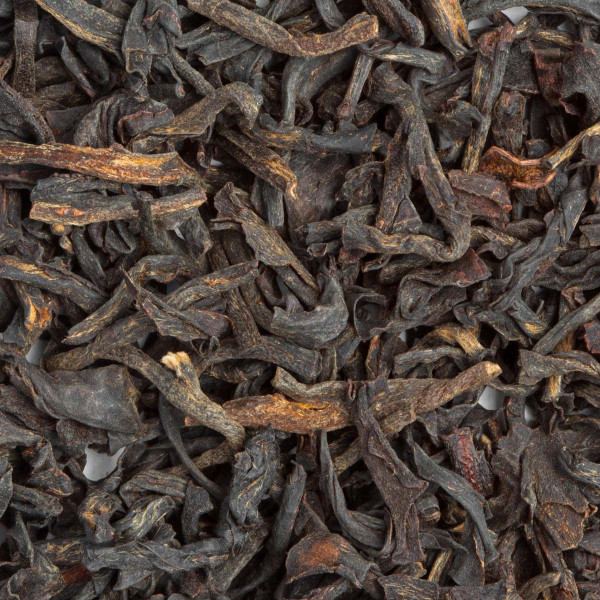
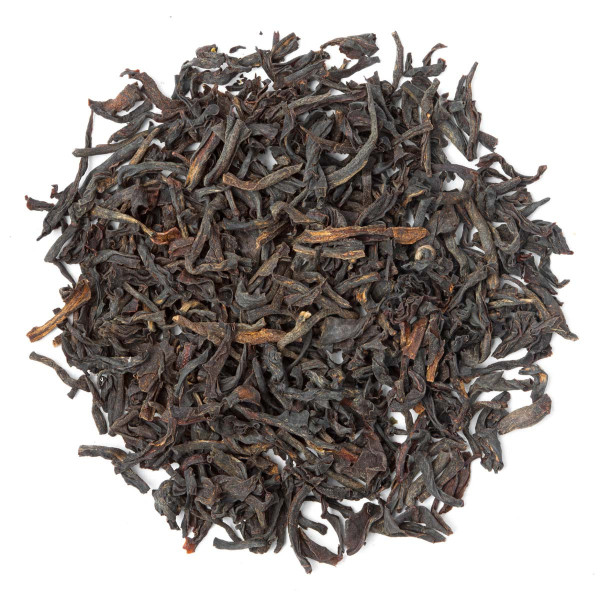
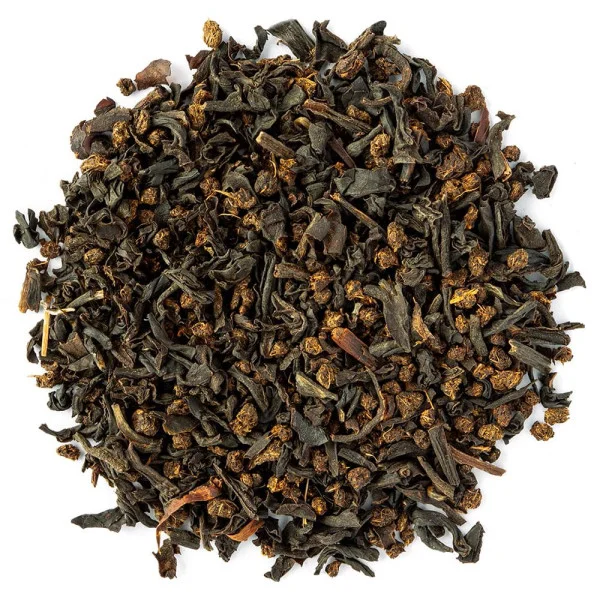
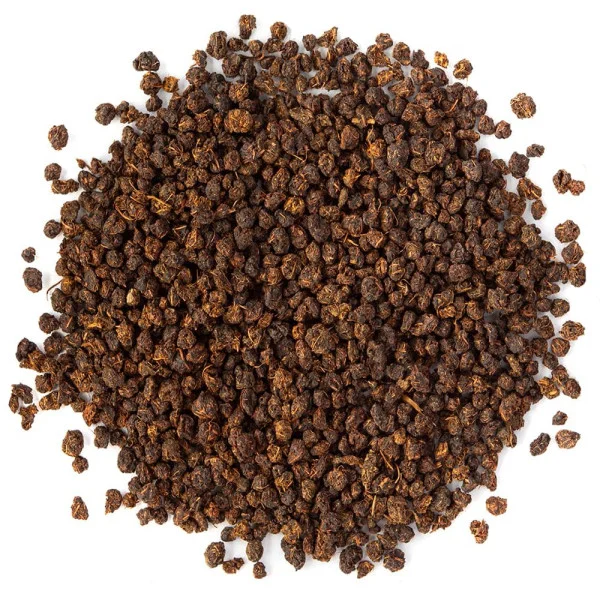
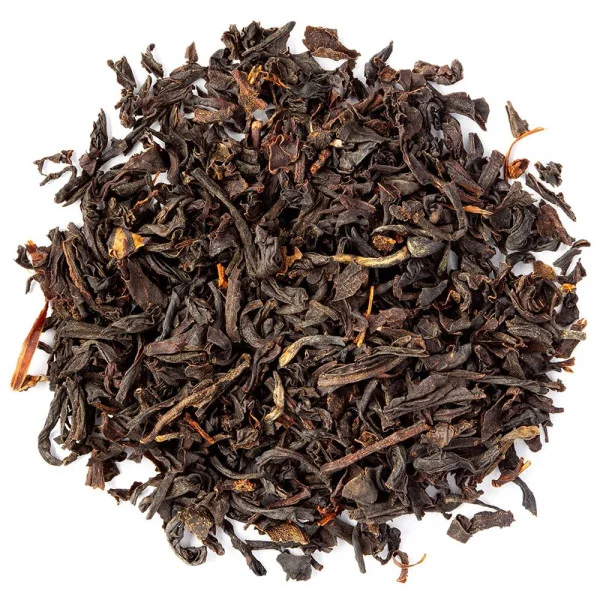
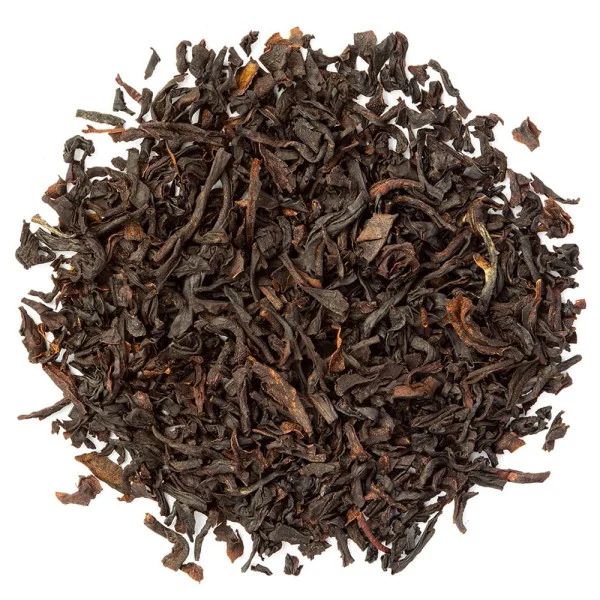
Op Jinjing
Chinese tea with aromatic character and delicate sweetness. Light and refreshing.
Step into the captivating world of black tea, a sensory journey that begins in the lush gardens of China and India. Known for its amber liquor and rich, intense aromas, this tea from the Camellia sinensis plant is defined by its full oxidation process. From harvest to cup, every stage of production pays tribute to tradition and craft. Picture a warming infusion with the fruity notes of a Yunnan, the layered depth of a Ceylon, or the delicate floral character of a Darjeeling. Each variety brings its own character, along with the natural benefits of energising theine and antioxidant tannins. Whether enjoyed pure or gently flavoured with vanilla, rose or cinnamon, black tea offers an endless range of tastes and pleasures. Explore the secrets of this centuries-old brew, cherished by connoisseurs for its depth and complexity.
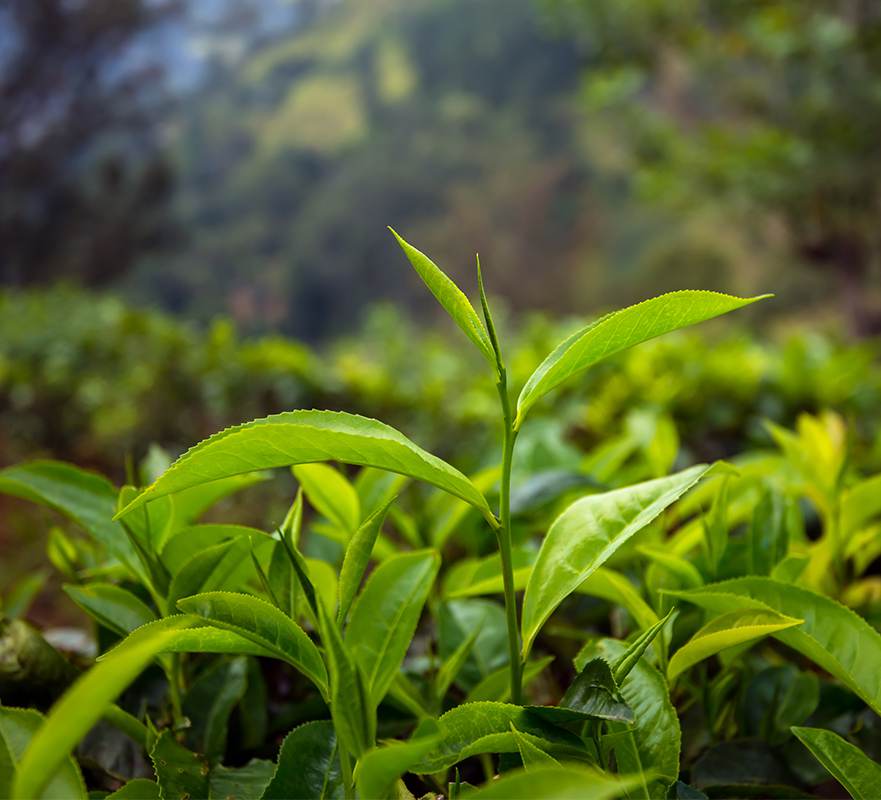
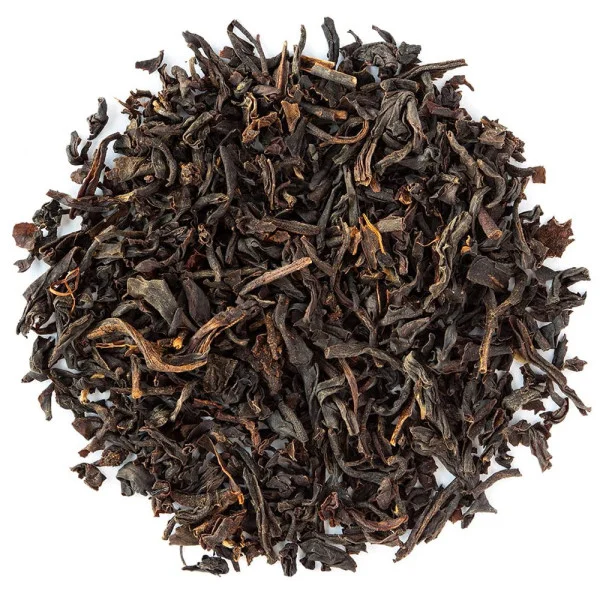
Black tea, made from the leaves of the Camellia sinensis plant, is the product of a full oxidation process that transforms the fresh leaf into something altogether different. This unique method gives the brew its characteristic amber colour and full-bodied flavour, which has won over tea lovers the world over. Unlike green or white tea, black tea undergoes extended oxidation, unlocking the full depth of its aromas.
Although China is the ancestral home of tea, black tea did not appear until the 17th century. Its creation marked a turning point in the history of this ancient drink. It quickly became the favourite of Western drinkers, largely due to its ability to retain its flavour and character during long sea voyages.
China, the birthplace of black tea, offers an unrivalled range of flavours. Yunnan, known for its honeyed notes, and Lapsang Souchong, celebrated for its smoky character, capture the remarkable diversity of Chinese black teas. These singular creations are the result of centuries of expertise and tradition.
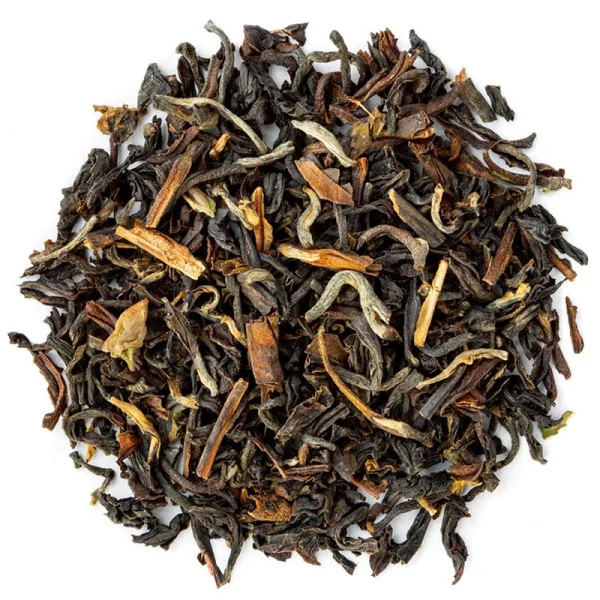
A giant of black tea production, India stands out for two iconic regions: Darjeeling, often called the "champagne of teas" for its delicate refinement, and Assam, prized for its strength and malty depth. These Indian teas have won over palates around the world.
| Variety | Region | Characteristics |
|---|---|---|
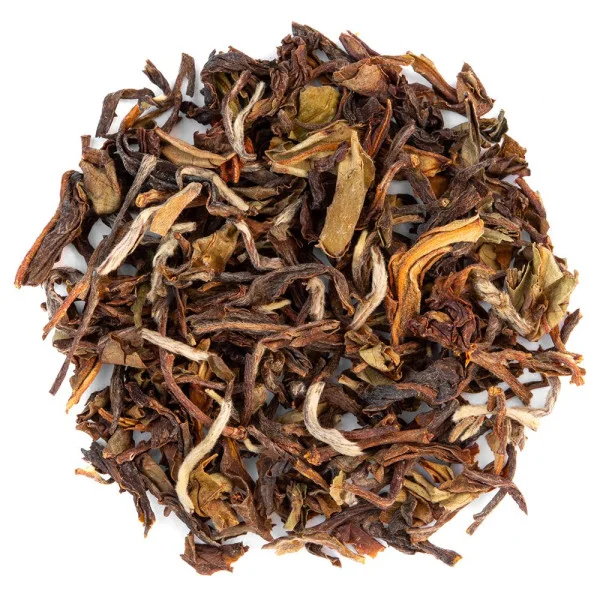
| Darjeeling | West Bengal | Light, floral, muscatel notes |
| Assam | Assam | Full-bodied, malty, robust |
Ceylon teas, grown in Sri Lanka, are known for their bright, lightly astringent character. Orange Pekoe, a superior quality grade, is a particular favourite among enthusiasts for its freshness and balance.
As a general rule, around 2 grams of loose-leaf tea is needed to brew a cup of 100–150 ml. This is also the amount found in individual tea bags or pods. Drinking up to 5 cups of tea per day is widely recommended, which works out to roughly 10 grams of tea daily.
Black tea contains more caffeine than white, green, or oolong tea, which means a cup of black tea has more stimulating properties than other varieties. That said, the recommendation to enjoy up to 5 cups a day applies equally (and especially!) to black tea: in other words, you can savour 1 to 5 cups of this infused brew each day without experiencing the side effects of excessive caffeine intake, such as difficulty concentrating, sleep disturbances, or increased irritability.
For a balanced approach to your black tea consumption, our team suggests spreading your cups throughout the day as follows:
If you are prone to anaemia or iron deficiency, avoid drinking tea at mealtimes and for 2 hours after eating, to support better iron absorption. If you are pregnant, it is best to limit yourself to 3 cups of black tea per day.
Although they come from the same plant, black tea and green tea differ considerably:
Switching between black and green tea lets you enjoy the distinct benefits of each variety. This balanced approach not only broadens your palate but also helps you make the most of what both teas have to offer.
Black tea is crafted through a meticulous process known as the orthodox method:
The main black tea-producing regions each bring their own unique terroir:
Whether you are a seasoned enthusiast or a curious newcomer, the world of black tea invites you on a sensory journey full of discovery. From the first morning sip to a quiet, contemplative tasting, every cup tells a story of terroir, tradition, and craftsmanship. Step into this fascinating universe and let yourself be captivated by the richness of black teas from around the world.
Our shop offers a curated selection of organic loose-leaf black tea: timeless classics (Earl Grey, English Breakfast, Lapsang Souchong), single-origin teas (Assam, Darjeeling, Ceylon), and flavoured blends (Chai, red berries, citrus, vanilla). All our black teas are certified organic. We source directly from our grower partners. Free shipping from €49 in mainland France, secure payment.
Black tea calls for hot water at 95–100 °C, steeped for 3 to 5 minutes depending on the strength you prefer. Use 4–5 g per 300 ml. The quintessential breakfast tea, it is naturally rich in moderate caffeine. Can be re-infused once or twice.
Every terroir leaves its own mark on black tea. Here are our standout references to guide you through the range:
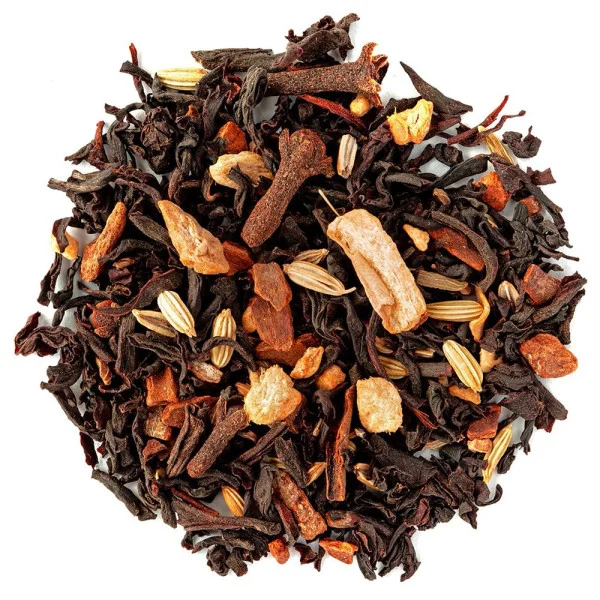
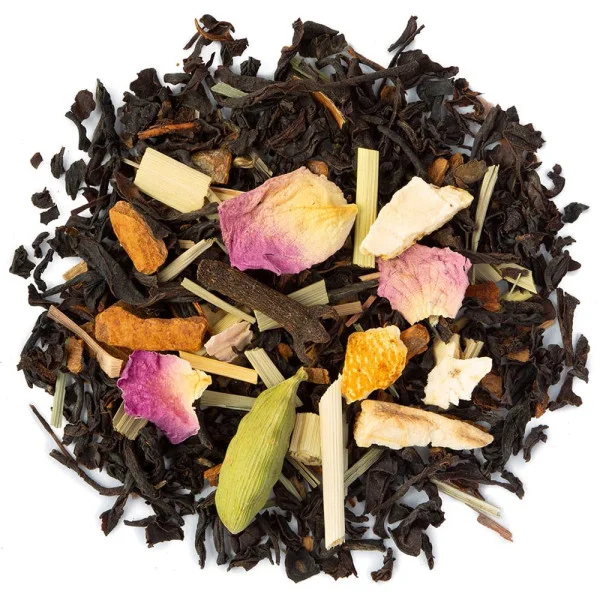
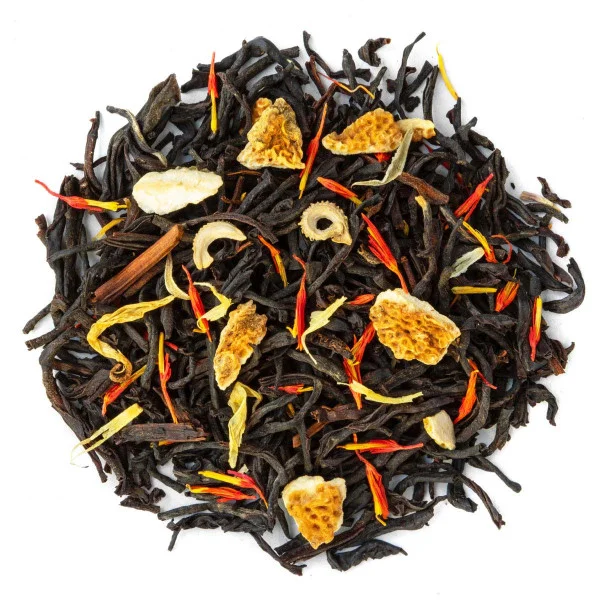
For classics and flavoured teas: our beloved Earl Grey, English Breakfast, Russian Earl Grey, and Chai, or our indulgent creations: Vanilla, Blackcurrant, and Cacao Choco.
Julien Huot, founder of Thés & Traditions, personally selects every black tea directly from partner growers in India (Darjeeling, Assam), Sri Lanka (Ceylon), and China (Yunnan, Keemun). A large part of our range is certified organic, though this is not a blanket requirement: we always put the quality of the garden, the harvest, and the grower's expertise first.
For information on the antioxidant composition of black tea and its theaflavin content, see the references available on PubMed. For general guidelines on daily consumption, see the ANSES.
What is the difference between black tea and red tea?
In the West, what we call "black tea" is actually what the Chinese refer to as "red tea" (hong cha), named after the colour of the brewed liquor. True Chinese "black tea" (hei cha) refers to post-fermented teas such as Pu-erh. This confusion dates back to 19th-century English translations. In practice, when you buy black tea, you are getting a 100% oxidised tea such as Darjeeling, Ceylon, or Yunnan.
How many cups of black tea can you drink a day?
2 to 4 cups a day suits most healthy adults. Black tea contains more caffeine than green tea (around 40–60 mg per cup versus 20–30 mg for green), so avoid drinking it after 4–5 pm if you are sensitive to stimulants. Excessive consumption may reduce iron absorption; try to leave some time between your tea and iron-rich meals.
Which black tea is best for starting the day?
In the morning, reach for something brisk and full-bodied: a rich Assam, an amber Ceylon, or a classic bergamot Earl Grey. If you take your tea with milk, Assam or an African black tea will hold up beautifully without losing character. For a gentler afternoon cup, a floral Darjeeling or a honeyed Yunnan is a wonderful choice.
How do you brew black tea without bitterness?
Bitterness usually comes from water that is too hot or an infusion that goes on too long. Use water at 95 °C (never at a rolling boil), 1 to 2 grams of leaves per cup, and steep for no more than 3 to 5 minutes depending on your preferred strength. Beyond that, the tannins become prominent and create an unpleasant astringency. Always remove the leaves at the end to stop the infusion.
Does black tea contain more caffeine than green tea?
Yes, roughly twice as much on average. That said, the effect you feel also depends on the dose and steeping time. A briefly steeped black tea (2–3 minutes) will be milder than a green tea left to infuse for longer. Caffeine and theine are the same molecule; it is simply the polyphenol matrix that influences how it is absorbed.
Explore our loose-leaf black teas above and find the one that will become part of your morning or afternoon ritual.
Brewing black tea is an art that deserves a little care. To draw out the full depth of its aromas, follow these essential steps:
Rinsing the leaves, though less common for black tea than for Oolong, can help refine the clarity of the flavour. The practice involves briefly pouring hot water over the leaves before the main steep, removing any dust and gently opening the leaves for a fuller release of aroma.
Beyond its captivating flavour, black tea stands out for its full-bodied character and malty aromas. Rich in flavour, it suits energising mornings as well as indulgent afternoon breaks.
| Benefit | Description |
|---|---|
| Character | Full-bodied and round, with malty or woody notes depending on origin |
| Best time | In the morning or early afternoon, plain or with a dash of milk |
| Caffeine | Naturally present, to accompany the active moments of the day |
| Brewing | Around 3 to 5 minutes in water at 90-95 °C |
While black tea is generally beneficial, drinking it in excess can have unwanted effects. Its caffeine content may cause insomnia, anxiety or digestive discomfort in sensitive individuals. As a general guide, 3 to 5 cups a day is a reasonable amount, and it is best avoided in the evening.
Tasting black tea is a complete sensory experience. To fully appreciate its nuances, follow this simple tasting guide:
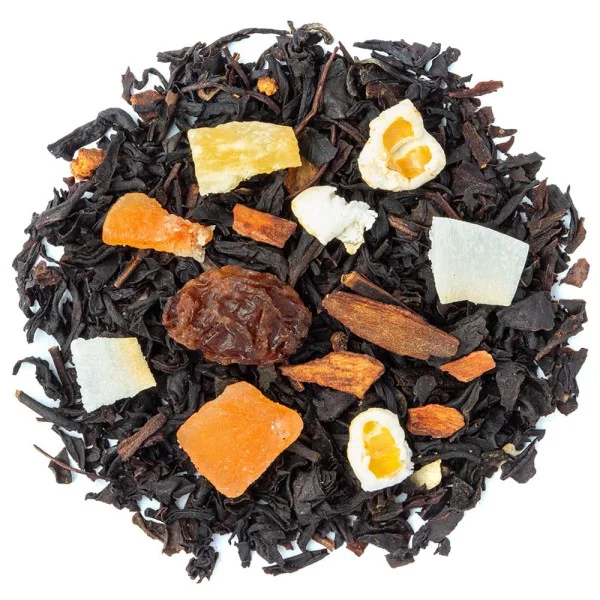
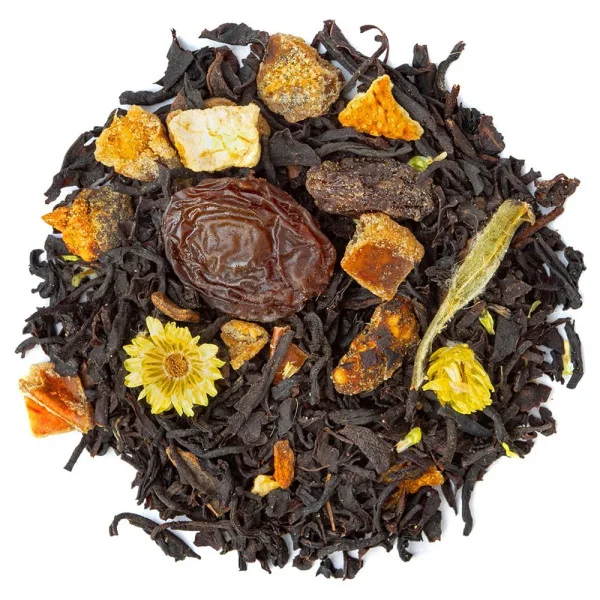
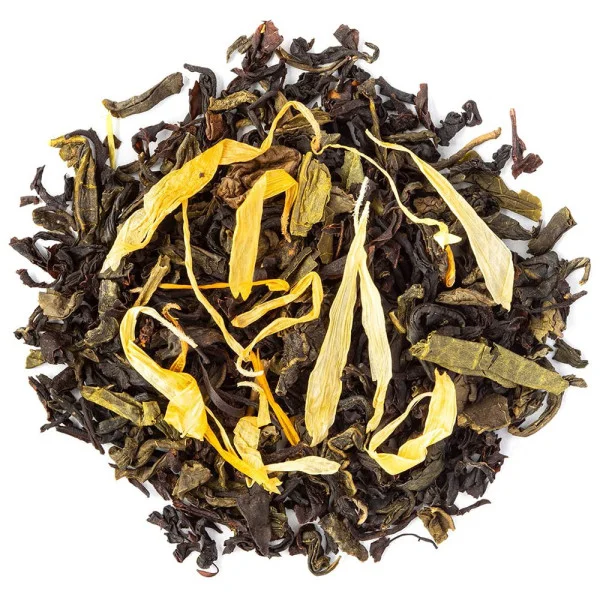
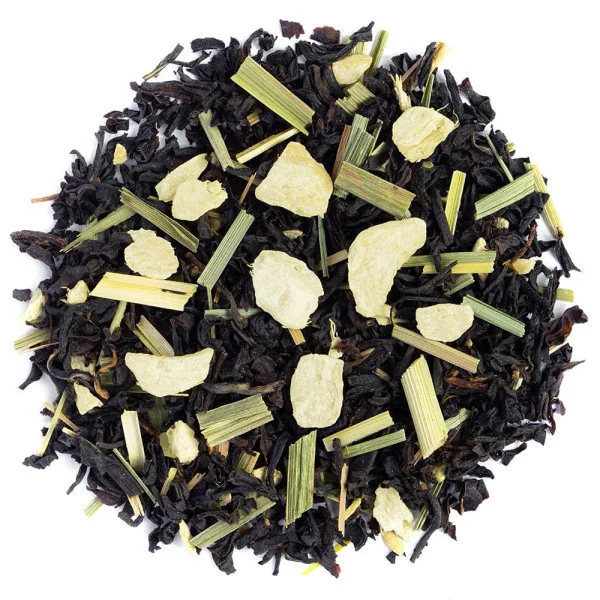
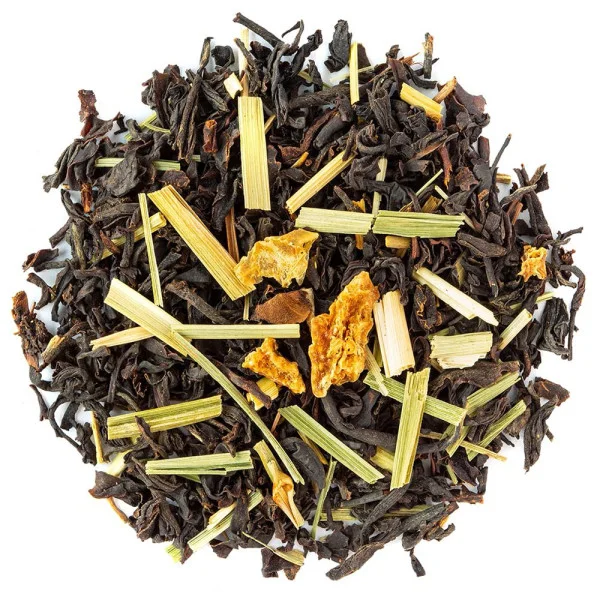
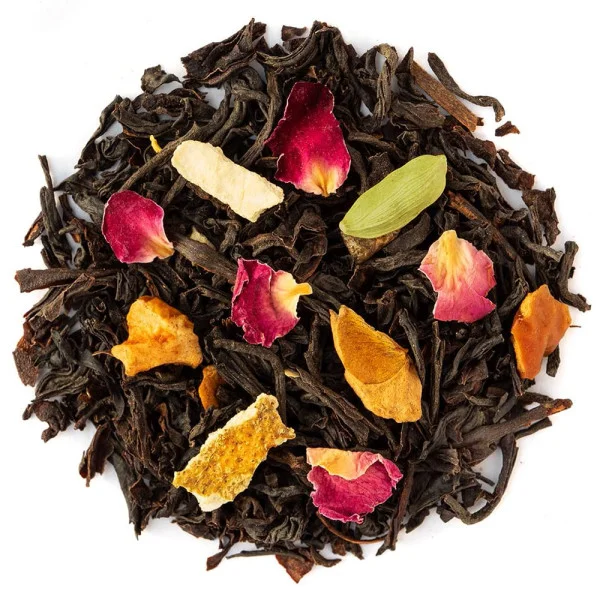
The world of flavoured black teas offers an endless range of tastes to suit every palate:
Explore our other tea families
End the day caffeine-free

French House
Independent since 2016.
Fast delivery
Home delivery or click & collect.
Made with heart
In the south of France.
Customer service
A real voice at the end of the line,
Monday to Friday: 04 22 91 35 75.
Sharing, passing it on: our teas, our tips, the occasional unexpected idea, and little attentions just for you. Pure pleasure, ready to steep.
Our website has changed, and so has our logo… but our house remains the same.
You will still find our carefully selected teas and infusions, our family spirit, and the same desire to share beautiful moments around tea with you.