Organic Yerba Mate: the T&T selection

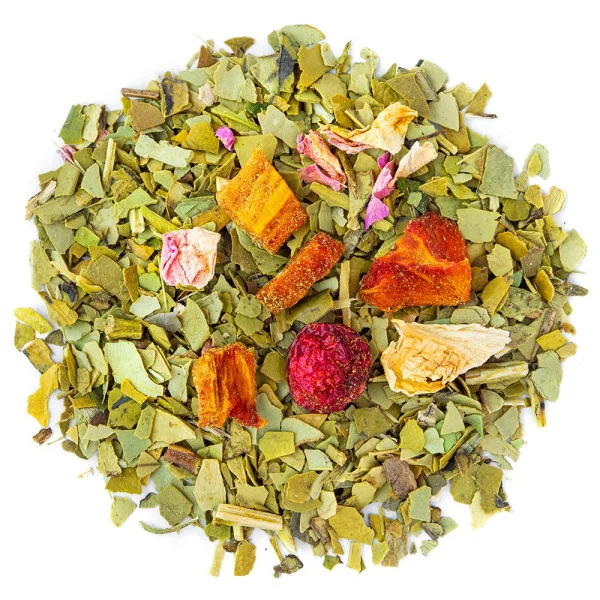
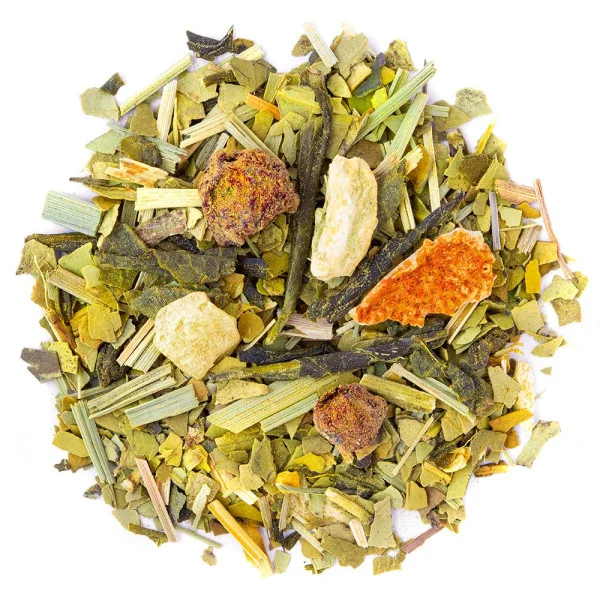
Explore our selection of organic loose-leaf yerba mate, sourced primarily from Argentina, Brazil, Uruguay and Paraguay. This traditional energising drink, made from the leaves of Ilex paraguariensis, offers a natural alternative to coffee with a gentle, lasting lift. Our range includes plain mates (green, traditional roasted, sin palo, con palo) as well as flavoured blends (orange, pomegranate, mango-guava, mint). Every variety is certified organic.
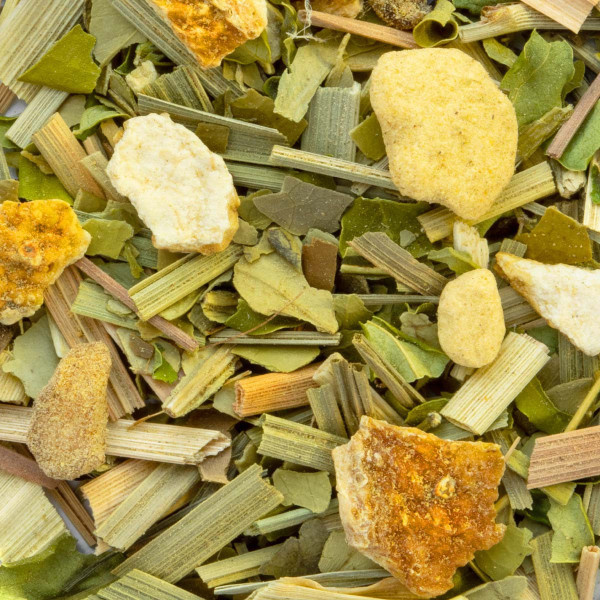
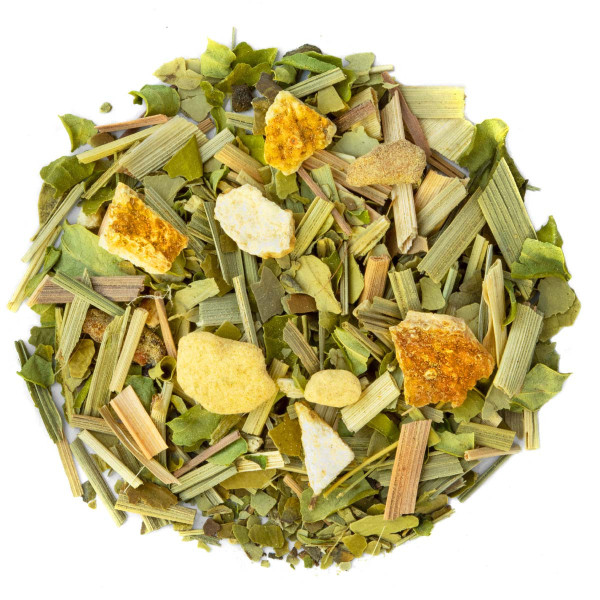
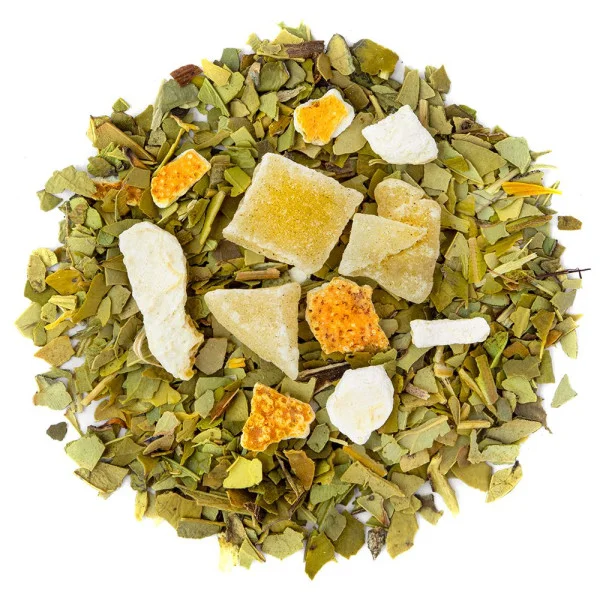
Blend of green mate with mango pieces and citrus peel for a fruity infusion
Sale!
Mango Guava

Tropical Mate: an exotic and energizing infusion

€6.00 | 100g Tea Bag
€7.90
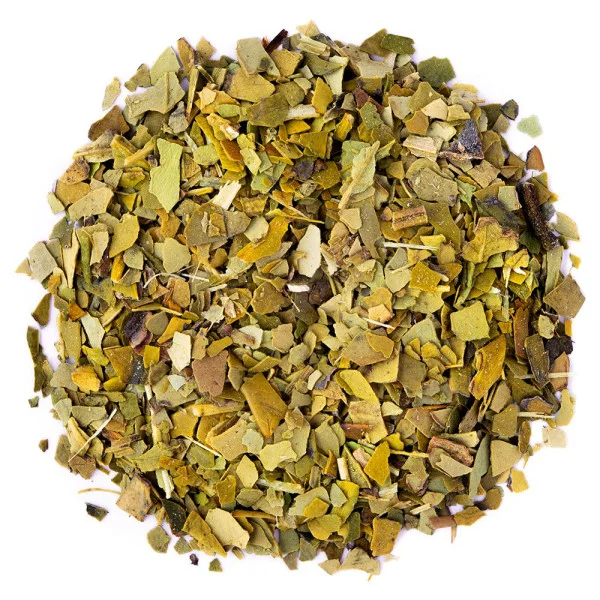
Organic Green Mate

Discover organic green mate: a beverage with surprising...

(9 reviews)
€6.50 | 100g Tea Bag

Discover our detox teas & herbal teas

Herbal infusions with draining plants, ideal for your seasonal wellness programs.

Discover
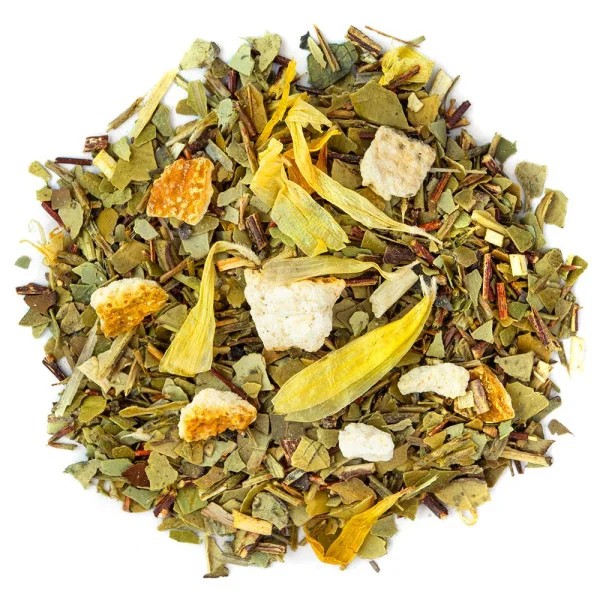
Organic Blood Orange

Invigorating and refreshing Mate with a delicious blood orange...

(4 reviews)
€8.90 | 100g Tea Bag
Organic Stimulating Mate

Energising Mate with multiple invigorating ingredients

(2 reviews)
€8.90 | 100g Tea Bag
Pomegranate Redcurrant

Mate with red berries: energy and smoothness in every sip!

(2 reviews)
€9.90 | 100g Tea Bag
Organic LOVE PICK Fruity Boost

Energizing Green Matcha : matcha, guarana, ginger, lemon,...

(4 reviews)
€9.90 | 100g Tea Bag
Filter
ORGANIC / CONVENTIONAL
MAIN TASTE
COLOUR OF TEA
Price

Yerba Mate: A Traditional, Energising Drink

What if the secret to Argentina's energy has been in a gourd all along? Yerba Mate, the iconic drink of South America, is far more than an herbal infusion. A true elixir, it is celebrated for its stimulating properties and natural benefits. Made from the leaves of the yerba plant, a member of the holly family, it offers a powerful, natural alternative to coffee. Prepared the traditional way, in a gourd with a bombilla, it is a social ritual unlike any other.

Yerba Mate: What exactly is it?

The term yerba mate (sometimes written yerba maté) refers to the dried blend of leaves and stems of Ilex paraguariensis. "Yerba" comes from the Spanish for "herb," while "mate" derives from the Quechua word "matí," meaning gourd. Cherished for centuries by the Guaraní people, it is now enjoyed throughout South America, from the bustling cities of Argentina to the mountain regions of Chile. An evergreen plant in the holly family, Ilex paraguariensis can grow up to 15 metres tall in the wild, though it is typically pruned into a shrub to make harvesting easier.

Yerba Mate Sin Palo vs. Con Palo: What's the Difference?

Yerba mate comes in several styles, depending on whether the stems (palo in Spanish) are included:

  • Sin palo (without stems): leaves only. A more pronounced flavour with a distinct bitterness. The choice of traditional enthusiasts.
  • Con palo (with stems): leaves and stems combined. Smoother and more approachable. Ideal for beginners or younger drinkers.
  • Compuesta: yerba mate blended with aromatic herbs such as mint, lemon, or peperina.
  • Sabores naranja, menta: yerba mate flavoured with orange or mint.

The proportion of stems directly shapes the flavour: more stems (con palo) means a gentler taste, while fewer stems (sin palo) brings greater intensity and a more noticeable bitterness.

Organic Loose-Leaf Yerba Mate: Our Selection

Our shop carries several organic loose-leaf yerba mate options, all certified organic:

  • Pure Green Yerba Mate (sin palo)
  • Blood Orange Mate (naturally flavored)
  • Pomegranate & Redcurrant Mate (fruity blend)
  • Fruity Boost Mate (energizing morning pick-me-up)
  • Stimulating Mate (high mateine content)
  • Mangoyava Mate (mango and papaya, tropical)

Each product has its own page with a full description. Free shipping within mainland France on orders over €49. Secure payment via Stripe and PayPal.

Yerba Mate: The Energizing Elixir of the Andes

Step into the captivating world of yerba mate, a centuries-old drink that crosses every border. Born in the lush foothills of South America, mate is far more than an herbal infusion - it is a living cultural tradition.

Drawn from the leaves of Ilex paraguariensis, this "green gold" of the Andes has shaped the identity of entire nations. From Argentine gauchos to footballers like Antoine Griezmann, mate is woven into daily life in a way few drinks can claim.

Growing Yerba Mate

Cultivating yerba mate is a craft that calls for patience and expertise. It is grown primarily in southern Brazil, Argentina, Paraguay, and Uruguay, where the climate is perfectly suited to Ilex paraguariensis.

Harvesting and Production

The harvest, known as "sol a sol" (sunrise to sunset), is a meticulous process. Leaves are picked by hand or with specialized scissors. The production steps are as follows:

  1. Harvesting the green leaves
  2. Rapid blanching to halt oxidation
  3. Wood-fire drying for traditional mate
  4. Aging for certain varieties
  5. Grinding and packaging

The Difference Between Mate and Green Mate

Traditional mate undergoes an aging process and is sometimes smoked, developing woody, earthy notes. Green mate, much like green tea, is dried quickly after harvest, preserving its freshness and antioxidant properties. This difference in processing shapes not only the flavor of each variety, but also its character in the cup.

The different types of maté

The world of maté is as varied as it is fascinating. In Brazil, chimarrão is the local version of traditional maté, prepared in a cuia with a bomba. In Argentina, mate amargo (unsweetened) is the norm. In Uruguay, it is enjoyed hotter. In Chile and Paraguay, local variations coexist.

Accessories: gourd, bombilla, cuia

The traditional gourd (cuia) is the soul of the ritual. Choose a natural, well-dried calabash gourd, or opt for a modern version in ceramic, glass or metal. The bombilla is the filtering straw: typically made of stainless steel (the most durable option), sometimes silver or bamboo. Browse our maté accessories, gourd guide and bombilla guide.

What does maté taste like?

Maté has a truly distinctive flavour profile. Pronounced herbaceous, slightly bitter, evoking the wide open spaces of the South American pampas. Depending on the variety: earthy, smoky or subtly sweet notes. Bitterness varies with the palo ratio, and texture shifts with the grind.

Maté and sport

Maté is the well-kept secret of many high-performance athletes. Its unique blend of nutrients makes it a natural ally for optimising physical and mental performance. Mateine delivers a sustained energy boost without the side effects of coffee, while its antioxidants support faster muscle recovery.

Tea vs. Maté: differences and how to choose

While tea and maté share many benefits, each has its own character. Maté stands out for its theobromine content, offering a gentler, longer-lasting lift than the caffeine in tea. Black tea vs. maté: if you are looking for an energising drink to power your mornings, traditional maté holds its own against even the boldest black tea.

Your questions about organic maté

Is maté gluten-free?
Yerba mate is naturally gluten-free. All our products are gluten-free.

Maté and cancer risk: fact or fiction?
Some studies have suggested an increased risk of mouth cancers among people who drink maté at very high temperatures (above 70°C). To avoid this, always prepare your maté at 70–80°C maximum, never at a full boil.

How many cups of maté a day?
Two to four cups is plenty. Beyond that, the diuretic effect and mateine content may become disruptive.

Maté during pregnancy?
Limit to one cup per day (moderate caffeine). Always seek advice from your doctor.

How to buy organic yerba mate online?
Our shop offers a curated selection of organic maté in loose-leaf form, certified organic, with delivery across mainland France. Each product has its own dedicated page.

The benefits of Yerba Mate

Yerba Mate is more than just an exotic alternative to tea and coffee. It is a true nutritional treasure, with wide-ranging benefits for your wellbeing. Rich in vitamins, minerals and bioactive compounds, this South American infusion shares many of the same qualities as tea.

  • Natural energy boost thanks to mateine (a form of caffeine)
  • Cognitive support: concentration, memory, mental clarity
  • Immune support: vitamin C and polyphenols
  • Digestive aid: cholagogue properties
  • Weight management support as part of an active lifestyle
  • Mild diuretic effect: helps eliminate toxins
  • Powerful antioxidants: higher levels than green tea
  • Mild headache relief associated with fatigue

Effects on the nervous system: mateine combined with theobromine provides a gentler stimulation than coffee, with no energy crash. Precautions: avoid if you have uncontrolled high blood pressure, during pregnancy, or if you are sensitive to caffeine. Consult a healthcare professional if you are taking any medication.

How to prepare Yerba Mate

How is Yerba Mate drunk?

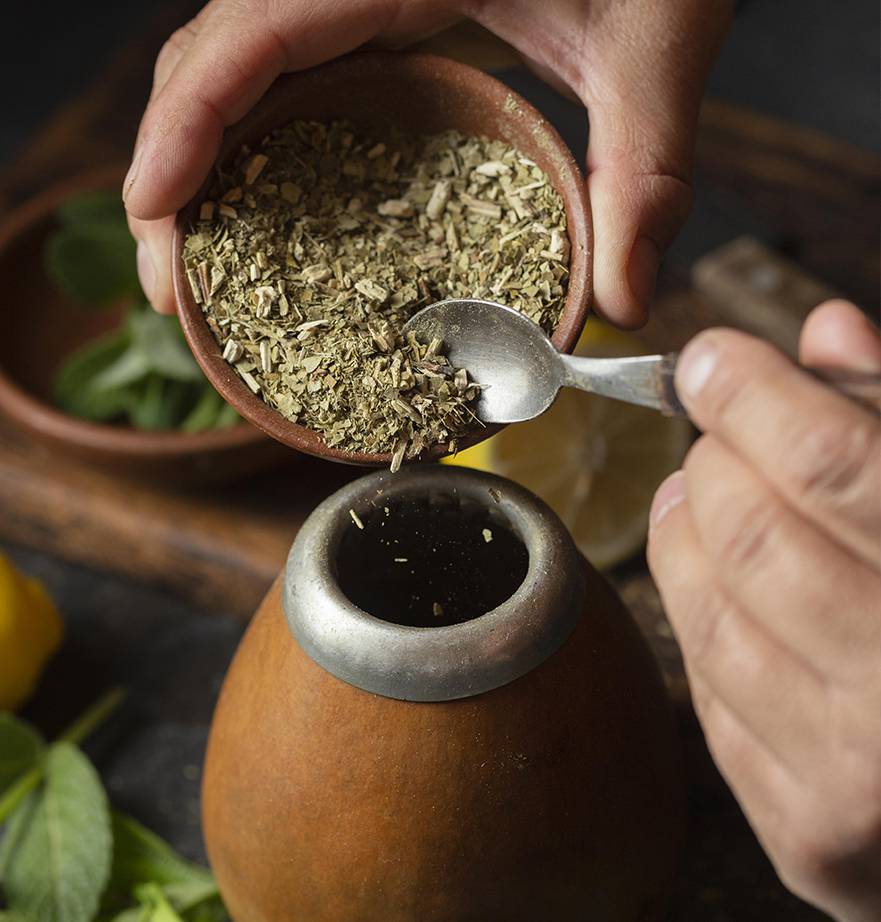
Drinking Yerba Mate is far more than a simple tasting experience. It is a social and cultural ritual. Traditionally, mate is drunk from a gourd (called a cuia in Brazil), a small hollowed and dried squash, using a bombilla, the iconic filtering straw.

  1. Fill your gourd two-thirds full with yerba mate
  2. Gently tilt the gourd so the yerba forms a slope
  3. Carefully pour in hot water (70-80°C, never boiling)
  4. Insert the bombilla into the dry side of the yerba
  5. Allow to steep briefly before sipping through the bombilla
  6. Top up with hot water regularly

Maté cocido: the Western-style preparation

For beginners, maté cocido brews yerba mate just like a classic tea: 5g of yerba per 250ml of water at 75°C, steeped for 3 to 5 minutes in a teapot or with a tea infuser. A gentler way in. For the best results, always keep the water below 80°C: hotter water will make the infusion bitter.

When to enjoy Yerba Mate?

  • Morning: a gentle wake-up and natural energy boost
  • Midday: supports digestion after a meal
  • Afternoon: a welcome pick-me-up when energy dips
  • Evening: best avoided if you are sensitive to caffeine
Our customers talk about us
Thés & Traditions © 2026