 Green Tea


Organic
 Main Note:
Bergamot
Main Note:
Bergamot
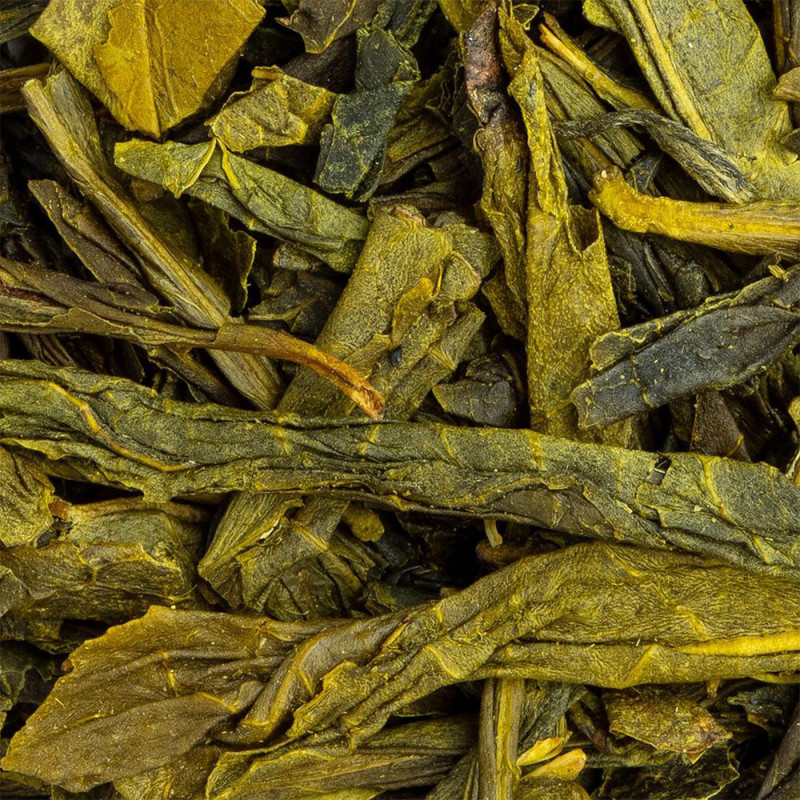
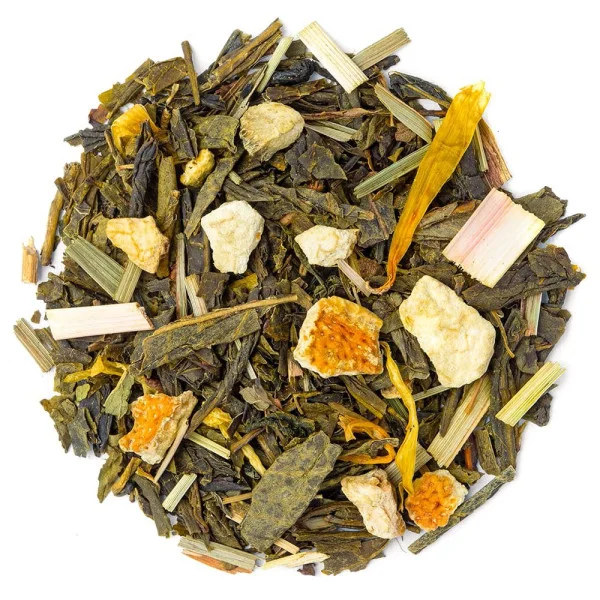
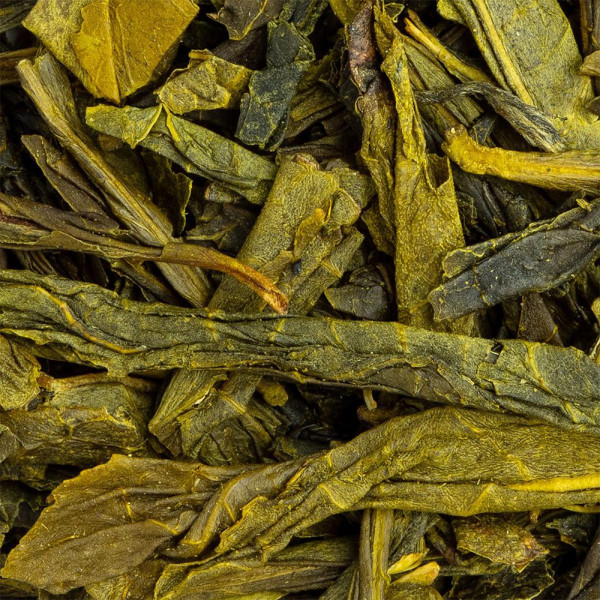
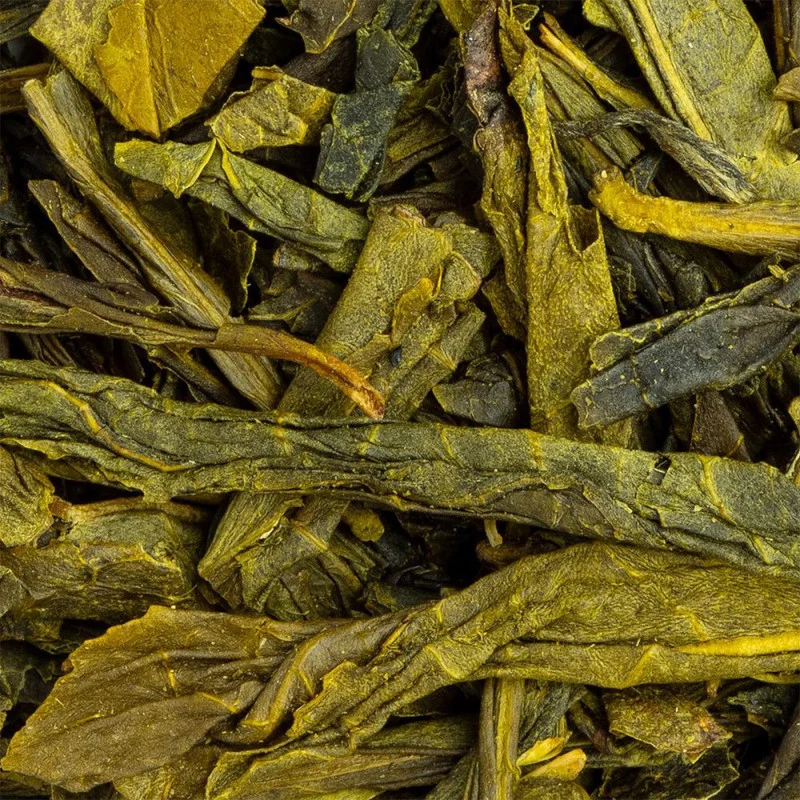
Our organic Earl Grey Sencha green tea brings together a vegetal, luminous Chinese Sencha and the natural aroma of bergamot. A fresh, refined take on the classic Earl Grey, uplifting at any time of day.
our expertise


In our workshop in Provence, each blend is handcrafted with passion by our team.
Real pieces of dried fruit, whole plants and carefully selected teas of origin.
Carefully crafted to create unforgettable tasting moments. A signature taste, an authentic experience.
In brief: Organic Chinese Sencha scented with bergamot, a green take on the classic Earl Grey. Brew 12-15 g/L at 70-80°C for 2-3 minutes for a fresh, vegetal, and invigorating cup you can enjoy at any time of day.
Picture an Earl Grey that has traded its amber glow for a bright, golden-green light. That is exactly what our organic Earl Grey Sencha green tea offers: a bold pairing of fresh Chinese Sencha and the lively citrus character of bergamot.
Where a traditional Earl Grey leans on a full-bodied black tea, this interpretation takes a lighter path. The result is a smooth, aromatic cup that wakes the senses without weighing them down, one that appeals equally to lovers of our green teas and devoted fans of the great citrus classic.
This creation from our house reflects our love of happy pairings: a vegetal Sencha from China, a carefully chosen natural bergamot aroma, and the blending expertise that defines our signature style. Explore our selection of fine green teas to continue the journey.
The moment you open the tin, bergamot leaps forward, bright and sun-kissed. This Mediterranean citrus releases its characteristic hesperidic notes: zest, a whisper of orange blossom, a touch of noble bitterness that hints at a tea with real character.
Up front, bergamot takes the lead with its lively, slightly tart freshness. It conjures sunlit gardens, citrus zest grated over a dessert, that unmistakable scent that has made Earl Grey famous the world over.
At the heart, the Chinese Sencha unfolds its vegetal character. Notes of freshly cut grass, a gentle minerality, a subtle iodine trace: the green tea leaf brings a grounding, thirst-quenching structure that balances the exuberance of the citrus.
On the finish, a quiet roundness settles in. The Sencha leaves a soft, almost sweet aftertaste, with no marked bitterness when the brew is handled with care. Bergamot lingers a little longer, like a fragrant memory that extends the pleasure of each sip.
The liquor pours a lovely yellow-green, clear and luminous, a world away from the deep copper of a black Earl Grey. That visual lightness is a true preview of what is in the cup: delicate, lively, never astringent when the brewing parameters are respected.
This aromatic profile makes it a wonderfully versatile drink. It suits breakfast as well as an afternoon pause, and lends itself beautifully to cold brewing in summer. For other vegetal profiles, take a look at our Tiaoxu green tea, with its woodier notes.
Getting this infusion right requires little equipment but a little attention. Sencha leaves are delicate: boiling water would scorch them, draw out an unpleasant bitterness, and mask the bergamot. The golden rule: gentleness and precision.
Dosage. Use 12 to 15 grams per litre of water, roughly one heaped teaspoon for a 200 ml cup. Adjust to taste: 12 g for a lighter cup, 15 g for a more generous expression of bergamot.
Temperature. Aim for 70 to 80°C. If you do not have a temperature-controlled kettle, bring the water to a boil then let it cool for 3 to 4 minutes before pouring it over the leaves. Water that is too hot will flatten the delicacy of this tea.
Steeping time. Allow 2 to 3 minutes. Two minutes for a fresh, citrus-forward cup; three minutes for more vegetal body. Beyond that, the Sencha risks turning astringent.
Water. Choose a soft, low-mineral water. A gentle spring water will lift the natural bergamot aromas and the finesse of the Sencha. Hard water, by contrast, will cloud the liquor and mute the aromatic nuances.
The leaves hold up well to a second infusion. Use them again within a few minutes, with slightly hotter water and a little more time. The second cup reveals a different profile, more vegetal, where bergamot steps back and the Sencha itself comes forward.
For a cold brew, steep 15 g of leaves in one litre of cold water and place in the refrigerator for 4 to 6 hours, then strain. The result is remarkably refreshing, perfect for warm days. Try our Earl Grey Sencha green tea cold-brewed for a pure, thirst-quenching aromatic experience.
Keep your tin away from light, heat, and humidity, in an opaque, airtight container. Avoid the refrigerator, which is no friend to scented leaves: they readily absorb surrounding odours. Keep your tea well away from spices, coffee, and any other aromatic products.
Packaged in our workshop, this organic green tea retains its full aromatic freshness for several months when properly stored. For the best experience, enjoy it within 12 to 18 months of opening, while the bergamot, more volatile than the Sencha's own notes, is still at its most vivid.
This green interpretation joins our range of Earl Grey teas, worth exploring to compare the different bases.
What is the difference between Earl Grey and Sencha Earl Grey?
Traditional Earl Grey is a black tea scented with bergamot, amber in colour and full-bodied in taste. Sencha Earl Grey uses a Sencha green tea as its base: the liquor becomes golden-yellow, lighter, more vegetal, and the bergamot expresses itself against a fresh backdrop rather than the tannic roundness of black tea.
How do you brew Earl Grey Sencha?
Use 12 to 15 g per litre of soft water heated to 70-80°C. Pour over the leaves and steep for 2 to 3 minutes. Strain, then enjoy plain or with a touch of sweetener. A second infusion is possible with slightly hotter water.
What are the sensory characteristics of Earl Grey Sencha?
This scented green tea delivers a fresh, luminous cup. Bright bergamot notes lead, followed by a vegetal, mineral heart from the Chinese Sencha, and a soft, lightly sweet finish with no marked astringency when the brew is handled correctly.
Where can I buy organic Earl Grey Sencha?
You will find it directly from Thés & Traditions, in our organic green tea selection. Our recipe is simple and transparent: Chinese Sencha from organic farming and natural bergamot aroma, with no unnecessary additives.
Can it be enjoyed iced?
Absolutely. Cold-brew with 15 g of leaves per litre of cold water, leave to rest in the refrigerator for 4 to 6 hours, then strain. The result is refreshing, naturally aromatic, and free of bitterness. To explore other green profiles, take a look at our Jingpo green tea.
A fan of bergamot? Our Russian Earl Grey offers a black-tea version, round and warming.


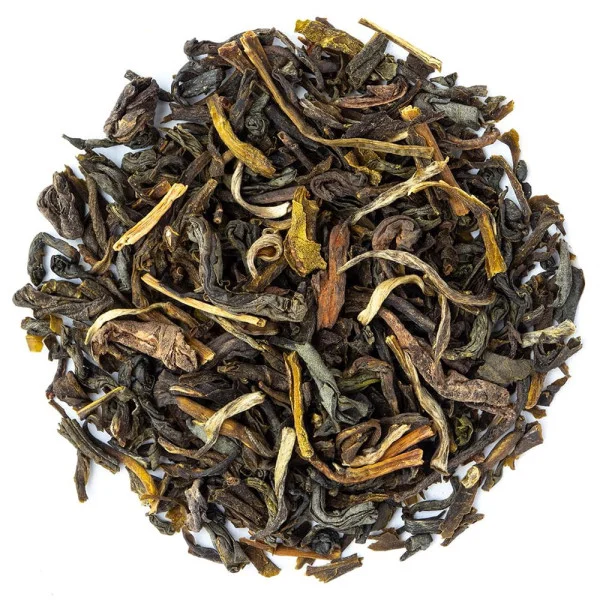
Rare jasmine tea with delicate, savory notes and a golden yellow hue


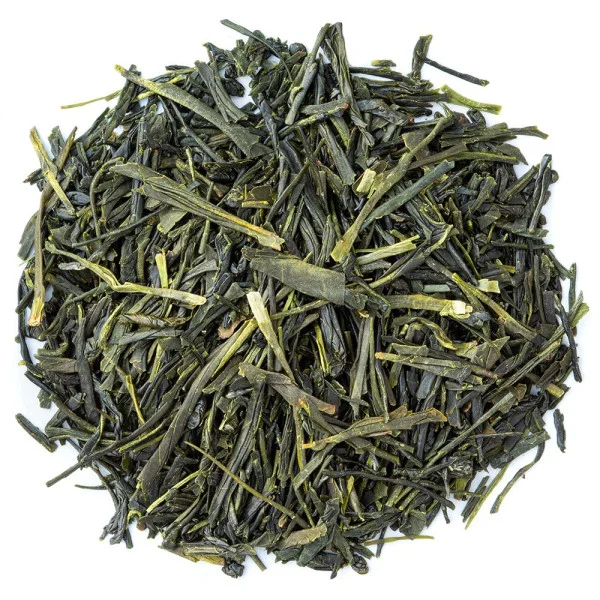
Cultivated in Japan in the city of Kagoshima on the island of Kyūshū
French House
Independent since 2016.
Fast delivery
Home delivery or click & collect.
Made with heart
In the south of France.
Customer service
A real voice at the end of the line,
Monday to Friday: 04 22 91 35 75.
Sharing, passing it on: our teas, our tips, the occasional unexpected idea, and little attentions just for you. Pure pleasure, ready to steep.