 Grand Cru & Rare Teas


Organic
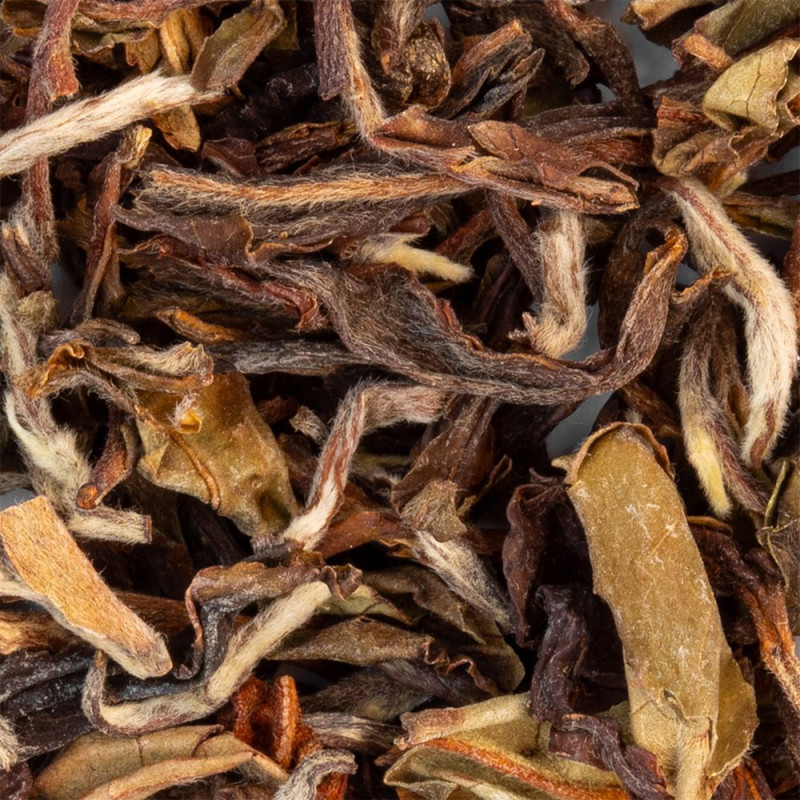
Snow Dragon 1st Grade
Chinese white tea made exclusively from buds
 Main Note:
Pure
Main Note:
Pure
Our Darjeeling SFTGFOP1 Phuguri 1st Flush organic black tea comes from an exceptional spring harvest in India. Sourced from the Phuguri garden, this grand cru graded SFTGFOP1 yields a golden yellow cup with floral notes and the signature muscatel freshness of a true first flush Darjeeling.
our expertise


In our workshop in Provence, each blend is handcrafted with passion by our team.
Real pieces of dried fruit, whole plants and carefully selected teas of origin.
Carefully crafted to create unforgettable tasting moments. A signature taste, an authentic experience.
At a glance: Organic Darjeeling Phuguri first flush, grade SFTGFOP1, spring harvest. Floral notes, muscatel freshness. Steep 2 to 4 min at 212°F (100°C), 13 g/L.
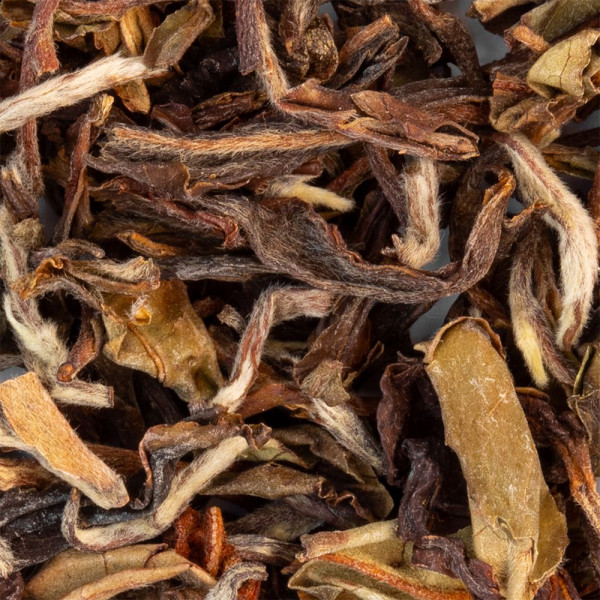
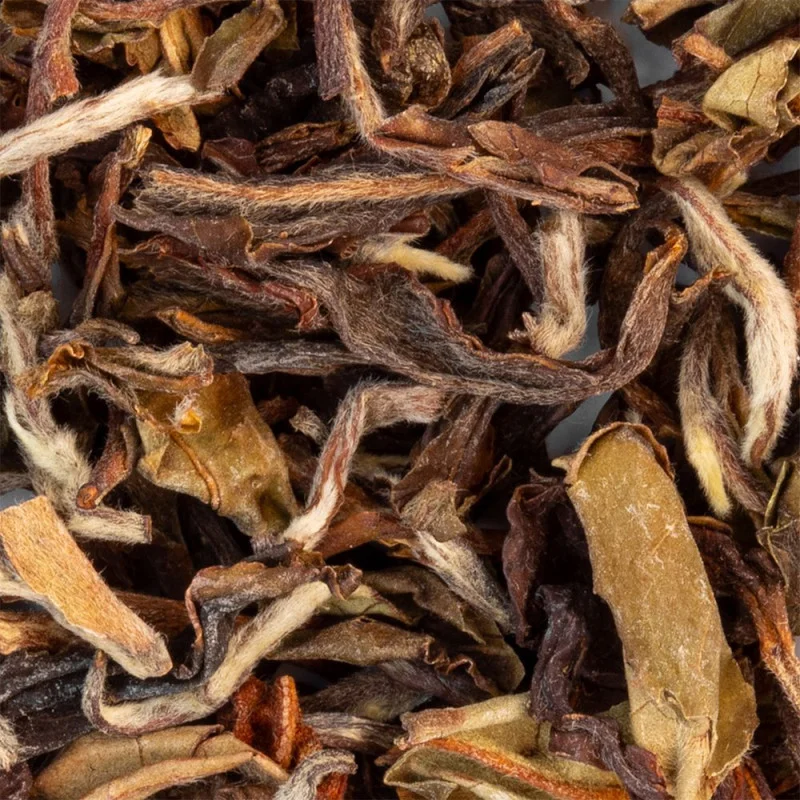
Darjeeling Phuguri is one of the finest hidden gems of the Himalayan foothills in India. Each spring, this high-altitude garden yields a precious harvest of slender, twisted leaves dotted with pale, silvery tips.
The SFTGFOP1 grade (Super Fine Tippy Golden Flowery Orange Pekoe 1) represents the pinnacle of Darjeeling classification: whole leaf, rich in golden tips, hand-sorted. Julien Huot selected this lot for its rare balance between floral brightness and muscatel depth. Explore our exceptional teas, alongside the Yin Zhen (Silver Needle) and our Lung Ching Superior range.
The infusion yields a golden-yellow liquor, luminous and almost sunlit. On the nose, delicate floral notes are lifted by the fresh, vegetal character so typical of first flush teas, a hallmark of early-season Darjeeling harvests.
On the palate, the experience unfolds in three movements: a lively, floral entry, a delicate muscatel heart evoking fresh grape, then a long, lightly astringent finish that leaves a subtly sparkling sensation. Pure and unblended, this tea expresses the full character of its single garden origin, lot after lot.
Savour this grand cru mindfully, or discover our Java Halimun Jade oolong to continue your journey through rare teas.
Preparation is everything with a tea of this calibre. Use 13 g of leaves per litre of water (roughly 2 teaspoons for a 300 ml teapot), water at 212°F (100°C) with low mineral content, and steep for 2 to 4 minutes.
Taste at 2 minutes, then adjust to your preference: a shorter steep brings out the floral freshness, while a longer one deepens the muscatel roundness and the body of the cup. A porcelain teapot or a gaiwan works beautifully, preserving the delicacy of the whole leaves and allowing their full aromatic expression to unfold.
This tea is best enjoyed in the morning, plain, without milk or sugar, so nothing veils its subtle aromas. It pairs beautifully with a lightly sweetened pastry, fresh fruit, or a quiet moment to yourself.
Store the leaves in an airtight, opaque tin, away from light, heat and strong odours. Best enjoyed within twelve months to fully appreciate the aromatic vibrancy of this spring harvest. For a warming moment during the colder months, you can also explore winter rituals and their comforting traditions.
What is Darjeeling Phuguri?
It is a fine black tea grown on the Phuguri garden in the Darjeeling region of India. The SFTGFOP1 grade denotes the highest quality of whole-leaf tea, rich in golden tips from the spring buds.
How do I brew Darjeeling Phuguri?
Use 13 g of leaves per litre of water at 212°F (100°C), and steep for 2 to 4 minutes depending on the strength you prefer. Drink it plain, without milk or sugar, to preserve every nuance of its aroma.
What does Darjeeling Phuguri taste like?
The cup reveals elegant floral notes, a muscatel freshness evoking fresh grape, and a lightly astringent finish characteristic of high-altitude spring harvests.
Where does Darjeeling Phuguri come from?
This tea comes from the Phuguri garden, located in the Darjeeling region in north-east India, on the Himalayan foothills renowned for their high-altitude teas.

Chinese white tea made exclusively from buds

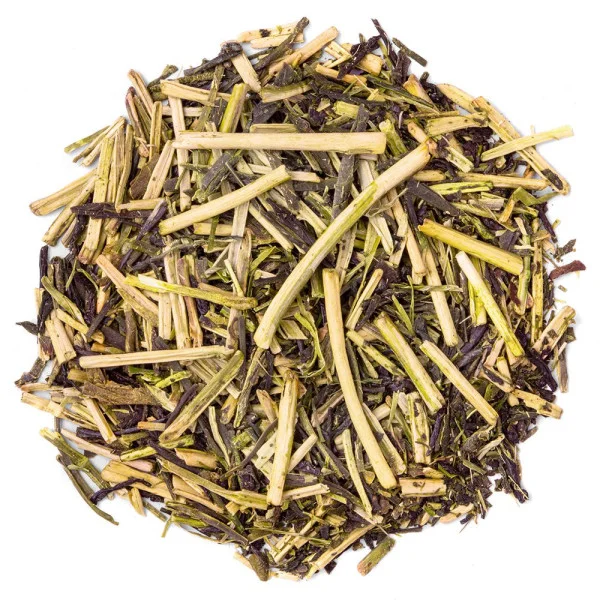
Exceptional Kukicha made from leaves and stems

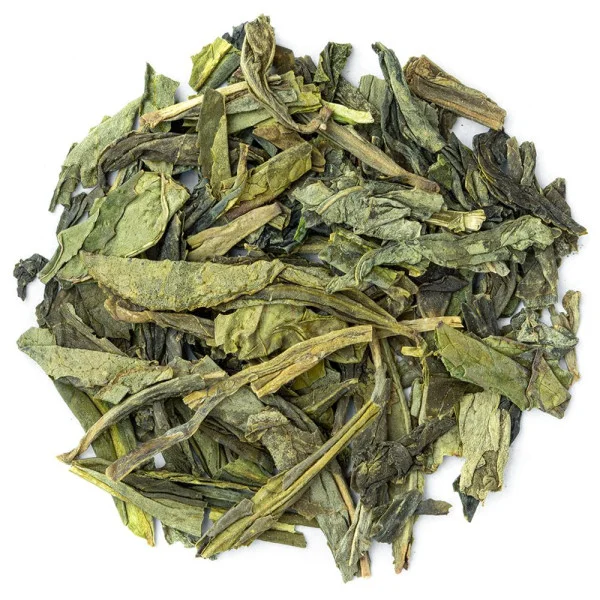
Rare green tea with fruity, sweet and delicately tart flavors

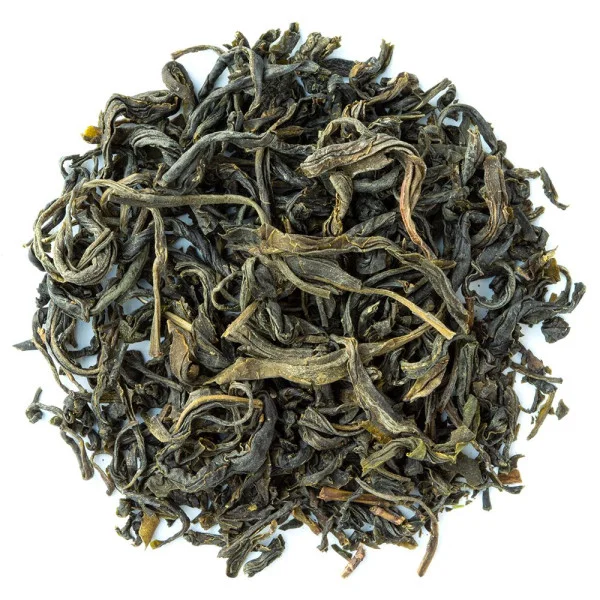
Rare green tea from Zhejiang region in China
French House
Independent since 2016.
Fast delivery
Home delivery or click & collect.
Made with heart
In the south of France.
Customer service
A real voice at the end of the line,
Monday to Friday: 04 22 91 35 75.
Sharing, passing it on: our teas, our tips, the occasional unexpected idea, and little attentions just for you. Pure pleasure, ready to steep.