Chamomile Benefits: Properties, Uses & Precautions

In brief: German chamomile (Matricaria recutita) is listed in the EMA monograph with well-established use for digestive complaints and mild inflammation of the mouth and throat, and traditional use for mild stress. Use 1 teaspoon of dried flowers per 250 ml cup, steep for 10 minutes at 95 °C, 2 to 3 cups a day.
Like linden, verbena or orange blossom, chamomile herbal infusion, and especially Roman chamomile, has long been a favourite at the end of the day. This organic loose-leaf herbal blend fits naturally into a ritual of relaxation and comfort. The brewed flowers are a welcome companion during any quiet moment.
To enjoy these flowers, all you need is a teapot, a little hot water and a teaspoon of dried flowers. Thanks to tea bags available in herbalists, you can brew directly in your cup.
Chamomile is widely enjoyed as an infusion. Honey and Roman chamomile essential oil also feature in traditional uses.
Looking for the flower itself? Our loose-leaf chamomile flowers can be brewed on their own or as part of an evening blend.
What are the health benefits of chamomile infusion?
Chamomile belongs to the Asteraceae family. Herbal medicine makes primary use of the dried flowers to craft plant-based infusions with remarkable properties.
How is chamomile used in herbal medicine?
From a botanical perspective, two varieties are traditionally appreciated:
- Roman chamomile, also known as common chamomile,
- German chamomile, also known as matricaria.
Both varieties yield the ingredients needed to make chamomile oil, essential oil and dried flower infusions. The leaves of the plant have no medicinal use, though they are occasionally used as a herb in cooking.
Bees are particularly drawn to these flowers, producing a honey with softening properties. It can be applied to the skin or used as a hair mask to soothe a dry scalp.
What properties are attributed to these plants?
Chamomile is said to offer a range of benefits:
- supports restful sleep,
- accompanies moments of relaxation,
- fits beautifully into a comforting pause,
- complements wellness rituals through the seasons,
- offers a brightening effect on the skin.
A concentrated organic Roman chamomile infusion can be used to revive blonde highlights in hair. The brew should be strong for a noticeable lightening effect, and combining it with honey intensifies the result.
Gentler in character, Roman chamomile also produces a delicate organic hydrosol, long appreciated for its comfort in use.
German chamomile is also valued in essential oil form.
For your evenings : our organic loose-leaf chamomile — whole flowers, organically grown, gentle and caffeine-free.
How to get the most from your chamomile infusion
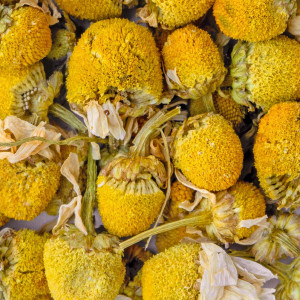 Chamomile€5.90
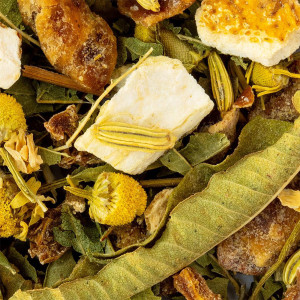 Chamomile Verbena Herbal Infusion€10.40
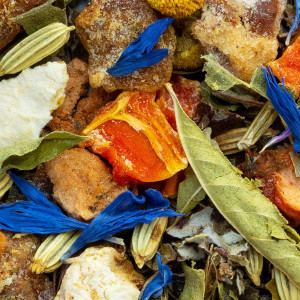 Herbal Sleep Blend€10.50
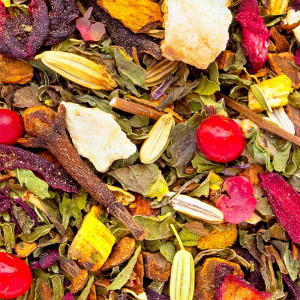 Inner Peace Herbal Infusion€8.10
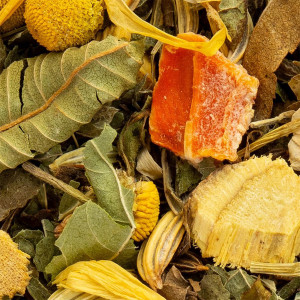 Digestive Herbal Infusion€9.50
Cherished for its gentle character, the chamomile flower is one of the most beloved plants among herbal infusion enthusiasts. Here is how to prepare a quality chamomile infusion in just a few minutes.
How to brew your chamomile infusion
An organic tea bag is the simplest way to enjoy a cup of chamomile. Add hot water, allow it to steep, and your drink is ready.
Some purists prefer to steep whole flowers in a teapot, which takes a few extra minutes but produces a fuller, more concentrated infusion.
Which plants pair well with chamomile?
For a restful night, Roman chamomile infusion works in harmony with verbena, orange blossom or linden. Herbalists also recommend cutting back on coffee and spices in the second half of the day.
Paired with common verbena leaves and yarrow, chamomile makes a soothing blend to accompany feminine wellness rituals. Steep everything together in the teapot for a greater synergy.
For gentler digestion, add a spoonful of fennel seeds to your chamomile teapot. The infusion takes on a lovely anise fragrance. Artichoke and oat make a perfect complement to this pairing.
The active compounds in chamomile
Behind the gentle warmth of a chamomile infusion lies a remarkable concentration of active molecules. Dried flowers contain, in particular:
- Apigenin, a flavonoid that binds to GABA receptors in the nervous system and contributes to the relaxing effect felt after a cup.
- Bisabolol and chamazulene, two compounds derived from the essential oil, recognised for their soothing properties on the skin and mucous membranes.
- Other antioxidant flavonoids (luteolin, quercetin) that help protect against free radicals.
- Sesquiterpenes and coumarins that round out the plant's aromatic profile.
This biochemical signature explains why chamomile, whether matricaria chamomilla (German chamomile) or chamaemelum nobile (Roman chamomile), has been treasured since antiquity across herbal traditions. The Asteraceae family, to which this herbaceous plant belongs, also includes several iconic plants from the herbalist's garden.
The properties attributed to chamomile
Several studies published in scientific journals have explored the benefits of chamomile. Here is an overview of the best-documented effects, for those who make it part of a regular routine.
Chamomile and sleep
The flower is one of the most appreciated plants for easing the transition to sleep. Studies have explored the link between regular chamomile consumption and perceived sleep quality. Its gentle nature, rooted in the apigenin it contains, makes it a comforting evening drink. A warm cup before bed, as part of a regular relaxation ritual, invites a moment of calm that prepares the body for rest. For many, matricaria is one of the softest evening rituals there is.
Chamomile and relaxation
Chamomile has traditionally been valued for accompanying everyday moments of relaxation. It is loved for the soothing pause it offers, especially when savoured as a generous infusion woven into a regular ritual. It brings gentle calm without daytime drowsiness.
Chamomile, skin and mucous membranes
Chamomile is traditionally appreciated both in topical application and as an infusion. Bisabolol and chamazulene, present in its flowers, are among its most characteristic compounds, prized for their exceptional gentleness.
Chamomile and the digestive system
Chamomile is a time-honoured plant, often enjoyed after a meal. Appreciated for its mildness, it accompanies post-meal moments as a warm, comforting infusion.
It is traditionally associated with the following moments:
- the end of a generous meal,
- an indulgent break you want to linger over,
- moments when a warm, comforting drink is just what you need,
- winter evenings made for cocooning,
- a quiet pause after dinner,
- wellness breaks, alongside good hydration.
Chamomile is also appreciated for the antioxidant flavonoids naturally present in its flowers.
For a digestive infusion, a teaspoon of dried flowers steeped in 250 ml of boiling water for 10 minutes is enough to release its beneficial compounds. Drinking it after a meal, without added sugar, makes the most of the effect.
Chamomile and skin: cosmetic uses
Chamomile does far more than soothe the nervous system. Applied externally, it offers a wide range of valuable cosmetic uses for the skin, hair and sensitive mucous membranes.
Chamomile hydrosol, obtained by distilling the flowers, is highly prized for calming skin irritations, redness and reactive skin. It can be used as a compress, a refreshing spray or a morning toner. For fair hair, a concentrated infusion applied as a final rinse revives blonde highlights and soothes a sensitive scalp.
Perhaps more surprisingly, a chamomile sitz bath is part of traditional uses long appreciated for their great gentleness. Cool compresses soaked in chamomile infusion are also a popular way to refresh tired eyes at the end of the day.
Noble chamomile, feverfew, wild chamomile: knowing the varieties
The word "chamomile" actually refers to several related plants, sometimes confused but with quite distinct uses.
- German chamomile (matricaria recutita or matricaria): the gentlest, ideal for an everyday infusion. This is the matricaria we offer in loose-leaf form.
- Roman chamomile or noble chamomile (chamaemelum nobile): more bitter, traditionally used for digestion in herbal medicine.
- Feverfew (tanacetum parthenium), also known as bachelor's button: mainly used as a standardised extract in food supplements.
- Wild chamomile: a hardy, rustic variant found in meadows, occasionally used locally as an infusion.
For a gentle everyday use, the matricaria chamomile infusion remains the benchmark. For a more targeted digestive effect, the noble variety is the one to reach for. Feverfew is more the domain of capsule-based supplements. And a word on chamomile extract: it appears in a wide range of cosmetic preparations appreciated for their softness.
Inhalation and other uses
Beyond the evening cup, matricaria finds a place in several small daily rituals. In inhalation, its fragrant steam makes for a pleasing wellness moment. A handful of dried flowers in a bowl of boiling water, a towel over your head, and you can enjoy its soothing vapours for five to ten minutes.
Diluted in a carrier oil such as jojoba or sweet almond, noble chamomile essential oil is appreciated for its gentleness on the skin. Mixed with a few drops of peppermint essential oil, it works wonderfully as a relaxing temple massage at the end of the day. A concentrated infusion, cooled and applied as a compress, can also bring relief to tired eyelids in the evening. In short, this plant has far more to offer than the simple bedtime tea bag, and every method of use honours its naturally gentle character.
Precautions and contraindications
Although chamomile is a very well-tolerated plant, a few precautions are worth keeping in mind before making chamomile infusion part of a daily ritual.
- Asteraceae allergy: people sensitive to ragweed, daisies or chrysanthemums may react to chamomile.
- Pregnancy: it is advisable to consult a healthcare professional before regular consumption, especially during the first trimester.
- Drug interactions: chamomile may potentiate certain anticoagulants. If you are on any medication, seek your doctor's advice.
- Young children: a paediatric opinion is preferable before giving any infusion regularly to infants.
These precautions should not cause concern. For the vast majority of healthy adults, one to three cups of organic chamomile a day is a safe, soothing and genuinely comforting habit.
Frequently asked questions about chamomile infusion
The ideal moment depends on the effect you are looking for. To support sleep, a cup thirty to sixty minutes before bed is recommended. After a meal, drink it straight away. For a calming effect during the day, two mindful tea breaks are enough to ease the mind.
German chamomile (matricaria) has a soft, lightly honeyed flavour, ideal for an everyday infusion. Roman chamomile has a more bitter, concentrated taste, traditionally favoured in herbal medicine for its more pronounced character. Both share most of the same benefits, so the choice ultimately comes down to personal taste.
One to three cups a day is a comfortable amount for an adult. Beyond that, a mild diuretic effect may be felt, and it is best to space out your cups.
At usual amounts, chamomile is very well tolerated. The rare adverse effects concern people with Asteraceae allergies and mild drowsiness in sensitive individuals. If in doubt, it is best to consult a healthcare professional.
Disclaimer: the information in this article is for educational purposes only and does not replace medical advice. Persistent complaints should be discussed with a healthcare professional. Herbal infusions are not medicines.
Sources: European Medicines Agency, Community herbal monograph on Matricaria recutita L., flos (HMPC) · ANSES, recommendations on the use of plants as infusions · WHO monograph on selected medicinal plants.
Written by
Julien Huot, founder of Thés & Traditions. Tea selector since 2016, trained in tasting and passionate about sharing the cultures of tea and herbal infusions.
Published 18 January 2019 · Updated 21 May 2026
Explore further
To deepen your soothing ritual, browse our linden guide, our verbena guide, our anti-stress herbal infusion guide or our sleep infusion guide. Ready to get started? Explore our herbal infusions.
Tempted to try it?
Our selection related to this article, loose leaf and organic.
 Cherry Cake Herbal Infusion
Cherry Cake herbal infusion, a truly indulgent cherry infusion, captures the warmth of a homemade pastry.
€6.90Discover Almond Cloud Herbal Infusion
Almond Cloud herbal infusion is a tender, indulgent almond infusion that brings together roasted almond, apple and popcorn in a…
€7.20Discover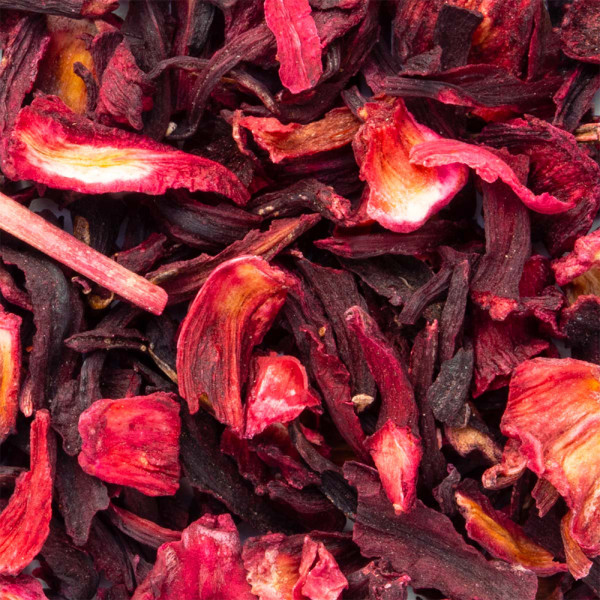 Hibiscus Flowers
Step into a swirl of deep crimson colour and captivating flavour with our hibiscus herbal infusion!
€5.90DiscoverAlso explore the guide — TISANE