Organic Cinnamon Tea: Recipe, Benefits & Dosage

In short: Ceylon cinnamon (Cinnamomum verum) is the variety to choose for regular use, as it contains very little coumarin, a compound classified by EFSA as hepatotoxic at high doses. Chinese cinnamon (cassia) contains 100 to 1,000 times more. Use 1 Ceylon cinnamon stick or 1 teaspoon of powder per 8 fl oz cup, steep for 10 minutes, and drink no more than 2 cups per day.
Cinnamon is one of the most consumed spices in the world. Known since antiquity, it appears in traditional pharmacopoeias from the Middle East to Asia. But behind its warm, inviting aroma lies a little-known fact: several species of cinnamon exist, and they are not equal when it comes to safety. This page distinguishes the varieties, outlines recognized uses, and explains why coumarin deserves your attention.
Ceylon or Chinese Cinnamon: The Essential Difference
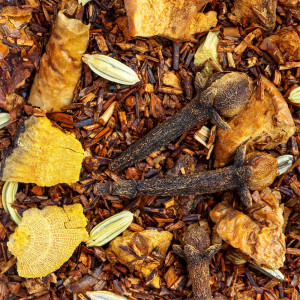 Roasted Apple & Cinnamon Rooibos€7.50
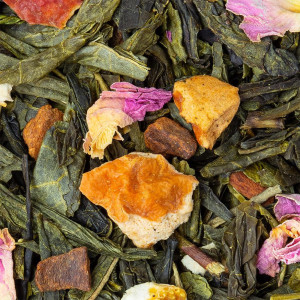 Vanilla Cinnamon Green Tea€7.90
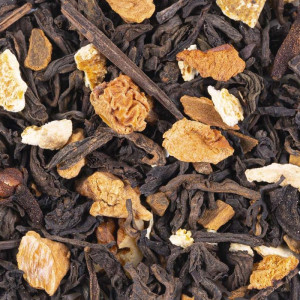 Pu Erh Cinnamon Orange€10.90
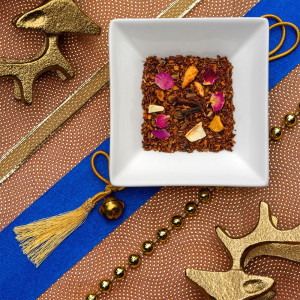 Christmas Rooibos€7.90
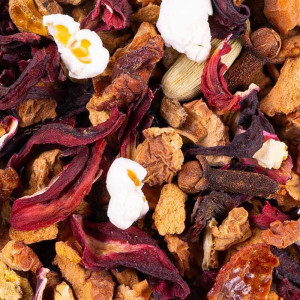 Winter Warmth Herbal Infusion€8.60
Four species of cinnamon are sold worldwide, but two dominate the European market. The difference between them is not just a matter of taste: it comes down to safety.
- Ceylon cinnamon (Cinnamomum verum or C. zeylanicum): the "true cinnamon." Native to Sri Lanka, it is recognizable by its thin, multi-layered rolled sticks and pale color. Its coumarin content is very low (around 0.004%).
- Chinese cinnamon, or cassia (Cinnamomum aromaticum, C. cassia): the most widely sold cinnamon on the market. Thick sticks, single-layered, darker in color. Stronger, slightly more peppery flavor. Its coumarin content is 100 to 1,000 times higher than Ceylon's, sometimes reaching up to 1%.
The EFSA has set a tolerable daily intake (TDI) of 0.1 mg of coumarin per kilogram of body weight. For a 154 lb (70 kg) adult, that means a maximum of 7 mg per day. Just a few teaspoons of Chinese cinnamon can exceed this limit. That is why, for regular use or as part of a wellness routine, Ceylon cinnamon is the right choice.
Another way to enjoy it: cinnamon brings its warmth to our Roasted Apple & Cinnamon Organic Rooibos, a comforting, caffeine-free blend.
Traditionally Documented Uses of Cinnamon
Cinnamon is included in the HMPC community herbal monograph published by the EMA. Ceylon cinnamon is traditionally enjoyed as an infusion, valued for its comforting and warming qualities. Here is what this spice is most commonly associated with:
- A comforting moment: warm and aromatic, cinnamon has long been a companion to the end of a meal or a quiet, indulgent pause.
- A distinctive flavor profile: its sweet, woody, and lightly spiced character makes it one of the most beloved spices, whether steeped as a tea or used in the kitchen.
- Rich in polyphenols: cinnamon ranks among the spices with the highest polyphenol content (procyanidins), naturally occurring compounds that are part of its composition.
- A sense of warmth: its enveloping, spiced aroma explains its long tradition as a winter staple.
What science does not support: cinnamon does not cause significant weight loss, does not treat viral infections, has no demonstrated aphrodisiac effect, and does not prevent Alzheimer's disease. Claims to the contrary belong to marketing, not pharmacology.
How to Brew a Good Cinnamon Herbal Tea
Cinnamon releases its aromas and active compounds slowly. It calls for a long steep in hot, but not continuously boiling, water.
- Amount: 1 Ceylon cinnamon stick (about 2 g) or 1 level teaspoon of powder per 8 fl oz (25 cl) cup.
- Water: bring to a gentle simmer (around 200°F / 95°C).
- Time: steep for 10 to 12 minutes with the cup covered. For a more pronounced flavor, you can prepare a decoction: simmer gently for 3 minutes, then leave to infuse off the heat for another 10 minutes.
- Straining: use a fine-mesh strainer if you are brewing with powder.
- Frequency: 1 to 2 cups a day for regular use with Ceylon cinnamon. If you are using cassia, limit yourself to twice a week to stay within EFSA coumarin guidelines.
Cinnamon, Lemon and Honey Recipe
A classic blend for seasonal discomfort:
- 1 Ceylon cinnamon stick in 8 fl oz (25 cl) of gently simmering water.
- Steep for 10 minutes, covered.
- Strain, then add the juice of half a lemon and 1 teaspoon of honey.
- Stir and drink warm, ideally in the late afternoon or evening.
Flavorful Pairings
Cinnamon really comes into its own when paired with other spices or botanicals:
- For a warming, indulgent moment: cinnamon + ginger + cardamom. Our ginger herbal tea guide covers these combinations in detail.
- For seasonal discomfort: cinnamon + clove + lemon. See our clove guide.
- Indian Chai recipe: black tea + cinnamon + ginger + clove + cardamom + black pepper + milk. A warming, spiced drink from the heart of the Indian subcontinent.
- Golden milk: cinnamon + turmeric + ginger + black pepper + plant-based milk. An Ayurvedic recipe.
Precautions and Contraindications
Cinnamon is generally well tolerated at normal amounts, but a few things are worth knowing:
- Coumarin and Chinese cinnamon: this is the most important point. Cassia contains enough coumarin to reach hepatotoxic thresholds with sustained daily consumption. Choose Ceylon for regular use or wellness routines.
- Pregnancy and breastfeeding: normal culinary use is fine, but avoid extended daily routines. At high doses, cinnamon may influence uterine circulation.
- Diabetes under treatment: as a precaution, mention any regular consumption to your doctor if you are on medication.
- Liver conditions: avoid cassia. Ceylon remains an option at moderate amounts.
- Anticoagulant treatment: possible potentiation; inform your healthcare provider of your consumption.
- Lauraceae allergy: rare but possible, mainly as skin reactions linked to the essential oil.
- Cinnamon essential oil: highly concentrated in cinnamaldehyde and caustic to the skin. Never apply undiluted to the skin, and never take internally without guidance from a trained professional. The ANSES has flagged the inappropriate use of essential oils containing phenols and aldehydes.
Disclaimer: the information in this article is intended for educational purposes only and does not replace medical advice. Cinnamon does not treat diabetes, infections, or any medical condition. If you have diabetes, high cholesterol, are taking medication, or have a chronic health condition, consult your doctor before incorporating cinnamon into a regular routine.
Sources: European Medicines Agency, Community herbal monograph on Cinnamomum verum (HMPC) · EFSA, Scientific Opinion on coumarin in food (2008, TDI 0.1 mg/kg/day) · Allen R.W. et al., Journal of Medicinal Food on cinnamon and blood glucose (PMID:22139633) · BfR (German Federal Institute for Risk Assessment), opinion on coumarin in cinnamon · ANSES, recommendations on essential oils.
Written by
Julien Huot, founder of Thés & Traditions. Tea selector since 2016, trained in tasting, and passionate about sharing the cultures of tea and botanical infusions.
Published November 6, 2018 · Updated May 21, 2026
Frequently Asked Questions
- Ceylon cinnamon (Cinnamomum verum), recognizable by its thin, pale, multi-layered rolled sticks. It contains 100 to 1,000 times less coumarin than cassia (Chinese cinnamon), making it the safest option for regular consumption.
- 1 to 2 cups a day of Ceylon cinnamon for regular use. If you are using cassia, limit yourself to twice a week to stay within EFSA coumarin guidelines. For a short-term routine (5 to 7 days), 2 to 3 cups is acceptable.
- No evidence supports the claim that cinnamon tea has a meaningful effect on diabetes, and it is in no way a substitute for medical treatment. If you have diabetes and wish to consume it regularly, speak with your doctor first.
- Yes, with sustained high consumption of Chinese cinnamon (cassia), due to its coumarin content. EFSA recommends not exceeding 0.1 mg of coumarin per kilogram of body weight per day. Ceylon cinnamon, which is much lower in coumarin, does not pose this risk at usual amounts.
Go Further
To deepen your brewing rituals, explore our ginger herbal tea guide, which pairs beautifully with cinnamon, discover our clove guide for warming combinations, or browse our Ayurvedic herbal tea guide. Ready to brew? Take a look at our range of organic herbal teas.
Tempted to try it?
Our selection related to this article, loose leaf and organic.
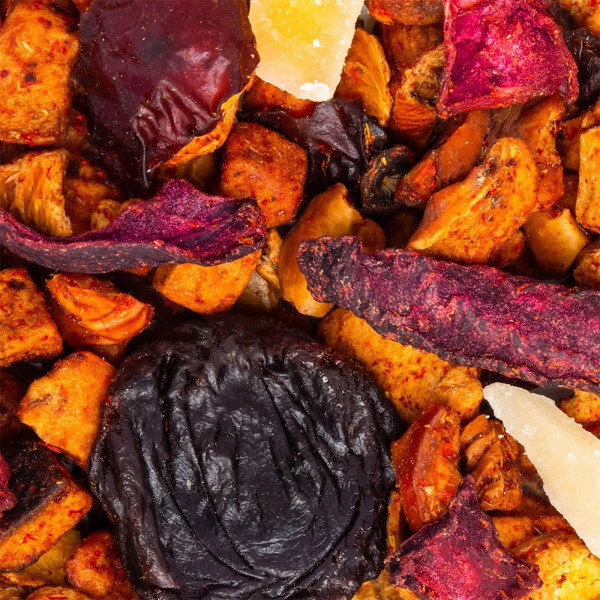
Cherry Cake Herbal Infusion
Cherry Cake herbal infusion, a truly indulgent cherry infusion, captures the warmth of a homemade pastry.
€6.90Discover
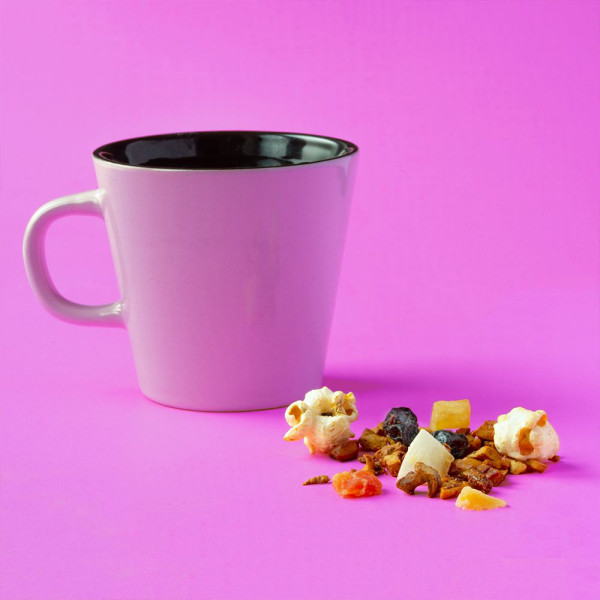
Almond Cloud Herbal Infusion
Almond Cloud herbal infusion is a tender, indulgent almond infusion that brings together roasted almond, apple and popcorn in a…
€7.20Discover
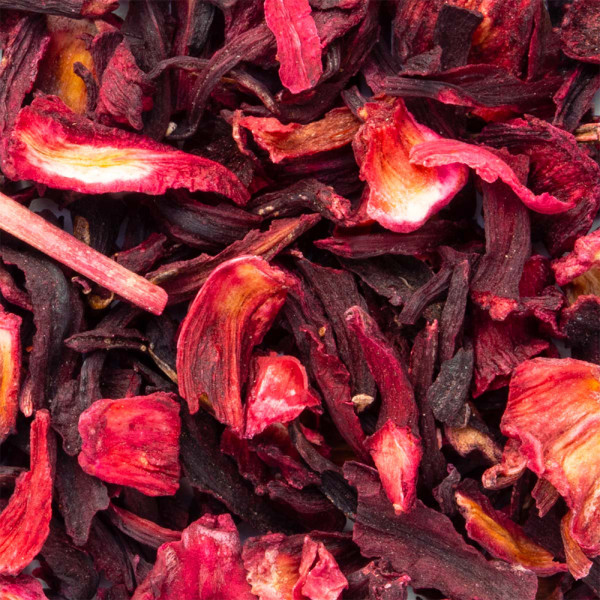
Hibiscus Flowers
Step into a swirl of deep crimson colour and captivating flavour with our hibiscus herbal infusion!
€5.90Discover