Red Berry Tea: Fruity, Caffeine-Free Herbal Infusion

In brief: Red berry herbal infusion is an indulgent, caffeine-free blend made with raspberry, strawberry, blackberry, blackcurrant, cranberry and hibiscus. Rich in anthocyanins (the antioxidant pigments found in berries), it can be enjoyed hot in winter or cold in summer. Use 1 tablespoon per 250 ml cup, steeped for 8 to 10 minutes at 95 °C.
Red berry herbal infusion is one of the most popular herbal drinks in France. Caffeine-free and naturally indulgent thanks to the bright tartness of the berries, it suits the whole family at any time of day. This page covers its typical composition, preparation tips, and a few recipe ideas to keep things interesting.
Typical composition of a red berry herbal infusion
A good red berry herbal infusion brings together several dried berries, sometimes rounded out with additional ingredients to balance the flavour:
- Hibiscus (dried flower): this is what gives the blend its deep ruby colour and bright tartness. Often the main ingredient.
- Rosehip: very high in vitamin C, it adds a gentle, fruity note.
- Blackberry, raspberry, dried strawberry: for an indulgent, colourful touch.
- Blackcurrant (dried berries and sometimes leaves): a distinctive, slightly astringent note.
- Cranberry (dried): a pleasingly tart edge. Our cranberry guide covers its specific qualities in more detail.
- Dried apple: softens the blend and helps bind the flavours together.
All these berries are rich in anthocyanins, natural pigments with antioxidant properties well documented in the scientific literature. Steeping preserves a portion of these compounds.
How to prepare a good red berry herbal infusion
- Amount: 1 tablespoon (3 g) of the blend per 250 ml cup.
- Water: bring to just below boiling (95 °C). Very hot water will not harm the flavour, but may degrade some of the vitamin C in the rosehips.
- Time: 8 to 10 minutes, with the cup covered. Dried fruit pieces need a longer steep than loose-leaf tea.
- Straining: pass through a fine sieve for a clear infusion, or leave the pieces in for a more rustic look.
- Variations: stir in a teaspoon of honey, a squeeze of lemon juice, or a few fresh mint leaves. Mint pairs especially well with berries.
The cold version: iced red berry infusion
One of the best ways to enjoy red berries, especially in summer, is a cold brew. It is also more economical, since you can prepare several litres in advance.
- 3 tablespoons of the blend in 1 litre of cold water.
- Refrigerate for 6 to 8 hours (ideally overnight).
- Strain, serve chilled over ice with a few fresh mint leaves.
- Sparkling variation: top up with sparkling water just before serving.
Pairings that bring out the best in red berries
- Red berries + Rooibos: a South African classic, caffeine-free and naturally sweet.
- Red berries + white tea: a lightly caffeinated option, ideal for mid-afternoon.
- Red berries + mint + lemon: the summery, alcohol-free cocktail version.
- Red berries + cinnamon + clove: a warming winter blend, like a mulled wine without the alcohol.
When to drink red berry herbal infusion
Red berry herbal infusion has no set moment. Caffeine-free, it suits any time of day:
- In the morning, for those who find tea or coffee on an empty stomach too harsh.
- In the afternoon, as an alternative to sugary drinks (a great swap for sodas).
- In the evening, as a soothing warm drink.
- In summer, served cold as a natural refresher.
A few things to keep in mind
Red berry herbal infusion is generally very well tolerated. A few points worth noting:
- High blood pressure: if the blend contains hibiscus, it may slightly lower blood pressure. This is beneficial for most people, but worth monitoring if you are on antihypertensive medication.
- Diabetes: a well-made dried-fruit infusion contains no added sugar (the fruit is simply dehydrated), but avoid overly sweetened, jam-like blends.
- Rosaceae allergy: rare, but possible in people who are sensitive to strawberries, raspberries or apples.
- Anticoagulant medication: berries high in vitamin K may interact with certain treatments. Mention your consumption to your doctor.
- Tooth enamel: hibiscus is acidic, much like lemon. If you drink it very frequently, consider using a straw.
Disclaimer: the information in this article is for educational purposes only. Red berry herbal infusion is a drink for pleasure and comfort, not a medicine.
Sources: Pojer E. et al., Comprehensive Reviews in Food Science and Food Safety on berry anthocyanins (PMID:22606999) · ANSES, CIQUAL nutritional composition table · EFSA, recommendations on fruits and berries.
Written by
Julien Huot, founder of Thés & Traditions. Tea selector since 2016, trained in tasting and passionate about sharing the cultures of tea and botanical infusions.
Published 8 July 2019 · Updated 21 May 2026
Frequently asked questions
- No, unless it is blended with tea. This is one of its main qualities: you can enjoy it at any time of day, including in the evening.
- Generally yes, in reasonable amounts. Avoid blends with large quantities of hibiscus during the first trimester. If in doubt, check with your midwife.
- Both. Hot for a cosy winter ritual, cold-brewed overnight for a perfect summer drink.
- 24 to 48 hours in the refrigerator in a sealed container. Beyond that, the flavour fades and the antioxidants begin to degrade.
Go further
Explore our general guide to fruit herbal infusions, our cranberry guide, our hibiscus guide, or our lemon guide. Ready to brew? Browse our organic range.
Craving something cool ? Discover our special iced tea blends and prepare your summer pitcher.
Tempted to try it?
Our selection related to this article, loose leaf and organic.
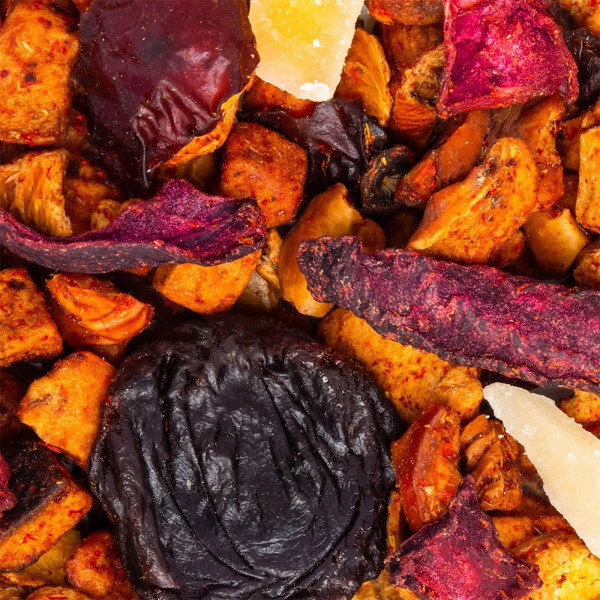
Cherry Cake Herbal Infusion
Cherry Cake herbal infusion, a truly indulgent cherry infusion, captures the warmth of a homemade pastry.
€6.90Discover
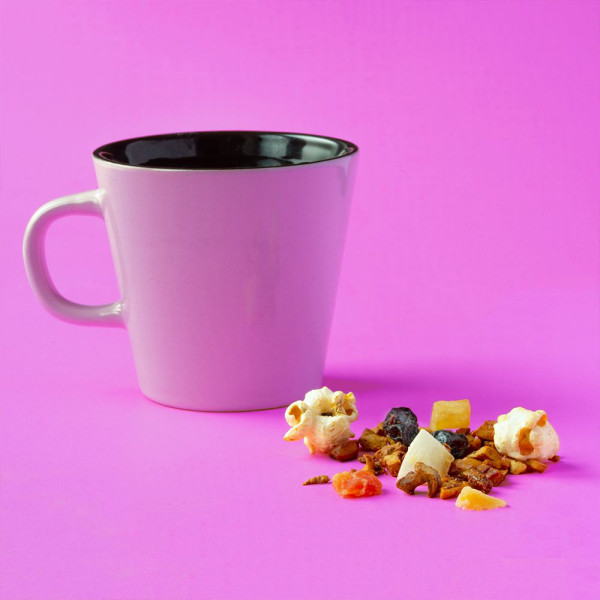
Almond Cloud Herbal Infusion
Almond Cloud herbal infusion is a tender, indulgent almond infusion that brings together roasted almond, apple and popcorn in a…
€7.20Discover
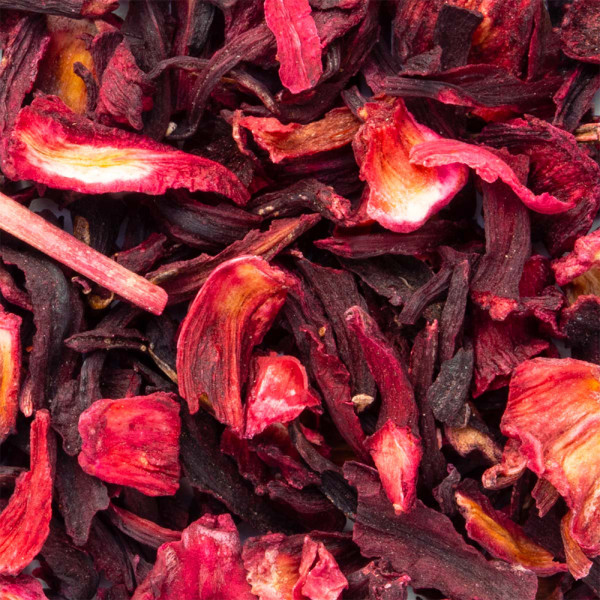
Hibiscus Flowers
Step into a swirl of deep crimson colour and captivating flavour with our hibiscus herbal infusion!
€5.90Discover