Phytotherapy: the benefits of elderflower herbal infusion

In brief: Black elderflowers (Sambucus nigra) are traditionally enjoyed as an infusion, a warming drink for the colder months with a delicate floral aroma. Use 1 tablespoon of dried flowers per 8.5 fl oz (25 cl) cup, steep for 10 minutes at 200°F (95°C), 2 to 3 cups per day. Important: raw elderberries are toxic and must only be consumed after cooking.
Black elder is one of the most deeply rooted plants in European herbal infusion traditions. Its subtly fragrant white flowers are harvested in spring, then dried to be brewed in autumn and winter, at the height of the cold season. This page covers the traditional uses, the correct way to prepare the infusion, and the important precautions associated with this plant (yes, elder does have real contraindications worth knowing about).
Elder: a flower with a long tradition of use
Sambucus nigra is included in the HMPC community herbal monograph of the EMA (European Medicines Agency). Elder is listed there for its long-standing use as an infusion, reflecting several centuries of documented tradition across Europe.
The flowers contain flavonoids (rutin, quercetin), phenolic acids, essential oils and mucilages. This composition partly explains the traditional uses:
- A flower traditionally associated with the cold season, enjoyed as a warming infusion.
- A gentle diaphoretic profile, which tradition links to the hot drinks of winter.
- A plant found in springtime infusion rituals.
- A hot drink appreciated for its delicate floral character.
Elder has been the subject of research, focused mainly on the berries (rather than the flowers). The use of the flowers as a classic infusion belongs to tradition, solidly established over the centuries in Europe.
Flowers, berries, bark: what you need to know
Not all parts of the black elder plant are used in the same way, and some carry real risks.
- Dried flowers are the part most commonly used in herbal infusions. Well tolerated at recommended doses.
- Cooked berries are used to make syrups, jams and liqueurs. They are rich in anthocyanins and vitamin C.
- Raw berries contain sambunigrin, a toxic cyanogenic glycoside. NEVER consume raw: nausea, vomiting and severe digestive upset are possible. Cooking above 175°F (80°C) destroys this compound.
- Bark and leaves are also rich in sambunigrin. Avoid domestic use unless advised by a qualified phytotherapy practitioner.
For infusions, stick to dried flowers from organic black elder. This is the safest and best-documented form.
How to prepare a good elderflower herbal infusion
Elderflowers release their compounds after 10 minutes of steeping. Here are the key steps:
- Amount: 1 tablespoon (around 2 g) of dried flowers per 8.5 fl oz (25 cl) cup.
- Water: bring to a near-boil (200°F / 95°C). Avoid prolonged boiling, which degrades the aromatic compounds.
- Time: 10 minutes, covering the cup to retain the volatile essential oils.
- Straining: pass through a fine sieve. You can add a teaspoon of honey and a squeeze of lemon juice to soften the flavor.
- Frequency: 2 to 3 cups per day during a period of discomfort, over a short course of 5 to 7 days.
Elder pairs particularly well with other plants useful in the cold season:
- Elder + thyme: a classic pairing for cold-season infusions. See our guide to thyme herbal infusion.
- Elder + lemon + honey: a traditional home remedy, validated by generations of use.
- Elder + blackcurrant + meadowsweet: a trio with forest-like, slightly tart flavors.
- Elder + ginger: for a warming infusion with a bright, lively finish. Our guide to ginger herbal infusion covers this pairing in detail.
When to drink an elderflower herbal infusion
The ideal moment depends on what you are looking for:
- As a winter ritual: 1 cup per day, over a one-week course, repeated several times throughout the cold season.
- Throughout a cool day: 2 to 3 cups per day, over a short course of 5 to 7 days.
- In spring: 1 to 2 cups per day as a warming pause throughout the season.
- In the evening: preferable, as elderflower infusion has a mild diaphoretic effect that may be uncomfortable during an active day.
Precautions and contraindications
Elderflower infusion is generally well tolerated, but a few rules apply:
- Raw berries, bark and leaves: NEVER consume without cooking. Sambunigrin is a precursor to hydrogen cyanide.
- Pregnancy and breastfeeding: the use of flowers warrants caution. The ANSES recommends seeking medical advice before any regular consumption of herbal infusions during pregnancy.
- Children: elderflower infusion is generally acceptable from age 6, in moderate amounts (1 cup per day maximum).
- Diuretic medication: elder's mild diuretic effect may be additive. Monitor hydration and inform your doctor of your consumption.
- Immunosuppressant medication: as a precaution, consult your doctor if you are on post-transplant treatment or managing an autoimmune condition before drinking this infusion regularly.
- Allergies: rare, but possible in people sensitive to Adoxaceae family pollens.
If you experience persistent fever beyond 48 hours, breathing difficulties or worrying symptoms, consult a doctor. Herbal infusion is a complement, not a treatment.
Disclaimer: the information in this article is for educational purposes only and does not replace medical advice. Infections, persistent fever or severe allergic reactions should be assessed by a healthcare professional. Herbal infusions are not medicines.
Sources: European Medicines Agency, Community herbal monograph on Sambucus nigra L., flos (HMPC) · Hawkins J. et al., Complementary Therapies in Medicine on the effect of elder in upper respiratory infections (PMID:30670267) · ANSES, recommendations on herbal infusions · WHO monograph on selected medicinal plants Vol. 2 (Sambucus nigra).
Written by
Julien Huot, founder of Thés & Traditions. Tea selector since 2016, trained in tasting and passionate about sharing the cultures of tea and herbal infusions.
Published on October 22, 2019 · Updated May 21, 2026
Frequently asked questions
- The dried flowers of black elder (Sambucus nigra). Berries are only consumed after cooking (syrup, jam). Bark, leaves and raw berries should be avoided in domestic use as they contain sambunigrin, which is toxic.
- Over a short course of 5 to 7 days. The mild diaphoretic effect may be felt within an hour of drinking the infusion, which is normal and expected.
- Occasional use of the flowers is generally tolerated, but regular consumption requires medical advice. During pregnancy, opt for gentler infusions, and always check with your midwife first.
- No: no herbal infusion cures the flu. Elder is valued for its traditional use as a warming drink in the cold season. In the case of flu or fever, consult a doctor.
Go further
To deepen your wellness journey, explore our guide to thyme herbal infusion, which pairs beautifully with elder, discover our guide to ginger herbal infusion for warming combinations, or browse our complete guide to herbal infusions. Ready to get started? Explore our range of organic herbal infusions.
Tempted to try it?
Our selection related to this article, loose leaf and organic.
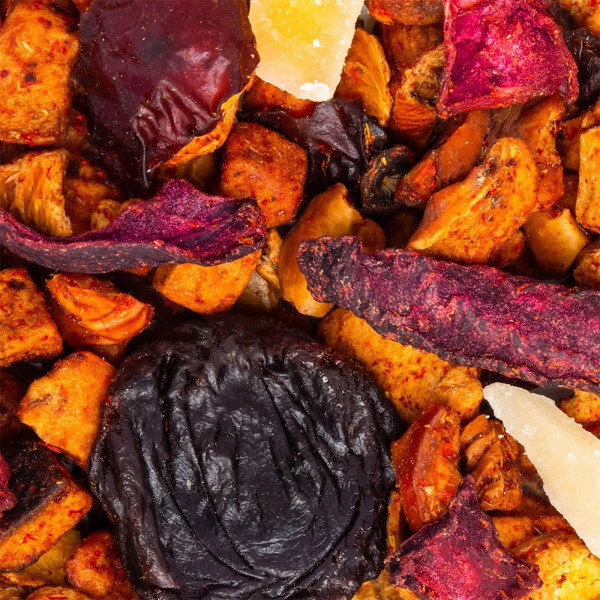
Cherry Cake Herbal Infusion
Cherry Cake herbal infusion, a truly indulgent cherry infusion, captures the warmth of a homemade pastry.
€6.90Discover
Almond Cloud Herbal Infusion
Almond Cloud herbal infusion is a tender, indulgent almond infusion that brings together roasted almond, apple and popcorn in a…
€7.20Discover
Hibiscus Flowers
Step into a swirl of deep crimson colour and captivating flavour with our hibiscus herbal infusion!
€5.90Discover