Verbena (Verveine) Tea: 6 Benefits for Sleep & Digestion

In brief: Two very different plants share the name "verbena." Verbena officinalis is traditionally used for digestive and nervous comfort. Lemon verbena (Aloysia citrodora, also called verveine citronnelle) is the one with the characteristic citrus scent found in most commercial herbal teas. Use 1 tablespoon of dried leaves per 8 fl oz cup, steep for 10 minutes at 200°F (95°C), 2 to 3 cups per day.
Verbena is one of the most common plants in French herbal tea shops, yet few people realize there are actually two main species, each with distinct uses. Before discussing benefits or preparation, it helps to know exactly which one is in your tin. This page distinguishes the two, outlines their documented traditional uses and notes the precautions worth knowing.
Verbena officinalis vs. lemon verbena: a common mix-up
Both plants belong to the same family (Verbenaceae) but are different genera:
- Verbena officinalis: a native European plant with lightly scented, slightly bitter leaves. This is the verbena of the classical European pharmacopoeia. Its traditional use is recognized by the EMA for mild digestive and nervous complaints.
- Lemon verbena (Aloysia citrodora, formerly Lippia citriodora): originally from South America, brought to Europe in the 18th century. This is the verbena with the distinctive citrus scent found in 95% of commercial herbal teas. Fresh, smooth and pleasant in flavor.
Both have calming properties, but their profiles differ. Verbena officinalis is more pronounced in its digestive action, while lemon verbena is gentler and more suited to evening relaxation.
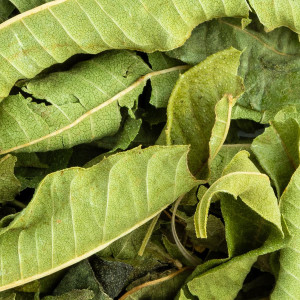
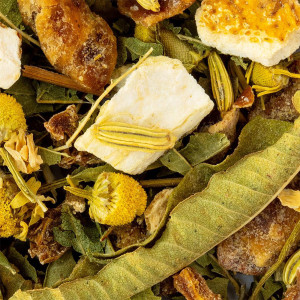
For your evenings: our organic Vervain (verbena) Leaves — the quintessential evening infusion, caffeine-free.
Documented uses of Verbena officinalis
Verbena officinalis is included in the HMPC community herbal monograph of the EMA. Its traditional use is recognized for:
- Relieving mild digestive complaints (sluggish digestion, bloating).
- Supporting mild states of agitation and occasional stress.
The leaves contain iridoids (verbenin), flavonoids and small amounts of essential oils. These compounds help explain the traditional uses documented since antiquity, from Romans and Celts to the Gauls.
Uses of lemon verbena (Aloysia citrodora)
More recent in Europe, lemon verbena has no specific HMPC monograph, but it is widely recognized for its value in:
- Evening relaxation: a pilot study published in Phytotherapy Research observed an effect on perceived anxiety with a lemon verbena extract. The evidence remains preliminary.
- Digestive comfort after meals: a longstanding culinary and table tradition in France and Spain.
- A refreshing sensation: the plant's citral content gives it that pleasant citrus scent, without the stimulating effect of mint or lemon balm.
The ANSES classifies lemon verbena among plants in common food use, confirming its safety at usual doses.
How to prepare a good verbena herbal tea
Lemon verbena is the easiest to prepare and the most pleasant to drink. Here is the classic method:
- Amount: 1 tablespoon of dried leaves (around 2 g) per 8 fl oz cup. For fresh leaves, double the quantity.
- Water: bring to a near-boil (200°F / 95°C). Avoid a rolling boil to preserve the volatile essential oils.
- Steeping time: 5 to 10 minutes with the cup covered. Steeping too long results in a bitter drink.
- Straining: use a fine-mesh strainer. A squeeze of lemon or a spoonful of honey can be added to taste.
- Frequency: 2 to 3 cups per day, ideally after meals and in the evening before bed.
Verbena keeps well for several months in an airtight jar away from light. After a year, the citrus scent gradually fades.
Blends that bring out the best in verbena
Verbena pairs particularly well with other gentle evening herbs:
- Verbena + linden: a classic combination for nighttime relaxation. See our linden herbal tea guide.
- Verbena + chamomile: for a smoother drift into sleep. See our chamomile guide.
- Verbena + peppermint: a refreshing after-dinner blend that supports digestive comfort.
- Verbena + orange blossom: a soothing blend before bedtime, for both children and adults.
When to drink verbena herbal tea
- After a meal: lemon verbena steeped in a pot at lunch or dinner supports digestive comfort.
- In the evening, 30 to 60 minutes before bed: the ideal moment to enjoy its calming effect.
- During periods of passing stress: 2 to 3 cups a day over a short course of 2 to 3 weeks can help during phases of occasional tension.
Precautions and contraindications
Verbena is generally very well tolerated, but a few points to bear in mind:
- Pregnancy and breastfeeding: Verbena officinalis is not recommended during pregnancy, particularly in the first trimester, due to a possible effect on the uterus. Lemon verbena as an occasional herbal tea is more widely accepted, but check with your midwife before regular use.
- Medication interactions: possible interactions with anticoagulants and thyroid hormones. Mention your consumption to your doctor.
- Thyroid conditions: Verbena officinalis has historically been associated with effects on the thyroid. Avoid prolonged use if you have a thyroid condition without medical advice.
- Children: lemon verbena is generally suitable from age 3, in adapted doses (1 teaspoon per cup, maximum 1 cup per day).
- Allergies: rare, but possible in people sensitive to plants in the Verbenaceae family.
Disclaimer: the information in this article is for educational purposes only and does not replace medical advice. Persistent sleep disorders, chronic anxiety or recurring digestive complaints should be discussed with a healthcare professional. Herbal teas are not medicines.
Sources: European Medicines Agency, Community herbal monograph on Verbena officinalis L., herba (HMPC) · Mirabi P. et al., Phytotherapy Research on Aloysia citrodora and anxiety (PMID:27450203) · ANSES, recommendations on plants in common food use as infusions.
Written by
Julien Huot, founder of Thés & Traditions. Tea selector since 2016, trained in tasting and passionate about sharing the cultures of tea and botanical infusions.
Published 30 May 2019 · Updated 21 May 2026
Frequently asked questions
- Lemon verbena (Aloysia citrodora), with its citrus scent, is the most widely recommended for nighttime relaxation. Verbena officinalis (Verbena officinalis) is more suited to digestive support and passing nervous tension.
- A maximum of 2 to 3 cups per day. Ideally after meals and 30 to 60 minutes before bed to make the most of its calming effect.
- The traditional use is well established, and a few pilot studies have observed an effect on perceived anxiety. Clinical evidence remains preliminary. If sleep problems persist, speak to a doctor rather than increasing your intake of herbal teas.
- Verbena officinalis is not recommended during pregnancy. Lemon verbena as an occasional herbal tea is more widely accepted, but check with your midwife before regular use.
Go further
To deepen your evening ritual, explore our linden herbal tea guide, which pairs beautifully with verbena, discover our chamomile guide for soothing combinations, or browse our sleep-friendly herbal tea selection. Ready to try it yourself? Take a look at our range of organic herbal teas.
Tempted to try it?
Our selection related to this article, loose leaf and organic.

Cherry Cake Herbal Infusion
Cherry Cake herbal infusion, a truly indulgent cherry infusion, captures the warmth of a homemade pastry.
€6.90Discover

Almond Cloud Herbal Infusion
Almond Cloud herbal infusion is a tender, indulgent almond infusion that brings together roasted almond, apple and popcorn in a…
€7.20Discover
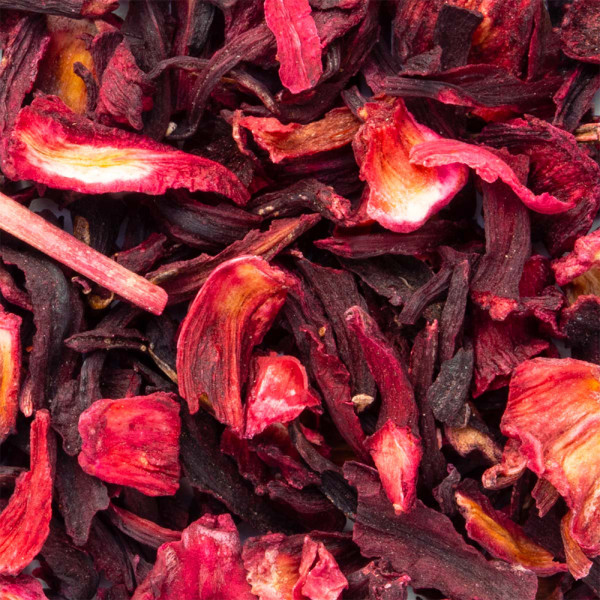
Hibiscus Flowers
Step into a swirl of deep crimson colour and captivating flavour with our hibiscus herbal infusion!
€5.90Discover