In a nutshell: Hibiscus herbal tea (Hibiscus sabdariffa), also known as karkadé or bissap, is a ruby-red, lightly tart drink rich in anthocyanins. Several studies point to a moderate effect on blood pressure. Use 1 tablespoon of dried flowers per 250 ml cup, steeped for 8 to 10 minutes at 95 °C. Precautions: avoid if you have low blood pressure or are pregnant.
Hibiscus is one of the most widely consumed flowers in the world, enjoyed as an herbal infusion. In Mexico (agua de jamaica), Egypt (karkadé) and West Africa (bissap), it is a beloved national drink. Its properties have been the subject of several serious clinical studies, particularly regarding blood pressure. This page covers its composition, documented uses, preparation, and the precautions worth knowing.
Curious to try this ruby infusion? Explore our organic loose-leaf hibiscus flowers, harvested and packed in our family house.
Composition and Documented Properties
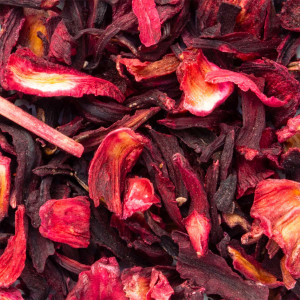 Hibiscus Flowers€5.90
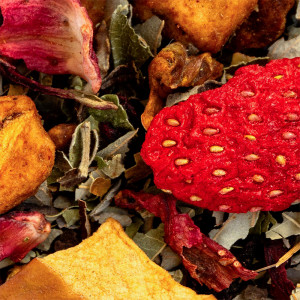 Wild Berry Herbal Infusion€7.90
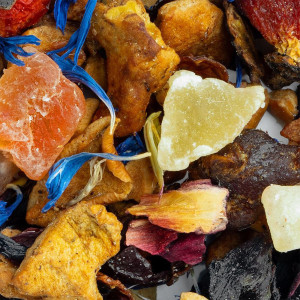 Tisane Fruity Juice€7.00
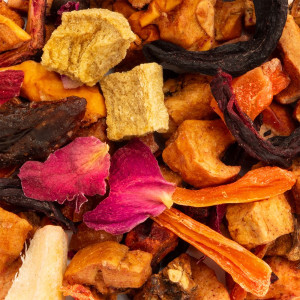 Oasis Tropicale Herbal Infusion€7.50
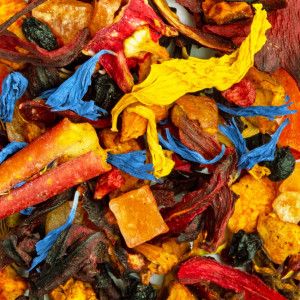 Hibiscaïa Herbal Infusion€7.90
The dried calyces of Hibiscus sabdariffa contain:
- Anthocyanins (delphinidin, cyanidin): red pigments with well-documented antioxidant properties.
- Hibiscic acid and organic acids: responsible for the characteristic tart flavour.
- Various polyphenols: flavonoids, phenolic acids.
- Mucilages: a mild soothing effect.
The best-documented effect relates to blood pressure. A meta-analysis published in the Journal of Hypertension observed a modest reduction in both systolic and diastolic blood pressure in people who consumed hibiscus regularly. The effect is moderate and in no way replaces antihypertensive treatment, but it is consistent across studies.
How to Brew a Good Hibiscus Herbal Tea
- Amount: 1 tablespoon (2 g) of dried calyces per 250 ml cup.
- Water: bring to a near-boil (95 °C).
- Time: steep for 8 to 10 minutes, covering the cup to preserve the anthocyanins.
- Straining: pour through a fine-mesh strainer. A touch of honey softens the natural tartness beautifully.
- Cold version: the traditional bissap recipe. Steep 3 tablespoons in 1 litre of cold water for 6 hours, strain, sweeten with cane sugar or honey, and serve over ice with fresh mint.
- How often: 2 to 3 cups a day over a 4 to 6 week period for blood pressure benefits. For everyday enjoyment, there is no particular limit at a sensible intake.
Classic Pairings
- Hibiscus + rosehip: an exceptionally vitamin C- and antioxidant-rich combination.
- Hibiscus + mint: the West African bissap, traditional and wonderfully refreshing.
- Hibiscus + cinnamon + ginger: a warming winter version, like a mulled wine without the alcohol.
- Hibiscus + Rooibos: tones down the tartness, a great option for children.
- Hibiscus + red berries: the base of many red berry herbal infusions.
Precautions and Contraindications
- Low blood pressure: the hypotensive effect may be a concern for those already prone to low blood pressure. Avoid or seek advice first.
- Antihypertensive medication: a possible additive effect. Let your doctor know you are drinking it regularly.
- Pregnancy: not recommended. Hibiscus has traditionally been used for its emmenagogue properties (stimulating menstruation), and animal studies suggest a possible effect on the uterus.
- Breastfeeding: best avoided as a precaution.
- Diuretics: a mild diuretic effect is possible; worth monitoring.
- Medications: potential interactions with certain treatments (paracetamol, chloroquine). Mention your intake to your doctor.
- Tooth enamel: the acidity can erode enamel with very frequent consumption. Use a straw during extended periods of regular drinking.
- Diabetes under treatment: a mild blood sugar-lowering effect is possible.
Disclaimer: the information in this article is for educational purposes only and does not replace medical advice. High blood pressure requires medical monitoring and appropriate treatment. Hibiscus herbal tea may complement a healthy lifestyle, but should never be seen as a substitute for one.
Sources: Serban C. et al., Journal of Hypertension, meta-analysis on hibiscus and blood pressure (PMID:24818816) · McKay D.L. et al., Journal of Nutrition on hibiscus and blood pressure · ANSES, recommendations on plants used as infusions · WHO monograph on selected medicinal plants Vol. 4.
Written by
Julien Huot, founder of Thés & Traditions. Tea selector since 2016, trained in tasting and passionate about sharing the cultures of tea and botanical infusions.
Published 14 August 2019 · Updated 21 May 2026
Frequently Asked Questions
- Several studies have observed a moderate effect on both systolic and diastolic blood pressure with regular consumption (2 to 3 cups a day over several weeks). The effect does not replace antihypertensive treatment, but it is consistent and well-documented.
- Yes, these are three names for the same drink, made from the dried flowers of Hibiscus sabdariffa. Bissap is the West African name, karkadé the Egyptian one.
- No, it is not recommended during pregnancy due to its traditional emmenagogue properties and animal data suggesting a possible effect on the uterus.
- 2 to 3 cups a day for blood pressure benefits. For everyday enjoyment, up to 4 cups is reasonable for an adult with no contraindications.
Going Further
To deepen your infusion rituals, explore our guide to red berry herbal teas, of which hibiscus is often the base, or our cranberry guide for more tart berry goodness. Ready to brew? Browse our organic hibiscus flower selection or the full range in our herbal infusions section.
Enjoy this moment in summer style with our iced tea collection.