 Herbal Infusions


Organic
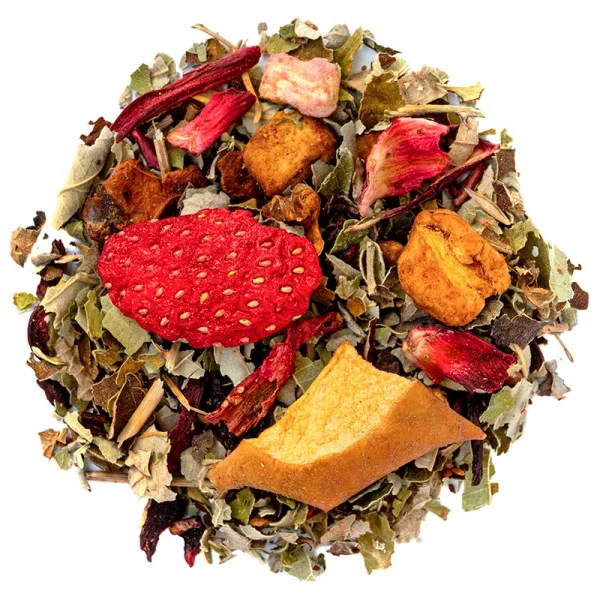
Wild Berries
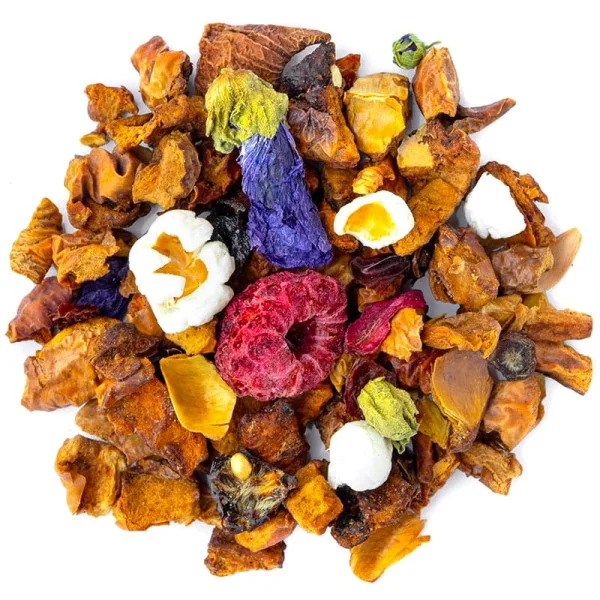
Wild berry infusion, perfect for red fruit lovers
 Main Note:
Chamomile
Main Note:
Chamomile
Our organic loose-leaf chamomile herbal infusion brings together carefully selected whole flowers for a smooth, honey-like brew that soothes both body and mind. The perfect loose-leaf chamomile for winding down in the evening, whether after a meal or at the end of a long day.
our expertise


In our workshop in Provence, each blend is handcrafted with passion by our team.
Real pieces of dried fruit, whole plants and carefully selected teas of origin.
Carefully crafted to create unforgettable tasting moments. A signature taste, an authentic experience.
At a glance: organic chamomile herbal infusion, 100% whole flowers. Steep 13–18 g/L, water at 100°C (212°F), 5 to 10 minutes. Honey-sweet and floral, ideal for digestion and sleep.
Some cups slow time down. Chamomile is one of them. Round, gently honeyed, it is the kind of herbal infusion you always keep within reach, as much for its soft notes as for the quiet moment it creates.
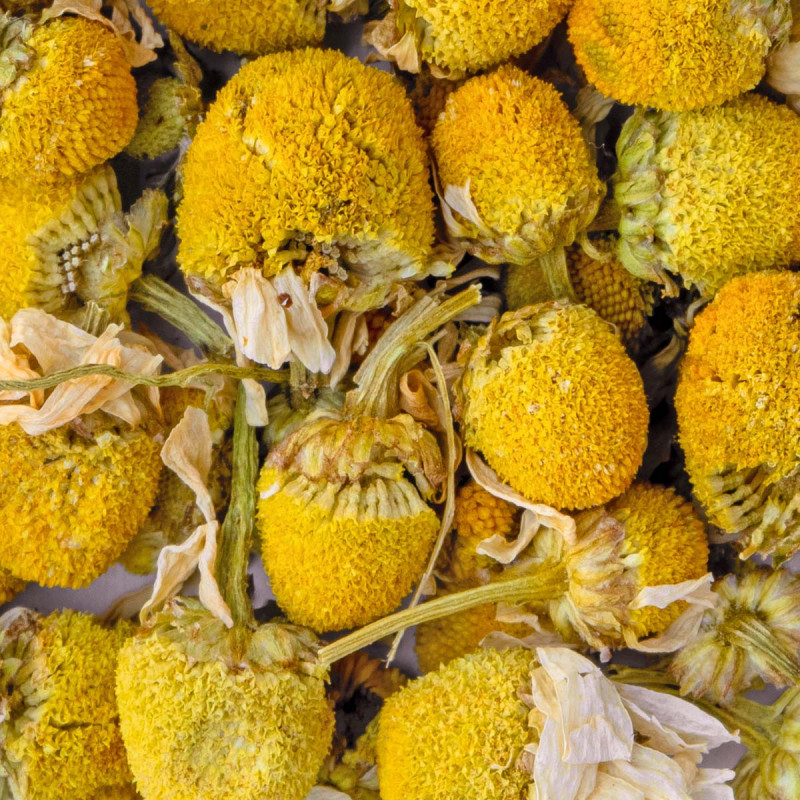
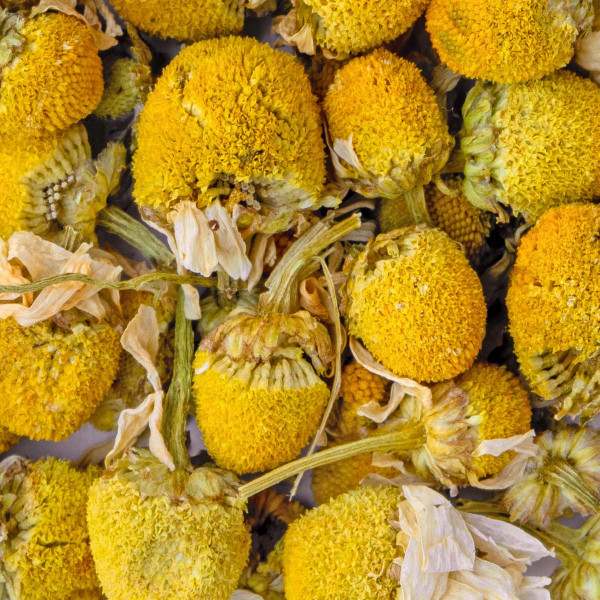
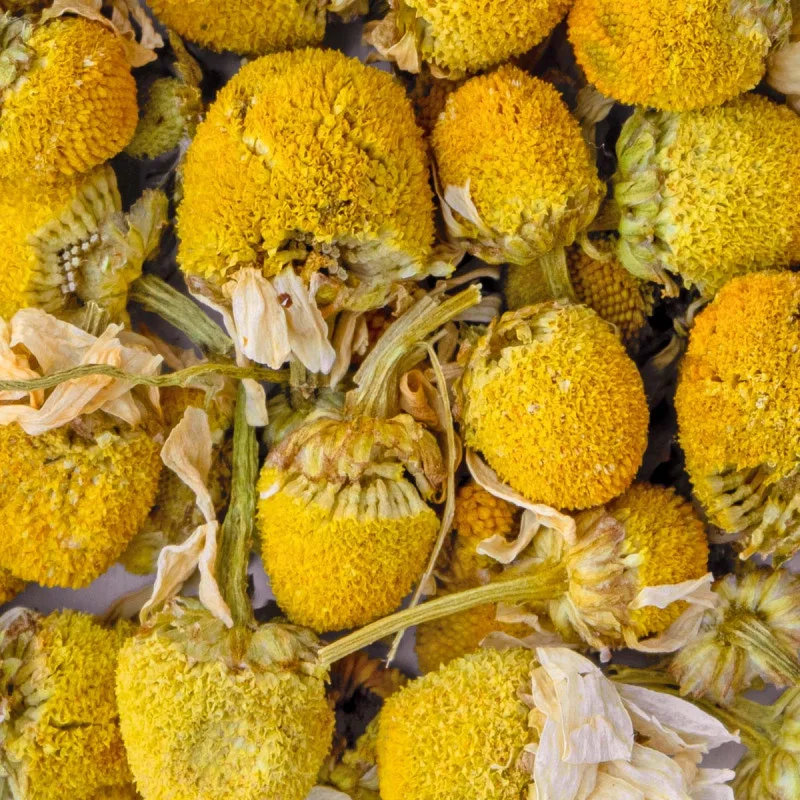
We selected an organic, whole-flower chamomile. No powder, no fragments: generous, visible flower heads that yield a pale golden liquor in the cup. Julien Huot, founder of Thés & Traditions, chooses each batch for the consistency of its fragrance and the subtlety of its bitterness, barely perceptible.
Explore our herbal infusions to extend this soothing ritual through the seasons, and let the aromas guide you to the one that feels right for you.
The first impression is olfactory: even dry, the flower already carries a scent of ripe apple, warm straw and light honey. This is the plant's aromatic signature, drawn from its natural compounds concentrated in the flower heads.
In the cup, the infusion opens with floral and fruity top notes, almost sweet. The heart reveals a honeyed, soft, enveloping roundness. The finish leaves a gently noble bitterness, very brief, which brings balance and keeps the liquor from becoming cloying.
Our loose-leaf chamomile is made up exclusively of whole flower heads, packed in our own workshop. This botanical integrity makes all the difference: the essential oils remain held within the flower until they meet hot water, preserving the aromatic freshness cup after cup.
Once poured, the liquor presents a pale, clear, luminous golden hue. On the nose, that honey-apple character defines the cup, with a subtle herbaceous note quietly in the background. On the palate, the texture is silky, almost round, with no astringency.
If you enjoy this floral register, explore our herbs, spices and flowers herbal infusion, more complex on the palate, which naturally extends this botanical palette.
A good chamomile herbal infusion rests on four simple but decisive parameters: dose, water, temperature and steeping time. With the right balance, the cup reveals its full honeyed roundness.
Dosage: use 13 to 18 g of dried flowers per litre of water, roughly one heaped tablespoon for a large 250 ml cup. This ratio gives an expressive liquor without excessive bitterness. For a lighter evening cup, keep to the lower end.
Water: use soft, fresh water brought to a full 100°C (212°F) boil. Unlike delicate green teas, chamomile handles boiling water perfectly. In fact, it is what best releases its honeyed and fruity aromas.
Time: steep for 5 to 10 minutes, depending on the intensity you prefer. Five minutes for a soft morning cup, ten minutes for a more enveloping evening infusion when you are looking for comfort. Beyond ten minutes, the bitterness takes over.
Vessel: cover your cup or teapot while steeping. The volatile aromatic compounds stay in the liquid rather than evaporating, keeping the liquor fully rounded and honeyed.
Enjoy it plain, lightly sweetened with a touch of acacia honey, or brightened with a splash of lemon juice that lifts the fruity notes. As an iced infusion in summer, let it cool slowly in the refrigerator and serve over ice with a few fresh mint leaves.
To find your way among our caffeine-free infusions, our herbal infusion guide is the most complete resource, organised by aromatic profile and time of day.
Chamomile is one of the most thoroughly documented medicinal plants in Europe. The European Medicines Agency (EMA) recognises its traditional use for relieving minor digestive complaints, including bloating and mild spasms after meals.
The ANSES (French Agency for Food, Environmental and Occupational Health Safety) also lists chamomile among plants traditionally used to support relaxation and digestive comfort. The flavonoids naturally present in the flower contribute to this gentle calming effect, without any stimulating action.
For sleep, chamomile herbal infusion is traditionally consumed in the evening to ease the transition to rest. Caffeine-free, it fits naturally into a bedtime ritual, about an hour before going to bed. Several clinical studies indexed on PubMed document this traditional use and its perceived effect on sleep quality.
For digestive discomfort after a heavy meal, you can also turn to our digestive herbal infusion selection, which usefully complements the soothing qualities of chamomile.
Try our organic chamomile as part of your evening ritual, one cup about an hour before bed, to gently settle into calm before the night.
Keep your chamomile in an airtight container, away from light, moisture and strong odours. An opaque metal tin or ceramic jar works perfectly. Well protected, the flowers hold their honeyed fragrance for 18 to 24 months.
What are the benefits of chamomile?
Chamomile is traditionally used to support relaxation, relieve minor digestive complaints (bloating, mild spasms) and ease the transition to sleep. The EMA recognises its traditional use across both areas: digestive comfort and calming.
How do you prepare a chamomile herbal infusion?
Use 13 to 18 g of dried flowers per litre of water at 100°C (212°F), steep for 5 to 10 minutes with the cup covered. Strain and enjoy plain or with a touch of honey. It really is that simple.
What types of chamomile are there?
The two main varieties are Roman chamomile (Chamaemelum nobile), with a more bitter taste, and German chamomile (Matricaria recutita), softer and fruitier, the most common in herbal infusions. We select a variety with a round, honeyed profile.
What effect does chamomile have on digestion?
Taken after a meal, chamomile traditionally supports digestive comfort. Its natural flavonoids help ease feelings of heaviness and mild bloating, as noted by the ANSES in its inventory of medicinal plants.
Does chamomile help with sleep?
Caffeine-free, chamomile is traditionally consumed in the evening to support the transition to sleep. Several studies indexed on PubMed document a perceived effect on rest quality when used as part of a regular bedtime routine.
Our information is based on EMA (European Medicines Agency) monographs, ANSES plant fact sheets and studies indexed on PubMed relating to Matricaria recutita.

Wild berry infusion, perfect for red fruit lovers

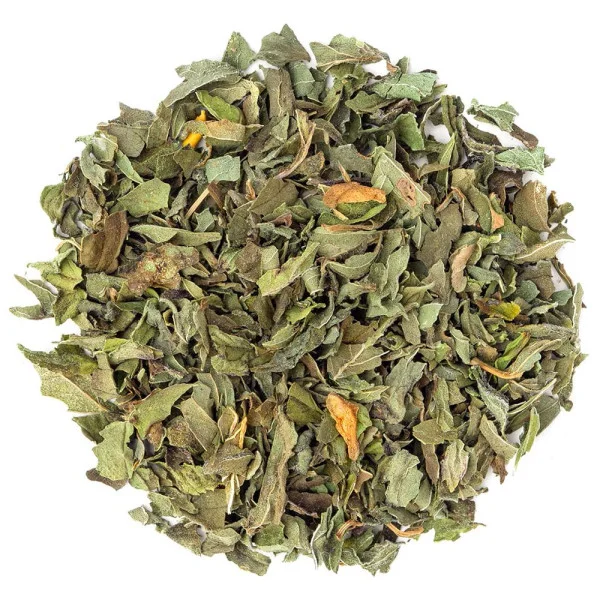
Organic peppermint herbal infusion made with 100% peppermint leaf

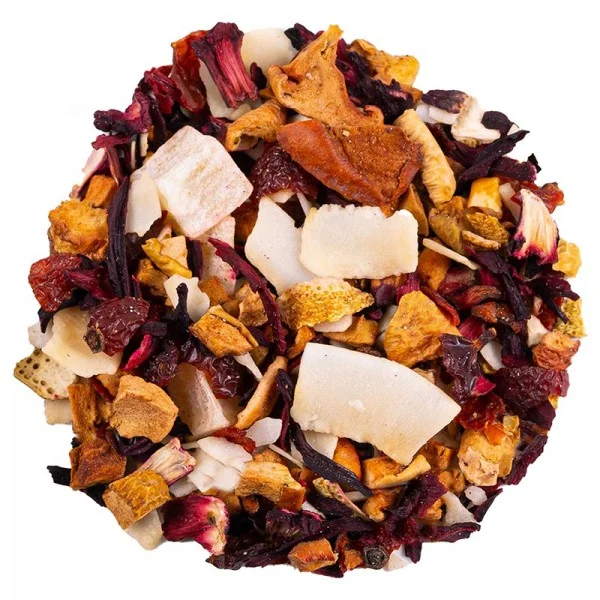
A tropical escape in your cup

A fruity, indulgent drink that will captivate you from the very first sip
French House
Independent since 2016.
Fast delivery
Home delivery or click & collect.
Made with heart
In the south of France.
Customer service
A real voice at the end of the line,
Monday to Friday: 04 22 91 35 75.
Sharing, passing it on: our teas, our tips, the occasional unexpected idea, and little attentions just for you. Pure pleasure, ready to steep.