Herbal teas for digestion: the best infusions

In brief: Several plants have a use recognised by the EMA for supporting digestive comfort: peppermint, chamomile, lemon balm, fennel, anise, and ginger. A cup 15 to 30 minutes after a meal, two to three times a day, helps with mild bloating, the feeling of slow digestion, and minor stomach discomfort. For persistent symptoms, consult a doctor.
The search for a herbal tea to aid digestion is one of the most common reasons people turn to plant-based infusions. The good news is that digestive phytotherapy is particularly well documented: several plants have received recognition from the EMA, and the European pharmacopoeia offers recipes that have stood the test of centuries. This guide walks you through the most relevant plants, their specific properties, and how to use them properly.
Choosing the right plant for your discomfort
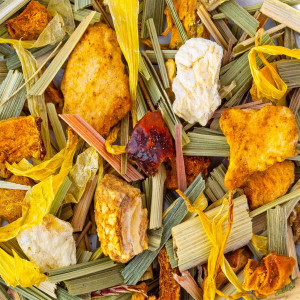 Lemon Basil Herbal Infusion€7.20
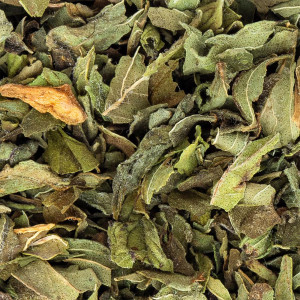 Organic Peppermint Herbal Infusion€5.90
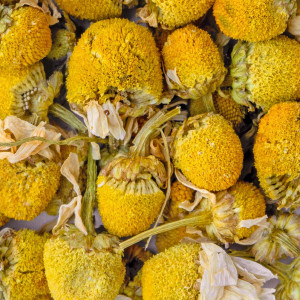 Chamomile€5.90
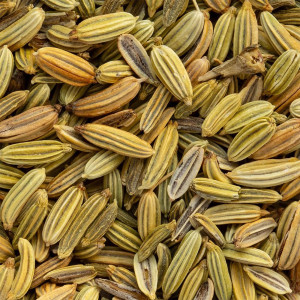 Fennel Herbal Infusion€5.50
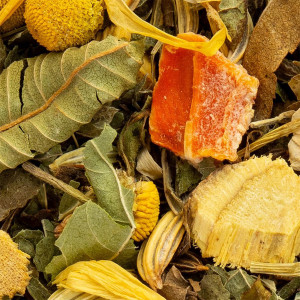 Digestive Herbal Infusion€9.50
Not all digestive plants work in the same way. Here is a practical guide to help you find what suits your needs.
Bloating and gas: carminative plants
So-called "carminative" plants help relieve intestinal gas. Three are particularly well documented:
- Fennel (Foeniculum vulgare, fruit): traditional use recognised by the EMA for bloating. Several studies have observed an effect on infant colic, highlighting its good tolerability.
- Green anise (Pimpinella anisum, fruit): traditional use recognised by the EMA for mild digestive complaints.
- Cumin and caraway: traditional culinary uses documented since antiquity.
Classic recipe: 1 teaspoon of a blend (fennel, anise and caraway in equal parts) per 250 ml cup, steeped for 8 minutes, after a meal.
Feeling of slow digestion: bitters and digestive stimulants
For heavy meals and that lingering, sluggish feeling, bitter plants stimulate the production of digestive juices:
- Peppermint (Mentha x piperita): well-established use recognised by the EMA for digestive comfort and functional intestinal complaints. The most documented plant in this field.
- Ginger (Zingiber officinale): well-established use recognised by the EMA. Our ginger guide covers its uses in detail.
- Rosemary (Rosmarinus officinalis): traditional use recognised. See our rosemary guide.
Spasms and gastric discomfort: antispasmodic plants
For cramping sensations and digestive tension:
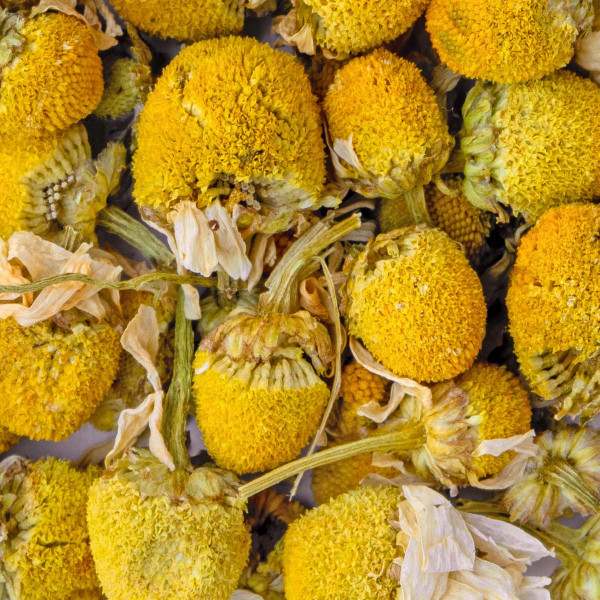
- Chamomile (Matricaria recutita): well-established use recognised by the EMA. The go-to plant for soothing the digestive tract. Our chamomile guide explores its uses in depth.
- Lemon balm (Melissa officinalis): traditional use recognised for digestive complaints linked to nervousness.
- Verbena (Verbena officinalis): traditional use recognised for mild digestive complaints and nervous tension. See our guide.
Heartburn and reflux: mucous membrane protectors
For sensations of gastric burning, certain plants offer a soothing, coating effect thanks to their high mucilage content:
- Mallow (Malva sylvestris): traditional use recognised by the EMA for mild irritations of the mouth and throat. Calming action on mucous membranes.
- Marshmallow root (Althaea officinalis): very rich in mucilages, well-established use recognised for mucosal inflammation.
- Liquorice (Glycyrrhiza glabra): use with caution, contraindicated in cases of high blood pressure.
Please note: recurring heartburn warrants medical advice. It may signal gastro-oesophageal reflux disease or a lesion that requires appropriate treatment.
When to drink your digestive herbal tea
Timing matters as much as your choice of plant:
- 15 to 30 minutes after a meal: the classic window. The plant supports digestion without interfering with nutrient absorption.
- Before a heavy meal: 30 minutes beforehand, to stimulate digestive juices (ginger, peppermint).
- In the evening: for soothing blends (chamomile, lemon balm, verbena).
- Avoid during the meal: tea and coffee can hinder iron absorption, and excess liquid dilutes gastric juices.
How to prepare a good digestive herbal tea
- Quantity: 1 teaspoon (2 g) of dried plant per 250 ml cup. For a blend, use 1 tablespoon per 500 ml.
- Water: bring to a simmer (95°C / 200°F), avoid a rolling boil.
- Steeping time: 8 to 10 minutes, covering the cup to retain the volatile essential oils.
- Straining: pass through a fine sieve. Add a teaspoon of honey and a squeeze of lemon to taste.
- Frequency: 2 to 3 cups per day, over a short course (1 to 2 weeks) for discomfort, or occasionally after meals.
Classic blends that work
- The "3-plant after-dinner" blend: fennel, peppermint and verbena in equal parts.
- For stress-related discomfort: chamomile, lemon balm and verbena.
- After a rich meal: ginger, cardamom and cinnamon.
- For evening calm: chamomile, linden blossom and lemon verbena.
Precautions and when to seek medical advice
Digestive herbal teas are generally well tolerated, but they do not treat underlying conditions. A few guidelines:
- Gastro-oesophageal reflux (GERD): peppermint can paradoxically worsen acid reflux by relaxing the lower oesophageal sphincter. Opt for chamomile or mallow instead.
- Pregnancy: any prolonged use requires advice from your midwife. Ginger in moderate doses is the well-documented exception.
- Gallstones: avoid choleretic plants (artichoke, rosemary in high doses, concentrated ginger).
- Medication: certain plants interact with anticoagulants, antidiabetics or hormones. Mention your herbal tea consumption to your doctor.
- Persistent symptoms: pain lasting more than 7 days, unexplained weight loss, blood in stools or vomiting all require medical attention. Herbal teas are not a substitute for diagnosis.
Disclaimer: the information in this article is for educational purposes only and does not replace medical advice. Recurring digestive complaints should be assessed by a healthcare professional to identify their cause. Herbal teas are not medicines.
Sources: European Medicines Agency, Community herbal monographs (Mentha piperita, Matricaria recutita, Foeniculum vulgare, Pimpinella anisum, Verbena officinalis, Melissa officinalis, Malva sylvestris) · Anheyer D. et al., Pediatrics on fennel and infant colic (PMID:29110636) · ANSES, recommendations on the use of plants in infusion · WHO monograph on selected medicinal plants.
Written by
Julien Huot, founder of Thés & Traditions. Tea selector since 2016, trained in tasting and passionate about sharing the cultures of tea and plant-based infusions.
Published 12 March 2019 · Updated 21 May 2026
Frequently asked questions
- Peppermint has the most well-established EMA recognition for digestive comfort. Ginger is also highly effective. A peppermint infusion 15 to 30 minutes after eating is the reliable choice.
- Mallow and marshmallow root are rich in mucilages that soothe irritated mucous membranes. Avoid peppermint, which can paradoxically worsen reflux. Recurring heartburn warrants medical advice.
- Yes, 2 to 3 cups spread across the day after meals is the standard approach. Vary the plants to avoid the body becoming accustomed to them. During a targeted course (5 to 7 days), 3 cups a day is acceptable.
- No. Herbal teas support digestive comfort; they do not treat conditions such as GERD, ulcers or irritable bowel syndrome. For persistent symptoms, consult your doctor.
Going further
To deepen your knowledge, read our chamomile guide, explore our ginger guide, consult our rosemary guide, or browse our flat-stomach selection. Ready to get started? Discover our range of organic herbal teas.
Tempted to try it?
Our selection related to this article, loose leaf and organic.
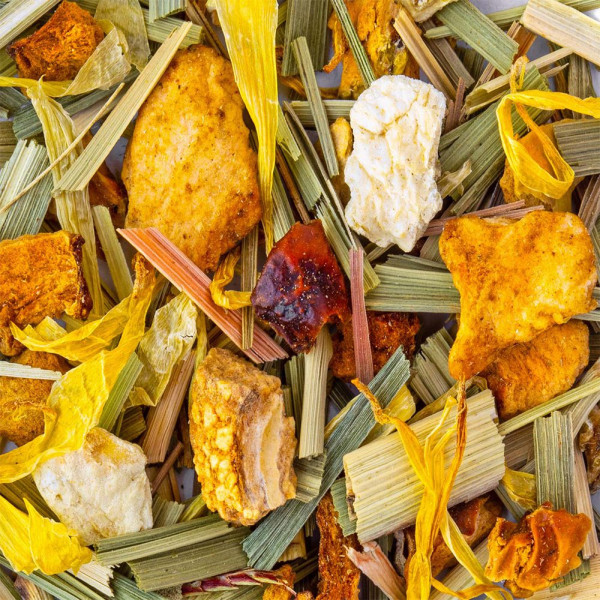
Lemon Basil Herbal Infusion
Organic lemon basil herbal infusion brings together the bright, zesty freshness of lemon and the delicate herbaceous character …
€7.20Discover
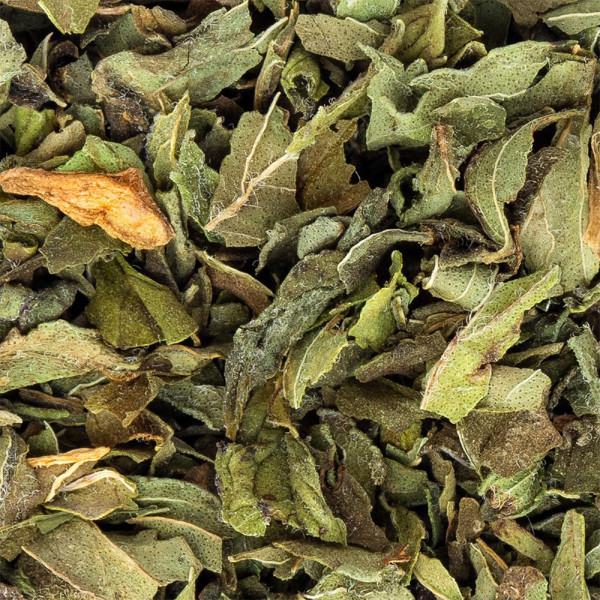
Organic Peppermint Herbal Infusion
Organic peppermint herbal infusion, also known as a peppermint infusion, delivers an intense menthol freshness and well-known d…
€5.90Discover