What Is an Herbal Infusion? A Complete Guide

The herbal infusion is one of the world's most beloved drinks, enjoyed for thousands of years for the richness of its aromas and plants. What exactly is an herbal infusion? It can be prepared in several ways, but the goal is always the same: to draw out the aromatic compounds and active ingredients from plants into a drink, and to enjoy their antioxidants. Chamomile, verbena, thyme, rosemary, peppermint, lemongrass... the possibilities are endless, and each dried herb reveals its own aromatic character. Naturally caffeine-free, you can enjoy a cup of herbal infusion at any time of day. Let's explore the world of herbal infusions together.
A Guide to the Different Types of Herbal Infusions
Which plants can you use for herbal infusions? The options are virtually endless. Each plant has its own aromatic profile, allowing you to compose your infusions to suit the mood of the moment. First, it helps to know that herbal infusions can be prepared in several ways. The most common method is infusion: simply steep the plants in boiling water. Then there is maceration, which involves soaking the plants in cold water for several hours. Finally, decoction means adding the plants to cold water and bringing it to a boil, which releases even more of their aromas. And the traditional uses are plentiful: a moment of relaxation, a comforting break, an evening ritual, a touch of well-being... Each plant belongs to a long tradition of infusions, to be savored gently.
How to Choose Your Herbal Infusion
Choosing the right herbal infusion matters if you want to make the most of its benefits. Ideally, avoid tea bag infusions and opt instead for organic loose-leaf herbal infusions. From there, choose your plants based on the effect you are looking for. Our guide covers all the characteristics associated with the different plants available. Your herbal infusion can be relaxing, refreshing, soothing, calming, or simply indulgent, depending on the plants you choose. Above all, it is a comforting drink, enjoyed for its ritual and its aromas. In the evening, a gentle infusion pairs beautifully with the end of the day and the moment of going to bed. Being naturally caffeine-free, it is also a pleasure to enjoy all year round. Pregnant women, keen to avoid caffeine, also appreciate these caffeine-free infusions; during pregnancy, however, it is best to seek the advice of a healthcare professional before consuming certain plants.
What Are Herbal Infusions Good For?
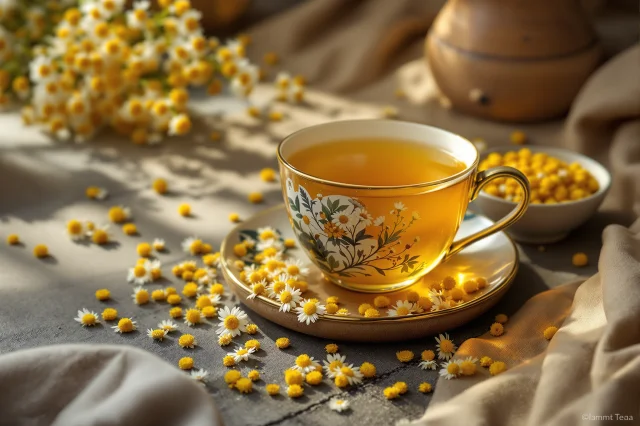
What is an herbal infusion good for? It all depends on the plants used. Wondering, for instance, what a detox herbal infusion is like? It is often chosen as a light, refreshing drink, enjoyed as part of a balanced lifestyle. A detox infusion is lovely to sip throughout the day and stands out for its wonderfully fresh aromatic profile. What about chamomile infusion? A cup in the evening before bed is an ideal choice: chamomile is traditionally cherished for its soft, comforting character, which gently accompanies the evening moment. Other aromatic plants each bring their own personality. What about thyme infusion? It is traditionally enjoyed in the colder months for its bold, warming aroma. Combined with lemon and honey, it makes a particularly pleasant, comforting drink. These infusions remain drinks to enjoy and are not a substitute for medical advice.
What Is the Difference Between a Tisane and an Infusion?
The words "tisane" and "infusion" are often used interchangeably, but there is a distinction worth knowing. What is a tisane, exactly? It refers to the finished drink you obtain. Infusion, strictly speaking, is simply a preparation method: you steep aromatic plants in boiling water and the result is an infusion. It is also worth noting that herbal infusions and tea are two very different drinks. Tea contains caffeine, while herbal infusions do not, which means they can be enjoyed freely throughout the day.
How to Choose the Right Herbal Infusion
There are many herbal infusions to suit every taste and need. Choosing an herbal infusion should reflect a specific intention, but also simply what you enjoy. Flavors vary widely, and drinking an herbal infusion should above all be a moment of pleasure. Do not hesitate to experiment with different blends. Choose an organic herbal infusion where possible, as it will release more active compounds. Loose-leaf herbal infusions are always preferable to commercial tea bags, which typically contain powder with very little of the plant's aroma intact. Finally, take a moment to explore the different profiles of the plants before choosing your infusion. You can also vary the flavors and blends depending on the time of day. Chamomile, for example, is especially recommended in the evening after dinner. Verbena is another classic digestive infusion, often enjoyed after a meal.
Plant-Based Herbal Infusions
There are many ways to prepare an herbal infusion. Plant-based infusions are widely enjoyed and offer a wonderful variety of flavors. Among the most popular is nettle infusion. It may sound surprising, but it has a distinctive green character. Enjoyed throughout the day, it charms with its herbaceous freshness and lends itself to many blends. Hibiscus infusion is instantly recognizable by its deep red color and its gently sweet, tangy flavor, making it a refreshing drink that is widely loved, hot or cold. For an infusion with a warm, spiced character, clove infusion is a perfect choice. Simply steep whole cloves in boiling water, or blend them with other plant or fruit infusions. Cinnamon infusion is another favorite among warming, indulgent infusions. Its flavor is widely loved, but that is not all: cinnamon is well known for its warm, enveloping, indulgent aroma. It adds a comforting, spiced touch to many infusions, especially welcome in winter.
Fruit Infusions
Herbal infusions can also be prepared with fruit. The variations of fruit infusions are just as plentiful. Lemon infusion is highly prized for its freshness: enjoying it first thing in the morning makes for an invigorating, energizing start to the day. Lemon brings a wonderfully tangy, refreshing note. It is often paired with ginger in infusions, for a drink with a lively, zesty character. Gently sweet and tangy, red fruit infusion is also an excellent choice. It delights the palate with its vibrant, indulgent flavors and its beautiful color.
Tempted to try it?
Our selection related to this article, loose leaf and organic.
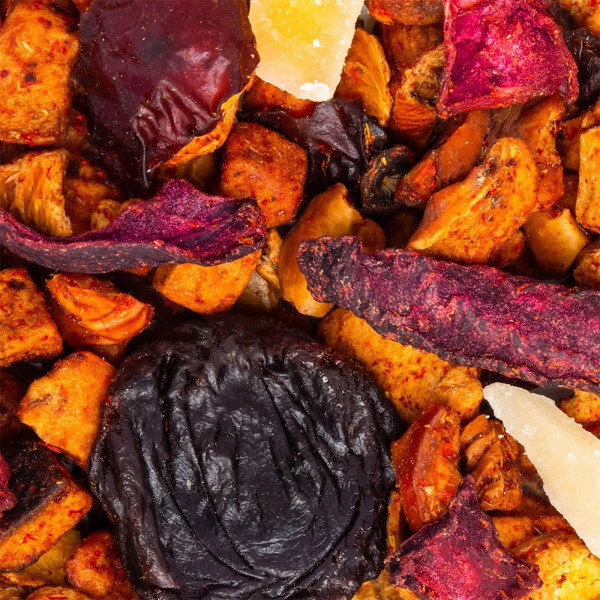
Cherry Cake Herbal Infusion
Cherry Cake herbal infusion, a truly indulgent cherry infusion, captures the warmth of a homemade pastry.
€6.90Discover
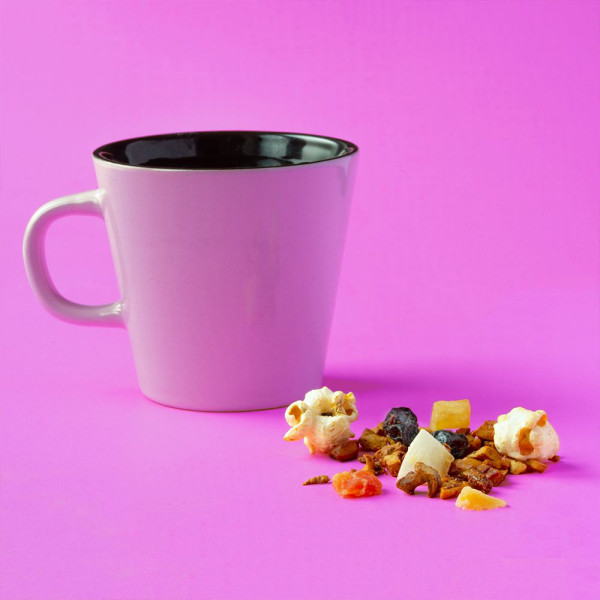
Almond Cloud Herbal Infusion
Almond Cloud herbal infusion is a tender, indulgent almond infusion that brings together roasted almond, apple and popcorn in a…
€7.20Discover
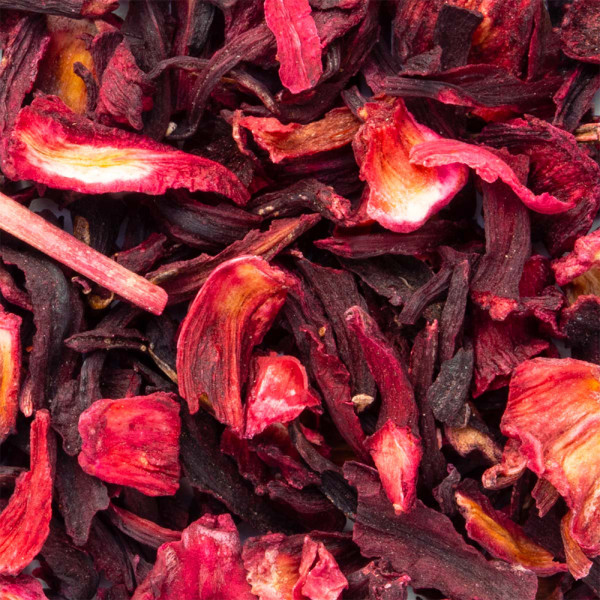
Hibiscus Flowers
Step into a swirl of deep crimson colour and captivating flavour with our hibiscus herbal infusion!
€5.90Discover