Raspberry Leaf Herbal Infusion: Pregnancy, Cycles & Benefits

In brief: Raspberry leaves (Rubus idaeus) are traditionally used for menstrual discomfort and to prepare the body in late pregnancy. Rich in tannins and flavonoids, they infuse for 10 minutes at 95 °C. Important: use during pregnancy requires the advice of a midwife without exception, and generally begins no earlier than the 3rd trimester.
Raspberry leaf herbal infusion (not to be confused with a red berry fruit infusion) is one of the most cited plants in European tradition for women's wellbeing. Its ancestral uses have remained alive in midwifery practice, despite a still-limited body of scientific literature. This page covers traditional uses, correct preparation, and the essential precautions to know before using raspberry leaf during pregnancy.
Raspberry leaf: what the research shows
The raspberry plant (Rubus idaeus, family Rosaceae) is a wild and cultivated shrub found across temperate regions. It is the leaves that interest herbalists, not the fruit (which is simply a delicious dessert). The leaves contain:
- Gallic tannins in notable concentrations: an astringent effect, valued in tradition for the fresh sensation it leaves in the mouth.
- Flavonoids (notably quercetin and kaempferol): antioxidants.
- Ellagic acid: a bioactive compound studied for its antioxidant properties.
Raspberry leaf does not hold an HMPC monograph at the EMA, unlike many other plants with a long history of traditional use. Its uses are grounded in a well-documented tradition of popular use, particularly among Anglo-Saxon and French midwives.
Traditional uses (without therapeutic claims)
- Menstrual discomfort: traditional use for sensations of cramping and tension associated with periods. A review published in the Journal of Midwifery & Women's Health documents these traditional uses across several therapeutic traditions.
- Late pregnancy: a midwifery tradition, referred to from 36 weeks of amenorrhea onward. This use requires the advice and supervision of a midwife or physician without exception, and never self-medication.
- Postpartum support: traditional use to support muscular recovery after childbirth.
Preparation
- Dose: 1 tablespoon (3 g) of dried leaves per 250 ml cup.
- Water: bring to a gentle simmer (95 °C).
- Steeping time: 10 minutes, with the cup covered.
- Usual frequency: 1 to 3 cups per day, over a short course (5 to 7 days during menstruation, or as directed).
- In late pregnancy: exclusively following your midwife's recommendations. Never self-medicate.
Important precautions and contraindications
- Early and mid pregnancy: not recommended. The effect on uterine musculature is poorly characterised and warrants caution.
- Late pregnancy (from 36 weeks): only on the advice of a midwife or physician. No self-medication.
- Iron-deficiency anaemia: tannins may reduce iron absorption. Avoid extended courses if you have a deficiency.
- Anticoagulant therapy: possible interactions. Inform your doctor.
- Hormone-dependent conditions: prior medical advice is recommended.
- Rosaceae allergies: rare but documented.
The ANSES notes that no herbal infusion replaces medical monitoring during pregnancy, and that any plant taken over an extended period warrants guidance from a healthcare professional.
Disclaimer: the information in this article is intended for educational purposes and does not replace medical advice. The use of raspberry leaves during pregnancy requires supervision by a midwife or physician. Herbal infusions are not medicines.
Sources: Holst L. et al., Journal of Midwifery & Women's Health on traditional uses of raspberry leaf (PMID:19173432) · ANSES, recommendations on the use of herbal infusions during pregnancy · Tiran D., Complementary Therapies in Nursing & Midwifery on traditional obstetric uses.
Written by
Julien Huot, founder of Thés & Traditions. Tea selector since 2016, trained in tasting and passionate about sharing the cultures of tea and herbal infusions.
Published 10 June 2019 · Updated 21 May 2026
Frequently asked questions
- Never without your midwife's advice. Tradition limits its use to late pregnancy, from 36 weeks of amenorrhea onward, under medical supervision. Self-medication is not recommended.
- Outside of pregnancy, 1 to 3 cups per day over a short course (for example, during menstruation). In late pregnancy, follow your midwife's recommendations exclusively.
- Raspberry leaf herbal infusion uses the dried leaves of the shrub (relevant for herbalism). The red berry infusion uses dried fruits (valued for flavour). They are not the same preparation.
- Clinical evidence remains limited and supports no claim. Tradition associates it with late pregnancy, without any established triggering effect. Never attempt to self-induce labour: always ask your midwife for advice.
Further reading
Visit our guide to herbal infusions during pregnancy for an overview of suitable and inadvisable plants. You may also find our breastfeeding guide helpful, or browse our calming selection. Ready to explore? Discover our organic range.
Tempted to try it?
Our selection related to this article, loose leaf and organic.
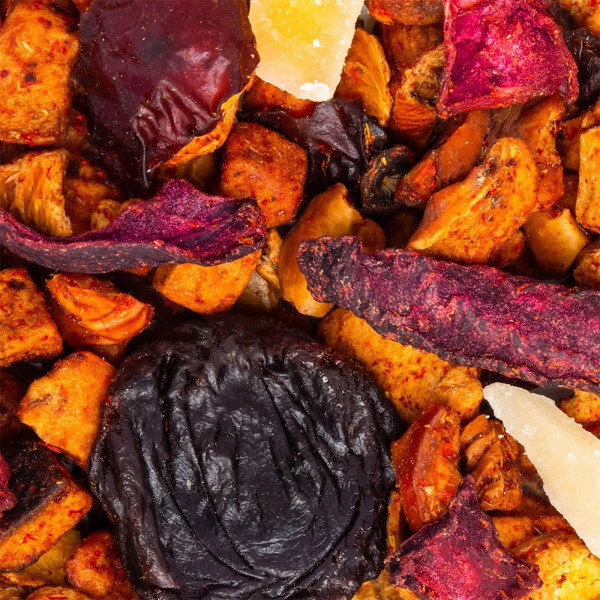
Cherry Cake Herbal Infusion
Cherry Cake herbal infusion, a truly indulgent cherry infusion, captures the warmth of a homemade pastry.
€6.90Discover

Almond Cloud Herbal Infusion
Almond Cloud herbal infusion is a tender, indulgent almond infusion that brings together roasted almond, apple and popcorn in a…
€7.20Discover
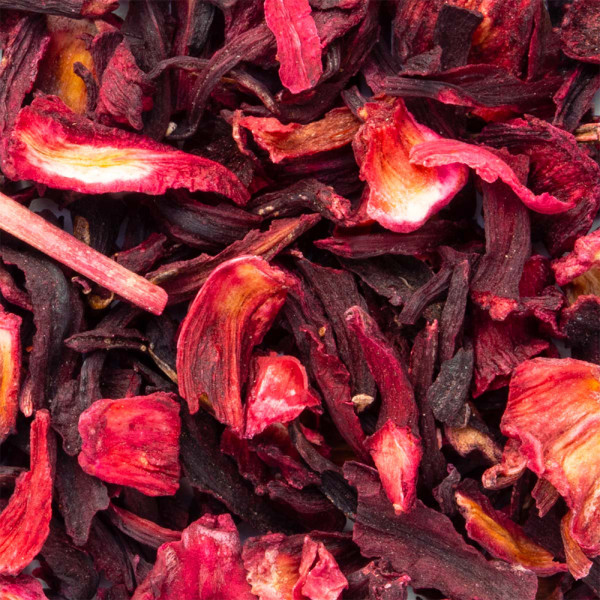
Hibiscus Flowers
Step into a swirl of deep crimson colour and captivating flavour with our hibiscus herbal infusion!
€5.90Discover