Nettle tea: boost your body with stinging nettle infusion

In brief: Stinging nettle (Urtica dioica) is one of Europe's best-documented plants. Rich in iron, calcium and silica, it has been enjoyed as an herbal infusion for centuries for its mineral profile and its distinctive vegetal flavour. Use 1 tablespoon of dried leaves per cup of boiling water, steep for 10 to 15 minutes, and drink 2 to 3 cups per day for a maximum course of 3 weeks.
Nettle is probably the most versatile plant in the European garden. Long dismissed as a weed, it now appears in a community herbal monograph from the EMA (European Medicines Agency), which represents the highest level of official recognition for traditional herbal use in Europe. This page covers its documented uses, how to prepare the infusion properly, and the precautions worth knowing.
Nettle: a plant recognised by health authorities
Stinging nettle (Urtica dioica) is one of the few plants featured in two separate HMPC monographs from the EMA: one for the leaf (Urticae folium) and one for the root (Urticae radix). This means both parts of the plant have been assessed independently, and their traditional uses are recognised as plausible for specific indications.
In practice:
- The leaf is recognised for traditional use in relieving minor joint pain and as a mild diuretic adjuvant (promoting increased water elimination).
- The root is recognised for urinary discomfort associated with benign prostatic hyperplasia at stages I and II, exclusively following a medical diagnosis ruling out serious conditions.
For a standard herbal infusion, it is the leaf that is used. The root, which is more concentrated in specific active compounds, is generally prepared in other forms (capsules, tincture) and requires medical advice.
Composition and documented properties
Nettle leaf is exceptionally rich in minerals and trace elements. This nutritional density explains its place in folk medicine since the Middle Ages.
- Minerals: iron (4 to 8 mg per 100 g of dried leaves), calcium, magnesium, potassium, silica.
- Vitamins: provitamin A, vitamin C (degraded by heat), B vitamins, vitamin K.
- Active compounds: flavonoids, phenolic acids, lectins, scopoletin (found mainly in the root).
Several studies have explored a possible anti-inflammatory and antihistamine effect on seasonal allergic symptoms, though the evidence remains preliminary and does not support any therapeutic claims. The ANSES (French food safety agency) classifies nettle among plants in common food use, confirming its safety under normal conditions.
How to prepare a good nettle herbal tea
Nettle benefits from a long steep to release its minerals. Unlike a delicate tea, it takes well to heat and time.
- Amount: 1 tablespoon (approximately 3 g) of dried leaves per 250 ml cup. For fresh leaves, use 5 to 6 whole leaves.
- Water: bring to a boil, then remove from the heat.
- Steeping time: 10 to 15 minutes minimum, ideally covered to retain volatile compounds.
- Decoction: for maximum mineral extraction, you can simmer the nettle in water for 3 minutes, then leave to steep off the heat for a further 10 minutes.
- Frequency: 2 to 3 cups per day, over a course of 3 weeks maximum, followed by a break of 2 to 3 weeks.
Nettle infusion has a vegetal, lightly herbaceous flavour, sometimes reminiscent of spinach. You can soften it with a splash of lemon juice (which also improves iron absorption) or a spoonful of honey.
Which plants pair well with nettle
Nettle combines beautifully with many plants depending on the effect you are looking for:
- For a light, refreshing infusion: nettle + cherry stalk + dandelion. Our detox herbal tea guide goes into detail on this kind of blend.
- For a comforting moment: nettle + blackcurrant + meadowsweet.
- For an invigorating everyday infusion: nettle + rosemary + thyme. See our rosemary herbal tea guide for rosemary's uses.
- Through the seasons: nettle + plantain + blackcurrant, to enjoy whenever you fancy.
Dried nettle keeps for several months in an airtight jar, away from light. After a year, it gradually loses its active compounds.
Precautions and contraindications
Nettle infusion is generally well tolerated, but a few situations call for caution:
- Haemochromatosis: nettle is rich in bioavailable iron and should be avoided in cases of iron overload.
- Pregnancy and breastfeeding: nettle is traditionally used to support lactation, but medical advice is recommended during high-risk pregnancies.
- Anticoagulant treatment: the vitamin K in nettle may interact with vitamin K antagonists (warfarin, fluindione). Let your doctor know about your consumption.
- Synthetic diuretics: a possible additive effect may occur; monitor your hydration.
- Renal or cardiac insufficiency: an additional diuretic effect may be unsuitable. Medical advice recommended.
- Antidiabetic medications: a possible effect on blood sugar levels; worth monitoring if you have treated diabetes.
If you have a chronic condition, are on long-term medication, or have any doubts, consult your doctor or pharmacist before starting any herbal course.
Disclaimer: the information in this article is for educational purposes only and does not replace medical advice. Urinary, joint or allergic symptoms that persist should be assessed by a healthcare professional. Herbal infusions are not medicines and cannot treat or prevent any disease.
Sources: European Medicines Agency, Community herbal monograph on Urtica dioica L. and Urtica urens L., folium (HMPC) · EMA, Community herbal monograph on Urtica dioica L. and Urtica urens L., radix (HMPC) · Roschek B. et al., Phytotherapy Research (PMID:19140159) · ANSES, recommendations on the use of plants in herbal infusions.
Written by
Julien Huot, founder of Thés & Traditions. Tea selector since 2016, trained in tasting and passionate about sharing the cultures of tea and herbal infusions.
Published 5 February 2019 · Updated 21 May 2026
Frequently asked questions
- Two to three cups per day maximum, over a 3-week course, followed by a break of equal length. This moderation limits unwanted effects and preserves the body's sensitivity to the active compounds.
- In 3-week courses followed by a break, yes. Continuously over several months, it is not recommended, to avoid potential accumulation or habituation to the diuretic effect.
- Nettle root (not the leaf) is recognised by the EMA for relieving urinary discomfort associated with benign prostatic hyperplasia at stages I and II, exclusively following a medical diagnosis. A leaf infusion is not the appropriate form for this use.
- In spring (April to June), when the leaves are tender and rich in chlorophyll. Cut the young shoots before flowering, dry them in the shade in a well-ventilated spot, and store in an airtight jar away from light. Our storage guide covers best practices in detail.
Go further
To explore the topic further, browse our complete guide to herbal infusions, take a look at the detox herbal tea which often combines nettle with other draining plants, or read our guide to choosing your herbal tea based on your needs. And when you are ready to get started, explore our range of organic herbal teas and infusions.
Tempted to try it?
Our selection related to this article, loose leaf and organic.
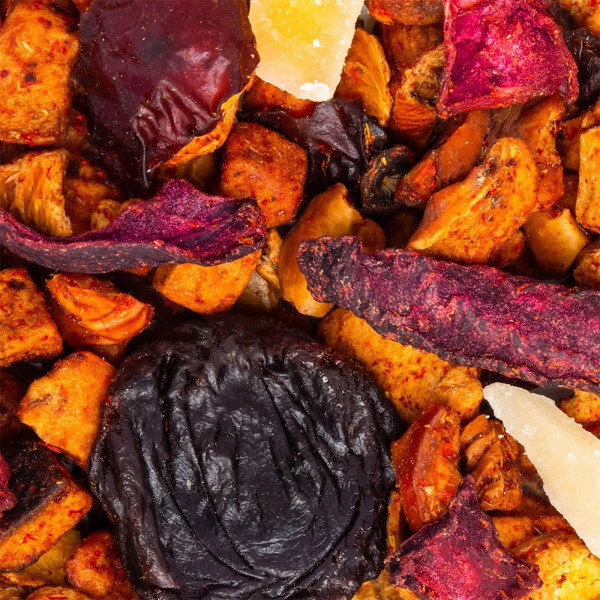
Cherry Cake Herbal Infusion
Cherry Cake herbal infusion, a truly indulgent cherry infusion, captures the warmth of a homemade pastry.
€6.90Discover
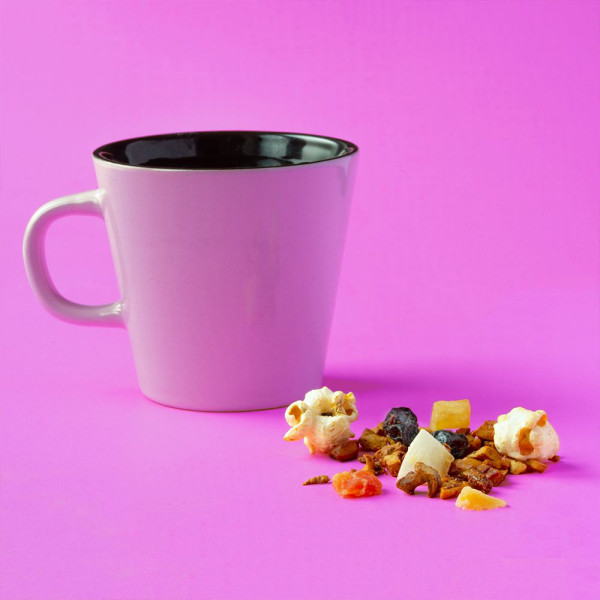
Almond Cloud Herbal Infusion
Almond Cloud herbal infusion is a tender, indulgent almond infusion that brings together roasted almond, apple and popcorn in a…
€7.20Discover
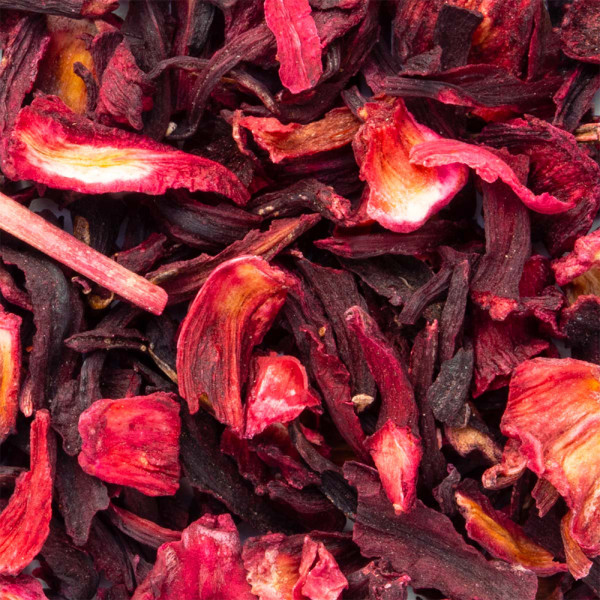
Hibiscus Flowers
Step into a swirl of deep crimson colour and captivating flavour with our hibiscus herbal infusion!
€5.90Discover