Ginger Herbal Infusion: 7 Benefits & Homemade Recipe

In brief: Ginger (Zingiber officinale) is a warming, invigorating spice, traditionally enjoyed as an infusion around the world. Its characteristic compounds, gingerols and shogaols, give it that unmistakable kick and have been the subject of scientific study for over 30 years. Use 1 teaspoon (3 g) of freshly grated or powdered root per 8 fl oz (25 cl) cup, steep for 10 minutes at 200°F (95°C), and drink a maximum of 2 to 3 cups per day.
Ginger is one of the best-documented plants in modern herbal medicine. Native to Southeast Asia, this aromatic rhizome has been used for over 2,500 years in Ayurvedic and Chinese medicine. Its primary interest lies in gingerols and shogaols, two families of active compounds studied in several hundred scientific publications. This page covers recognised uses, the correct way to prepare a ginger infusion, and the precautions worth knowing.
For a ready-to-use infusion, explore our organic ginger herbal infusion, and for lovers of whole root, our organic ginger pieces.
Ginger: an ancient spice with a well-documented history
The ginger rhizome features in the HMPC community herbal monograph of the EMA, which catalogues plants with a long tradition of use as infusions. It is notably mentioned for: Ginger is also one of the spices in Chai tea, alongside cinnamon and cardamom.
- its well-established use, rooted in the European tradition of travel.
- its traditional use as an everyday spice, appreciated after meals.
It is one of the most thoroughly referenced infusion spices recognised by this authority. Ginger also ranks among the most studied plants in herbal medicine: its unique composition continues to inspire a wealth of scientific research exploring its richness.
What tradition and experience attribute to ginger infusion
Here are the uses and impressions that tradition and experience have long associated with ginger:
- A warming, comforting spice: in many cultures, ginger is the spice people reach for when they want an infusion with lively notes and an enveloping warmth.
- An after-dinner ritual: in many countries, ginger is savoured as an infusion at the end of a meal, a convivial little tradition.
- A bold character: ginger owes its heat to its gingerols, compounds that awaken the palate and define its aromatic identity.
- A warming sensation: ginger delivers a pleasant sense of warmth in the mouth, particularly welcome on cold days.
- Antioxidant power: gingerols rank among the most active antioxidants found in spices.
What science does not support: ginger does not cause significant weight loss, does not treat viral infections, is not an appetite suppressant, and its aphrodisiac reputation owes more to folklore than to pharmacology.
How to prepare a great ginger infusion
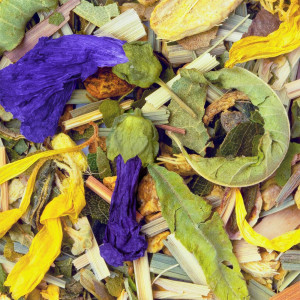 Ginger Herbal Infusion€7.60
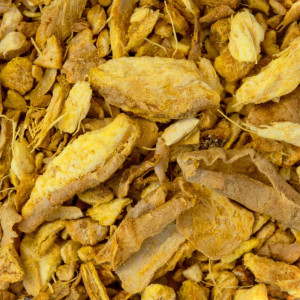 Organic Ginger Pieces€7.90
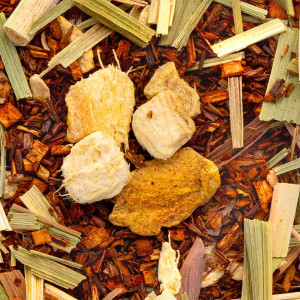 Ginger Lemon Rooibos€8.00
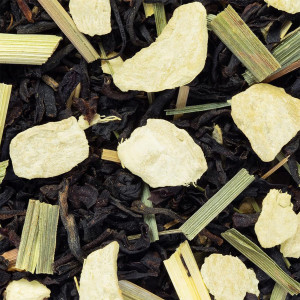 Organic Ginger Lemon Black Tea€8.80
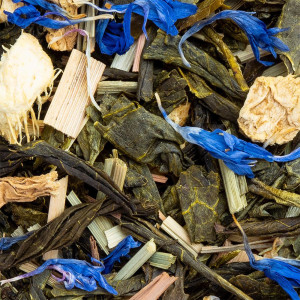 Ginseng Ginger Green Tea€7.90
Fresh ginger and powdered ginger yield different results. Here is how to get it right:
With fresh ginger (recommended)
- Amount: 3 to 5 slices of fresh rhizome (or 1 teaspoon of grated ginger) per 8 fl oz (25 cl) cup.
- Water: bring to a simmer (200°F / 95°C), then pour over the ginger.
- Time: steep for 10 minutes with the cup covered. For a stronger flavour, make a decoction (a gentle 3-minute simmer).
- Straining: pass through a fine-mesh sieve.
With powdered ginger
- Amount: 1 level teaspoon (2 g) per 8 fl oz (25 cl) cup. Powder is more concentrated than fresh root.
- Preparation: pour simmering water over the powder, steep for 8 to 10 minutes, stirring regularly.
- Straining: not necessary, as the powder partly dissolves.
Ginger, lemon and honey recipe
A time-honoured recipe that softens ginger's bite while bringing out its aroma:
- 3 to 5 slices of fresh ginger in 8 fl oz (25 cl) of simmering water.
- Steep for 10 minutes, then remove the pieces.
- Add the juice of half a lemon and 1 teaspoon of honey.
- Stir and enjoy hot, ideally in the morning or mid-afternoon.
A maximum of 2 to 3 cups per day is recommended, over a short course of 5 to 7 days if you are experiencing discomfort. For regular use, keep it to 1 to 2 cups daily.
Delicious pairings that bring out ginger's best
Ginger pairs beautifully with many plants and spices. Prefer a ready-made blend? Browse our loose-leaf ginger and lemon infusions, with or without caffeine.
- For an after-meal pause: ginger, peppermint and fennel. Our digestive herbal infusion guide explains the logic behind this blend.
- For the cold season: ginger, cinnamon, clove and lemon. A simplified take on a classic Indian Chai.
- For a vitality boost: ginger, turmeric, black pepper and plant-based milk (golden milk).
- For a refreshing twist: ginger, lemon and mint as a cold brew infusion in summer.
Precautions and contraindications
Ginger is generally well tolerated, but certain situations call for caution:
- Pregnancy: to be safe, limit intake to 1 g per day of fresh ginger (roughly 1 cup) and always seek advice from your midwife or doctor before consuming it regularly, especially at higher doses or over an extended period.
- Anticoagulant therapy: ginger may enhance the effect of vitamin K antagonists and aspirin. Let your doctor know about your consumption.
- Gallstones: ginger stimulates bile production, which may be unsuitable in cases of bile duct obstruction.
- Active gastric ulcer: may worsen discomfort at high doses.
- Diabetes: a mild hypoglycaemic effect is possible; monitor closely if you are on medication.
- High blood pressure: ginger may influence blood pressure. Use in moderation if you have a cardiovascular condition and are on treatment.
- Before surgery: discontinue use 2 weeks beforehand to reduce the risk of bleeding.
The ANSES notes that moderate use (1 to 3 g of rhizome per day) is well tolerated in healthy adults.
Disclaimer: the information in this article is for educational purposes only and does not replace medical advice. If you are pregnant, taking medication, managing a chronic condition, or have any doubts, please consult your doctor or pharmacist. Herbal infusions are not medicines.
Sources: European Medicines Agency, Community herbal monograph on Zingiber officinale Roscoe, rhizoma (HMPC) · Borrelli F. et al., American Journal of Obstetrics and Gynecology on ginger and pregnancy-related nausea (PMID:19216660) · Black C.D. et al., Journal of Pain on muscle soreness after exercise (PMID:21031618) · ANSES, recommendations on the use of plants as herbal infusions.
Written by
Julien Huot, founder of Thés & Traditions. Tea selector since 2016, trained in tasting and passionate about sharing the cultures of tea and herbal infusions.
Published 18 April 2019 · Updated 21 May 2026
Frequently asked questions
- A maximum of 2 to 3 cups over a short course of 5 to 7 days if you are experiencing discomfort. For daily use, keep it to 1 to 2 cups. Allow roughly 1 g of ginger per cup.
- Because in many cultures, ginger is the comforting spice people love to take on a journey. This traditional use is ancient and well established, and the plant is listed among those recognised by the EMA. For any health-related questions, please seek advice from a healthcare professional.
- Fresh ginger offers a more aromatic flavour and a balanced concentration of gingerols. Powder is richer in shogaols (the dehydrated form of gingerols), with a sharper, spicier taste. Both are perfectly valid; simply adjust the amount accordingly.
- During pregnancy, caution is important: keep to a moderate amount (around 1 cup per day) and, above all, ask your midwife or doctor before consuming it regularly. They are best placed to advise you based on your individual situation.
Going further
To explore your wellness journey further, browse our guide to herbal infusions for digestive comfort, discover our cinnamon infusion guide, which pairs beautifully with ginger, or visit our clove guide for warming combinations. Ready to shop? Explore our full range of organic herbal infusions.
Prefer to measure your own infusions? Our organic ginger pieces are perfect for the job.
Tempted to try it?
Our selection related to this article, loose leaf and organic.
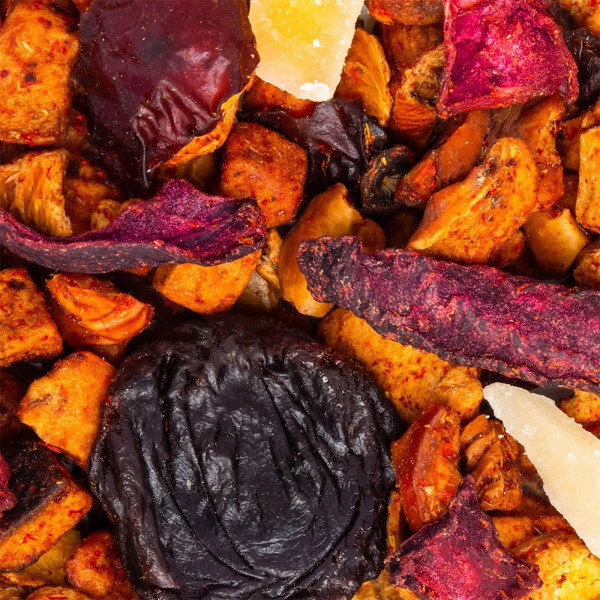
Cherry Cake Herbal Infusion
Cherry Cake herbal infusion, a truly indulgent cherry infusion, captures the warmth of a homemade pastry.
€6.90Discover
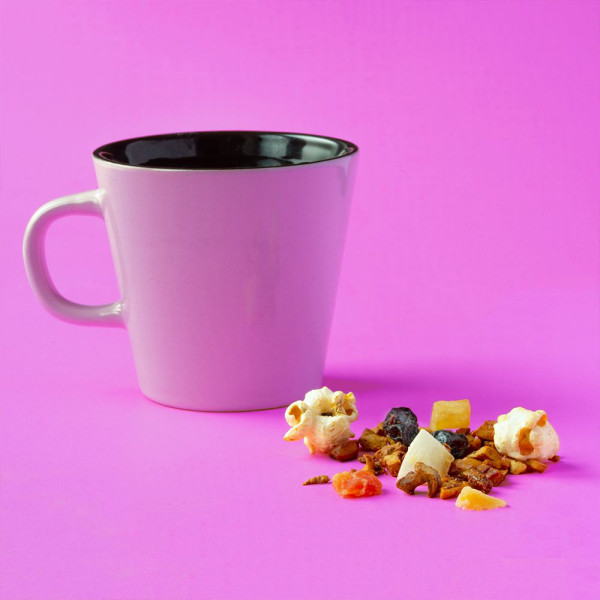
Almond Cloud Herbal Infusion
Almond Cloud herbal infusion is a tender, indulgent almond infusion that brings together roasted almond, apple and popcorn in a…
€7.20Discover
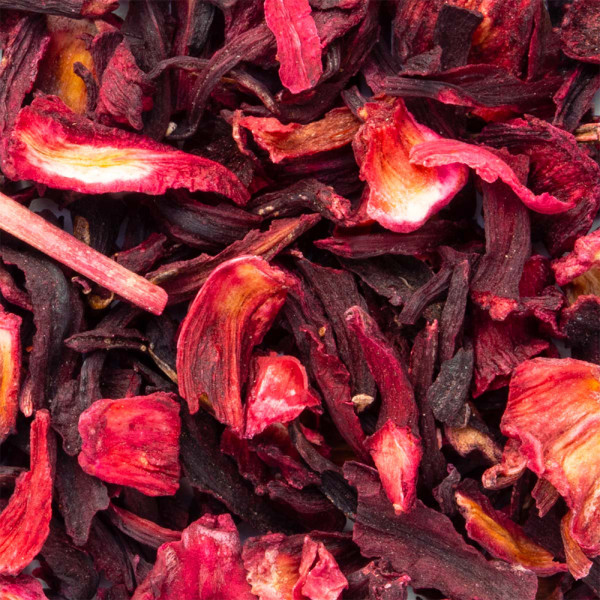
Hibiscus Flowers
Step into a swirl of deep crimson colour and captivating flavour with our hibiscus herbal infusion!
€5.90Discover