Breastfeeding herbal tea: which infusion to choose

In brief: During breastfeeding, certain plants are traditionally used to support milk production: fennel, anise, fenugreek, cumin, and goat's rue. Others should be avoided, as their compounds pass into breast milk (sage, concentrated parsley, peppermint in large amounts, all of which may reduce milk supply). Always consult your midwife or doctor before starting any regular herbal routine.
Breastfeeding is a time when what a mother consumes can pass, in part, into her milk. Herbal infusions are no exception: some may support milk production (known as galactagogues), while others can reduce it or have unwanted effects on the baby. This page draws a clear distinction between the two, and is not a substitute for professional advice.
Traditional galactagogue plants
Several plants have been used for generations to support breast milk production. Scientific evidence remains limited, but traditional use is well established:
- Fennel (Foeniculum vulgare, fruit): the most iconic galactagogue plant. Studies on infant colic suggest good tolerability.
- Anise (Pimpinella anisum): traditional galactagogue use.
- Cumin (Cuminum cyminum): traditional use similar to fennel.
- Fenugreek (Trigonella foenum-graecum): widely used in Arabic and Indian traditions to support lactation. It can give a distinctive smell to milk and perspiration.
- Goat's rue (Galega officinalis): traditional galactagogue use.
- Nettle as a short course: remineralising and toning for a tired new mother. See our nettle guide.
Plants to avoid while breastfeeding
- Common sage: documented anti-galactagogue effect, traditionally used for weaning.
- Peppermint in large amounts: may reduce milk supply.
- Concentrated parsley infusion: anti-galactagogue.
- Liquorice in high doses: may affect the mother's blood pressure.
- Stimulating plants taken as a course (yerba mate, guarana): caffeine passes into breast milk.
- Intensive draining plants: risk of dehydration and mineral imbalance.
- Essential oils taken orally: avoid without professional guidance.
- Green and black tea: limit caffeine to 1 to 2 cups per day.
Recipes to support milk production
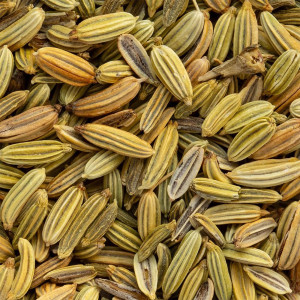
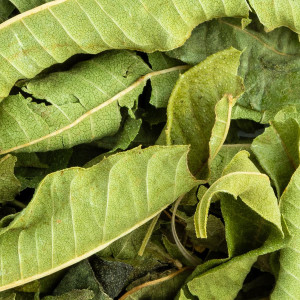
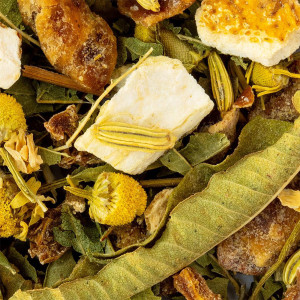
- Classic galactagogue blend: fennel, anise, and cumin in equal parts. One teaspoon per 250 ml cup, steeped for 8 minutes, 2 to 3 cups a day.
- A more complete version: fennel, goat's rue, and nettle. Traditionally valued during breastfeeding, it also provides minerals for the mother.
- For the tired new mother: nettle, lemon verbena, and lime blossom. Remineralising and soothing.
- For a gentle moment: fennel tea is a time-honoured favourite among new mothers. Any use for the baby should always be validated by a healthcare professional.
Good breastfeeding practices
Before turning to galactagogue plants, the most reliable ways to support healthy milk production are:
- Frequent, on-demand feeds: stimulation is the primary driver of production.
- Staying well hydrated: at least 2 litres of water per day.
- A balanced diet: around 400 to 500 extra kcal per day compared to before pregnancy.
- Sleep and rest: stress and fatigue can reduce milk supply.
- Support: midwife, lactation consultant, or a breastfeeding support group.
Important precautions
- Everything the mother consumes passes in part into her milk, including the active compounds in plants.
- Seek advice from your midwife, lactation consultant, or paediatrician before starting any herbal course.
- Watch your baby: changes in mood, digestive upset, or a rash may be linked to a plant you have consumed.
- Short courses only: 2 to 3 weeks at a time, varying the plants used.
- Choose reliable sources: opt for organic plants, ideally from a pharmacy.
- If milk supply is a concern: consult a professional before reaching for more herbal teas. The causes may be hormonal, mechanical, or related to feeding frequency.
Disclaimer: the information in this article is for educational purposes only. It does not replace advice from a healthcare professional (midwife, doctor, or lactation consultant). Breastfeeding difficulties have multiple causes that require a personalised assessment.
Sources: European Medicines Agency, monographs (Foeniculum vulgare, Pimpinella anisum) · Anheyer D. et al., Pediatrics on fennel and infant colic (PMID:29110636) · ANSES, recommendations on the use of plants during breastfeeding · WHO, guidelines on breastfeeding.
Written by
Julien Huot, founder of Thés & Traditions. Tea selector since 2016, trained in tasting and passionate about sharing the cultures of tea and herbal infusions.
Published 17 April 2019 · Updated 21 May 2026
Frequently asked questions
- The classic galactagogues: fennel, anise, cumin, fenugreek, and goat's rue. Always use in moderate amounts and with guidance from your midwife or lactation consultant.
- 2 to 3 cups a day over a short course (2 to 3 weeks). Vary the plants you use and avoid drinking the same one every day for months.
- Common sage (anti-galactagogue, used for weaning), concentrated parsley, peppermint in large amounts, and draining or stimulating plants.
- Partly, yes. Everything you consume passes in small amounts into your milk. That is why it is best to stick to gentle, well-tolerated plants in moderate doses.
Further reading
Browse our guide to herbal teas during pregnancy, our chamomile guide, or our ginger guide. To explore our range, visit our wellness infusions.
Tempted to try it?
Our selection related to this article, loose leaf and organic.
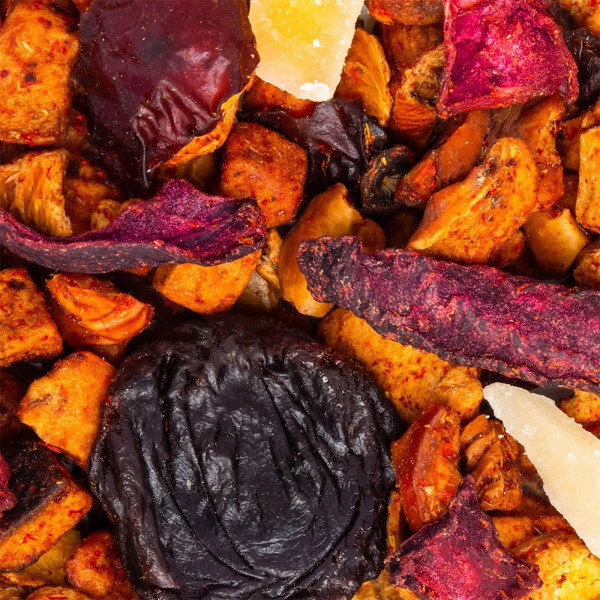
Cherry Cake Herbal Infusion
Cherry Cake herbal infusion, a truly indulgent cherry infusion, captures the warmth of a homemade pastry.
€6.90Discover

Almond Cloud Herbal Infusion
Almond Cloud herbal infusion is a tender, indulgent almond infusion that brings together roasted almond, apple and popcorn in a…
€7.20Discover
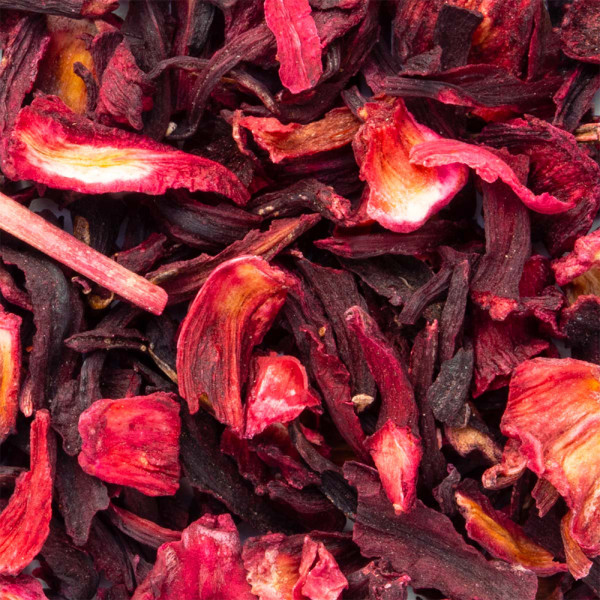
Hibiscus Flowers
Step into a swirl of deep crimson colour and captivating flavour with our hibiscus herbal infusion!
€5.90Discover