Fruit Herbal Infusions: Enjoy as Often as You Like

In brief: Fruit herbal infusions are caffeine-free, naturally indulgent infusions made from dried fruits (apple, orange, lemon, berries), sometimes enriched with flowers and spices. Perfect for the whole family at any time of day, served warm in winter or chilled in summer. Use 1 tablespoon per 25 cl cup and steep for 8 to 10 minutes.
Fruit herbal infusions are among the most approachable in the world of infusions. Caffeine-free and naturally flavourful, they suit children and adults alike, at any hour and in any season. This guide covers their typical ingredients, preparation tips, and a few recipe ideas to help you explore them.
What goes into a good fruit herbal infusion
Fruit herbal infusions typically bring together several ingredients to balance taste and colour:
- Hibiscus: gives the signature ruby colour and tangy note.
- Rosehip: rich in vitamin C, with a soft fruity note.
- Dried apple: rounds out and mellows the blend.
- Orange and lemon peel: citrus brightness and freshness.
- Berries: raspberry, blackberry, strawberry, blackcurrant, cranberry.
- Spices: cinnamon, ginger, clove for winter blends.
- Flowers: hibiscus, rose, elderflower, calendula for colour and aroma.
Fruit herbal infusion families
- Red berry infusion: raspberry, strawberry, blackberry, hibiscus. Ruby-coloured, tangy, and indulgent.
- Tropical fruit infusion: mango, pineapple, passion fruit, papaya. A taste of the tropics.
- Citrus infusion: orange, lemon, grapefruit, mandarin. Bright and invigorating.
- Apple and cinnamon infusion: the warming winter classic.
- Fruit and herb infusion: with rooibos, hibiscus, or soothing plants (verbena, lemon balm).
How to prepare a fruit herbal infusion
- Dose: 1 tablespoon (3 g) of blend per 25 cl cup.
- Water: bring to a near-boil (95°C / 200°F).
- Steeping time: 8 to 10 minutes. Dried fruits need a longer steep than leaves.
- Straining: pass through a fine-mesh strainer for a clear drink, or leave the pieces in for a more rustic look.
- Sweetening: a touch of honey works beautifully; refined sugar is best avoided.
The cold version: cold brew fruit infusion
One of the best ways to enjoy fruit herbal infusions in summer:
- 3 tablespoons of blend in 1 litre of cold water.
- Refrigerate for 6 to 8 hours (overnight is ideal).
- Strain, then serve chilled over ice with fresh mint.
- Sparkling variation: add sparkling water just before serving.
When to drink fruit herbal infusions
- Morning: a gentle alternative to tea or coffee for those who are sensitive to caffeine.
- Afternoon: a naturally flavoured alternative to sodas and sugary drinks.
- Evening: caffeine-free and soothing as a warm bedtime drink.
- With children: a lovely way to get them drinking naturally flavoured water.
- Summer: cold-brewed, refreshing and hydrating.
Tips and precautions
- Hibiscus in large amounts: mild hypotensive effect; best moderated if you have low blood pressure or take antihypertensive medication.
- Tooth enamel: hibiscus-based infusions are acidic. If you drink them very frequently, consider using a straw.
- Pregnancy: during the first trimester, opt for blends without large quantities of hibiscus.
- Rosaceae allergy: rare, but possible with strawberry, raspberry or apple in sensitive individuals.
- Choose organic: especially for citrus peel, which may carry residues.
Disclaimer: the information in this article is intended for educational purposes. Fruit herbal infusions are beverages to be enjoyed, not medicines.
Sources: ANSES, guidance on the use of fruits in infusions · CIQUAL, nutritional composition table for foods · EFSA, opinions on citrus fruits and berries.
Written by
Julien Huot, founder of Thés & Traditions. Tea selector since 2016, trained in tasting, and passionate about sharing the cultures of tea and botanical infusions.
Published 20 June 2019 · Updated 21 May 2026
Frequently asked questions
- No, unless they are blended with tea. That is one of their great advantages: you can drink them at any time of day.
- Tangy blends (red berries and hibiscus) are perfect cold-brewed. Citrus infusions (orange, lemon) are wonderfully refreshing.
- 24 to 48 hours in the refrigerator in a sealed container. After that, the flavour and antioxidants begin to fade.
- Both work beautifully. Warm in winter for a soothing ritual, cold-steeped in summer for a light, refreshing drink.
Explore further
Take a look at our red berry infusion guide, our hibiscus guide, our lemon infusion guide, or our cranberry guide. Ready to shop? Browse our organic range.
Extend this moment in a summer version with our teas and infusions to enjoy iced.
Tempted to try it?
Our selection related to this article, loose leaf and organic.
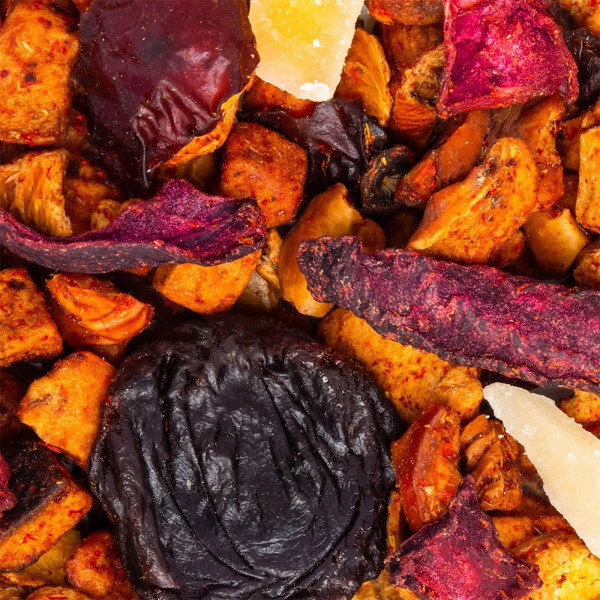
Cherry Cake Herbal Infusion
Cherry Cake herbal infusion, a truly indulgent cherry infusion, captures the warmth of a homemade pastry.
€6.90Discover
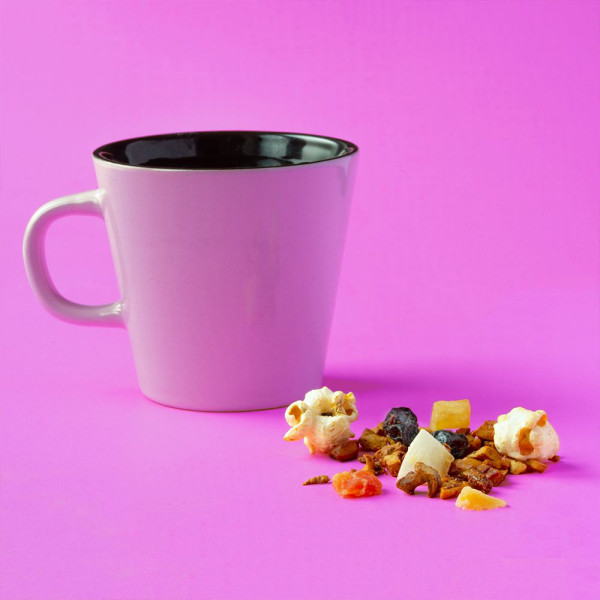
Almond Cloud Herbal Infusion
Almond Cloud herbal infusion is a tender, indulgent almond infusion that brings together roasted almond, apple and popcorn in a…
€7.20Discover
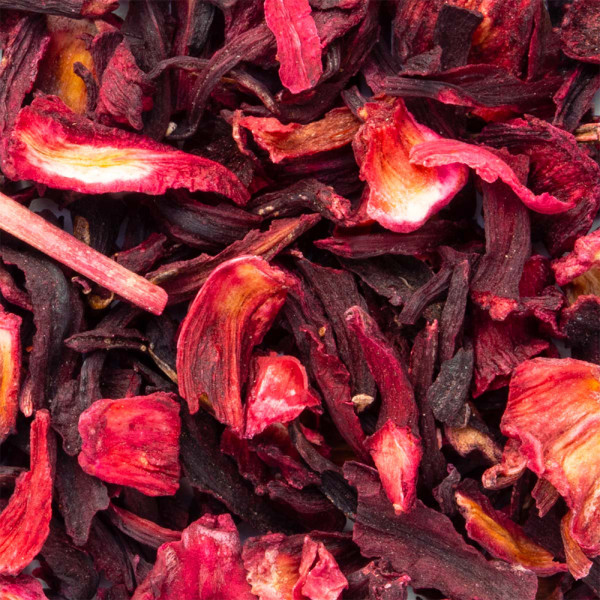
Hibiscus Flowers
Step into a swirl of deep crimson colour and captivating flavour with our hibiscus herbal infusion!
€5.90Discover