Organic LOVE PICK
A lemon tea is where black, green or white tea meets citrus zest: a bright, refreshing drink that lifts you up in the morning just as well as the afternoon. Loved by citrus enthusiasts, our loose-leaf blends, mostly organic, pair that tangy aroma with bergamot, ginger, fig or apricot. Looking for a caffeine-free option for the evening? Take a look at our lemon herbal infusions instead.
Every blend in our selection pairs a tea base with a touch of citrus, sometimes lifted by an added flavour. Here is how they break down, to help you choose by taste and time of day.
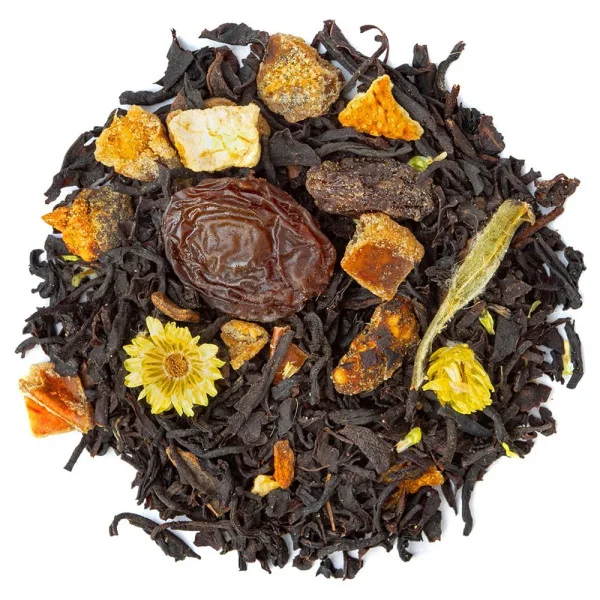
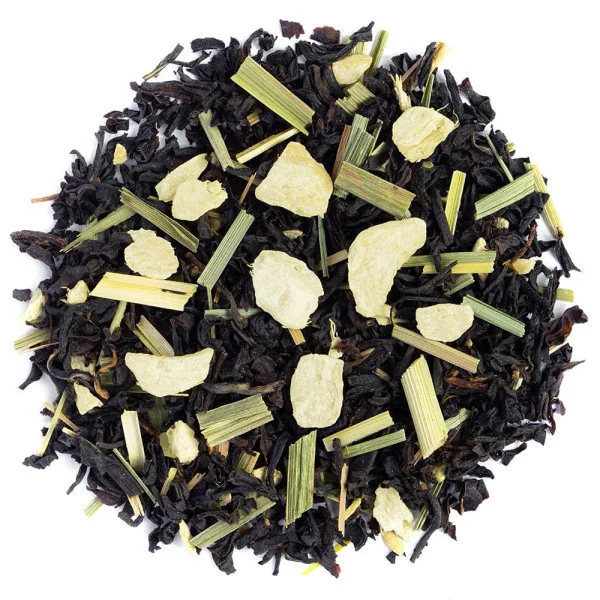
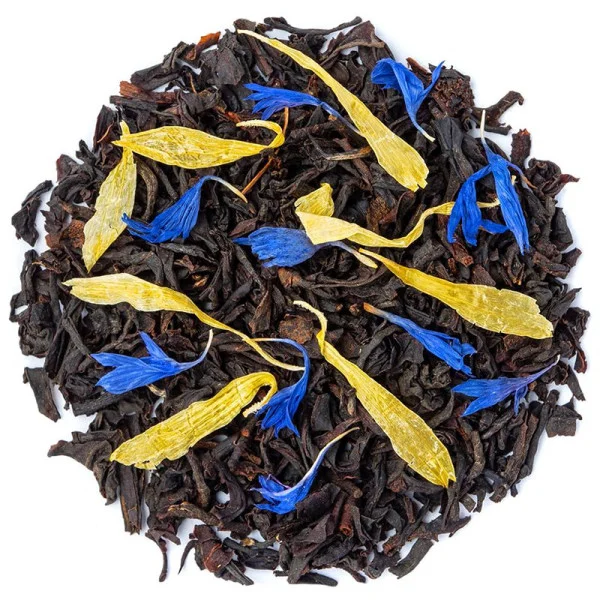
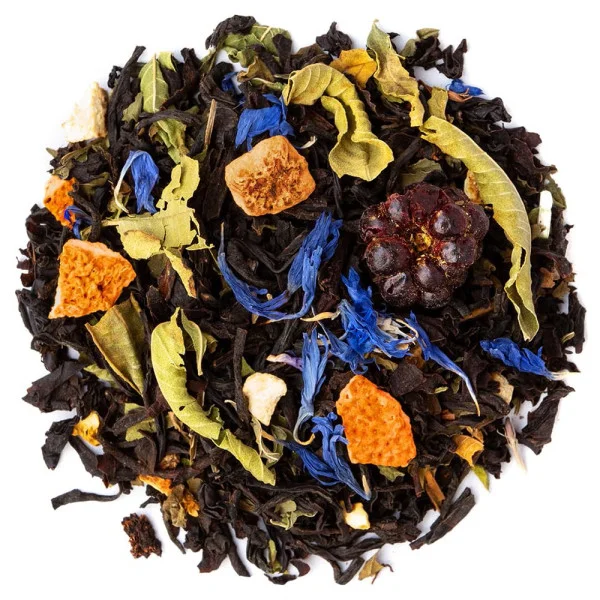
Our organic Russian Earl Grey brings together lemon, grapefruit and bergamot: it is our most popular lemon tea. The ginger lemon black tea pairs a full-bodied Assam with a warming spice. On the indulgent side, the date, fig and lemon black tea and the blackberry lemon black tea soften the citrus edge with a fruity note.
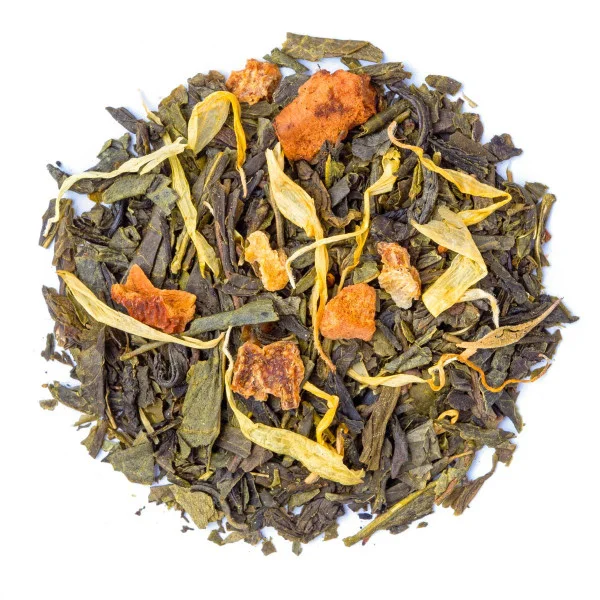
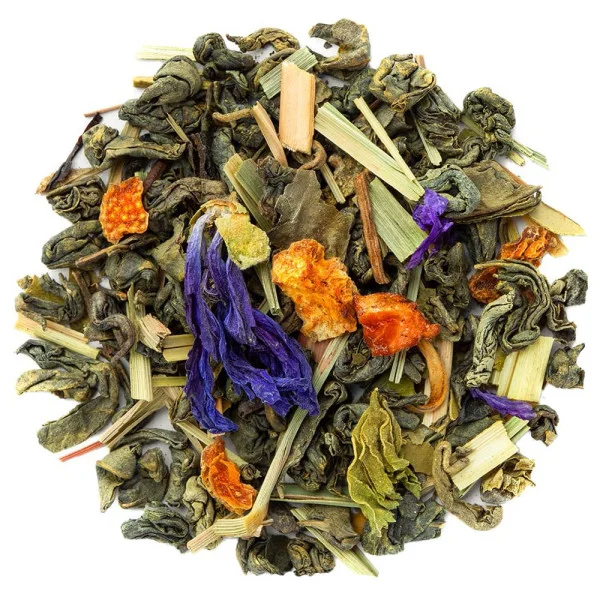
The organic Yangtze green tea blends a delicate Sencha with a tangy citrus touch and a hint of ginger, lovely from morning to evening. The Tondao green tea plays on apple and lemon, refreshing whether served hot or iced. The Energising and Supergreen blends also weave in citrus zest alongside botanicals and matcha.
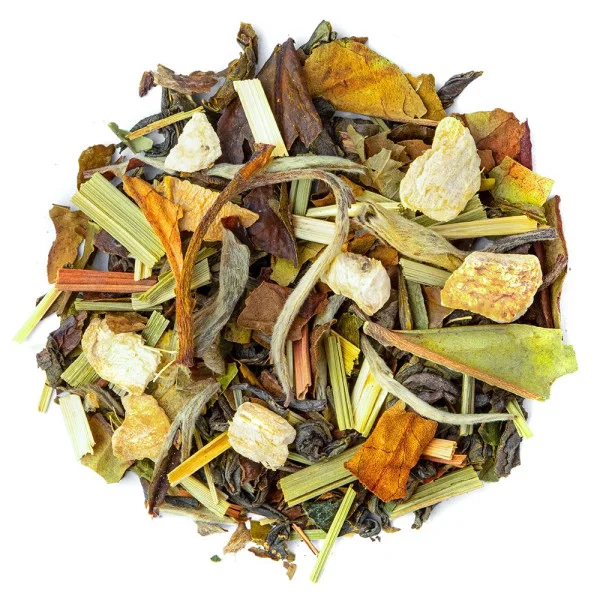
The ginger lemon white tea delivers a clear, silky liquor. The Kunming white tea pairs lemon with lavender and rosemary. On the oolong side, the Dongaao marries citrus peel with the roundness of apricot.
Black tea produces a round, full-bodied cup that the lemon zest lifts beautifully: ideal at breakfast. Green tea is lighter and more vegetal, with a brightness that the citrus sharpens nicely: perfect in the afternoon or on a summer's day. White tea, more delicate still, lets the zest's aromas unfold with quiet grace.
Lemon loves good company. Paired with ginger, it makes for a warming, spiced drink, as in our ginger lemon herbal infusions; with bergamot, it brings Earl Grey to mind; with fig, date or apricot, it turns richly indulgent; with orange or mint, it becomes even more refreshing. If you enjoy citrus flavours, our Earl Grey teas are well worth exploring.
Our lemon-flavoured teas are sold loose-leaf and are largely organically grown: the status of each is shown on its product page. With loose-leaf, the leaves and zest have room to open in the water, releasing a more intense aroma than a tea bag can offer. A tea infuser or a filter is all you need.
What is lemon tea?
It's a black, green, white or Oolong tea scented with citrus zest, sometimes blended with other ingredients such as ginger, bergamot or fruit. You can also make your own by adding a squeeze of fresh juice to a plain tea.
Does lemon tea contain caffeine?
Yes, since it's made from tea leaves. Black tea tends to have a little more caffeine than green or white. For a tangy, caffeine-free drink, go for an herbal infusion instead.
Does lemon tea help with weight loss?
No tea is a weight-loss solution on its own. Drunk plain, without sugar, it's simply a very low-calorie drink that makes a pleasant alternative to a soda or a juice.
What are the benefits of lemon tea?
Fresh lemon juice provides vitamin C, and tea naturally contains antioxidants. For the traditional uses of lemon and any precautions to be aware of, take a look at our lemon herbal infusion guide.
Can you add milk to lemon tea?
It's best avoided: the acidity causes the milk to curdle. For a tea with milk, a plain black tea or a Chai works much better.
How should lemon tea be stored?
Keep it in an airtight tin, away from light, heat and moisture. The zest will hold its aroma for many months this way, a tip that applies to all flavoured teas.
For a proper cup, use one teaspoon of loose leaves per cup, or around ten grams per liter of hot water. Black tea steeps best for three to four minutes in water at about 90 °C (195 °F); green or white tea prefers a gentler heat, around 75 to 80 °C (165 to 175 °F), for two to three minutes. There's no need to bring the water to a full boil: too hot, and it will turn green tea bitter. Exact steeping times and temperatures are listed on each product page.
For a homemade version starting from a plain tea, add a squeeze of lemon or lime juice, or a thin slice, once the infusion is done. Honey dissolves better into a warm drink than a boiling one. Avoid milk, though: the acidity will cause it to curdle.
In summer, make an iced lemon tea: brew with twice the usual amount of leaves, let it cool, then pour over ice in a pitcher or tall glass with a few citrus slices. For something even smoother, try a cold brew: one teaspoon per 200 ml of cold water, left in the fridge for six to eight hours. Find more ideas in our iced teas selection.
It pairs naturally with breakfast or an afternoon break. If you're caffeine-sensitive, it's worth avoiding a cup right before or after a meal. Like all tea, it contains caffeine: for evenings, a lemon herbal infusion makes a naturally caffeine-free alternative.

French House
Independent since 2016.
Fast delivery
Home delivery or click & collect.
Made with heart
In the south of France.
Customer service
A real voice at the end of the line,
Monday to Friday: 04 22 91 35 75.
Sharing, passing it on: our teas, our tips, the occasional unexpected idea, and little attentions just for you. Pure pleasure, ready to steep.