How to Brew Oolong Tea: Method & Gong Fu Cha Guide

Oolong tea: how to brew it?
The Oolong is a Chinese tea that can be prepared two ways. The classic method, used for most teas, involves bringing water to temperature and pouring it over the leaves held in a tea infuser.
For brewing Oolong tea, we recommend a steeping time of 5 to 7 minutes in water heated to 95°C. The Gong Fu Cha method, rooted in Chinese tea culture, is traditionally used in Taiwan to prepare Pu-erh, green tea and Oolong. Bear in mind that this method produces a more concentrated brew, so it is best enjoyed in small quantities.
Brewing Oolong tea step by step
- Prepare your teapot and cups
- Rinse the teapot with hot water, then discard the water into a reserve pot
- Place the Oolong leaves in the teapot, then rinse them briefly with water to rehydrate them
- Pour the rinsing water into the reserve pot, then transfer its contents into the tasting cup
- Empty the cup
- Fill the teapot again with fresh water and steep for 30 seconds to 1 minute. Pour the entire infusion into the reserve pot.
- You can now pour the infusion into the tasting cup and enjoy.
- The same leaves can be steeped up to 2 times.
Oolong multiple infusions
Organic Oolong tea has unique properties that stem from an oxidation process quite unlike any other tea. For this reason, it is the only tea in the world capable of being steeped multiple times, provided you choose a good-quality Oolong.
How to steep Oolong tea?
Oolong tea is brewed much like any other tea, with a few nuances. It can be steeped for longer than most teas, and even brewed more than once. Getting the leaf quantity right matters: as a guide, use 2 grams of tea per 150ml of water. To get the best from your Oolong, pay attention to both the water temperature and the steeping time. No need to worry, though: every one of our Oolong teas includes full brewing instructions on the packaging. Simply follow the guidelines on each pack for a perfect cup every time.
Milk Oolong: a note on preparation
The term "milk Oolong" does not refer to a preparation of Oolong tea with milk, but to a specific type of Oolong in its own right. It comes from a Taiwanese cultivar called Jin Xuan. This tea is instantly recognisable for its creamy, smooth texture, which earned it the name "milk Oolong".
Tempted to try it?
Our selection related to this article, loose leaf and organic.
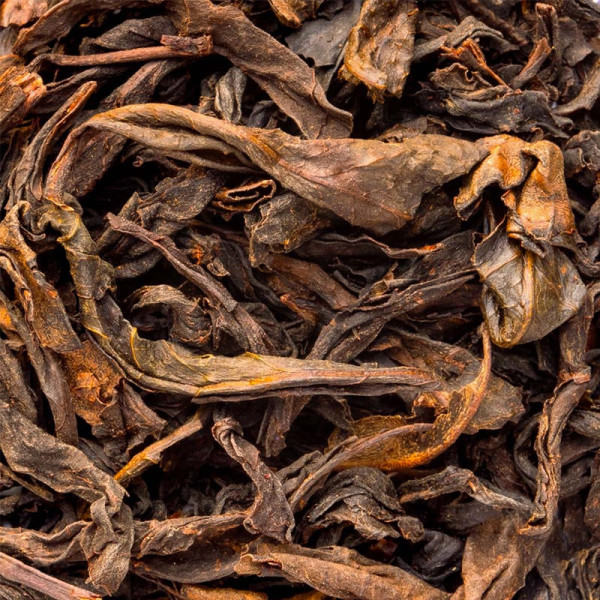
Oolong Shui Xian
Organic Shui Xian oolong is a Chinese tea of rare elegance, semi-oxidised and grown on the mineral-rich slopes of Fujian.
€7.40Discover
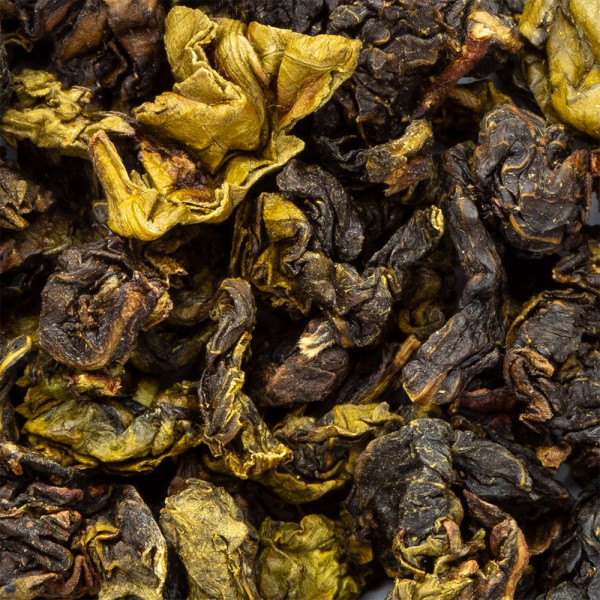
Milky Oolong
Milky Oolong from China reveals naturally milky, velvety notes — the hallmark of great semi-oxidised oolong teas.
€13.90Discover
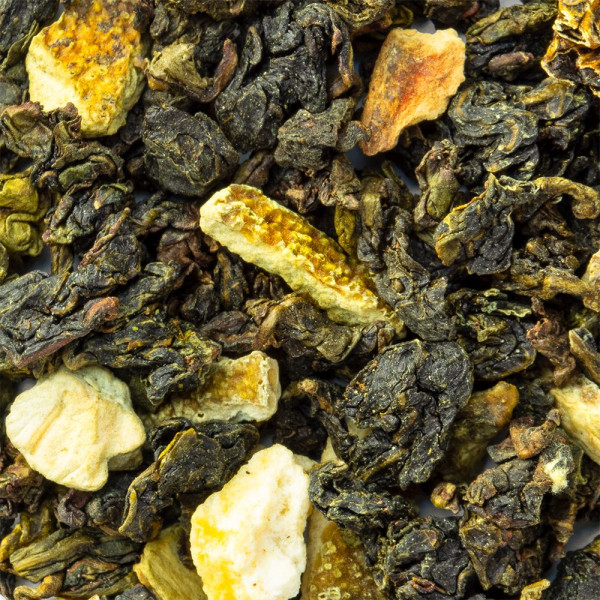
Orange Oolong
Organic orange oolong brings together a semi-oxidised oolong with orange peel and mango pieces.
€10.90Discover