 Oolong Tea



LOVE PICK
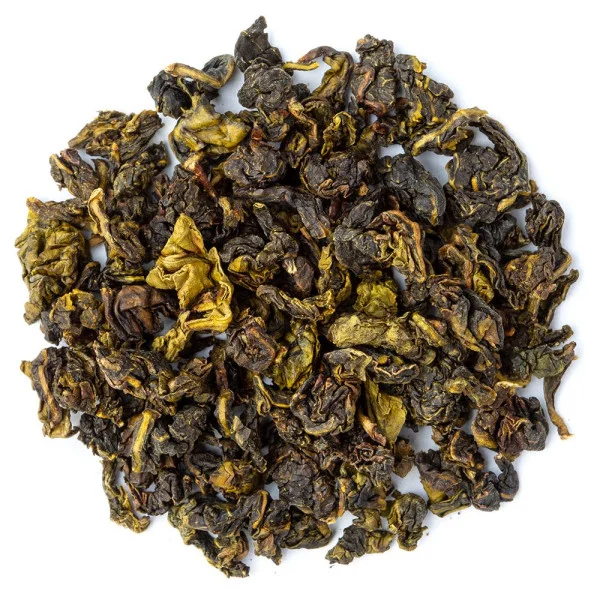
Milky Oolong
Renowned Oolong prized for its creamy infusion and silky aroma
 Main Note:
Pure
Main Note:
Pure
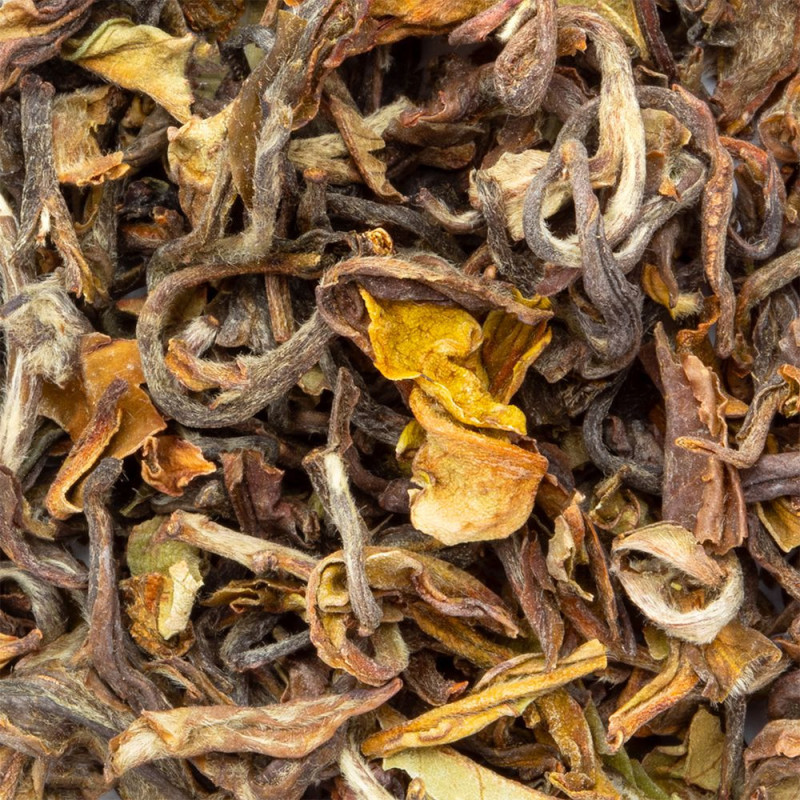
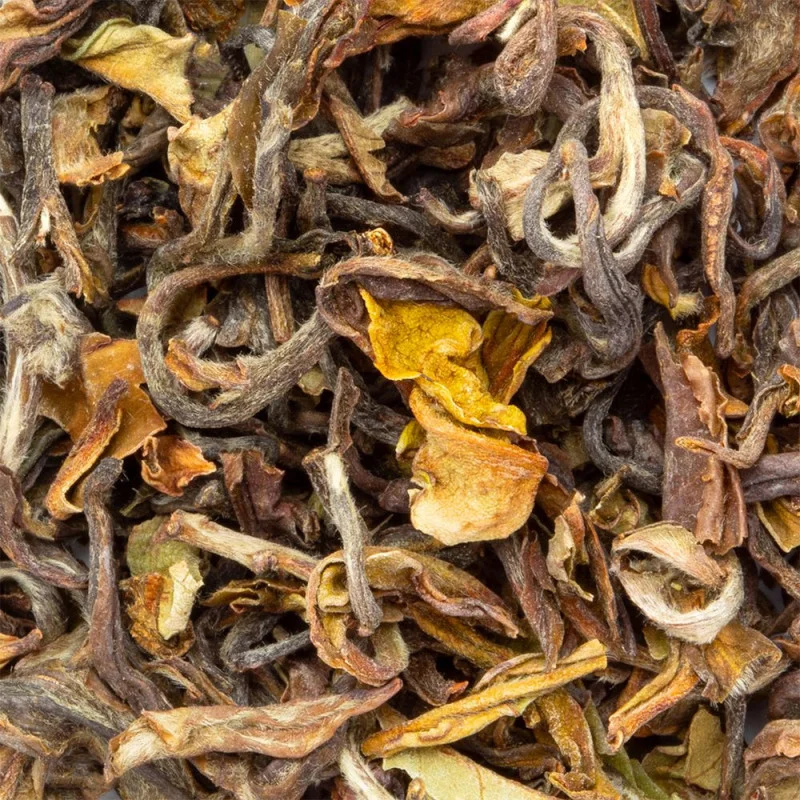
Our Oolong Nepal 1st Flush Jun Chiyabari is a rare single-origin tea, grown at altitude along the ridges of the Nepalese Himalayas. Its whole leaves, gently semi-oxidised, unfold a floral, honeyed and subtly woody profile. A bright, pure cup to enjoy at any time of day.
our expertise


In our workshop in Provence, each blend is handcrafted with passion by our team.
Real pieces of dried fruit, whole plants and carefully selected teas of origin.
Carefully crafted to create unforgettable tasting moments. A signature taste, an authentic experience.
In brief: Jun Chiyabari Nepal Oolong, organic, spring harvest grown above 1,800 m in the Himalayas. Floral, honeyed and fresh notes. Brew 12 g/L at 70-80°C for 2-3 minutes.
High in the ridges of the Nepali Himalayas, the Jun Chiyabari estate produces one of the most distinctive oolongs in Asia. The leaves grow slowly, bathed in mist and mountain cool, concentrating their aromas into every bud.
This spring harvest (1st Flush) is picked with exceptional care. Julien Huot selected it for the delicacy of its semi-oxidation and the purity it brings to the cup. Explore our oolong selection to go further into this singular family of teas.
The moment you open the pouch, white floral notes rise immediately, lifted by a delicate honeyed aroma and a fruity hint reminiscent of ripe apricot. The twisted whole leaves reveal their full complexity in hot water.
In the cup, the liquor is crystalline, almost golden. The first sip is gentle and floral, with a singular vegetal freshness, almost herbaceous. The mid-palate opens into honey, orange blossom and a velvety roundness characteristic of lightly oxidized oolongs.
The finish is long and silky, leaving a refreshing sensation on the palate. This is a tea of great purity, with no bitterness, and it lends itself beautifully to multiple successive infusions.
This singular profile owes much to its high-altitude terroir: the Himalayan valley, volcanic soils and an artisanal expertise inherited from a producer cooperative committed to organic and fair-trade practices. Every leaf is hand-picked, then shaped using ancestral techniques that control oxidation with great precision.
Preparation is everything when it comes to bringing out the full finesse of this tea. Use 12 grams of leaves per litre of water, roughly a heaped tablespoon for a 300 ml teapot.
Heat low-mineral water to 70-80°C. Water that is too hot will scorch the delicate aromas and harden the liquor. Steep for 2 to 3 minutes, watching for the golden colour that gradually fills the cup.
The whole leaves hold up well to multiple infusions: a second or even third cup will reveal different notes, more woody and honeyed with each round. This is one of the great pleasures of this style of tea, which unfolds across several aromatic readings as the tasting progresses.
For a deeper look at the technique, visit our guide how to prepare oolong tea or read the definition of oolong tea. Enjoy this infusion as it is, without sugar or milk, to preserve the purity of its aromatic profile.
Keep the leaves in their original tin or an airtight, opaque container, away from light, moisture and strong odours. Packaged in our workshop, this tea retains its aromatic freshness for 18 to 24 months after opening, provided it is stored somewhere dry and temperate.
What does Nepali oolong tea taste like?
Nepal Oolong offers a clear, golden cup with white floral notes, a honeyed roundness and a delicate vegetal freshness. The finish is long and silky, with no bitterness and a beautifully pure aromatic aftertaste.
How do you prepare oolong tea?
Use 12 g of leaves per litre of low-mineral water, heated to 70-80°C, and steep for 2 to 3 minutes. Whole leaves welcome multiple infusions, each one revealing different notes, growing woodier with successive cups.
Where can I buy Nepali oolong tea?
We source this tea directly from the Jun Chiyabari cooperative in the Nepali Himalayas. It is available here as whole-leaf, organic and fair-trade, fully traceable from producer to cup.
What varieties of oolong tea are there?
Oolongs vary in oxidation level, from 10 to 70%. Lightly oxidized oolongs are floral and fresh, while more oxidized versions become woody and honeyed. Try our Fu Liang Farm oolong to explore a rounder, more toasted profile.

Renowned Oolong prized for its creamy infusion and silky aroma

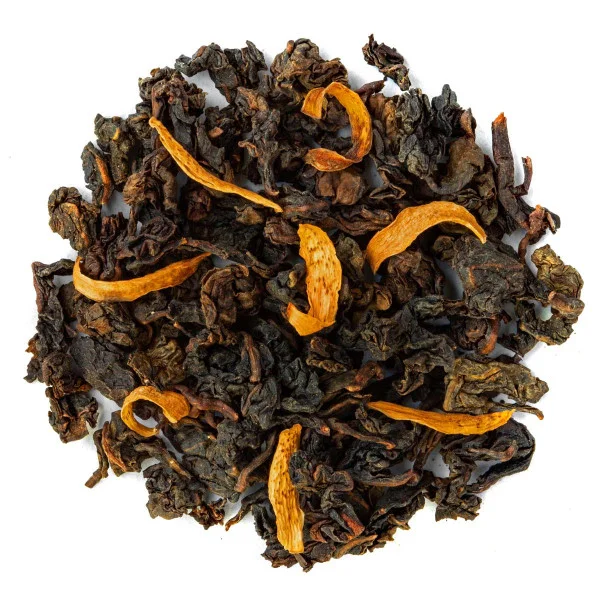
Semi-fermented Oolong tea with orange blossom, rich and soothing


French House
Independent since 2016.
Fast delivery
Home delivery or click & collect.
Made with heart
In the south of France.
Customer service
A real voice at the end of the line,
Monday to Friday: 04 22 91 35 75.
Sharing, passing it on: our teas, our tips, the occasional unexpected idea, and little attentions just for you. Pure pleasure, ready to steep.