Matcha benefits: properties and health virtues

In our family house, we have always seen matcha as far more than a simple green tea. This vibrant green powder, rooted in centuries of Japanese tradition, captivates us with its exceptional nutritional richness and remarkable health properties. Today, we invite you to discover why this Japanese treasure deserves a place at the heart of your daily life.
Key takeaways
- Matcha contains 137 times more antioxidants than regular green tea
- Its unique combination of caffeine and L-theanine delivers gentle, lasting energy
- A powder naturally rich in chlorophyll, the source of its jade-green colour
- Its catechins, including EGCG, make it a drink rich in antioxidants
- Rich in vitamins and polyphenols, it fits naturally into a balanced lifestyle
What makes matcha so exceptional?
Matcha is not like other teas. This fine jade-green powder comes from tencha tea leaves, shade-grown for several weeks before harvest. This unique process develops an exceptional concentration of chlorophyll and nutrients.
Unlike traditional green tea, where the leaves are steeped and discarded, with matcha we consume the whole leaf in powdered form. This fundamental difference explains why the benefits of matcha are so concentrated and so powerful.
In our family approach, quality always comes first. A true ceremonial-grade matcha reveals itself through its characteristic bright green colour and silky texture, signs of its excellence before you even taste it.
Antioxidant properties: a shield for your cells
The antioxidant properties of matcha are simply remarkable. This precious powder is rich in catechins, in particular EGCG (epigallocatechin gallate), an especially potent antioxidant.
These natural compounds act as true guardians of our cells, protecting them against the free radicals responsible for premature ageing. Think of them as an invisible armour that preserves your vitality from within.
What fascinates us is that this richness in antioxidants can be enjoyed every day, as part of a varied diet and a balanced lifestyle. Matcha fits in as a drink to savour, without ever replacing medical advice.
Did you know that matcha's antioxidant concentration surpasses that of many celebrated superfoods? This exceptional richness makes it a valuable ally in preserving your energy and well-being over the years.
Energy and focus: the perfect balance
One of matcha's most appreciated qualities is its ability to provide stable, lasting energy. This unique property comes from the harmonious combination of natural caffeine and L-theanine, an amino acid with calming properties.
Unlike coffee, which can trigger sharp energy spikes followed by sudden crashes, matcha offers a gentle, progressive lift. L-theanine tempers the effects of caffeine, creating a state of calm alertness that is particularly conducive to focus.
This natural synergy explains why Buddhist monks traditionally turned to matcha during long meditation sessions. They discovered intuitively what many still appreciate today: matcha readily accompanies a state of serene awareness.
For us, this quality makes matcha the ideal companion for moments when you want to combine performance and calm, whether you are working on a creative project or pushing through an intense work session.
Chlorophyll and vitality: the signature of matcha
Matcha's richness in chlorophyll deserves particular attention: it is this pigment that gives the powder its distinctive jade-green colour and shapes its singular nutritional profile.
Matcha is also naturally a source of caffeine, traditionally associated with a gentle lift in energy. Its catechins, especially EGCG, are among its most widely studied compounds.
Of course, matcha is not a miracle solution. It is above all to be enjoyed for pleasure, as part of a balanced lifestyle built on a varied diet and regular physical activity.
What we appreciate about this approach is that it respects the body's natural rhythms. Matcha accompanies and supports, without forcing or rushing.
Composition and everyday well-being
Matcha also stands out for its composition: it provides vitamins C and E along with many antioxidants, the kind of elements found in a varied and colourful diet.
Polyphenols are among the natural compounds most present in matcha, and they contribute to its characteristic plant-based richness.
We also enjoy matcha for its soothing side: although it contains caffeine, the presence of L-theanine is often associated with a sense of calm as the day winds down.
This harmony between stimulation and calm is a perfect illustration of the Japanese philosophy of balance, something we hold dear in our approach to matcha.
How to bring matcha into your daily life
The art of enjoying matcha goes well beyond traditional preparation, though that remains our point of reference. You can explore its benefits in many different ways, depending on your tastes and lifestyle.
A matcha latte, for example, offers a gentle introduction for those new to this drink. Blended with plant-based milk and a touch of sweetness, it reveals its aromas while preserving its nutritional properties.
For smoothie lovers, a spoonful of matcha transforms your drink into a true vitality elixir. Paired with fresh fruit and almond milk, it creates a remarkable combination of flavour and nourishment.
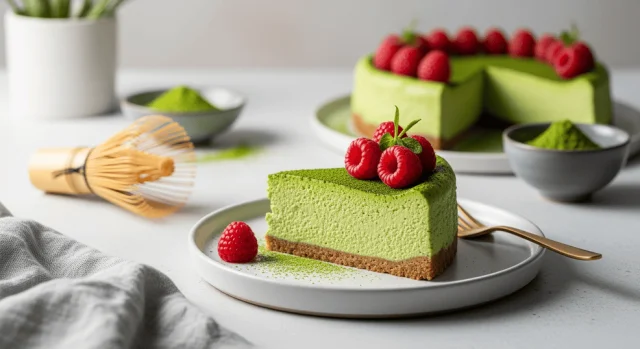
In baking, culinary-grade matcha lends its distinctive colour and benefits to your creations. Matcha macarons, chocolates or ice cream let you bring together pleasure and well-being in one bite.
What matters most, in our view, is choosing a quality matcha and respecting the recommended quantities, so you can enjoy its full range of virtues without going to excess.
FAQ: your questions about the benefits of matcha
We generally recommend 1 to 2 teaspoons of matcha per day, around 2 to 4 grams. This amount allows you to enjoy its benefits without risking excess caffeine. If matcha is new to you, start with a small quantity and adjust according to your own tolerance.
As with any caffeinated drink, we advise pregnant women to consult their doctor before consuming matcha. The caffeine content, although moderate, calls for extra care during pregnancy.
Although the L-theanine in matcha has relaxing properties, its caffeine content can disrupt sleep in some people. We suggest enjoying matcha in the morning or early afternoon to avoid any impact on your night's rest.
A quality matcha has a vivid jade-green colour, a fine silky texture, and a fresh, grassy aroma. Avoid powders that appear yellowish or dull, as these indicate lower quality or oxidation. Japanese origin and a grade indication (ceremonial, premium) are also reliable signs to look for.
Matcha fits naturally into a balanced diet, as a drink to enjoy with an appealing nutritional profile. That said, it is not a miracle solution: a varied diet and regular physical activity remain the best allies of a healthy lifestyle.
To taste it is to love it : find our matcha selection, sourced directly from Japan.
Tempted to try it?
Our selection related to this article, loose leaf and organic.
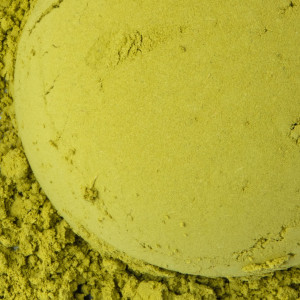
Matcha Aura Organic
Matcha Aura Organic is a finely milled green tea powder crafted for the perfect organic matcha latte.
€14.90Discover
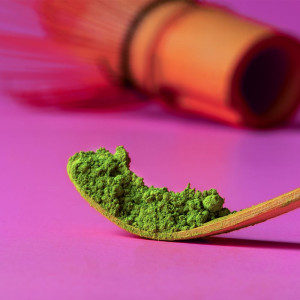
Shizuku Organic Ceremonial Japanese Matcha
Shizuku organic ceremonial Japanese matcha is a vibrant green powder, finely stone-ground, with silky umami notes and a delicat…
€16.90Discover
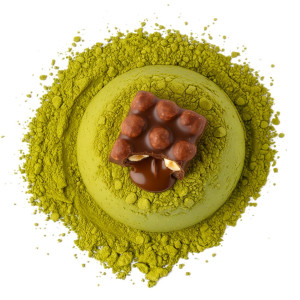
Chocolate Hazelnut Matcha Latte
Chocolate hazelnut matcha latte, also loved as a hazelnut milk matcha, brings together matcha green tea powder with warm, indul…
€18.90Discover