Matcha and Caffeine: Natural Energy Without the Jitters

In a world where energy has become a daily pursuit, more and more people are looking for alternatives to traditional coffee. Matcha, the finely ground green powder from Japan, is steadily emerging as a natural, balanced option. Where coffee often brings sharp energy spikes followed by a steep crash, matcha offers a gentler, more sustained lift, thanks to its unique composition. Here's why this centuries-old drink might just change the way you think about energy.
Key Takeaways
- Matcha contains caffeine, but releases it gradually, preventing energy spikes and crashes
- The L-theanine in matcha supports focus without causing jitteriness
- A serving of matcha provides between 30 and 70 mg of caffeine, depending on quality
- The catechins in matcha slow caffeine absorption for a longer-lasting effect
- Matcha is less acidic than coffee, making it gentler on the stomach
Matcha and Caffeine: A Smarter Energy Release
Matcha does contain caffeine, but what sets it apart is the way that caffeine is released into the body. While coffee delivers its caffeine in a rapid rush, matcha offers a gradual diffusion, guided by its natural compounds.
This difference comes down to catechins, powerful antioxidants that slow caffeine absorption. The result? A smooth, steady rise in energy that holds for several hours, with none of the familiar crash that follows a cup of coffee.
The caffeine content in matcha varies by quality and preparation. On average, a 1-2 gram serving contains between 30 and 70 mg of caffeine, roughly half that of a standard cup of coffee. That moderate amount is enough to feel alert and focused, without tipping into overstimulation.
L-Theanine: Matcha's Concentration Ally
What truly makes matcha exceptional is its richness in L-theanine, a rare amino acid found primarily in green tea. This remarkable molecule works in synergy with caffeine to create a state of calm, focused alertness.
L-theanine promotes the production of alpha brain waves, the same waves associated with meditation and active relaxation. It's no coincidence that Buddhist monks have traditionally turned to matcha during meditation practice: it keeps the mind clear and present while maintaining inner calm.
This caffeine-L-theanine pairing is particularly valuable for those who are sensitive to the edgy effects of coffee. Where a cup of coffee can trigger restlessness or anxiety, matcha brings a steady, grounded kind of energy.
Why Choose Matcha Over Coffee?
Beyond its gradual caffeine release, matcha offers several advantages over traditional coffee. For starters, it's naturally less acidic, making it a gentler choice for anyone prone to gastric sensitivity or acid reflux.
Matcha is also a remarkable source of antioxidants. Its concentration of catechins, particularly EGCG (epigallocatechin gallate), is exceptionally high. These compounds help protect cells from oxidative stress and support the body's natural metabolism.
Practically speaking, matcha is also wonderfully versatile. Unlike coffee, which typically requires a machine or specific equipment, matcha is prepared simply with hot water and a whisk. It also blends seamlessly into smoothies, baked goods, and creative drinks.
How to Get the Most from Your Matcha
A few simple guidelines go a long way when it comes to matcha. Quality matters above all: look for an organic ceremonial or premium grade matcha, recognisable by its deep jade-green colour and silky-fine texture.
Preparation is equally important. The water should never be boiling (70-80°C at most) to preserve the delicate nutrients. Whisk vigorously to build a smooth, frothy layer and bring out the full flavour without bitterness.
As for timing, matcha can be enjoyed throughout the day, thanks to its gradual caffeine release. That said, if you're sensitive to caffeine, it's worth avoiding it after 4 pm to protect the quality of your sleep.
To maximise its effects, you can pair matcha with adaptogenic herbs such as ashwagandha or rhodiola, which naturally support stress management and sustained energy balance.
Matcha vs. Coffee: Choosing What Works for You
Ultimately, the choice between matcha and coffee comes down to your personal needs and individual sensitivity. If you need immediate, intense energy, coffee still delivers. But if you're after a gentle, lasting lift without the jitters, matcha is the natural alternative.
For those who live with stress or anxiety, matcha holds a real advantage, thanks to its calming properties. Athletes, too, often appreciate its ability to support endurance without triggering blood sugar spikes.
There's no reason you can't enjoy both, depending on the time of day: coffee in the morning to get going, and matcha in the afternoon to stay sharp without disrupting your night's sleep.
Common Questions About Matcha and Caffeine
Does matcha really contain less caffeine than coffee?
Yes, matcha generally contains less caffeine than coffee. A serving of matcha (1-2g) provides 30-70 mg of caffeine, compared to 80-100 mg in a cup of coffee. The key difference, though, lies in how that caffeine is released: slowly and steadily, thanks to matcha's catechins.
Can you drink matcha in the evening without affecting sleep?
Although matcha releases its caffeine gradually, it's best to avoid it after 4 pm if you're sensitive to caffeine. Everyone reacts differently, but a little caution goes a long way when it comes to protecting your sleep quality.
Can matcha fully replace coffee?
Absolutely. Many people have made the switch successfully. Matcha provides more stable, lasting energy without the side effects often associated with coffee, such as jitteriness or stomach acidity. The transition may take a few days of adjustment.
Are there any contraindications to drinking matcha?
Matcha is generally well tolerated, but pregnant and breastfeeding women should limit their caffeine intake. Anyone on anticoagulant medication should consult their doctor, as matcha contains vitamin K.
How do you recognise a quality matcha?
A good matcha has a deep jade-green colour, an ultra-fine texture, and a vegetal flavour without excessive bitterness. Look for ceremonial or premium grade, organically grown, and stored away from light and moisture.
To taste it is to love it : find all our organic matchas, sourced directly from Japan.
Tempted to try it?
Our selection related to this article, loose leaf and organic.
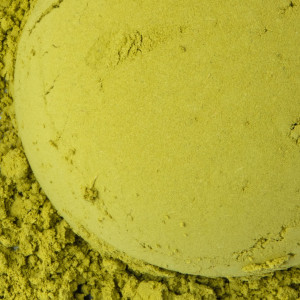
Matcha Aura Organic
Matcha Aura Organic is a finely milled green tea powder crafted for the perfect organic matcha latte.
€14.90Discover
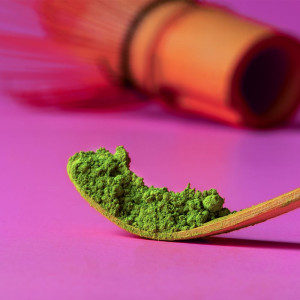
Shizuku Organic Ceremonial Japanese Matcha
Shizuku organic ceremonial Japanese matcha is a vibrant green powder, finely stone-ground, with silky umami notes and a delicat…
€16.90Discover
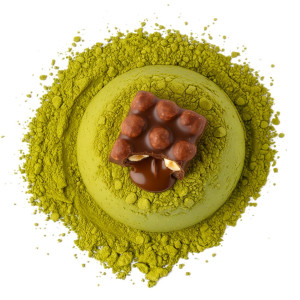
Chocolate Hazelnut Matcha Latte
Chocolate hazelnut matcha latte, also loved as a hazelnut milk matcha, brings together matcha green tea powder with warm, indul…
€18.90Discover