How to Prepare Matcha: A Complete Brewing Guide

Preparing authentic matcha is far more than making a drink: it is a meaningful ritual that connects us to centuries of Japanese tradition. At Thés & Traditions, we see every gesture in this preparation as a moment of mindfulness, where powdered green tea transforms into a unique sensory experience. Let us guide you through this delicate art and all the richness it reveals.
Key things to know before you begin
- Water temperature is everything: between 70 and 80°C, never boiling, to protect the delicate aromas
- The perfect ratio: 2 grams of matcha powder to 60 ml of water, roughly one level teaspoon
- Whisking makes the difference: use "M" or zigzag movements to build that signature creamy foam
- Quality matters: choose a ceremonial-grade organic matcha for the best flavour experience
- Freshness counts: always sift your powder to avoid unwanted lumps
Traditional tools for an authentic preparation
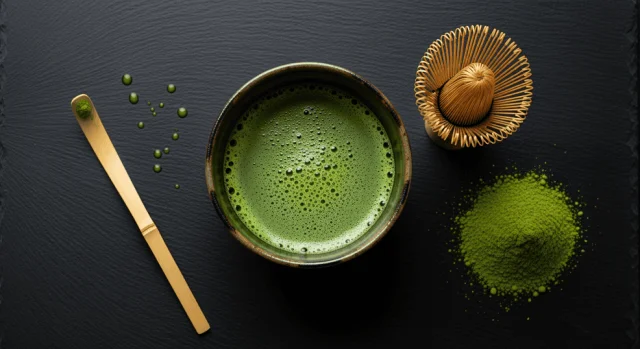
Each piece of a matcha set has a purpose, refined over centuries of practice. The chawan, a ceramic bowl with gently flared sides, allows for optimal whisking while retaining the ideal heat. Its shape is intentional: it guides the chasen's movement and sits comfortably in the hands.
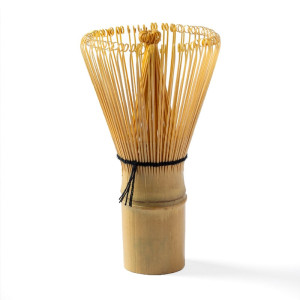
The chasen, a bamboo whisk with fine, flexible tines, is at the heart of every matcha preparation. Its 80 to 120 delicately cut prongs create the velvety texture matcha is known for. Unlike a standard whisk, it folds in air gently, without affecting the properties of the powdered green tea.
The chashaku, a traditional bamboo scoop, measures the matcha with precision. Its curved shape allows you to take exactly the right amount of powder: around 2 grams for a usucha (thin tea) preparation.
Finally, a fine-mesh sieve is essential for a perfectly smooth powder. This step is often skipped, yet it makes all the difference between a lumpy matcha and a silky, velvety drink.
Step-by-step preparation: the art of traditional matcha
Step one: set the scene
Create a calm, unhurried space. Warm your chawan by pouring a little hot water into it, then empty it and gently dry it. This warms the bowl and prepares the surface to receive the tea powder.
Step two: sift the matcha
Place 2 grams of matcha powder into a fine-mesh sieve held over the chawan. Press gently with the back of a spoon to work the powder through. This breaks up any clumps and ensures a perfectly smooth, even texture.
Step three: the water, a vital element
Heat your water to around 75°C — it must never boil. Water that is too hot will destroy the delicate compounds in the green tea and create an unpleasant bitterness. Begin by pouring just 20 ml of water into the bowl to form a smooth paste.
Step four: the first mix
Using the chasen, vigorously work the powder and water together into a smooth, even paste. This crucial step prevents lumps from forming when the remaining water is added.
Step five: the whisking
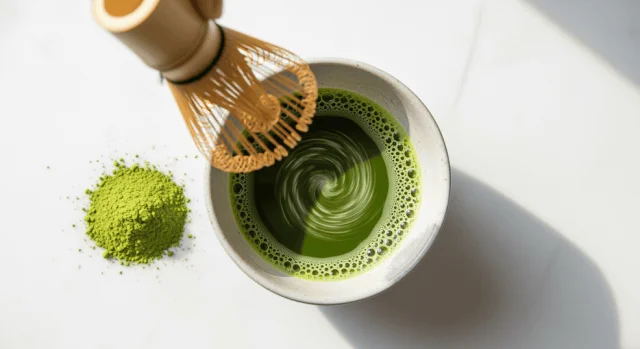
Add the remaining 40 ml of water and begin whisking. Hold the chasen firmly and use quick, energetic movements in an "M" or zigzag pattern. The secret lies in speed and consistency: the faster you whisk, the finer and more abundant the foam. Aim for around 30 seconds of brisk, steady whisking.
Step six: the finishing touch
Finish with a few slow, circular movements to gather the foam at the centre of the bowl. The surface should show a fine, creamy foam — the sign of a well-made matcha.
The secrets of exceptional matcha
Water quality has a significant influence on the final flavour of your matcha. Choose a low-mineral water, ideally filtered, so as not to mask the subtle notes of the green tea. Tap water, often too hard, can introduce an unpleasant metallic taste.
The matcha you choose shapes the entire experience. A ceremonial-grade matcha, shade-grown for several weeks, develops that characteristic jade-green colour and natural sweetness. The tea leaves, hand-picked and slowly stone-ground, retain all their aromas and depth.
Storage plays a key role in preserving matcha's qualities. Keep your powder in an airtight container, away from light and moisture. Once opened, use your matcha within 3 to 4 weeks to enjoy it at its freshest and most flavourful.
Serving temperature also deserves attention. Drink your matcha immediately after preparation, while the foam is still present. This airy texture fades quickly and is very much part of the experience.
Modern and creative variations on matcha
The matcha latte is the most popular Western take on this traditional tea. To make one, use a culinary-grade matcha rather than a ceremonial one. Mix 1 teaspoon of powder with a little hot water, then add 200 ml of warm, frothed plant-based or dairy milk.
Iced matcha is a refreshing option for warmer days. Prepare your tea using the traditional method, let it cool, then pour it over ice. A touch of agave syrup or honey can soften the natural bitterness.
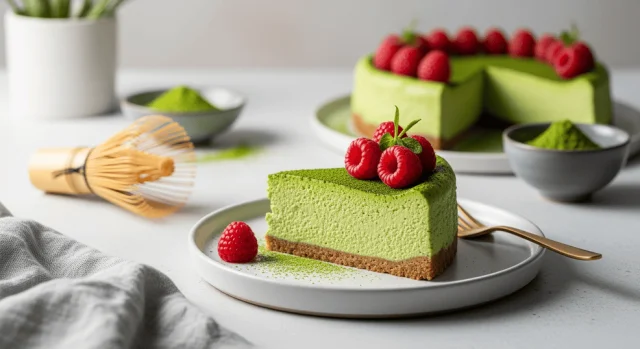
In baking, matcha brings its distinctive colour and flavour to everything it touches. Fold it into macarons, white chocolate, or ice cream to create desserts with an authentic Japanese character. Allow around 10 to 15 grams of powder per 500 ml of mixture.
Matcha smoothies combine the goodness of green tea with the brightness of fresh fruit. Blend a banana, coconut milk, a teaspoon of matcha and a few ice cubes for an energising, nourishing drink.
Understanding the flavour profile and benefits of matcha
Unlike traditionally brewed teas, matcha delivers the full nutrients of the tea leaf in every sip. This makes it exceptionally rich in antioxidants, particularly catechins, which help protect cells from premature ageing.
L-theanine, an amino acid found in abundance in matcha, creates that sought-after state of calm alertness. It works in harmony with natural caffeine to provide sustained, steady energy — without the sharp peaks and crashes often associated with coffee.
Matcha's flavour profile varies with quality and preparation. A ceremonial-grade matcha reveals gentle vegetal notes, sometimes with a buttery quality and a mild finish. This aromatic complexity comes through fully when temperature and dosage are respected.
Umami, the fifth taste so central to Japanese cuisine, is especially present in a well-prepared matcha. That sense of depth and fullness on the palate reflects the amino acid richness of the tea powder.
Frequently asked questions about preparing matcha
Excessive bitterness is usually caused by water that is too hot or by using too much powder. Make sure your water does not exceed 80°C and keep to the ratio of 2 grams per 60 ml of water. A lower-quality matcha can also account for pronounced bitterness.
Technique is everything. Use fast, energetic "M"-shaped movements for at least 30 seconds. Make sure your chasen is well moistened before use and that the powder has been fully sifted.
Matcha is best enjoyed immediately after preparation. The foam dissipates quickly and the aromas fade. If needed, you can keep your prepared matcha in the refrigerator for up to 2 hours, though the experience will not be quite the same.
Ceremonial matcha is finer and smoother, intended for drinking as it is. Culinary matcha is more robust and slightly more bitter, making it ideal for baked goods and milk-based drinks where it needs to hold its own against other flavours.
Rinse your bamboo whisk gently under warm water immediately after use. Avoid detergents, which can damage the bamboo. Leave it to air-dry upright, so the delicate tines keep their shape.
Once opened, use your matcha within 3 to 4 weeks to preserve its flavour and nutritional qualities. Unopened, it will keep for up to 2 years in a cool, dry place away from light.
Why not give it a try ? Explore our organic matchas and let yourself be tempted.
Tempted to try it?
Our selection related to this article, loose leaf and organic.
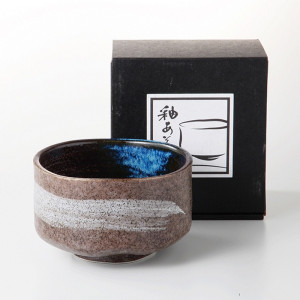
Matcha Bowl Brown Hagoromo
Elevate your tea ritual with the Hagoromo Brown Matcha Bowl.
€24.90Discover
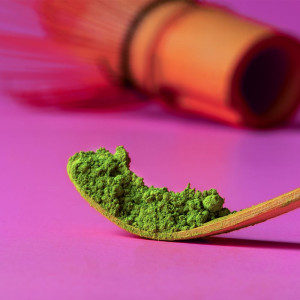
Shizuku Organic Ceremonial Japanese Matcha
Shizuku organic ceremonial Japanese matcha is a vibrant green powder, finely stone-ground, with silky umami notes and a delicat…
€16.90Discover