Matcha for Weight Loss: Does It Really Help?

In the world of tea, matcha holds a singular place. This green powder from Japan captivates as much for its vivid color as for its sensory character. But beyond the promises, what can you truly expect from this drink as part of your day? Somewhere between age-old tradition and the pleasure of tasting, let's explore what this Japanese treasure truly has to offer.
Key Takeaways
- Matcha naturally contains catechins and caffeine, the signature of this green powder
- A sugar-free drink that pleasantly accompanies a balanced diet
- L-theanine is appreciated for accompanying a state of calm and focus
- It replaces neither a balanced diet nor physical activity, but pairs with them for pleasure
- The quality of the matcha you choose directly influences its character in the cup
The Hidden Riches of This Green Powder
Matcha owes much of its reputation to its exceptional concentration of catechins, particularly EGCG (epigallocatechin gallate). These antioxidants, present in far higher levels than in a standard green tea, are among the most studied compounds in the tea leaf.
What makes matcha so remarkable is its unique growing method. The tea plants are shaded from sunlight for several weeks before harvest, encouraging the plant to concentrate its nutrients. The result is a powder rich in active compounds that work in synergy to support your body.
Unlike a simple infusion where you absorb only part of the benefits, with matcha you consume the whole leaf in powder form. It is as though you are drinking directly from the source of all those precious nutrients.
Matcha's Caffeine: A Gentle, Sustained Energy
Matcha naturally contains caffeine, but not quite like any other. Combined with the L-theanine present in the plant, this caffeine delivers a gentle, sustained energy lift, without the peaks and crashes you might experience with coffee.
This unique combination delivers a gentle, lasting lift in energy, without the jitters or the ups and downs sometimes felt with coffee. A steady vitality that pleasantly accompanies your active days.
A quality cup of matcha contains around 60 to 70 mg of caffeine, roughly the equivalent of an espresso, but with a gradual release that keeps jitteriness at bay. This steady energy carries you through the day, helping you maintain an optimal level of activity.
Matcha's Fiber: The Advantage of the Whole Leaf
Here is an aspect of matcha that often goes unnoticed: its fiber content. Because you consume the whole leaf ground into powder, you benefit from all its components, including plant fiber.
Because you consume the whole leaf ground into powder, you also benefit from the plant fiber naturally present in tea. An advantage that a classic infusion simply cannot offer.
This fiber is among the many natural components of the tea leaf, which grinding into powder lets you savor fully, cup after cup.
L-Theanine: A Signature of Serenity
In a busy life, taking a genuine moment of calm truly matters. Matcha naturally invites this pause, in the time it takes to whisk a bowl with care.
This is where matcha's L-theanine comes in. This amino acid, characteristic of shaded green tea, is traditionally appreciated for accompanying a state of calm and focused clarity.
This pause, enjoyed without sugar, encourages a calm and serene relationship with food, as part of a balanced lifestyle.
Incorporating Matcha Into Your Daily Routine
To enjoy your matcha to the fullest, the moment matters. Ideally, savor it 30 minutes before a meal or a workout: a sugar-free, flavorful pause that accompanies your active days.
In the morning, matcha brings a gentle energy to start the day well. In the afternoon, it makes a welcome alternative to coffee and accompanies that mid-afternoon dip. In the evening, opt for a smaller quantity or a decaffeinated version to protect your sleep.
Matcha fits naturally into a balanced diet. Pair it with quality proteins, fresh vegetables and good fats to build complete, delicious meals.
Traditional Preparation: The Art of Usucha
The traditional usucha method remains the purest way to enjoy matcha's benefits. Sift a teaspoon of powder into a bowl, add 70 ml of water at 70°C and whisk briskly in an M-shaped motion until a fine foam forms.
This preparation adds no extra calories and preserves all the active compounds in the matcha. It is the ideal choice for savoring a pure, intense and sugar-free drink.
Matcha Latte: A Balanced Indulgence
For a more indulgent version, prepare your matcha as above, then add a plant-based milk (almond, oat or coconut). These milks provide complementary nutrients while keeping the calorie count reasonable.
Avoid sweet syrups to keep the drink light and free of added sugar. If you want to soften matcha's natural bitterness, a touch of honey or maple syrup is all you need.
Choosing Your Matcha: Quality and Origin Make All the Difference
Not all matchas are equal, especially when you are looking for the best in the cup. A ceremonial-grade matcha, recognizable by its vivid jade-green color and ultra-fine texture, concentrates more aroma and active compounds.
Look for Japanese-origin matchas, ideally from the regions of Uji or Nishio, celebrated for their centuries of expertise. An organic certification ensures the absence of pesticides, which matters all the more since you are consuming the whole leaf.
Be wary of dull or yellowish powders, signs of culinary-grade or oxidized matcha. These versions contain fewer catechins and can develop an unpleasant bitterness that may put you off continuing your routine.
Beyond the Cup: A True Wellness Ritual
Above all, matcha is a pleasure drink with a unique character. Its richness in natural antioxidants makes it one of the most appreciated teas among enthusiasts around the world.
The sense of calm and focus often associated with L-theanine pleasantly accompanies your moments throughout the day, whether you are working, reading or simply taking a breather.
It is this sensory richness that makes matcha a genuine wellness companion, far beyond a simple "slimming tea".
Frequently Asked Questions About Matcha and Weight Loss
To enjoy matcha without excess caffeine, keep to 2 to 3 cups per day, which is roughly 2 to 3 grams of powder. This amount provides a generous supply of catechins while staying within recommended caffeine guidelines.
Matcha is not a slimming solution. It is a pleasure drink, free of sugar, that can take its place within a balanced lifestyle. It replaces neither a balanced diet nor regular physical activity, which remain the only true levers for managing weight.
Although matcha is exceptionally rich in nutrients, variety still matters. Alternate with other green, white or Oolong teas to benefit from a broader spectrum of antioxidants. Matcha can be your main tea, but it works best as part of a varied routine.
People who are sensitive to caffeine, pregnant or breastfeeding should limit their intake. If you are taking anticoagulant medication, consult your doctor first, as catechins may interact with certain treatments. If you have trouble sleeping, avoid matcha after 4 pm.
Traditional powder remains superior to capsule supplements. It better preserves the active compounds, allows for more precise dosage control and integrates naturally into your daily routine. The preparation ritual also adds a mindful quality that is appreciated every day.
Build your own ritual : browse our matcha selection, to whisk or to cook with.
Tempted to try it?
Our selection related to this article, loose leaf and organic.
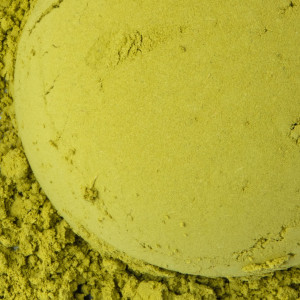
Matcha Aura Organic
Matcha Aura Organic is a finely milled green tea powder crafted for the perfect organic matcha latte.
€14.90Discover
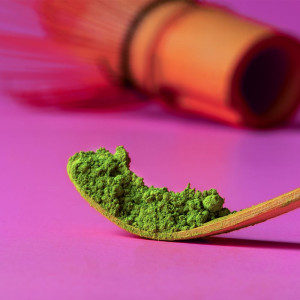
Shizuku Organic Ceremonial Japanese Matcha
Shizuku organic ceremonial Japanese matcha is a vibrant green powder, finely stone-ground, with silky umami notes and a delicat…
€16.90Discover
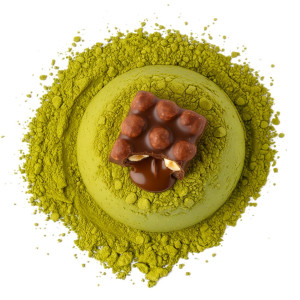
Chocolate Hazelnut Matcha Latte
Chocolate hazelnut matcha latte, also loved as a hazelnut milk matcha, brings together matcha green tea powder with warm, indul…
€18.90Discover