Matcha for Skin: Beauty & Anti-Aging Benefits

In the world of natural beauty and wellness, matcha has earned its place as a true Japanese treasure. This brilliantly green powder, made from tea leaves cultivated with centuries of care, holds remarkable properties for the skin. Far more than a passing trend, matcha for skin represents a holistic approach to beauty, weaving together ancient tradition and scientifically recognized benefits.
At Thés & Traditions, we see matcha as much more than a cosmetic ingredient. It is a precious ritual, a moment of connection with yourself, where every gesture matters in revealing your skin's natural radiance.
Key Takeaways
- Powerful antioxidants: Matcha contains 137 times more antioxidants than regular green tea
- Anti-aging action: EGCG catechins protect against premature aging
- Natural soothing: Anti-inflammatory properties to calm irritation
- Radiant complexion: Stimulates cell renewal for luminous skin
- Versatile use: Effective both consumed internally and applied topically
Why Does Matcha Transform Your Skin?
The magic of matcha lies in its exceptional composition. Unlike traditional green tea, where leaves are steeped and discarded, matcha is made from finely ground whole leaves. This concentrates all the nutrients into every gram of powder.
Catechins, and in particular EGCG (epigallocatechin gallate), sit at the heart of matcha's skin benefits. These molecules act as protective shields against the free radicals responsible for skin aging. L-theanine, the amino acid unique to tea, adds a soothing dimension that reflects directly in your skin's balance.
Chlorophyll, which gives matcha its signature color, has remarkable detoxifying properties. It helps the skin eliminate impurities and encourages better cellular oxygenation. Vitamins A, C and E complete this beauty complex by supporting cell renewal and collagen production.
The Anti-Aging Benefits of Matcha: Preserving a Youthful Glow
Protection Against Oxidative Stress
Skin aging is largely the result of accumulated damage caused by free radicals. With its exceptional concentration of antioxidants, matcha offers remarkable protection against this oxidative stress. Studies show that regular matcha consumption can significantly reduce markers of cellular aging.
This protection works on several levels: preserving collagen, maintaining skin elasticity, and reducing the appearance of fine lines and wrinkles. Matcha acts as a true elixir of youth, slowing the mechanisms of aging from within.
Stimulating Cell Renewal
The polyphenols in matcha encourage cell turnover, allowing the skin to regenerate more effectively. This translates into a more even complexion, a refined skin texture, and a visible reduction in age-related pigmentation.
The vitamin C naturally present in matcha supports collagen synthesis, the essential protein that keeps skin firm and elastic. As we age, collagen production naturally declines; matcha helps compensate for this loss.
Matcha and Radiance: Revealing Your Natural Luminosity
One of the most remarkable effects of matcha on the skin is the improvement in complexion radiance. This transformation unfolds through several complementary mechanisms.
First, matcha's antioxidants neutralize the free radicals that dull the complexion and create a tired appearance. Then, chlorophyll supports better blood circulation at the skin level, bringing more oxygen and nutrients to skin cells.
L-theanine also plays a key role in this brightening effect. By reducing stress and encouraging relaxation, it allows the skin to recover more effectively and reclaim its natural luminosity. Stress shows on our faces, and matcha offers a gentle, natural response to this very modern concern.
Regular matcha drinkers often speak of a more even, more luminous complexion, with a noticeable reduction in dark circles and signs of fatigue. This transformation is generally visible after a few weeks of consistent use.
Soothing Properties: When Matcha Calms Inflammation
Matcha's anti-inflammatory properties make it a valuable ally for sensitive or easily irritated skin. EGCG has a well-documented soothing action, capable of reducing redness and calming skin inflammation.
This anti-inflammatory effect is particularly beneficial for those dealing with acne, rosacea or eczema. Matcha helps regulate sebum production, reducing the appearance of blemishes while calming irritated areas.
Matcha's approach differs from conventional cosmetic treatments in its gentleness and wholeness. Rather than targeting surface symptoms alone, it works on the deeper causes of inflammation, including stress and internal imbalances.
For reactive skin, matcha is a natural alternative to harsh chemical products. Its exceptional tolerance makes it suitable even for the most delicate skin types.
How to Incorporate Matcha Into Your Beauty Routine
Internal Consumption: The Holistic Approach
The most effective way to enjoy matcha's skin benefits is to consume it. Drinking ceremonial-grade matcha allows for optimal nutrient absorption and a systemic effect throughout the body.
We recommend one to two cups of matcha a day, preferably in the morning to make the most of its natural energizing effect. The traditional preparation, using a bamboo whisk (chasen), creates a smooth, frothy texture that draws out all the tea's aromas.
This internal approach has the advantage of treating skin from the inside, addressing the deeper causes of skin imbalances: stress, inflammation, and cellular oxidation. The results, while more gradual than with cosmetics, prove more lasting and more harmonious.
Topical Applications: Masks and Treatments
Matcha can also be used topically, in the form of masks or skin treatments. Mixed with warm water, honey or clay, it forms a smooth paste with purifying and soothing properties.
For a simple, effective mask, mix one teaspoon of matcha with a little water until you reach a creamy consistency. Apply to clean skin, leave on for 10 to 15 minutes, then rinse with warm water. This weekly treatment helps purify pores and reveal a more radiant complexion.
The matcha and honey combination is particularly beneficial for dry or sensitive skin. Honey brings its moisturizing and antibacterial properties, while matcha works on radiance and cell renewal.
Choosing Your Matcha for Beauty: What Really Matters
Not all matchas are equal, especially when it comes to beauty and wellness. The quality of your matcha directly determines the effectiveness of your treatments and the richness of active compounds.
Ceremonial-grade matcha is the highest quality available. Sourced from the first leaves of the harvest, it concentrates the most nutrients and antioxidants. Its intense jade green color reflects its freshness and quality. Its flavor, smooth and umami with no harsh bitterness, speaks to careful, respectful handling of the plant.
Geographical origin also matters. The regions of Uji, near Kyoto, and Nishio, in Aichi Prefecture, produce the most highly regarded matchas. The terroir, climate and traditional cultivation techniques directly influence the tea's composition.
Freshness is a determining factor. Matcha oxidizes quickly once opened, losing its properties and developing an unpleasant bitterness. Choose airtight packaging and use your matcha within two months of opening.
Matcha and Nutrition: Feeding Your Skin From Within
The nutritional approach to beauty finds an exceptional ally in matcha. This green powder concentrates remarkable nutritional density, with direct effects on skin health.
The B vitamins in matcha support cellular metabolism and encourage tissue regeneration. Vitamin E, a powerful fat-soluble antioxidant, protects cell membranes from oxidation.
Minerals such as zinc and selenium contribute to healing and skin renewal processes. Iron improves tissue oxygenation, contributing to a brighter complexion.
This nutritional richness explains why matcha's effects on the skin go beyond those of a conventional cosmetic. By nourishing the body from within, it creates the ideal conditions for healthy, radiant skin.
Testimonials and Real Experiences
Marie, 45, has been using matcha for six months: "I started out of curiosity, drawn to this Japanese tradition. After a few weeks, people around me noticed my complexion looked more luminous. My wrinkles seem less pronounced, and my skin feels firmer. It has become my daily beauty ritual."
Sophie, 32, shares her experience: "With sensitive skin prone to redness, I've always struggled to find the right products. Matcha changed everything. By drinking a cup each morning and doing a weekly mask, my skin calmed down. The inflammation has reduced, and my complexion is more even."
These experiences reflect the range of benefits matcha can offer, adapted to different skin types and beauty concerns. Consistency seems to be the key to success.
Frequently Asked Questions About Matcha and Beauty
The first effects of matcha on the skin generally appear after 2 to 4 weeks of regular consumption. Complexion radiance often improves first, followed by a better skin texture. For deeper anti-aging effects, allow 2 to 3 months of consistent use. Patience is essential, as matcha works in depth, unlike cosmetics that deliver immediate but surface-level results.
No, not all matchas are suitable for beauty use. Always choose ceremonial-grade matcha, which is richer in antioxidants and free from additives. Culinary-grade matcha, often more bitter and less concentrated in active compounds, is less effective. For topical applications, make sure your matcha is pure, with no added sugar or flavorings. The color should be an intense jade green, a sign of freshness and quality.
Matcha has the advantage of being suited to all skin types, thanks to its balancing properties. For oily skin, it helps regulate sebum production. For dry skin, its antioxidants protect against dehydration. Sensitive skin benefits from its soothing properties. That said, as with any new product, do a patch test on a small area before first use, especially for topical applications.
Absolutely. Matcha pairs beautifully with many natural ingredients. Honey adds moisture and antibacterial properties. White or green clay enhances the purifying action for combination to oily skin. Coconut oil or avocado nourishes dry skin. Rose water soothes sensitive skin. These combinations allow you to tailor your treatments to your specific needs.
Matcha is generally very well tolerated, even by sensitive skin. However, those with an allergy to tea or caffeine should exercise caution. If you are pregnant or breastfeeding, speak with your doctor before increasing your matcha intake. For topical use, avoid the eye area and always test on a small patch of skin first. If irritation occurs, discontinue use and consult a dermatologist.
Proper storage is essential to maintain matcha's properties. Keep it in an airtight container, away from light, heat and moisture. The refrigerator is ideal, stored in a sealed container to prevent it from absorbing odors. Once opened, use your matcha within 6 to 8 weeks. Matcha that has turned brown or developed an excessive bitterness has lost its quality and its effectiveness for skin care.
Want to pick up the whisk ? Discover our organic matchas and find the one that suits you.
Tempted to try it?
Our selection related to this article, loose leaf and organic.
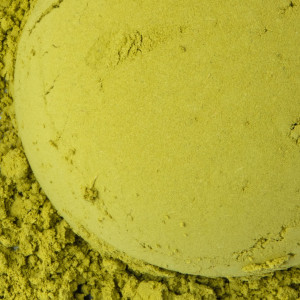
Matcha Aura Organic
Matcha Aura Organic is a finely milled green tea powder crafted for the perfect organic matcha latte.
€14.90Discover
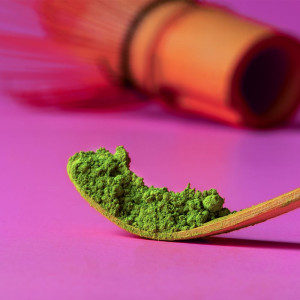
Shizuku Organic Ceremonial Japanese Matcha
Shizuku organic ceremonial Japanese matcha is a vibrant green powder, finely stone-ground, with silky umami notes and a delicat…
€16.90Discover
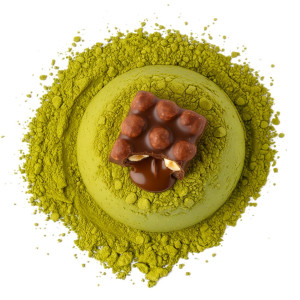
Chocolate Hazelnut Matcha Latte
Chocolate hazelnut matcha latte, also loved as a hazelnut milk matcha, brings together matcha green tea powder with warm, indul…
€18.90Discover