Matcha and Health: All the Benefits for Your Body

This vibrant green powder from Japan has been making waves in our cups for several years now, and for good reason. Matcha does far more than deliver a unique tasting experience with its vegetal notes and distinctive umami character. This centuries-old drink holds a remarkable array of benefits for our bodies. At Thés & Traditions, we are passionate about sharing every secret of this exceptional tea, from its traditional preparation to its many virtues for your health.
The key takeaways on matcha and health
- An exceptional concentration of antioxidants, particularly EGCG catechins
- A natural, sustained energy boost thanks to theanine
- A lovely richness in chlorophyll, the pigment behind its jade-green colour
- A singular composition, rich in catechins and polyphenols
- A nutrient concentration preserved by grinding the whole leaf
What makes matcha so special for our health?
Matcha is unlike any other green tea. Its unique growing method, which involves shading the plants for several weeks before harvest, literally transforms the composition of the leaves. This ancestral technique encourages the tea plants to develop exceptional concentrations of chlorophyll and amino acids, particularly L-theanine.
Unlike other teas that you steep and discard, with matcha you consume the entire leaf, ground into a fine powder. This is precisely why its health benefits are so remarkable: nothing is lost, everything is converted into well-being.
The quality of the matcha naturally plays a decisive role. A ceremonial-grade matcha, with its vivid jade-green colour and silky texture, will deliver a far higher concentration of nutrients than a culinary-grade one. That is why we carefully select our matcha directly from Japanese producers who honour traditional methods.
Matcha antioxidants: your anti-ageing allies
Let the numbers speak: matcha contains up to 137 times more antioxidants than regular green tea. These protective molecules, especially the EGCG catechins (epigallocatechin gallate), act as a powerful shield against free radicals.
These free radicals, responsible for premature cellular ageing, are neutralised by matcha's antioxidants. The result? A more radiant complexion, better-protected cells, and a body that holds its own against the daily aggressors of pollution, stress, and UV rays.
Matcha's exceptional antioxidant content also makes it a cherished companion for everyday life. These compounds, studied for their action on oxidative stress, sit beautifully within a balanced lifestyle. A cup of matcha in the morning is a simple way to begin the day with serenity.
Energy and focus: the winning combination of caffeine and theanine
Here is what truly sets matcha apart: its perfect balance of caffeine (known as theine in tea) and L-theanine. This natural synergy delivers a gradual, sustained energy boost, without the downsides associated with coffee.
Theanine, the amino acid found in abundance in matcha, tempers the effects of caffeine. No more sharp peaks followed by sudden crashes. Instead, you enjoy a steady energy that can last up to six hours, paired with a calm, focused state of mind.
This combination explains why Buddhist monks have been drinking matcha for centuries to sustain their long meditation sessions. The mind stays sharp and centred, without restlessness or anxiety. It is equally well suited to improving performance at work or during long study sessions.
Research is also exploring this caffeine-theanine pairing and the production of alpha brain waves, the same waves often associated with a state of relaxed alertness and creativity.
Chlorophyll, the green signature of matcha
That beautiful emerald-green colour? It comes from matcha's exceptional richness in chlorophyll, the natural pigment of young leaves grown in the shade. A signature that is both visual and aromatic, emblematic of exceptional matcha.
Abundant in matcha, chlorophyll is one of the many plant compounds that make this powder so rich. It naturally finds its place within a varied and colourful diet, where every shade of green has something to offer.
Enjoying matcha regularly is, in essence, treating yourself to a gentle ritual. A natural, delicious moment of well-being that fits seamlessly into a daily routine.
Matcha within a balanced lifestyle
Matcha stands out for its singular composition, rich in catechins and polyphenols. These plant compounds, naturally present in green tea, are the subject of much research and pair willingly with a lifestyle that values balance.
In Japan, green tea and matcha are part of an art of living passed down through the generations, woven into a rich, varied and balanced diet. It is in this spirit of pleasure and moderation that we love to share them.
Of course, matcha is no substitute for a balanced diet, regular exercise or medical advice: it is, above all, a delicious pleasure to savour within a healthy lifestyle.
How to bring matcha into your health routine
To make the most of matcha's health benefits, consistency is key. One to two cups a day is more than enough to enjoy its virtues, without any risk of excess caffeine.
Morning remains the ideal time for your first cup: it will give you the energy you need to start the day well. You can also enjoy one in the early afternoon, though it is best to avoid it later in the day to protect your sleep.
For preparation, the traditional method using a chasen (bamboo whisk) is recommended for a perfect froth. If you prefer a matcha latte, opt for an unsweetened plant-based milk so as not to overshadow matcha's natural benefits.
Do not hesitate to incorporate it into your recipes either: smoothies, baked goods, ice cream... Culinary matcha lends itself wonderfully to these indulgent uses while retaining a good share of its properties.
A few precautions to keep in mind
As with any food with active properties, a few precautions apply with matcha. Its caffeine content may be problematic for those sensitive to caffeine or prone to sleep disturbances.
Pregnant and breastfeeding women should limit their intake, as with all caffeinated products. Equally, if you are taking anticoagulant medication, it is worth seeking advice from your doctor first.
Finally, always choose a quality matcha, preferably organic and from a certified Japanese origin. A poor-quality matcha may contain unwanted residues that would undermine its benefits.
Frequently asked questions about matcha and health
Absolutely. One to two cups of matcha per day fit perfectly into a health-conscious routine. This amount allows you to enjoy all its benefits without any risk of excess caffeine. Ideally, drink it in the morning or early afternoon to avoid any impact on your sleep.
Yes, by far. Since you consume the whole leaf with matcha, its nutrient concentration is significantly higher. It contains 137 times more antioxidants than steeped green tea, and its unique shading method during cultivation also enriches its composition in chlorophyll and theanine.
The energising effects are generally felt within 30 minutes of consumption and can last up to six hours. To fully appreciate matcha day after day, allow a few weeks of regular tasting: it is by turning this pause into a true ritual that you best savour all its nuances.
It is an excellent alternative. Matcha provides a gentler, more sustained energy boost than coffee, without the sharp peaks and crashes. Its caffeine-theanine combination delivers steady energy alongside a calm, focused state of mind. Many of our customers have successfully reduced, or even stopped, their coffee consumption as a result.
People sensitive to caffeine, pregnant or breastfeeding women, and those on anticoagulant treatment should limit their intake or seek medical advice. As a general rule, stick to the recommended amounts (one to two cups per day) and choose a quality matcha to avoid any concerns.
Treat yourself to a true matcha moment with our organic matchas from Japan.
Tempted to try it?
Our selection related to this article, loose leaf and organic.
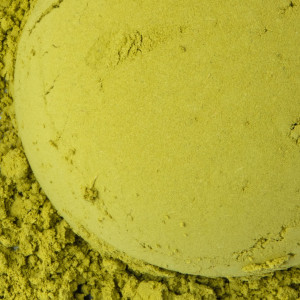
Matcha Aura Organic
Matcha Aura Organic is a finely milled green tea powder crafted for the perfect organic matcha latte.
€14.90Discover
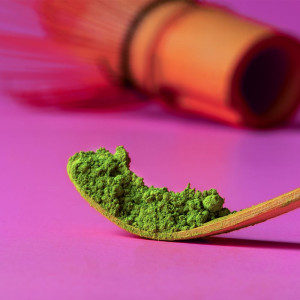
Shizuku Organic Ceremonial Japanese Matcha
Shizuku organic ceremonial Japanese matcha is a vibrant green powder, finely stone-ground, with silky umami notes and a delicat…
€16.90Discover
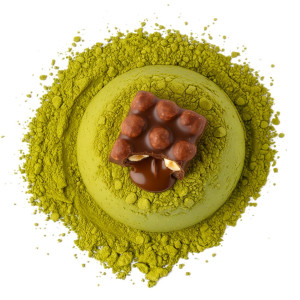
Chocolate Hazelnut Matcha Latte
Chocolate hazelnut matcha latte, also loved as a hazelnut milk matcha, brings together matcha green tea powder with warm, indul…
€18.90Discover