Matcha and digestion: supporting your gut naturally

Matcha, the Japanese green powder making waves in our cups, holds far more than a striking color. Behind its distinctive flavor lie some remarkable digestive properties worth exploring. Contrary to what many assume, this exceptional tea goes well beyond aesthetics: it supports the digestive system with a surprising gentleness.
At Thés & Traditions, we've seen how many of our customers rediscover digestive comfort through matcha. This prized powder, made from shade-grown leaves following Japanese tradition, contains active compounds that work together to soothe and stimulate the digestive system.
The key takeaways
- Soothing action: Matcha calms digestive inflammation through its antioxidants
- Enzymatic stimulation: Chlorophyll encourages the production of digestive enzymes
- Microbiome balance: Catechins nourish beneficial gut bacteria
- Transit regulation: Natural fibers support smooth intestinal transit
- Bloating relief: Its alkalizing effect helps neutralize gastric acidity
How matcha transforms your digestion
A natural ally against gastric acidity
Matcha has a remarkable ability to balance stomach acidity. Unlike coffee, which can irritate, this green powder acts as a natural regulator. Its alkalizing properties neutralize excess gastric acid, offering welcome relief to those prone to heartburn.
This gentle action is rooted in matcha's high content of L-theanine, an amino acid that encourages relaxation. When the nervous system unwinds, digestion naturally follows. No more tension-induced stomach cramps.
Chlorophyll: your natural digestive enzyme
What gives matcha its distinctive color is chlorophyll. But this molecule does more than look beautiful: it actively stimulates the production of digestive enzymes. Think of it as a conductor coordinating the breakdown of food.
Matcha's chlorophyll is particularly effective at:
- Breaking down proteins more efficiently
- Supporting nutrient absorption
- Reducing intestinal fermentation that causes gas
- Speeding up the overall digestive process
A stronger gut microbiome
Our intestines are home to billions of beneficial bacteria that play an active role in digestion. Matcha, rich in catechins, particularly EGCG, nourishes these valuable allies. These powerful antioxidants create a favorable environment for good bacteria to thrive.
A recent study found that regular matcha consumption increases the diversity of the gut microbiome. The greater the variety of our intestinal flora, the better our digestion. A virtuous cycle that builds gradually over time.
Matcha's fibers: gentle transit support
Unlike traditional teas that are steeped and discarded, matcha is consumed whole. This means you benefit from all the fiber contained in the leaves. These soluble and insoluble fibers act like a natural brush through the intestines.
They help to:
- Regulate transit gently
- Increase stool volume
- Encourage the elimination of toxins
- Maintain a lasting feeling of fullness
Targeted anti-inflammatory action
Chronic intestinal inflammation can significantly disrupt digestion. The polyphenols in matcha, particularly its catechins, have well-documented anti-inflammatory properties. They soothe irritated mucous membranes and reduce inflammatory responses.
This is especially beneficial for people with functional digestive disorders. Matcha is not a medicine, but it naturally supports the body's healing process.
How to incorporate matcha into your digestive routine
Finding the right moment
To make the most of matcha's digestive benefits, timing matters. We recommend drinking it:
- 30 minutes before meals to prepare the digestive system
- Mid-morning to stimulate metabolism
- In the afternoon to maintain digestive balance
Avoid drinking it immediately after a heavy meal, as it may slow the absorption of certain minerals such as iron.
Traditional preparation for maximum benefit
The way you prepare matcha directly influences its digestive properties. The traditional bamboo whisk method (chasen) creates a perfect emulsion that supports the absorption of active compounds.
Here is our tried-and-tested method:
- Sift 1 to 2 grams of matcha into a bowl
- Add 60ml of water at 70°C (never boiling)
- Whisk vigorously in an M shape for 30 seconds
- Drink immediately to preserve all the benefits
Pairings that amplify the effects
Certain ingredients pair beautifully with matcha to enhance its digestive properties:
Fresh ginger: Add a thin slice to your preparation to further stimulate digestion and ease nausea.
Almond milk: Its natural creaminess softens any bitterness while adding extra fiber.
Manuka honey: Its antibacterial properties complement matcha's action on the microbiome.
Precautions and contraindications
Respecting the dosage
Although natural, matcha is a concentrated source of active compounds. Excessive consumption can produce the opposite of the desired effect. Keep to 2 to 3 grams per day, equivalent to around 2 cups.
Signs of overconsumption include:
- Restlessness from caffeine
- Stomach discomfort
- Sleep disturbances
- Heart palpitations
Specific situations
Some people should take extra care:
- Pregnant women: Limit consumption to a maximum of 1 cup per day
- People on anticoagulants: Consult your doctor, as the vitamin K in matcha may interfere with treatment
- Sensitive stomachs: Start with small amounts to test your tolerance
Matcha varieties and their digestive profiles
Ceremonial matcha vs. culinary matcha
Ceremonial matcha, finer and less bitter, tends to be gentler on the stomach. Its higher L-theanine content makes it a preferred choice for those with sensitive digestion.
Culinary matcha, more robust in character, works beautifully in milk-based preparations that naturally mellow its intensity.
The importance of origin
A quality matcha, grown using traditional Japanese methods, concentrates a greater amount of beneficial active compounds. The terroirs of Uji, Nishio and Shizuoka produce matchas that are particularly rich in chlorophyll and antioxidants.
Customer experiences
Our customers regularly share notable improvements in their digestive comfort after a few weeks of regular matcha consumption. Marie, 45, told us: "Since I added matcha to my morning routine, the bloating I used to get after meals has reduced considerably."
These stories, while personal, reflect something we witness every day in our tea house.
Common questions about matcha and digestion
Can matcha replace probiotics?
No, matcha complements the action of probiotics rather than replacing them. It creates a favorable environment for them to flourish.
How long before you feel the effects?
The first benefits typically become noticeable after 2 to 3 weeks of regular consumption.
Is matcha suitable for people with irritable bowel syndrome?
Yes, but start with very small amounts and pay attention to how your body responds. Its anti-inflammatory properties can be genuinely helpful.
Can you drink matcha on an empty stomach?
You can, though some people prefer to pair it with a light snack to avoid any acidity.
Is organic matcha more effective for digestion?
Organic matcha guarantees the absence of pesticides, which can be beneficial for sensitive guts.
Why not give it a try ? Explore our organic Japanese matcha and let yourself be tempted.
Tempted to try it?
Our selection related to this article, loose leaf and organic.
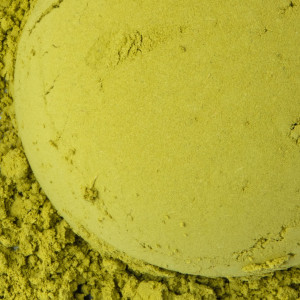
Matcha Aura Organic
Matcha Aura Organic is a finely milled green tea powder crafted for the perfect organic matcha latte.
€14.90Discover
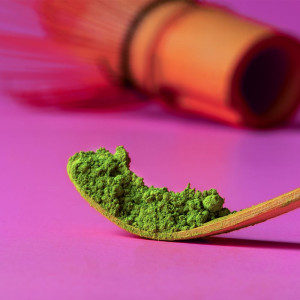
Shizuku Organic Ceremonial Japanese Matcha
Shizuku organic ceremonial Japanese matcha is a vibrant green powder, finely stone-ground, with silky umami notes and a delicat…
€16.90Discover
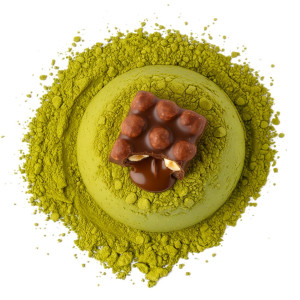
Chocolate Hazelnut Matcha Latte
Chocolate hazelnut matcha latte, also loved as a hazelnut milk matcha, brings together matcha green tea powder with warm, indul…
€18.90Discover