What is Matcha? A Guide to Japanese Green Tea

Picture a powder of the most vivid green, fine as silk, turning a simple gesture into a ritual thousands of years in the making. Matcha, a treasure of Japanese tradition, is as captivating as it is intriguing. Far more than a passing trend, this green tea powder carries ancestral secrets and remarkable benefits well worth exploring. Here is everything that makes matcha a true art of living.
Key Takeaways
- Matcha is an ultra-fine Japanese green tea powder, produced by stone-grinding shade-grown leaves
- Traditional preparation uses a bamboo whisk and follows a precise ritual rooted in the tea ceremony
- Rich in antioxidants, L-theanine and chlorophyll, it delivers gentle, sustained energy
- Unlike steeped tea, you consume the whole leaf in powder form, multiplying its nutritional benefits
- Quality varies by grade: ceremonial for pure drinking, culinary for cooking and baking
A Green Powder with Ancient Roots
Matcha traces its origins to Tang Dynasty China, around the 8th century, where Buddhist monks discovered the virtues of powdered green tea. It was in Japan, in the 12th century, that the monk Eisai brought this tradition back home, setting in motion a transformation of Japanese tea culture.
Unlike conventional green tea, which is steeped, matcha follows a unique production process. The tea plants are shade-grown for several weeks before harvest, a technique known as "tana." This deliberate deprivation of sunlight prompts the plant to produce higher levels of chlorophyll and amino acids, particularly L-theanine, which is responsible for that distinctive emerald green colour.
After the tender young shoots are carefully hand-picked, the leaves are steamed to halt oxidation, then dried and stripped of their stems and veins. What remains, known as "tencha," is slowly ground in traditional stone mills. It takes a full hour to produce just 30 grams of this precious powder.
The Tea Ceremony: When Drinking Becomes an Art
At the heart of Japanese culture, the tea ceremony, or "chanoyu," elevates the preparation of matcha to a spiritual art form. This meditative practice, codified by master Sen no Rikyū in the 16th century, transforms every gesture into a moment of mindfulness.
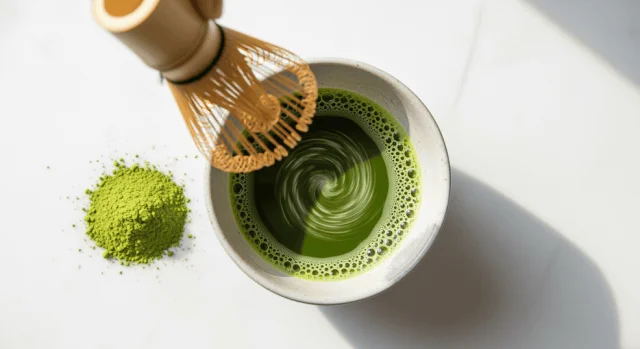
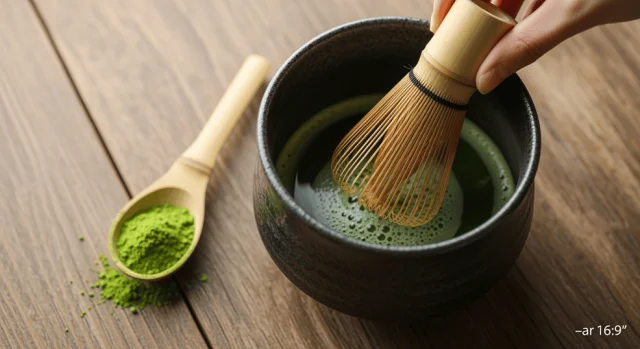
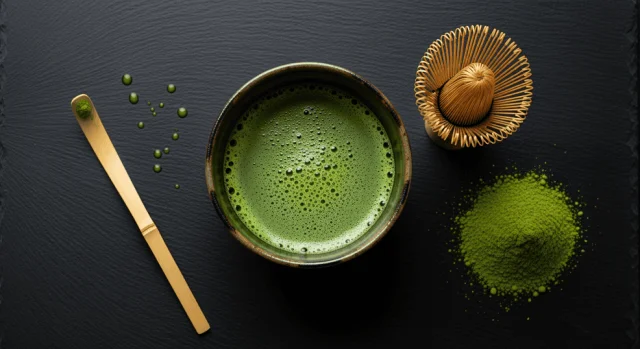
Traditional preparation calls for specific utensils: the "chasen" (bamboo whisk), the "chashaku" (bamboo scoop) and the "chawan" (tea bowl). The matcha powder is carefully measured, then whisked with hot water (around 70°C) in a brisk "M" motion until a smooth, velvety foam forms.
This precise technique is not merely aesthetic: it emulsifies the powder perfectly and coaxes out the full aromatic complexity of the matcha. The result is a creamy, deeply vegetal drink, slightly bitter yet balanced by a natural underlying sweetness.
A Cup Full of Benefits
What sets matcha apart from other teas is that the whole leaf is consumed, in powder form. This single distinction multiplies its nutritional properties in a remarkable way.
Matcha contains up to 137 times more antioxidants than a standard green tea. These catechins, and in particular EGCG (epigallocatechin gallate), are powerful allies in combating oxidative stress and supporting the immune system.
L-theanine, the amino acid unique to tea, deserves special attention. It promotes a state of calm alertness, easing stress while sustaining focus. Combined with theine (naturally occurring caffeine), it provides stable, long-lasting energy, free from the peaks and crashes associated with coffee.
Chlorophyll, responsible for that deep green colour, has well-documented detoxifying properties. It helps the body eliminate heavy metals and supports healthy liver function.
Choosing Your Matcha: Quality and Purpose
Not all matchas are equal, and understanding the different grades will help you find the right one for your needs.
Ceremonial grade matcha represents the pinnacle of quality. Produced exclusively from the season's first harvest leaves, it offers a brilliant jade-green colour, a silky texture and a delicate flavour with pronounced umami notes. This is the one to savour on its own, prepared in the traditional way.
Premium grade matcha is an excellent middle ground. Slightly less refined than ceremonial grade, it works beautifully for matcha lattes or smoothies while still delivering impressive flavour and character.
Culinary grade matcha, bolder in flavour and more affordable, is made for baking and cooking: macarons, ice creams, chocolates, cakes. Its stronger taste holds up well to heat and blending.
When assessing quality, trust your eyes and hands: look for a vivid, bright green (never yellowish), an impalpably fine texture, and a reputable origin such as Uji, Nishio or Shizuoka.
Making the Perfect Matcha: Technique and Tips
A good matcha takes a little practice, but the result is well worth the effort. Here is how to prepare a smooth, flavourful cup.
Start by sifting 1 to 2 grams of matcha powder (about a teaspoon) into your bowl. This step breaks up any clumps and ensures a perfectly smooth texture.
Heat your water to no more than 70-80°C. Water that is too hot will bring out bitterness and destroy the more delicate compounds. Add around 60 ml in two stages: first a few drops to form a paste, then the rest gradually.
Whisk briskly with the chasen, tracing quick "M" shapes across the bowl. The goal is a fine, even foam that reveals the full aromatic depth of the matcha. Fifteen to twenty seconds of vigorous whisking should do it.
For a matcha latte, add warm, frothed plant-based milk (almond, oat or coconut work beautifully). A touch of honey or maple syrup can soften the flavour to your taste.
Beyond the Cup: Matcha in the Kitchen
Matcha is not just for drinking. This versatile powder brings its striking colour and complex flavour to a wide range of culinary creations.
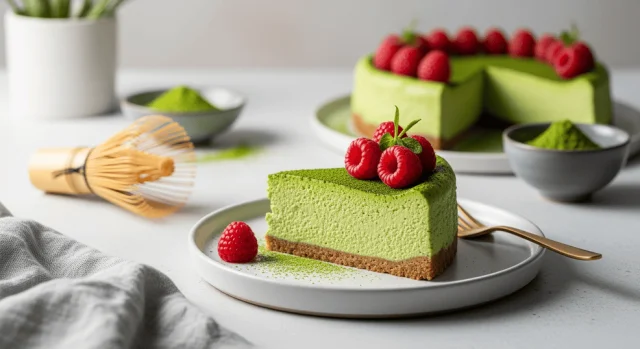
In baking, matcha elevates even the most refined recipes. Matcha macarons, a reimagined tiramisu, white chocolate truffles... its gentle bitterness provides a perfect counterpoint to the sweetness of desserts. As a guide, use 10 to 15 grams of powder per 100 grams of flour in cakes and baked goods.
Matcha ice cream and sorbets have earned a devoted following. Fresh, vegetal and distinctive, this flavour offers an original alternative to the classics. The same goes for green smoothies, where matcha contributes its benefits and its natural colour in one scoop.
More surprisingly, matcha also pairs well with savoury dishes. A pinch stirred into a vinaigrette, a compound butter, or a herb crust for fish can create unexpected and genuinely delicious flavour combinations.
Frequently Asked Questions about Matcha
No. Matcha contains around 35 mg of caffeine per gram, which is less than a cup of coffee (95 mg). That said, the presence of L-theanine changes how that caffeine is absorbed, delivering a smoother, more sustained energy without jitteriness.
Absolutely. One to two cups a day is an ideal amount to enjoy its benefits without excess. Morning or early afternoon is best, as its caffeine content may interfere with sleep if consumed in the evening.
Matcha is sensitive to light, air and heat. Keep it in an airtight container, ideally in the refrigerator. Once opened, use it within 2 to 3 months to make the most of its aroma and vibrant colour.
True matcha comes exclusively from shade-grown leaves processed according to traditional Japanese methods. "Green tea powders" are often simply ground conventional leaves, without the specific cultivation and processing that give matcha its unique character.
An organic certification guarantees the absence of pesticides and chemical fertilisers, which matters especially with matcha since you consume the whole leaf. It is a mark of quality and environmental care, even if some traditional Japanese producers follow responsible growing practices without holding formal certification.
Explore our range of organic green teas: Japanese Sencha, Gyokuro, Matcha, Bancha, Chinese Gunpowder, Long Jing and flavoured blends (jasmine, mint, fruit). Certified organic, delivered across France.
Treat yourself to a true matcha moment with our organic Japanese matcha.
Tempted to try it?
Our selection related to this article, loose leaf and organic.
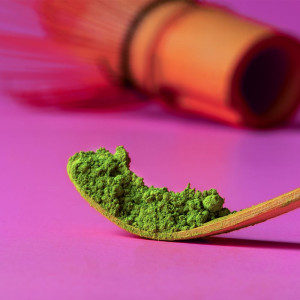
Shizuku Organic Ceremonial Japanese Matcha
Shizuku organic ceremonial Japanese matcha is a vibrant green powder, finely stone-ground, with silky umami notes and a delicat…
€16.90Discover
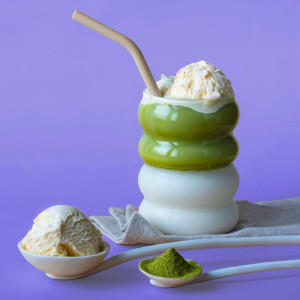
Vanilla Matcha
Vanilla matcha brings together a premium Japanese matcha and natural vanilla powder, for a smooth, velvety cup with umami and i…
€16.90Discover