Matcha Calories: 3 to 250 kcal (Plain, Latte, Sweetened)

When you first discover matcha, that beautifully distinctive Japanese green tea powder, one question tends to come up again and again: how many calories are actually in a cup? From the indulgent lattes you see everywhere to a traditional whisked bowl, the numbers can be surprising. At Thés & Traditions, we hear this question regularly from customers mindful of their nutritional balance. So let's dive together into the world of matcha calories, so you can enjoy every sip with complete peace of mind.
Key takeaways
- Pure matcha contains just 3 to 6 calories per gram of powder
- A matcha latte can range from 60 to 250 calories depending on the ingredients
- Your choice of milk has a dramatic impact on the calorie count
- Matcha remains lower in calories than most sweetened hot drinks
- Its nutritional richness more than makes up for its modest energy content
Pure matcha: a surprisingly light drink
Let's start at the beginning: matcha in its purest form. One teaspoon of ceremonial-grade matcha powder, around 2 grams, gives you just 5 to 6 calories. Remarkably little! To put it in perspective, that's fewer calories than a single almond.
This low calorie count comes down to the very nature of matcha. Unlike sweetened commercial drinks, matcha is simply finely ground green tea leaves. No additives, no hidden sugars, just the pure essence of Japanese green tea.
That said, don't let the calorie count tell the whole story. Matcha is packed with valuable nutrients: antioxidants, vitamins, minerals... This is what's known as exceptional nutritional density. Every calorie truly counts.
| Nutrient | Amount per 2g of matcha | % of daily needs |
|---|---|---|
| Calories | 5-6 kcal | 0.3% |
| Protein | 0.6 g | 1% |
| Vitamin K | 29 µg | 29% |
| Vitamin C | 3 mg | 3% |
| Catechins (EGCG) | 137 mg | - |
Matcha latte: when the calories add up
Now let's talk about the famous matcha latte, that creamy drink taking over café menus everywhere. Here, the story changes entirely. The calorie count can range from 60 to 250 depending on your recipe.
The culprit? The milk, of course. A 250 ml cup of whole milk alone brings 150 calories to the table. Add sugar or syrup, and suddenly your drink has little in common with traditional matcha when it comes to energy content.
Here's a comparison we like: a sweetened whole-milk matcha latte is a bit like turning an herbal infusion into a milkshake. Not necessarily a problem, but it's worth knowing.
Here are some concrete examples for a 250 ml cup:
- Matcha + hot water: 6 calories
- Matcha + unsweetened almond milk: 45 calories
- Matcha + oat milk: 80 calories
- Matcha + whole milk: 160 calories
- Sweetened matcha latte (café-style): 200-250 calories
How to lighten your matcha without losing the pleasure
Good news: you can absolutely enjoy a rich, indulgent matcha without blowing your calorie budget. A few simple tweaks can make all the difference.
First, explore plant-based milks. Unsweetened almond milk cuts the calorie count to roughly a quarter of what whole milk would bring. Light coconut milk is another excellent option, adding a subtle exotic note that pairs beautifully with matcha's natural umami.
Next, rethink the sweetener. Instead of white sugar, why not try a touch of honey? Or better still, let the natural sweetness of a quality matcha speak for itself. A good ceremonial-grade matcha needs no added sweetness to reveal its complex flavour.
A small preparation tip: whisk your matcha with a little hot (not boiling!) water before adding your milk. This traditional Japanese technique, known as "temae", creates a naturally silky foam that gives the impression of a much richer drink.
Matcha versus other drinks: a calorie comparison
To put things in perspective, let's compare matcha with other popular drinks. You might be surprised.
Black coffee? Almost zero calories, just like pure matcha. But once you add milk and sugar, a standard white coffee easily reaches 180-200 calories. A cappuccino? That's at least 120 calories.
Among teas, a classic green tea stays at zero calories, but it doesn't offer matcha's nutritional richness. A Chai latte? Watch out, that averages around 240 calories. And we won't even get started on frappuccinos and other iced, sweetened drinks...
Matcha finds a smart middle ground: more nutritionally rich than a simple tea, yet much lighter than an indulgent coffee drink. The best of both worlds.
Benefits that far outweigh the calories
Honestly, focusing solely on matcha's calorie count means missing the bigger picture. This green powder is a genuine powerhouse of goodness.
Catechins, particularly EGCG, are potent antioxidants that help protect our cells. L-theanine supports focus while promoting a sense of calm. And then there's the natural caffeine, which delivers a gentler, more sustained energy boost than coffee.
In practical terms, what does that mean? A cup of matcha can help you stay focused for hours, without the spike and crash that coffee often brings. Not bad for just 6 little calories.
Some studies even suggest that matcha may support metabolism. So even if you're watching your weight, matcha remains a genuinely worthwhile ally.
Our tips for making matcha part of your daily routine
At Thés & Traditions, we've been guiding customers through their matcha journey for years. Here are our practical tips for enjoying this exceptional drink, guilt-free.
In the morning, go for a pure matcha or with a small splash of almond milk. It's the ideal moment to make the most of its naturally energising properties. In the afternoon, treat yourself to a more indulgent matcha latte if the mood strikes.
For those who exercise, matcha before a workout is wonderful: low in calories, a natural energy boost, and those antioxidants that support recovery.
And don't forget that matcha goes well beyond drinks. Folded into your home baking, it adds its distinctive colour and benefits without noticeably weighing down your recipes.
Frequently asked questions about matcha calories
Not at all. Pure matcha is very low in calories and may even support metabolism thanks to its catechins. It's the addition of whole milk and sugar that can drive the calorie count up. Choose lighter versions if you're watching your weight.
Great question. Even drinking 5 cups of pure matcha a day, you wouldn't exceed 30 calories. The real consideration is caffeine: we recommend a maximum of 2 to 3 servings of matcha per day to avoid any unwanted side effects.
Organic farming doesn't significantly affect matcha's calorie content. That said, a quality organic matcha will often have a richer, more balanced flavour, which can reduce the need to add any sweetener.
Absolutely. Matcha is actually a great ally when it comes to managing your weight. Its antioxidants can support metabolism, its natural caffeine helps with fat burning, and its low calorie count makes it a guilt-free pleasure. Just be mindful of sugary additions.
Worth watching out for. Instant preparations often contain added sugar, artificial flavourings and less actual matcha. The result: more calories, fewer benefits. Always opt for pure matcha powder, even if the preparation takes a little more care.
Ready to enjoy your matcha with complete peace of mind?
Now that you know all the secrets behind matcha's calorie count, you can fully embrace this extraordinary drink. Whether you prefer the purity of a traditional matcha or the indulgence of a creamy latte, what matters is making a conscious choice that fits your mood and your goals.
At Thés & Traditions, we believe that pleasure and balance go hand in hand. Matcha embodies that philosophy perfectly: few calories, a wealth of benefits, and a moment of pure tasting pleasure with every cup.
Ready to turn your tea break into a wellness ritual? Your body and your taste buds will thank you.
Want to pick up the whisk ? Discover our organic matchas from Japan and find the one that suits you.
Tempted to try it?
Our selection related to this article, loose leaf and organic.
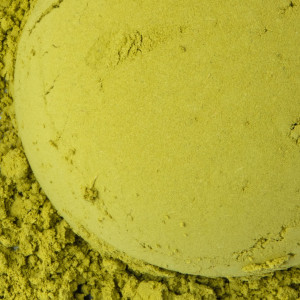
Matcha Aura Organic
Matcha Aura Organic is a finely milled green tea powder crafted for the perfect organic matcha latte.
€14.90Discover
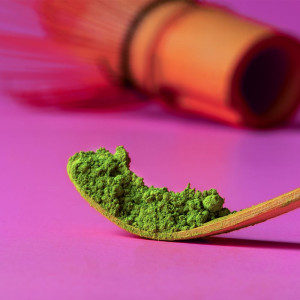
Shizuku Organic Ceremonial Japanese Matcha
Shizuku organic ceremonial Japanese matcha is a vibrant green powder, finely stone-ground, with silky umami notes and a delicat…
€16.90Discover
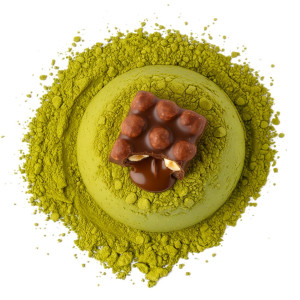
Chocolate Hazelnut Matcha Latte
Chocolate hazelnut matcha latte, also loved as a hazelnut milk matcha, brings together matcha green tea powder with warm, indul…
€18.90Discover