 Green Tea




Organic
White Monkey 1st Grade Deluxe
A rare tea that offers an unforgettable taste experience.
 Main Note:
Mint
Main Note:
Mint
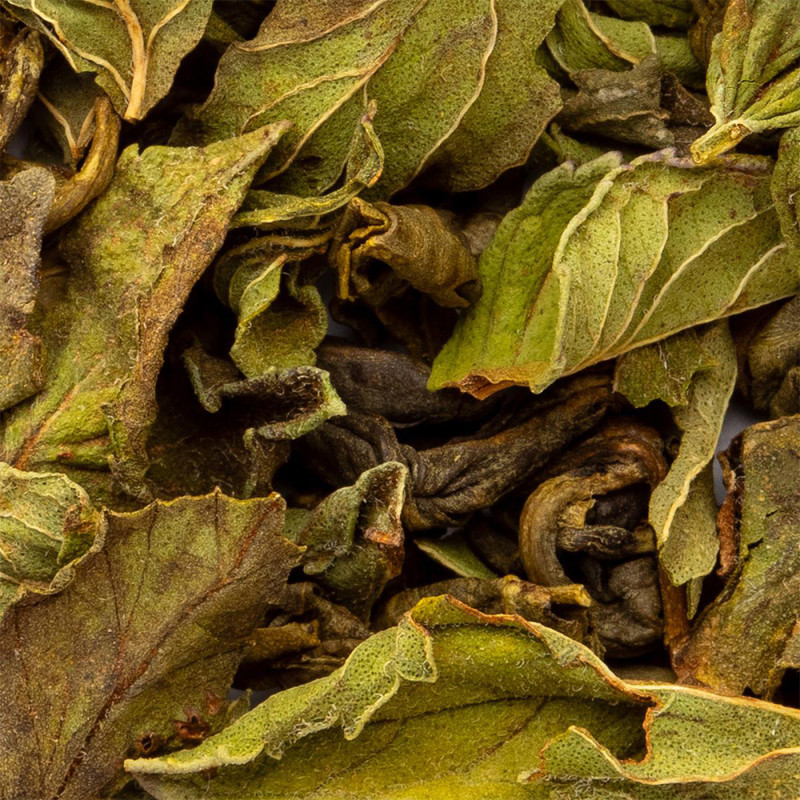
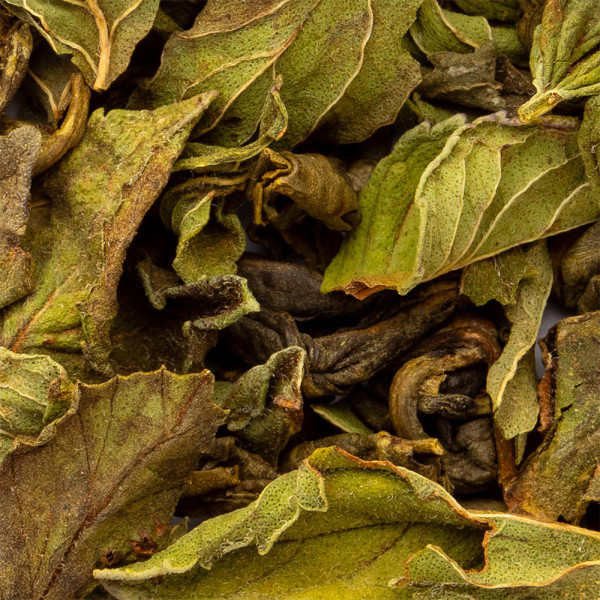
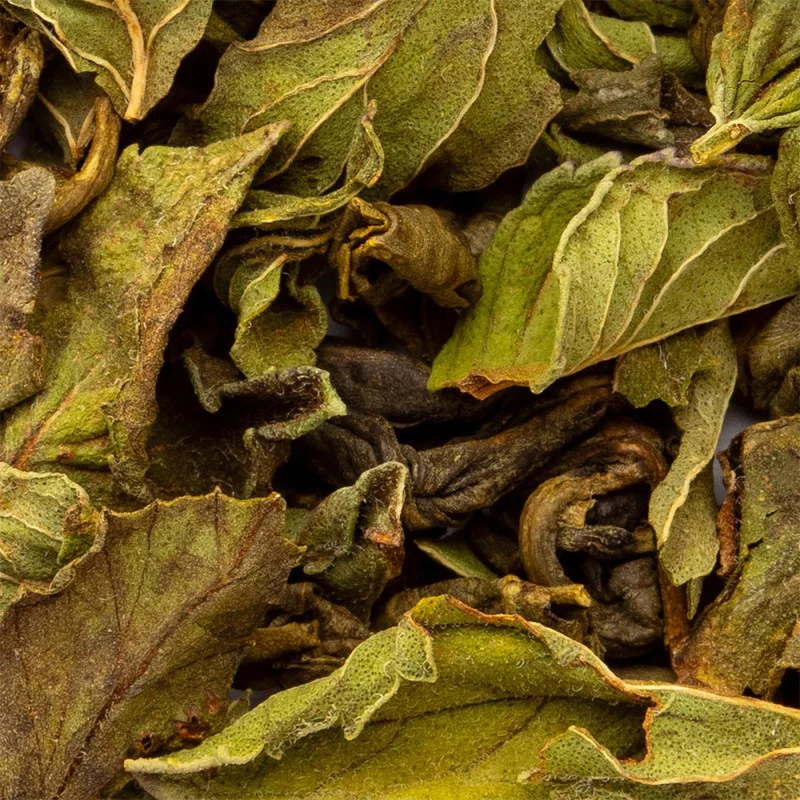
Our organic peppermint green tea brings together pearl-rolled Gunpowder and generous whole peppermint leaves, for an intense freshness with well-known digestive benefits. A bright, minty and refreshing infusion, to be enjoyed hot or iced throughout the day.
our expertise


In our workshop in Provence, each blend is handcrafted with passion by our team.
Real pieces of dried fruit, whole plants and carefully selected teas of origin.
Carefully crafted to create unforgettable tasting moments. A signature taste, an authentic experience.
In a nutshell: an organic peppermint green tea, Gunpowder + whole peppermint leaves, intense freshness and herbal notes. Brewing: 12 to 15 g/L, 75-80°C, 2 to 3 minutes. Enjoy hot or iced.
Some teas earn a permanent place in your routine because they simply do it all. Our organic peppermint green tea is one of them. Bright without being sharp, aromatic without being heavy, it works just as well for a mid-morning break as it does after a meal, whether served warm in winter or chilled on a sunny afternoon.
This infusion is built on two simple, carefully chosen ingredients: an organic Gunpowder green tea, rolled into tight little pearls that slowly release their aromas, and large whole organic peppermint leaves. No frills, no unnecessary flavourings: just a touch of natural peppermint aroma to highlight the menthol character of the blend.
Our founder Julien Huot selected this pairing for its perfect balance between the rounded, vegetal quality of the Gunpowder and the cool, biting freshness of peppermint. Explore our green tea selection to go further into this wonderful category.
The moment hot water meets the leaves, the aroma unfolds in two waves. First, the clean, almost icy freshness of peppermint fills the room. Then, in its wake, the deeper notes of the Gunpowder reveal themselves: vegetal, faintly smoky, with that characteristic freshly cut grass quality of rolled Chinese green teas.
On the palate, the opening is vivid. Menthol wraps around the mouth with an intense, refreshing sensation, distinctly cool and peppery, just as the name promises. This is noticeably stronger than spearmint, which tends to be rounder and sweeter.
Through the mid-palate, the green tea base takes centre stage. The Gunpowder brings body and a vegetal substance that balances the lightness of the mint. There are hints of toasted hazelnut, a pleasant gentle astringency, and a roundness that keeps the cup from ever feeling sharp.
The finish is long, cool, and refreshing. Peppermint leaves behind that signature lasting freshness that cleanses the palate and draws you back for another sip. That is exactly what makes this cup such a natural choice after a meal.
This simplicity of composition is a deliberate choice. Three ingredients, two of them whole and organic, are all it takes to create a rich, cohesive aromatic experience. If you enjoy this style of minty tea, you might also love our Marrakech mint green tea for a more traditional take, or our spearmint green tea for a sweeter, softer character.
Understanding the distinction is key to knowing what is in your cup. Peppermint contains a significantly higher concentration of menthol than spearmint. The result is a completely different experience: peppermint tingles, refreshes intensely, almost like a rush of cold air.
Spearmint, by contrast, is rounder, sweeter, almost reminiscent of chewing gum in some varieties. It is gentler and more universally crowd-pleasing. The choice between the two is not about quality but about the experience you are after: bold and bracing on one side, soft and enveloping on the other.
Like all green teas, this infusion rewards a little attention. Four parameters to keep in mind: quantity, temperature, time, and water.
Bring your water to a gentle simmer, then remove from the heat and allow it to cool for a few minutes until it reaches the right temperature. If you have a temperature-controlled kettle, set it directly to 80°C.
Place the leaves in a teapot or a tea infuser large enough for the Gunpowder pearls to open up and the mint leaves to unfurl fully. Pour over the water and steep for 2 to 3 minutes, depending on the intensity you prefer.
Serve immediately after brewing. Green tea does not sit well in its own infusion, which would continue extracting tannins. If you are brewing a larger quantity, pour the infusion into a second teapot or a carafe straight away.
This infusion is wonderfully suited to cold brewing. Two approaches: the classic hot-brew method followed by rapid chilling over ice (flash method); or cold brewing in the fridge for 2 to 4 hours, using 15 g per litre, for a gentler, less astringent cup. Peppermint comes through with a crystalline freshness that is especially welcome in summer.
For more on the best moments to enjoy it, take a look at our guide when to drink green tea. And if you want to deepen your knowledge, explore everything about green tea.
A tea always contains leaves from the Camellia sinensis plant, which is exactly the case here, where green tea meets an aromatic herb. A herbal infusion or peppermint tisane, on the other hand, contains only mint leaves, with no tea whatsoever.
The difference is twofold. First, our peppermint green tea naturally contains caffeine, while a herbal infusion does not. Second, the taste is in a different league: the Gunpowder base adds structure, body, and real substance on the palate, whereas a pure mint herbal infusion remains lighter and more airy. Try this energising blend in the morning to make the most of its vibrant, bright character.
Store your tea in an airtight container, away from light, moisture, heat, and strong odours. An opaque metal tin or a ceramic caddy works perfectly. Avoid the fridge: temperature fluctuations cause condensation, which is the enemy of dried leaves.
Blended in our workshop, this tea retains its full aromatic freshness for 18 to 24 months under good conditions. You will know it is time to restock when the minty scent begins to fade as you open the tin.
What are the benefits of peppermint green tea?
This blend combines the light, thirst-quenching quality of green tea with the invigorating freshness of peppermint. Traditionally enjoyed after meals for its refreshing effect and digestive comfort, it is also a reviving companion throughout the day thanks to its lively, uplifting aroma.
How do I brew peppermint green tea?
Use 12 to 15 g of leaves per litre of water at 75 to 80°C, and steep for 2 to 3 minutes. Serve immediately after brewing. For an iced version, cold brew in the fridge for 2 to 4 hours for a smooth, refreshing cup.
Where can I buy organic peppermint green tea?
Our peppermint green tea is available directly from our online shop, loose-leaf. All our ingredients are certified organic: Chinese Gunpowder tea and whole peppermint leaves, selected by our family-run house.
What is the difference between spearmint and peppermint?
Peppermint contains far more menthol than spearmint. It delivers an intense, almost tingly freshness, whereas spearmint (also known as sweet mint) offers rounder, sweeter notes. The choice comes down to the level of aromatic intensity you are looking for.
What types of peppermint green tea are there?
Recipes vary depending on the green tea base used (Gunpowder, Sencha, Chun Mee) and the type of mint (peppermint, spearmint, nana mint). Our house offers several interpretations, including our Yangtze green tea with its floral notes, for a different journey through the world of green tea.

A rare tea that offers an unforgettable taste experience.

Herbs of Provence, organic Sencha and the sweetness of the South

Discover the richness of Japanese Matcha tea.

French House
Independent since 2016.
Fast delivery
Home delivery or click & collect.
Made with heart
In the south of France.
Customer service
A real voice at the end of the line,
Monday to Friday: 04 22 91 35 75.
Sharing, passing it on: our teas, our tips, the occasional unexpected idea, and little attentions just for you. Pure pleasure, ready to steep.