Scented with fine, rare bergamot! A timeless classic
Découvrez les autres familles de thé
Et pour finir la journée sans théine
Earl Grey is probably the most famous flavoured black tea in the world. This legendary blend pairs a base black tea with bergamot essential oil, a Mediterranean citrus grown mainly in Sicily and Calabria. Its distinctive aroma, somewhere between bitter orange and lime, has made it the cornerstone of the British tea time.
At Thés & Traditions, we have crafted a selection of 5 Earl Grey creations, from the timeless bergamot classic to more contemporary variations such as London Fog and a Russian-style version. Whether you enjoy it straight, as a latte, or iced in summer, your perfect Earl Grey is waiting.
Exploring Earl Grey tea means stepping into a world where British tradition meets true gustatory refinement. This iconic drink, elevated by the delicate essence of bergamot, deserves a thoughtful approach to selection, so that its full aromatic character can shine.
The quality of an Earl Grey tea rests, above all, on the calibre of its base leaves. Look for black teas from well-regarded gardens, such as Indian Assam or Ceylon plantations, whose natural robustness harmonises beautifully with the citrusy notes of bergamot. Origin plays a significant role in the final character: an Assam-based Earl Grey will develop malty, full-bodied notes, while a Ceylon base brings greater delicacy and brightness.
Bergamot is the very soul of this blend. Seek out teas made with Calabrian bergamot, prized for its superior quality and authentic fragrance. The balance between tea and aroma should be carefully judged: the bergamot must enhance without overwhelming the intrinsic character of the black tea.
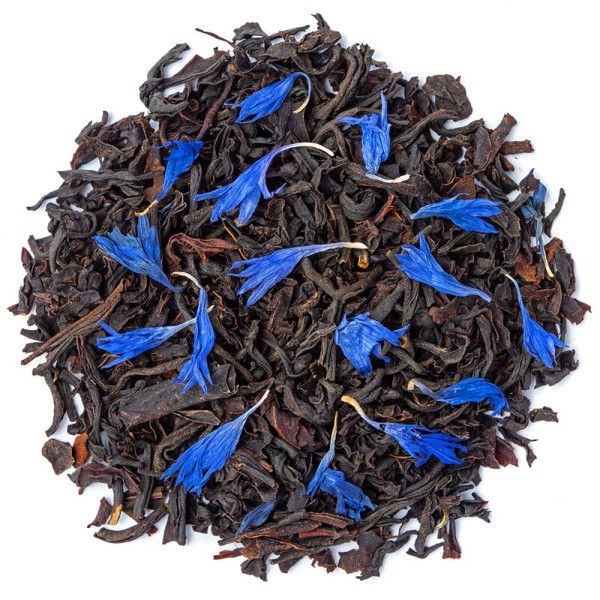
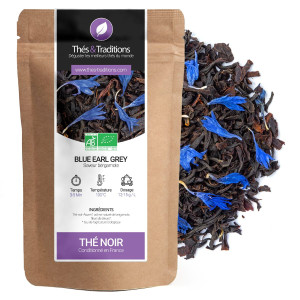
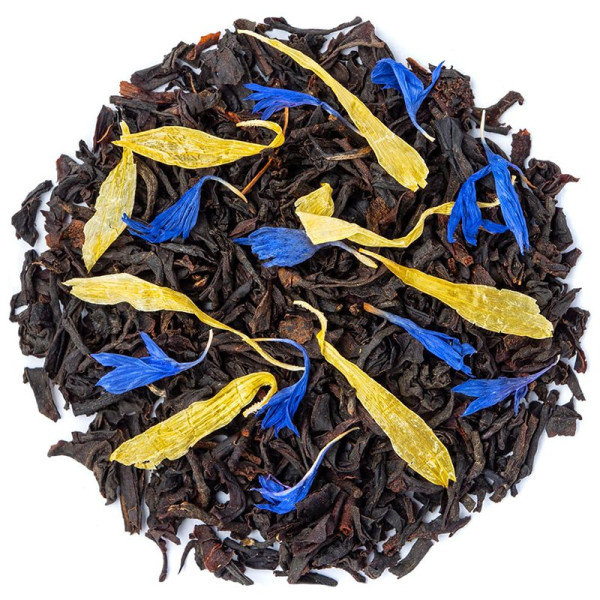
The world of Earl Grey has expanded to include bold creations that honour the original spirit while bringing their own distinctive touch. Blue Earl Grey incorporates cornflower petals, adding a visual flourish and a subtle floral note. Russian Earl Grey weaves together bergamot, lemon and grapefruit into a more complex citrus symphony.
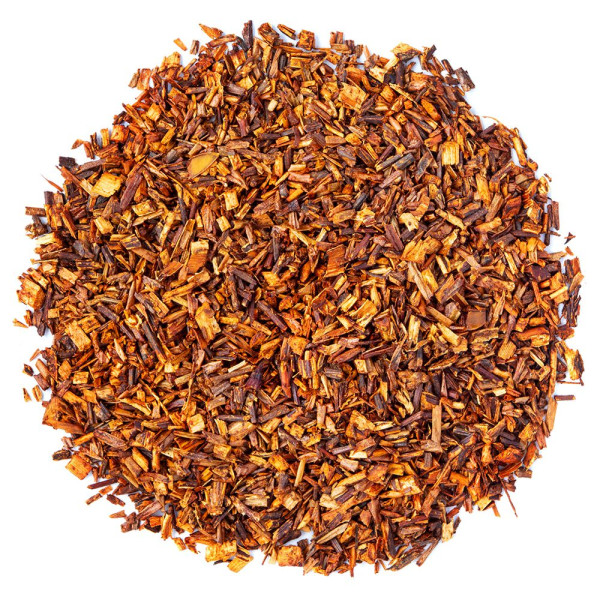
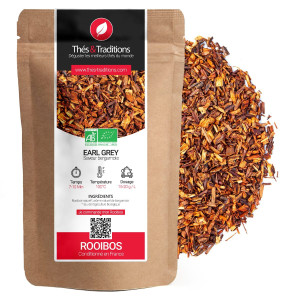
For those seeking a caffeine-free alternative, Rooibos Earl Grey offers the natural sweetness of South African rooibos, fragranced with bergamot, creating a comforting drink that can be enjoyed at any time of day.
Brewing Earl Grey is a precise ritual, one that honours its aristocratic origins. Every gesture matters, drawing out the full depth of its aromas and creating that singular sensory experience that defines great teas.
Water is the first key element: use a low-mineral water, heated to between 90°C and 100°C depending on the tea base. For a traditional black tea, boiling water unlocks the full character of the tannins, while an Earl Grey on a green tea base calls for a gentler temperature, around 80°C.
Dosage follows British tradition: allow approximately 15 grams of tea per litre of water, or a generous teaspoon per cup. The infusion should last between 3 and 5 minutes, depending on the strength you prefer. Steeping too long risks developing a bitterness that would overshadow the delicacy of the bergamot.
Earl Grey is traditionally enjoyed on its own, allowing you to fully appreciate the balance between tea and bergamot. That said, a touch of acacia honey can elevate the floral notes, while a slice of lemon brightens the citrus freshness. White sugar is best avoided, as it can dull the aromatic finesse.
Classic accompaniments include Scottish shortbread, scones with citrus jam, or delicately lemon-scented madeleines. These pastries complement the elegance of the tea without competing with its aromas.
Beyond its pleasures as a drink, Earl Grey carries the natural benefits of both black tea and bergamot. This harmonious pairing makes it a wonderful daily ritual, balancing enjoyment with wellbeing.
Black tea, the foundation of Earl Grey, is rich in powerful antioxidants, notably theaflavins and thearubigins, which contribute to cellular protection. Its moderate caffeine content gently stimulates the body without the restlessness sometimes associated with coffee.
The polyphenols it contains support healthy circulation and may contribute to cardiovascular wellbeing. Enjoyed regularly, black tea fits naturally into a balanced lifestyle.
Bergamot brings its own qualities to the cup: its essential oils have well-recognised relaxing properties in aromatherapy. Its delicate fragrance encourages calm and may help ease everyday stress.
This synergy between black tea and bergamot creates a drink ideally suited to moments of pause, offering gentle stimulation and relaxation in equal measure, depending on what you need.
Earl Grey tea inherits the benefits of the black tea at its base, enriched by the bright aromatic freshness of bergamot.
Black tea is known for its antioxidant properties, thanks to theaflavins and thearubigins. According to the ANSES, moderate tea consumption contributes to daily hydration and provides polyphenols that support cellular protection. Bergamot, for its part, is traditionally associated with digestion and intestinal comfort, thanks to the terpene compounds in its essential oil.
Bergamot tea may also indirectly support the immune system through its antioxidant content. For scientific references on the flavonoids in black tea, visit PubMed.
Brewing Earl Grey follows the principles of classic black tea, with a few nuances related to bergamot.
Use 2 grams of loose-leaf tea per 200 ml cup, water at 95°C (just off the boil, to preserve bergamot's delicate volatile aromas), and steep for 3 to 5 minutes. Beyond that, tannins come forward and bitterness can overshadow the bergamot.
Brew your Earl Grey at double strength (4g per 200 ml), steep for 5 minutes, strain, then pour over ice and top up with cold water. The bergamot takes on a beautifully refreshing quality, perfect for summer afternoons. A slice of lime makes a lovely finishing touch.
Brew a classic Earl Grey, then add steamed milk and a teaspoon of vanilla syrup. A cult favourite in Canadian cafés, and a wonderfully comforting drink any time of year.
What is Earl Grey tea?
Earl Grey is a black tea scented with bergamot essential oil, a citrus fruit grown in Sicily and Calabria. The blend dates back to the 19th century and has become the defining classic of British tea time. It is now available in organic versions, as well as variations such as Lady Grey (softer and more delicate), Russian-style (with citrus zest), and even as a green or white tea.
What are the benefits of Earl Grey?
The black tea base brings antioxidant properties (theaflavins, polyphenols) that contribute to cellular protection. Bergamot is traditionally associated with digestion and digestive comfort. Together, they offer immune support through their antioxidant content. These effects are best appreciated as part of moderate consumption (2 to 4 cups a day) and a balanced lifestyle.
What is the origin of Earl Grey?
The story of Earl Grey traces back to Charles Grey, the Earl Grey and British Prime Minister in the early 19th century. According to legend, a Chinese diplomat gifted him the recipe for a bergamot-scented tea. Bergamot itself is a hybrid citrus, a cross between bitter orange and lime, grown almost exclusively in Sicily and Calabria since the 17th century.
Where can I buy good-quality Earl Grey?
Look for specialist shops that carefully select their black tea base and use pure bergamot essential oil rather than a synthetic flavouring. Check that bergamot is explicitly listed in the ingredients. Our organic Earl Grey from Thés & Traditions meets all these criteria, sourced directly from our Italian and Sri Lankan partners.
What varieties of Earl Grey are there?
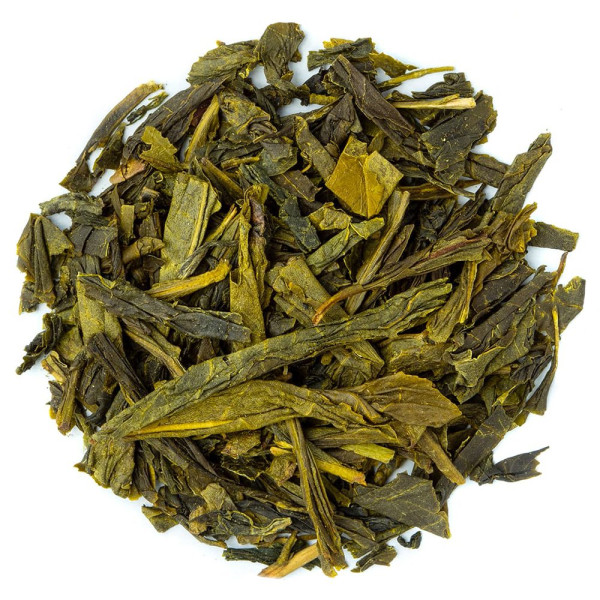
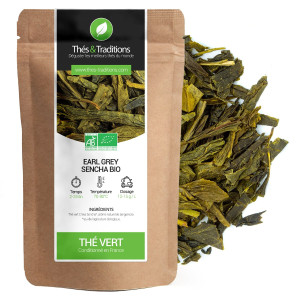
Classic Earl Grey is made with a black tea base, but today you will also find it with green tea (lighter and more vegetal), white tea (more subtle), organic Earl Grey, Lady Grey (with orange and lemon zest), and Russian-style blends (with a sunnier citrus profile). And of course the London Fog, the Earl Grey latte that transforms a timeless classic into the ultimate cosy winter drink.
Explore our five Earl Grey creations above and find the one that will make your tea breaks something to look forward to.
Our customers often ask about the finer points of this beloved classic. Here are answers to the most common questions to help you find your way.
Imperial Earl Grey sets itself apart with the addition of cornflower petals and sometimes pieces of candied citrus, creating a more floral, visually striking take on the classic. The flavour stays true to the original while adding an extra layer of elegance.
Traditionally enjoyed in the afternoon as part of the British "five o'clock tea" ritual, Earl Grey is really a tea for any hour. Its caffeine content makes it a natural choice in the morning or early afternoon. For evenings, look to caffeine-free options like Rooibos Earl Grey.
Keep your Earl Grey in an airtight container, away from light, moisture and strong odours. Because bergamot aromas are naturally volatile, proper storage preserves the full delicacy of the blend for up to two or three years.
Absolutely. Organic Earl Grey teas guarantee environmentally responsible growing practices, free from pesticides and synthetic fertilisers. This approach protects the purity of the aromas and reflects a commitment to mindful consumption.
The origins of Earl Grey tea stretch back to the nineteenth century, somewhere between history and legend. Charles Grey, 2nd Earl Grey, served as British Prime Minister from 1830 to 1834. The story goes that a Chinese diplomat gifted him this blend as a token of gratitude, and that Lord Grey then asked his tea merchant to recreate the recipe.
The modern version of Earl Grey tea is built on a black tea base (most often a blend of Ceylon and Indian teas) scented with bergamot essential oil. This bergamot, whose name calls to mind both bitter orange and lime, is grown almost exclusively in southern Italy, along the Ionian coast of Calabria and in Sicily.
Five creations, five variations on bergamot, to explore every facet of this aromatic black tea.
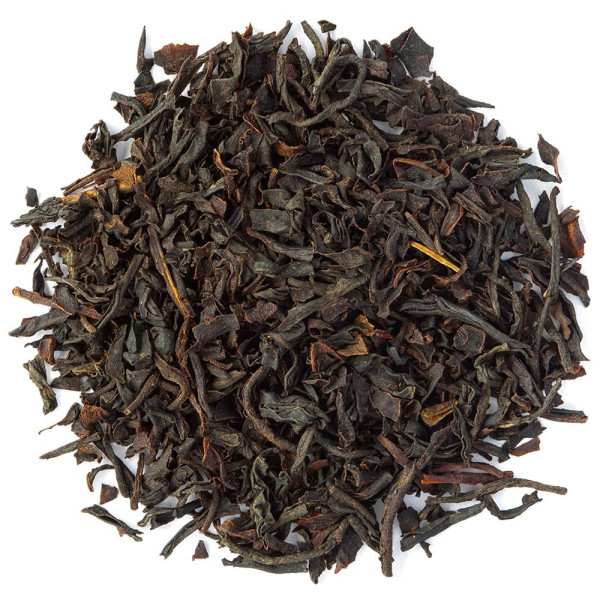
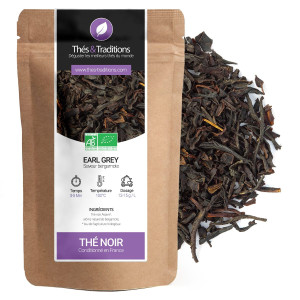
Our classic organic Earl Grey remains the benchmark: a balanced black tea blend and pure bergamot essential oil, grown to organic standards. It is the ideal starting point if you are new to Earl Grey.
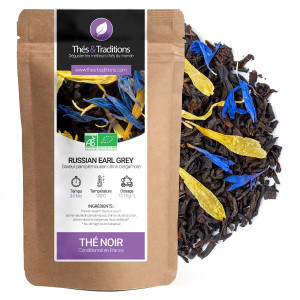
The Earl Grey "Russian style" adds citrus zests (bitter orange, lime) to the bergamot base, for a more expressive, sun-filled version. Inspired by the great Russian tea houses of the late nineteenth century.
Our Lady Grey is a gentler variation, developed towards the end of the twentieth century: the bergamot is complemented by orange and lemon zest, and sometimes a few cornflower petals. A more approachable choice for those who find classic bergamot a little intense.
The London Fog is not a tea in itself but a cult Canadian drink: an Earl Grey latte made with steamed milk and a touch of vanilla syrup. Any of our Earl Grey teas works beautifully.
Julien Huot, owner of Thés & Traditions, personally selects the black tea base and bergamot essential oil from Italian and Sri Lankan producers celebrated for their exceptional classic blends.
Découvrez les autres familles de thé
Et pour finir la journée sans théine