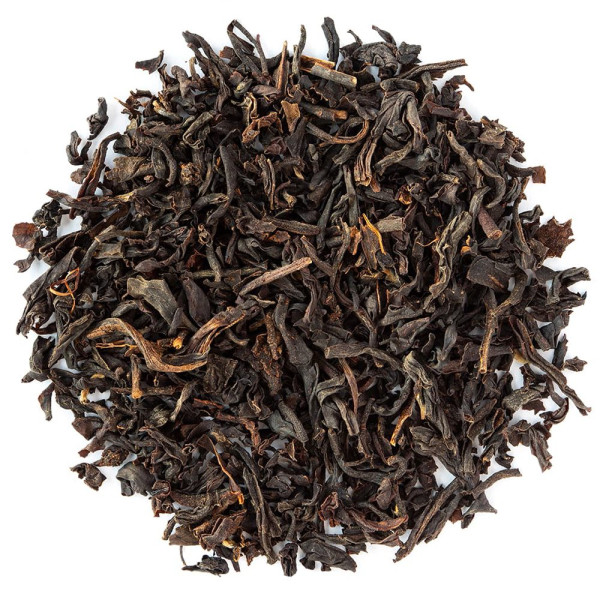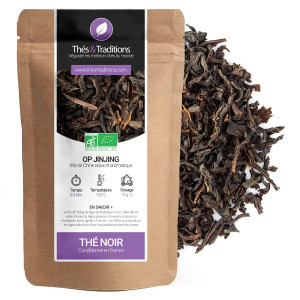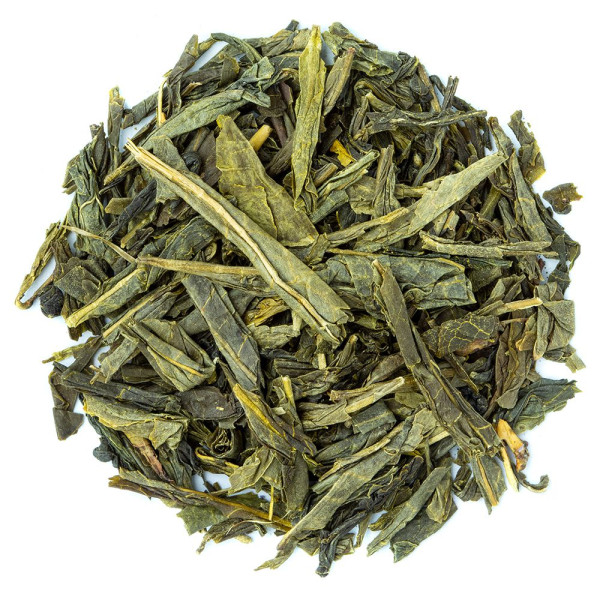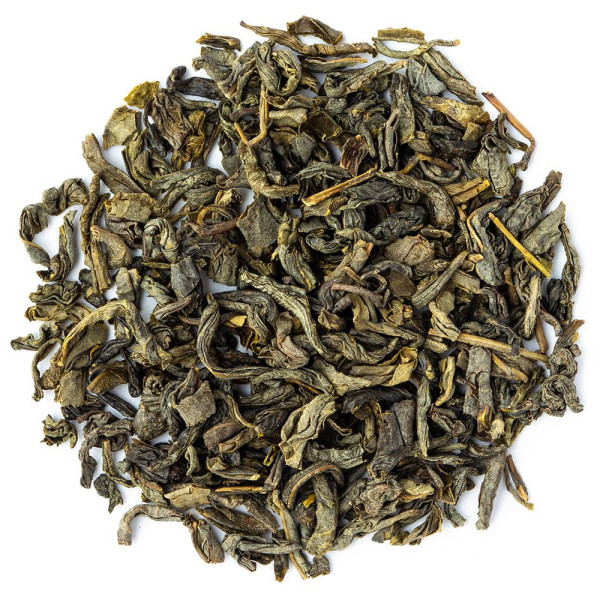
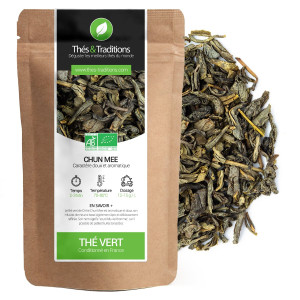
Aromatic and smooth Chinese tea with a subtle astringent infusion
Loose-leaf tea: our wide and varied collection
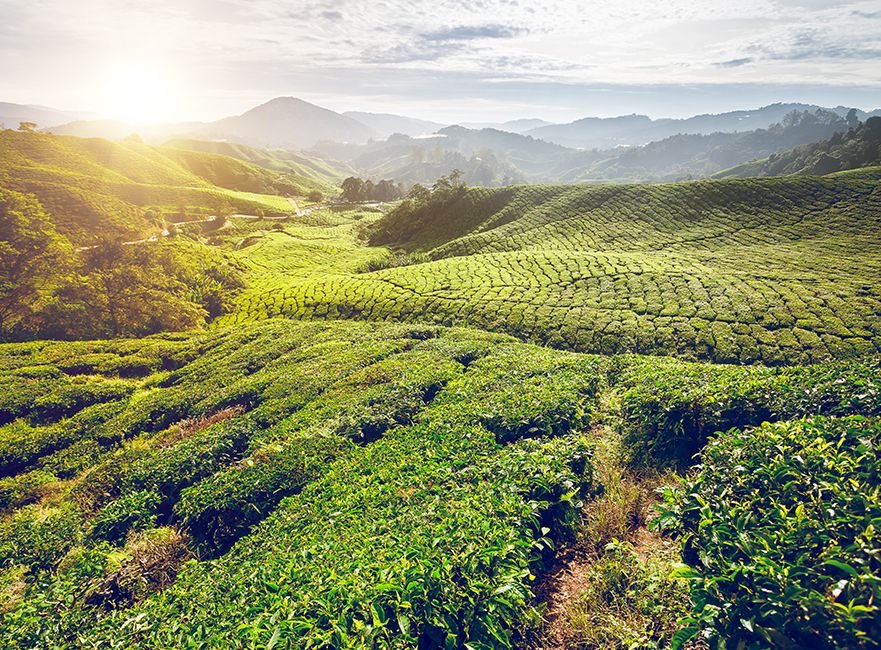
Thés & Traditions offers a rich selection of loose-leaf teas, crafted with care and passion. Explore bold, original blends that delight curious palates and adventurous tea lovers alike. We have searched the four corners of the world to bring you rare teas from remote, unspoiled estates. Character, flavour, refinement: these are the standards we hold when selecting every tea in our collection.
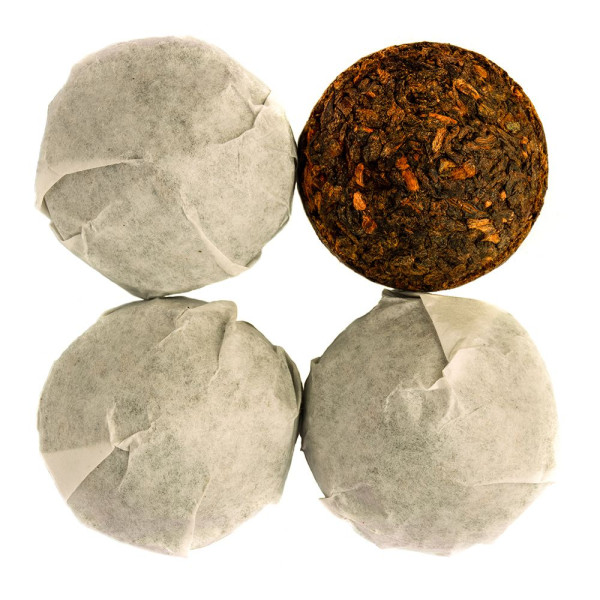
Pu-erh Mini Tuo Cha compressed into small bird's nest shapes
Discover our detox teas & herbal teas
Herbal infusions with draining plants, ideal for your seasonal wellness programs.
DiscoverChinese tea rolled into small pearls, traditionally used for...
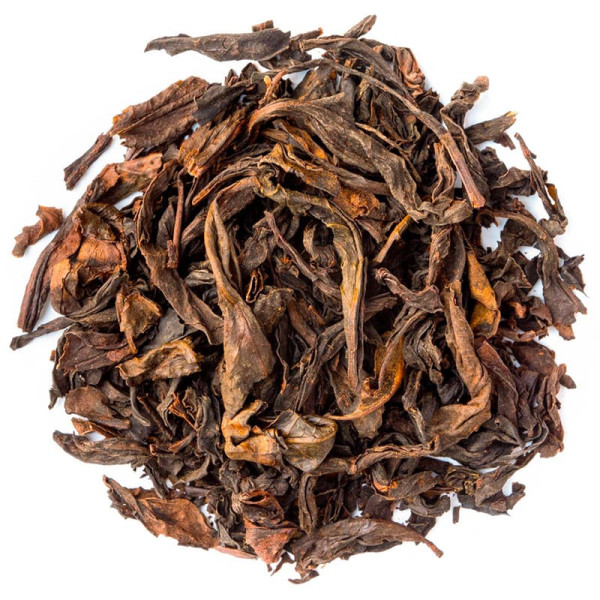
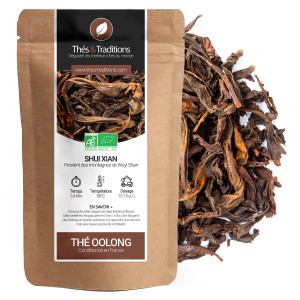
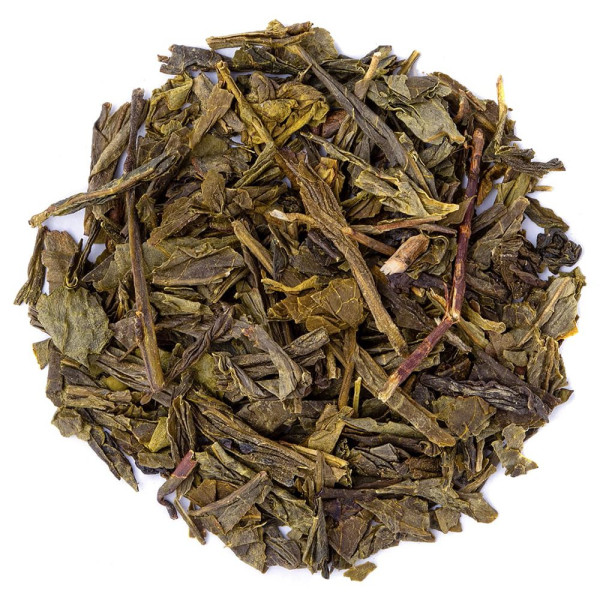
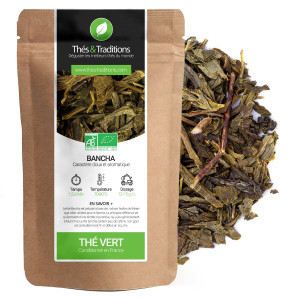
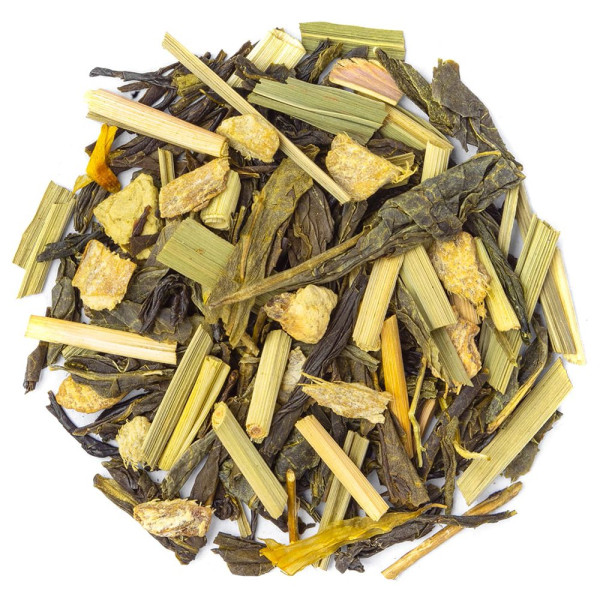
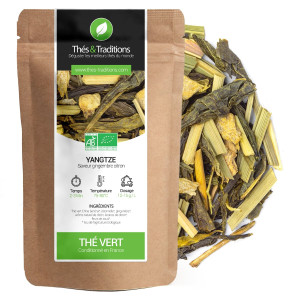
Chinese tea with aromatic character and delicate sweetness....
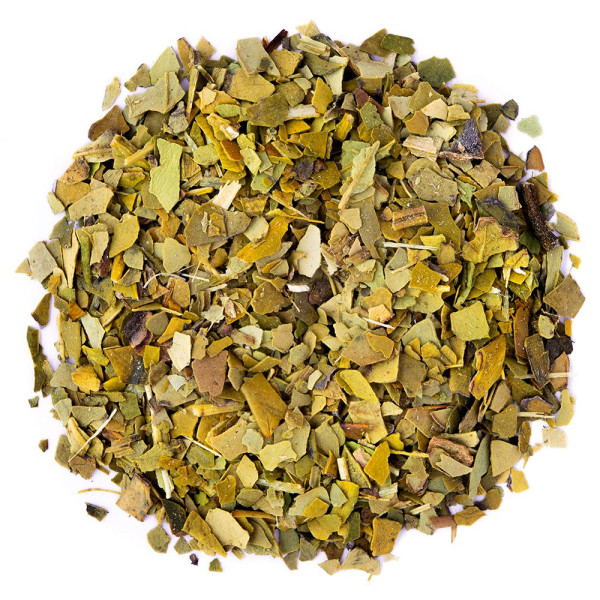
Discover organic green mate: a beverage with surprising...
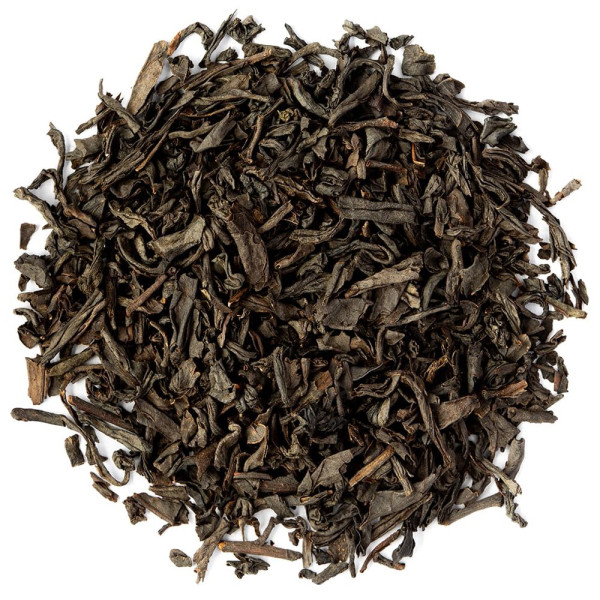
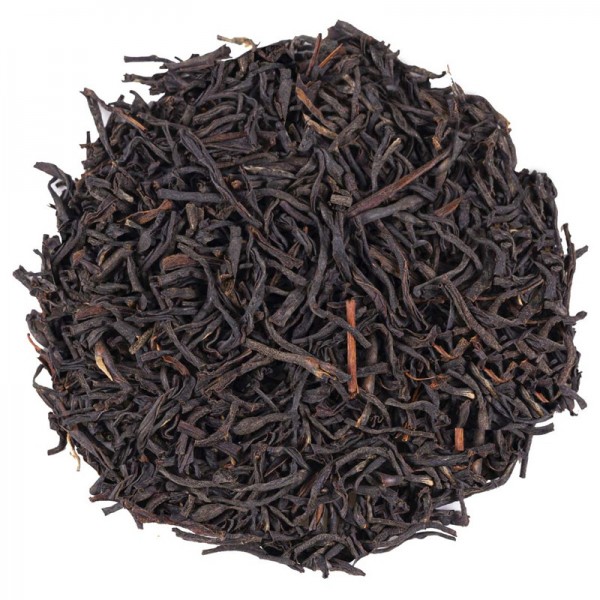
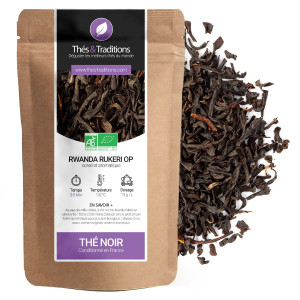
Black tea from Africa. A full-bodied and aromatic flavor
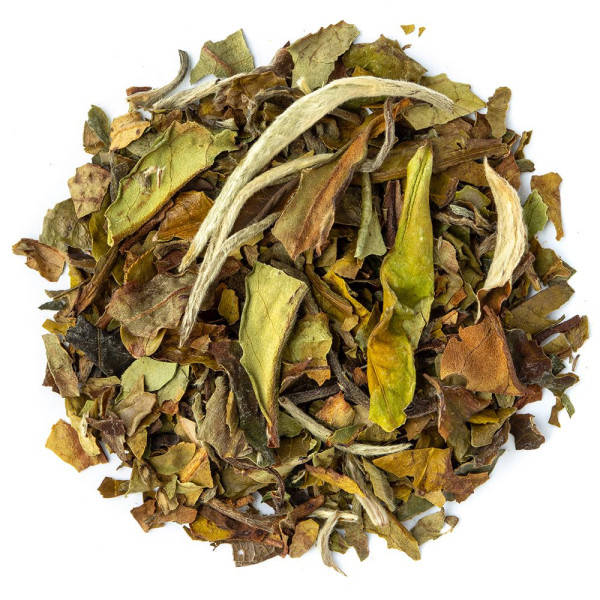
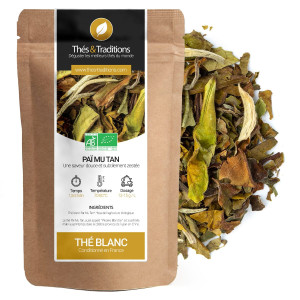
Delicate white tea, floral and smooth with an aromatic infusion
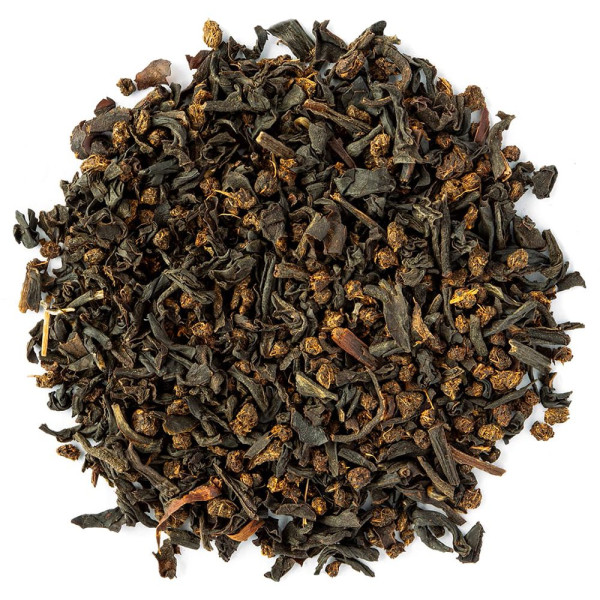
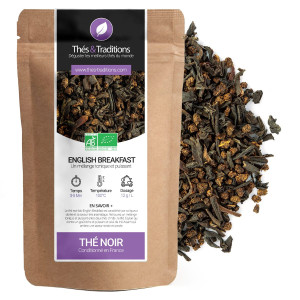
Blend of Assam and Ceylon black teas, ideal for morning
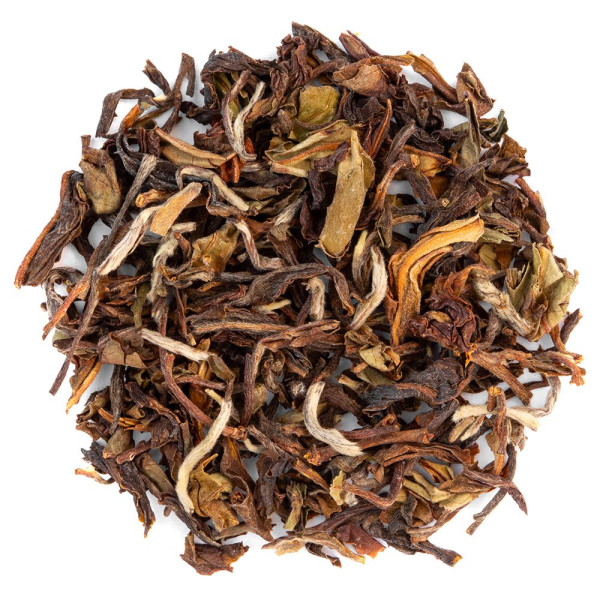
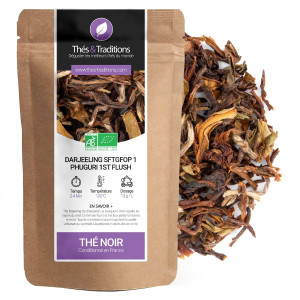
Exceptional First Flush Darjeeling, floral and sparkling
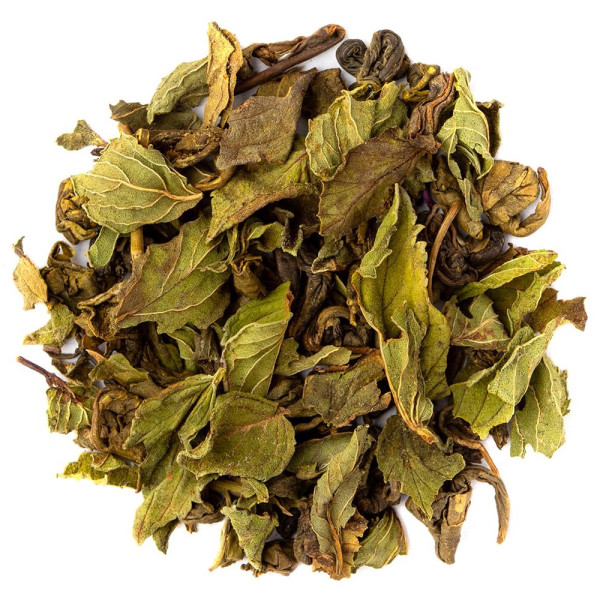
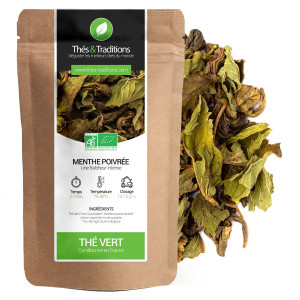
Green tea with peppermint, let yourself be captivated by this...
Do you enjoy drinking tea at any time of the day but don't necessarily know all the types of tea available? Thés et Traditions offers you a multitude of teas, with the aim of meeting all expectations and satisfying your personality and tastes. What is the best type of tea for you?
How to know which type of tea to choose?
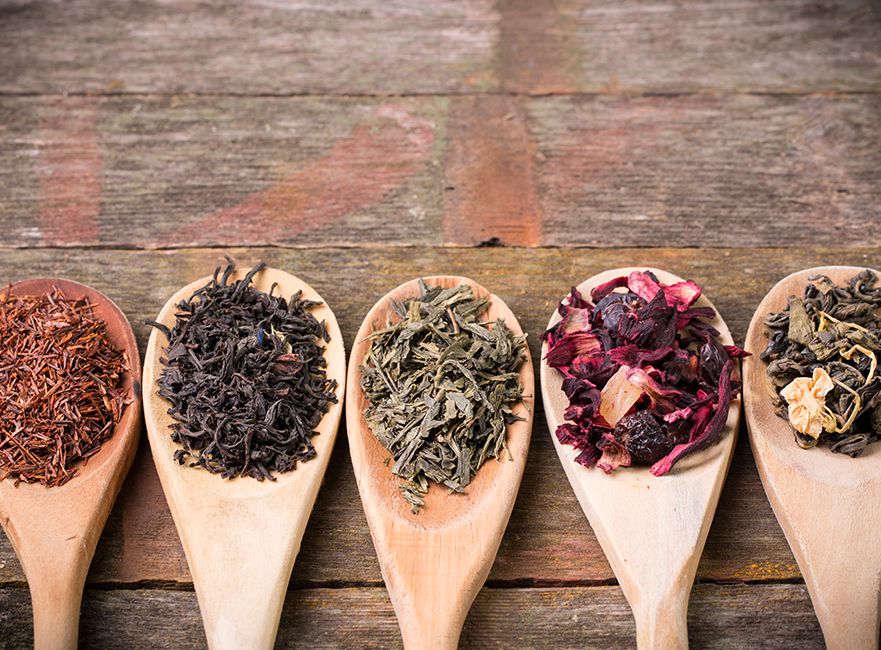
We need to drink at least 1.5 liters of water every day. Tea consumption can greatly help you reach these proportions. Before knowing which tea to choose according to your situation, it's important to review the 5 existing types of tea. Indeed, first there is black tea. Black tea types are often flavored with flowers, essential oils, or dried fruits. Then comes green tea. This one is often used in diets, particularly for its ability to aid digestion. White tea is a light tea made from buds. It is rarer and therefore generally more expensive to purchase. However, it contains less fluoride than black tea for example, which makes it an asset. Oolong tea is a sort of intermediate between green tea and black tea with its partly fermented composition. It's worth knowing that it reduces the risk of cardiovascular diseases. Finally, rooibos is interesting since it doesn't contain theine and is also rich in antioxidants.
Types of Chinese teas
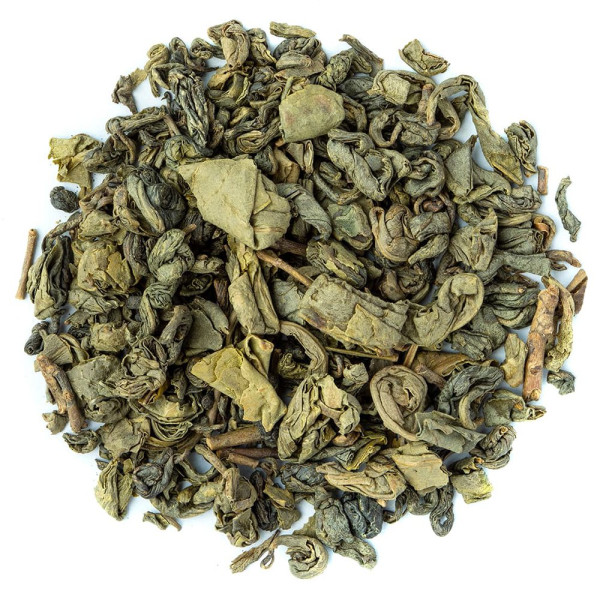
As we have just seen, there are different types of teas to consume according to your desires and needs. Regarding the different types of Chinese tea, we recommend green tea like Chun Mee tea for example. Do you prefer black tea? Then choose the Golden Yunnan GFOP which is slightly smoked and strong in character. As for white teas, we can only recommend Paï Mu Tan tea which is distinguished by its finesse and quality. The types of Chinese tea are varied and their flavors transport you immediately.
Types of Japanese teas
Japan offers a multitude of types of green tea. The different types of Japanese tea are steamed, which is what makes them so special. The leaf that makes up the tea does not undergo any processing, for a unique flavor. Japanese teas are often slightly bitter and have vegetal notes. To begin your introduction to Japanese teas, we recommend Genmaicha Japanese tea, with its delicate and light notes. You can also try the organic Moga Cha tea rich in vitamin C and catechin. Its virtues are particularly interesting for your health and your skin.
How to steep loose tea?
While tea bags can be placed directly in your favorite mug for quick steeping, loose tea generally requires having a teapot at hand. In this case, place a spoonful of tea in the built-in filter of your cast iron, stainless steel, or porcelain container, then pour hot water (according to the indicated temperature) until the leaves are completely submerged. Let it steep for a few minutes depending on the type of tea chosen and pour the infused drink into your mug.
You can also use a tea infuser like a tea ball or a tea filter to prepare your loose tea with ease. In this context, place your infuser or filter filled with tea in your mug, pour simmering water (always according to the indicated temperature) and let your drink steep until it's ready to be enjoyed.
How to store loose tea?
At Thés et Traditions, loose tea is available in several formats. Our oolong, black, green, and white teas, as well as our matchas and mates, are available in bags (50g or 100g) or metal tins (100g): choose the ideal packaging for your own consumption or to offer a delicious and easy-to-use gift to someone close to you. Our metal tins are the perfect containers to store your loose tea in the best conditions. Opaque and airtight, they keep your tea protected from air, light, and moisture, unlike transparent glass containers that directly expose your tea to these different elements. Also discover our beautiful collection of Japanese-inspired tea tins to preserve your tea from premature loss of flavor.
How to measure loose tea?
Tea bags are individual portions and therefore ideally correspond to one cup of your favorite infused beverage. While this format has the advantage of being both practical and portable, it is however less economical than loose tea. It also generates a larger quantity of single-use packaging and therefore waste, even though most modern individual tea bags are now fully recycled and/or recyclable.
Tea dosage is one of the three main steps in preparing a delicious and intensely comforting hot beverage, along with respecting the water temperature when pouring over the tea and the steeping time before tasting. An individual tea bag contains 2 grams of tea, equivalent to a cup of 3.4 to 5 fl oz. If you have loose tea, use a maximum of 3 grams of tea per cup for a beverage of approximately 6.8 fl oz.
For even more precision when measuring your loose tea, we recommend investing in a measuring spoon such as our premium quality tea spoon, an essential accessory if you want to prepare your future cups of tea according to the rules of the art, with the right dose of flavors and theine. Although natural, tea should be consumed in moderation to fully reveal its benefits, up to 5 cups per day for people with no medical contraindications.