Genmaicha: Japan's Green Tea with Roasted Brown Rice
Genmaicha catches the eye before it even reaches the cup: Japanese green tea leaves mingled with golden puffed rice grains, an unlikely pairing that has become one of the most widely enjoyed teas in everyday Japanese life. Toasty aromas, a gentle flavour, very little bitterness: Genmaicha deserves a place in any introduction to Japanese tea.
What is Genmaicha?

Genmaicha (玄米茶) translates literally as "brown rice tea." It is a blend of Japanese green tea (typically Sencha or Bancha) and roasted whole brown rice. During steeping, the rice grains burst open and release a toasty, popcorn-like aroma that softens the grassy notes of the green tea considerably.
Born in Japan, Genmaicha is thought to date back to the fifteenth century as a tea of the people: adding rice stretched the more expensive tea leaves and made the drink affordable for all. Today it is a beloved classic, prized for its balance and distinctive aromatic profile.
Origins and Production
Making Genmaicha requires two core ingredients: a base Japanese green tea (usually a summer-harvest Bancha, sometimes a finer Sencha) and whole brown rice that has been soaked, steamed and roasted until the grains pop. The two are combined in roughly equal parts, creating a tea that is immediately recognisable by sight.
Some variations incorporate powdered Matcha to deepen the green colour and intensify the umami note. This is known as matcha-iri Genmaicha, a more premium and complex style.
The Aromatic Profile of Genmaicha

The flavour of Genmaicha is its signature: roasted notes of hazelnut, popcorn and toasted grain, balanced by the freshness of the green tea. There is very little bitterness, a natural sweetness and a long, lingering finish. It is one of the most approachable teas for anyone beginning to explore Japanese green tea.
The brewed liquor is a warm golden yellow, lighter than a pure Sencha. The comforting, enveloping aroma makes it an excellent autumn and winter tea, and a natural companion to lunch.
The Benefits of Genmaicha
Genmaicha shares the benefits of green tea with one notable advantage: its low caffeine content. The rice naturally dilutes the tea, reducing the caffeine per cup (15-25 mg, compared to 30-50 mg in a pure Sencha).
- Antioxidants from green tea (catechins, EGCG) in moderate amounts.
- Resistant starch from brown rice, interesting for digestion.
- Warm, relaxing hydration.
- A good option for the evening (low caffeine).
- A comforting flavour, with the calming benefit of a mindful ritual.
How to Brew Genmaicha

Brewing Genmaicha is straightforward:
- 1 teaspoon (2 g) per 200 ml of water.
- Temperature: 80-85°C (not boiling).
- Steeping time: 1 to 2 minutes only.
- Can be re-steeped 2-3 times with slightly hotter water.
The rice opens up in the cup and releases its aromas quickly. There is no need to extend the steep, as the tea turns quite strong in very little time.
Genmaicha vs Other Japanese Teas
A brief comparison with other Japanese teas:
- Sencha: pure green tea, bright and grassy, higher in caffeine.
- Bancha: a later-harvest green tea, the usual base of Genmaicha, gentler in character.
- Hojicha: roasted Bancha, with caramel notes.
- Matcha: shade-grown green tea ground to a powder, intense in umami and caffeine.
- Genmaicha: green tea blended with roasted rice, balanced and approachable.
When to Drink Genmaicha
Genmaicha pairs beautifully with Japanese meals (sushi, rice dishes, soy-based foods). Its low caffeine content makes it suitable throughout the day, including late afternoon. It also complements mild baked goods (cookies, shortbread) and fresh fruit.
Our Organic Genmaicha Yukihime
Discover our organic Genmaicha Yukihime, a carefully selected Japanese-style blend of golden puffed rice and quality Bancha. An ideal first step into the world of accessible Japanese green teas.
Frequently Asked Questions
Does Genmaicha contain much caffeine?
No, its caffeine content is low: 15-25 mg per cup, roughly half that of a standard Sencha. Suitable for the evening and for those who are caffeine-sensitive.
What is the difference between Genmaicha and Hojicha?
Hojicha is roasted Bancha (warm, caramelised in character). Genmaicha is Bancha blended with roasted brown rice. Two distinct profiles: roasted tea versus toasted grain.
Does Genmaicha contain gluten?
Rice is naturally gluten-free, so standard Genmaicha is considered gluten-free. If you have coeliac disease, check the label carefully, as cross-contamination is possible.
Can you eat the rice grains in Genmaicha?
Yes, they are perfectly edible after steeping. Some people leave them in the cup and enjoy the pleasant toasty crunch at the end of their tea.
Is Genmaicha suitable for children?
Its low caffeine level makes it better tolerated than most teas, but it does still contain some caffeine. It is best kept to a minimum for children, with reduced quantities from the age of ten.
Also worth discovering
-
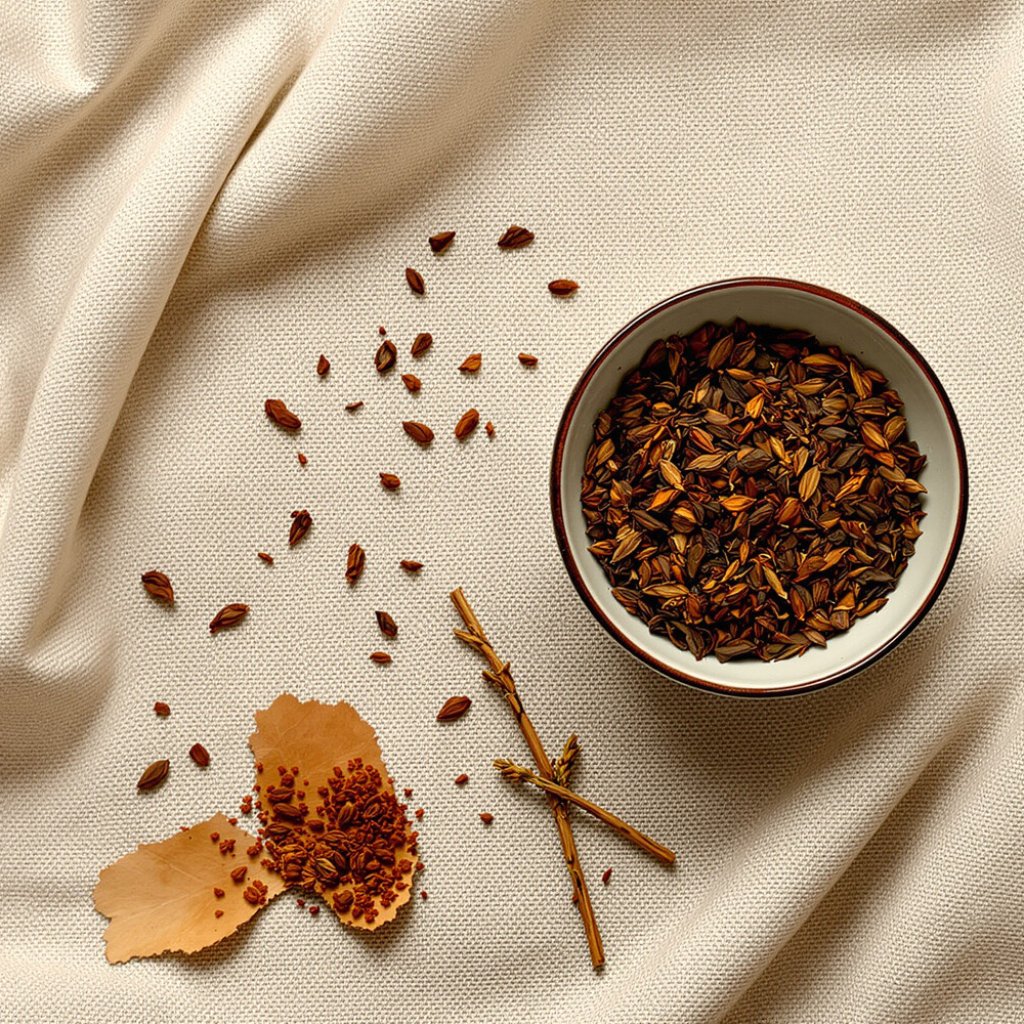
Hojicha: the Japanese roasted green tea that changes everything
Hojicha, the Japanese roasted green tea with notes of caramelised hazelnut. Low in caffeine, gentle and comforting.…
Read -
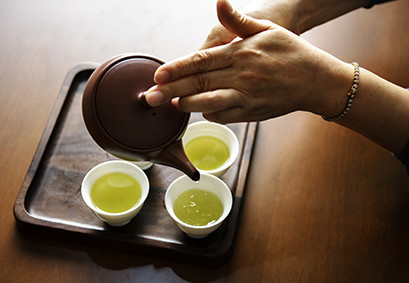
Hojicha, Genmaicha and Gyokuro: 3 Japanese Green Teas
Japan offers a remarkable variety of refined teas, from Sencha and Matcha to Hojicha (roasted tea) and Genmaicha (rice…
Read -
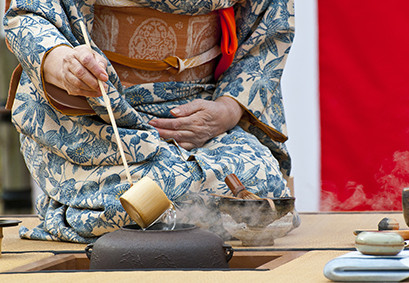
The Japanese Tea Ceremony
In Japan, the tea ceremony is deeply rooted in history and culture. It reflects the art of preparing and sharing…
Read