The Many Benefits of Fennel and Its Seeds
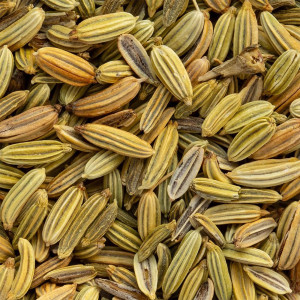
Fennel, or Foeniculum vulgare, belongs to the Apiaceae family. It is a perennial plant made up of a bulb, long stems and broad leaves. Fennel produces fruit in the form of grey, ridged seeds. Native to the Mediterranean region, this wild plant has been consumed for centuries for its anise-like flavour and medicinal properties. Here is a closer look at the benefits of fennel in all its forms.
Fennel: a plant that is good for your health

In the kitchen, the fennel bulb finds its way into many recipes. It can be enjoyed raw or cooked: salads, sautéed vegetables, gratins and more. Beyond its culinary appeal, this plant with its distinctive anise flavour also offers real benefits for your health. Here is what raw fennel can do for you.
Fennel: a rich and wholesome vegetable
Eating raw fennel regularly is a simple way to look after your health. For a start, fennel is one of the lowest-calorie foods around, averaging just 21 calories per 100 g. It is also very low in sugars and contains no fat. Fennel's fibre content surpasses that of many other vegetables, supporting good digestive health. Bringing the raw bulb into your cooking also means benefiting from fennel's other properties.
- Fennel contains lignans, polyphenols with antioxidant properties.
- The vegetable is rich in vitamin K1, which helps maintain normal bone structure and healthy blood clotting.
- Fennel is also a source of potassium, which contributes to the normal functioning of the nervous, muscular and vascular systems.
- Fennel also provides other vitamins, including vitamin C, B5, B6 and B9.
Fennel: properties and uses
The benefits of fennel go well beyond its nutritional qualities. It offers genuine health-supporting effects and is recognised among medicinal plants. Its anti-inflammatory, antispasmodic and antioxidant properties are well documented. Using fennel to ease digestive discomfort remains the plant's most well-known application. Thanks to these properties, fennel helps relieve bloating, colic, stomach aches and flatulence. It is also thought to support liver health and may have a diuretic and detoxifying effect. While no health claims are currently authorised, fennel has been studied for its potential benefits in managing menopausal symptoms. Research also suggests that fennel may have an effect on breast milk production. It has further been associated with supporting memory activity and muscle relaxation.
The benefits of fennel seed herbal infusion

Cooking is a wonderful way to enjoy this anise-flavoured vegetable, but fennel's fruit offers its own distinct pleasures. Fennel seed herbal infusion is widely used in herbal medicine. After a few minutes steeping in hot water, the essential oil from the seeds is released, filling the cup with a warm, herbaceous fragrance. Both the aroma and the taste of the drink carry real wellbeing benefits.
Fennel herbal infusion for digestion
Reaching for a herbal infusion to ease digestive troubles is one of the oldest home remedies in the book, and a well-established practice in herbal medicine. Colic, diarrhoea, flatulence, stomach aches: fennel seed herbal infusion helps soothe everyday digestive discomfort. Enjoy a cup at the end of a heavy meal to make the most of fennel's benefits.
Fennel seed infusion for the respiratory tract
In winter, a lack of vitamins or general fatigue can leave your immune system running low. If you are dealing with a cold or a cough, fennel fruit infusions may help. They are thought to support your body's natural defences and clear the airways thanks to an expectorant effect. To make the most of these benefits, take a moment to inhale the steam rising from your cup for a few minutes.
Fennel infusion for inflammation
Among the properties of fennel herbal infusion, anti-inflammatory qualities are well recognised. The infusion is thought to help relax muscles and ease pain. Studies point to effects on uterine cramps and discomfort during menstruation. In men, fennel seed infusion is said to help relieve pain associated with scrotal hernia.
Tips for a perfect fennel infusion
To get the most from fennel's health benefits, a few guidelines are worth keeping in mind. Here are our recommendations for preparing your infusions.
- Choose fennel seeds from organic farming.
- To feel the benefits, consume at least 4.5 grams of fennel per day as an infusion.
- The maximum daily dose of fennel seeds in infusion is 7.5 grams.
- For herbal medicine use, particularly for digestive complaints, the recommendation is 3 infusions per day, using 2.5 grams of organic product per cup.
- Steep the fennel seeds for 15 minutes in boiling water to fully draw out their beneficial properties.
With its distinctive anise character, fennel is well worth adding to your routine without delay. Enjoy the vegetable in your meals, or try its seeds as an infusion. Explore our organic fennel herbal infusion and everything it has to offer. Want to enjoy the benefits of fennel but not a fan of anise? Many infusion blends incorporate the seeds of this wonderfully unique plant.
Our teas related to this article
Also worth discovering
-
Kombucha: benefits, home brewing and complete guide to the fermented drink
Kombucha: an ancient fermented tea drink with promising gut health benefits. Discover the science behind it, a clear…
Read -
Our Autumn Herbal Infusions
As winter approaches, a warming herbal infusion is one of life's simple pleasures. Sage, verbena, cinnamon, ginger and…
Read -
Ayurveda: 8 Rituals to Take Care of Yourself This Winter
Ayurveda is an Indian medicine that balances the doshas to support lasting health. In winter, rituals such as tongue…
Read