Hojicha: the Japanese roasted green tea that changes everything
Hojicha intrigues with its russet-brown appearance and its unique roasted aroma. Born in Japan in the 1920s, this Japanese roasted green tea has become one of the country's gentlest and most approachable brews. Without bitterness, with its hazelnut notes and low caffeine content, it appeals as much to matcha lovers as to those just beginning to explore green tea. Let's discover this Japanese treasure together.
What exactly is hojicha?

Hojicha (焙じ茶) is a Japanese green tea roasted at high temperature. The word literally means "roasted tea" in Japanese. Unlike other Japanese green teas that stay vivid green, hojicha is a tea with leaves turned russet-brown, almost caramel, thanks to the roasting process.
This technique was invented in Kyoto in the 1920s by a tea merchant who wanted to make the most of coarser leaves, often considered lower quality. By roasting them at 150 to 200 °C for a few minutes, he discovered a roasted green tea with radically transformed aromas: toasted, sweet, almost caramelised.
Origin and crafting of hojicha
From bancha to roasting
The base of organic hojicha is usually a bancha tea (later-harvested leaves, less costly than spring sencha) or sometimes a summer sencha. The leaves are passed through iron drums at high temperature for 3 to 5 minutes. The roasting breaks down part of the tannins, which explains the roundness on the palate and the absence of bitterness in Japanese roasted green tea hojicha.
The producing regions
Its Japanese origin remains a hallmark of quality. The main regions are Uji (Kyoto prefecture), Shizuoka and Kagoshima. Our hojicha comes from certified organic farming, a guarantee of purity for this everyday infusion.
Taste and characteristics of hojicha

The flavour of hojicha is its signature: roasted hazelnut notes, caramelised sweetness, a light woody hint, and zero bitterness. Its colour once brewed is amber-brown, closer to a light black tea than to a classic green tea. Its warm, comforting aroma makes it a perfect companion for autumn and winter days.
Another prized characteristic: its very low caffeine content. Roasting removes about 50%, which makes hojicha well suited for tea drinking in the evening or for sensitive individuals. A cup of hojicha contains around 7 to 15 mg of caffeine, compared with 30 to 50 mg for a classic sencha.
The benefits of hojicha
The benefits of hojicha combine those of green tea with the advantages of roasting.
- Antioxidants preserved despite the roasting (catechins are reduced, but new polyphenols are created during the process).
- Low caffeine content, ideal for evenings and for those sensitive to caffeine.
- Support for the immune system thanks to polyphenols.
- Helps with digestion, particularly appreciated after rich meals.
- Rich in pyrazines, aromatic compounds with naturally relaxing properties.
Hojicha is therefore recommended as a gentle ritual within a balanced diet, without ever replacing medical advice.
Hojicha vs matcha vs bancha: the differences
- Matcha: whole leaves of shaded green tea ground into a vivid green powder, intense in caffeine and umami. Prepared with a whisk.
- Bancha: unroasted leaves, summer harvest, a classic gentle green tea with moderate caffeine.
- Hojicha: roasted bancha or sencha, amber colour, hazelnut notes, very little caffeine.
Hojicha powder also exists (the roasted counterpart of matcha) for making lattes and pastries with a caramelised flavour.
How to prepare hojicha

Preparing hojicha is more forgiving than sencha: there is no risk of bitterness.
Use 2 grams (1 heaped teaspoon) for 200 ml of water. Ideal temperature: 90 to 95 °C (simmering water). Infusion time: 30 seconds to 1 minute only. Hojicha releases its aromas very quickly.
For a hojicha latte, whisk 1 teaspoon of hojicha powder with 200 ml of warm plant-based milk (oat or almond). A natural caramel touch, perfect as an afternoon treat.
Our organic hojicha at Thés & Traditions
We have selected a Japanese hojicha from organic farming, roasted in keeping with the traditional method of Uji. Discover our organic Hojicha Green Tea in leaves, or our organic hojicha powder for lattes and pastries.
An ideal variety for stepping into Japanese tea without worrying about bitterness or caffeine.
Frequently asked questions about hojicha
Does hojicha contain much caffeine?
No, its low caffeine content makes it one of the least stimulating green teas. Around 7 to 15 mg of caffeine per cup, compared with 30 to 50 mg for a sencha. Ideal for the evening.
What is the difference between hojicha and matcha?
Matcha is a shaded green tea ground into a fine, vivid green powder. Hojicha is a roasted green tea (often bancha) with toasted notes and an amber colour. Their flavour profiles and benefits are quite different.
Is hojicha suitable for children?
Its low caffeine content makes it better tolerated, but it still contains a little caffeine. Best avoided before age 12, and offered in moderation during adolescence.
How should hojicha be stored?
In an airtight tea caddy, away from light, humidity and strong odours. Its optimal shelf life is 12 months after opening.
Can hojicha be enjoyed iced?
Yes, hojicha is delicious as a cold infusion. Use 5 g for 1 litre of cold water and let it steep 4 to 6 hours in the fridge. A refreshing drink with caramelised notes.
Also worth discovering
-
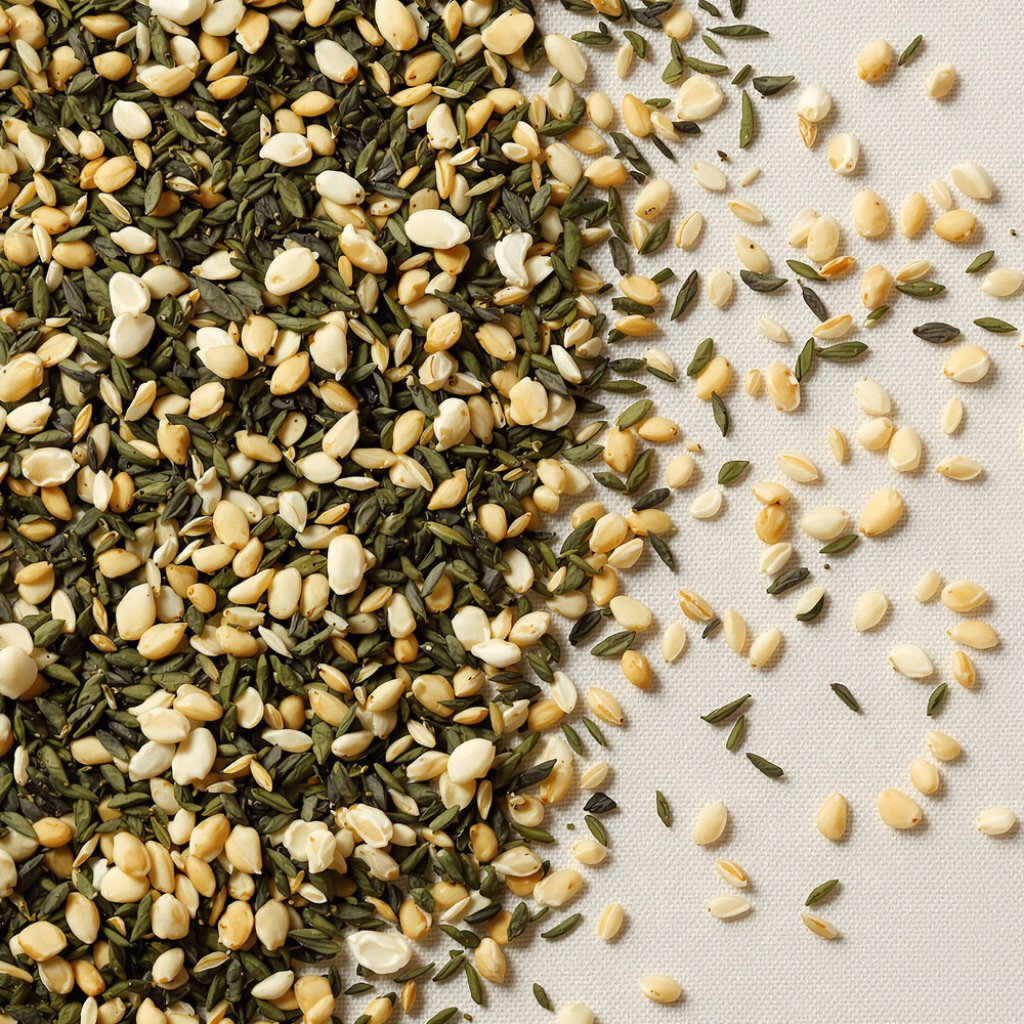
Genmaicha: Japan's Green Tea with Roasted Brown Rice
Genmaicha: the Japanese green tea blended with roasted brown rice. Origins, production, toasty aromatic profile, low…
Read -
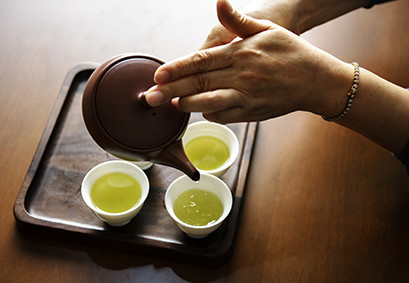
Hojicha, Genmaicha and Gyokuro: 3 Japanese Green Teas
Japan offers a remarkable variety of refined teas, from Sencha and Matcha to Hojicha (roasted tea) and Genmaicha (rice…
Read -
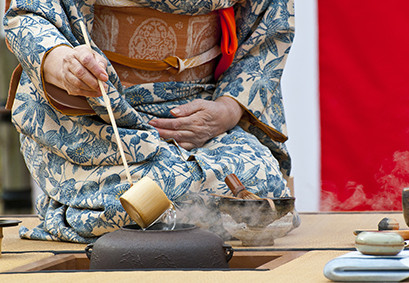
The Japanese Tea Ceremony
In Japan, the tea ceremony is deeply rooted in history and culture. It reflects the art of preparing and sharing…
Read