Organic Matcha: Why Choose a Certified Organic Tea?

In the refined world of Japanese tea, organic matcha holds a special place. This precious green powder, grown through certified organic farming, is far more than a drink: it is a way of life, one that weaves together centuries-old tradition and today's demand for uncompromising quality. At Thés & Traditions, we see organic matcha as the purest expression of this timeless ritual, offering an authentic tasting experience while honouring our environment.
Key Takeaways
- Organic matcha ensures exceptional purity, free from pesticides and synthetic chemicals
- Its richness in antioxidants and L-theanine offers unique benefits for focus and well-being
- Organic certification preserves authentic flavours and nutritional properties
- Choosing organic means supporting farming that respects Japanese traditions and the environment
What Really Sets Organic Matcha Apart?
Organic matcha is distinguished by a production method that respects both the environment and long-standing traditions. Unlike conventional matcha, it is grown without pesticides, herbicides, or chemical fertilisers. This approach preserves not only the purity of the final product, but also the richness of the Japanese soils where these remarkable tea plants grow.
The shading technique, practised for three to four weeks before harvest, takes on particular significance in organic farming. The leaves naturally develop their characteristic emerald-green colour and exceptional concentration of chlorophyll. This ancestral method, combined with modern organic standards, yields a matcha of remarkable purity.
The tencha leaves are then carefully ground on traditional stone mills. This slow, meticulous process preserves all the natural nutrients and aromas, creating that silky powder with its jade-like sheen that has made Japanese organic matcha so celebrated.
The Exceptional Benefits of Certified Organic Matcha
Organic matcha concentrates all the benefits of green tea into a single spoonful, with the assurance of maximum purity. Rich in antioxidants, particularly EGCG catechins, it delivers an antioxidant capacity up to 137 times greater than that of a standard green tea. This exceptional concentration stems from the fact that we consume the whole leaf, finely ground.
Its natural L-theanine content promotes a state of calm focus, ideal for meditation or moments of quiet reflection. This remarkable molecule works in perfect synergy with the naturally present caffeine, providing sustained energy without the discomfort of spikes and crashes.
Vitamins A, C and E, along with minerals such as potassium and iron, make organic matcha a genuine superfood. Its organic certification guarantees the absence of chemical residues, allowing our bodies to absorb these valuable nutrients to the fullest.
How to Recognise Truly Exceptional Organic Matcha
The quality of an organic matcha reveals itself through several key criteria that we, as tea enthusiasts, have learned to identify. Colour is the first indicator: it should show a vibrant jade green, a sign of high chlorophyll content. A dull or yellowish powder often points to inferior quality or poor storage.
Geographic origin plays a decisive role in the excellence of the product. The regions of Uji, Nishio and Kagoshima in Japan produce the finest organic matchas, thanks to their optimal climate and expertise passed down from generation to generation. These exceptional terroirs offer unique conditions that make themselves felt in every cup.
Organic certification must be clearly stated, with official labels such as JAS Organic for Japan or AB for European organic farming. These certifications guarantee compliance with strict organic production standards, from cultivation through to processing.
Finally, the fineness of the grind reflects the care taken in production. A quality organic matcha has a silky texture, free from visible particles, making it easy to dissolve and elevating the overall tasting experience.
The Art of Preparing Traditional Organic Matcha
Preparing organic matcha follows a precise ritual, rooted in the Japanese tea ceremony that we hold especially dear. Begin by sifting a teaspoon of powder into a matcha bowl (chawan) to remove any lumps and reveal the fineness of the grind.
Add around 60ml of water heated to 70-80°C. This temperature respects the delicate aromas of organic matcha: water that is too hot would alter its flavour and nutritional properties. Whisk vigorously with a bamboo whisk (chasen) using "M"-shaped strokes until you achieve a creamy, velvety foam.
This traditional technique fully unlocks the characteristic umami flavours of organic matcha. The taste should be balanced, with a gentle vegetal bitterness offset by a natural sweetness. For those new to matcha, we suggest starting with half a teaspoon and adjusting to your preference.
Organic matcha can also be prepared as a matcha latte, blended with plant-based milk for a softer, more approachable drink. This contemporary take respects the essence of the product while adapting to modern tastes.
Creative Uses in Cooking and Baking
Organic matcha is far from limited to the traditional cup: its distinctive flavour and vivid colour make it a sought-after ingredient in modern baking. In the kitchen, it brings a particular sophistication to both sweet and savoury creations.
In baking, organic matcha elevates macarons, cakes, ice creams and chocolates. Its distinctive vegetal note creates surprising harmonies with Western desserts. We recommend around 10-15g of organic matcha per 100g of flour in your recipes, to achieve that characteristic jade colour and delicate taste.
Cold drinks also benefit from its remarkable qualities. Smoothies, bubble tea and non-alcoholic cocktails are enriched by its nutritional depth. Organic matcha pairs beautifully with white fruits, vanilla or white chocolate, creating refined and unexpected flavour combinations.
In savoury cooking, a pinch or two can lift a vinaigrette, a fish marinade, or even soba noodles. This lesser-known use reveals unexpected facets of this exceptional tea and speaks to its remarkable versatility in the kitchen.
Optimal Storage to Preserve Its Qualities
Storing organic matcha properly calls for a little care to maintain its exceptional properties. Keep it in an airtight container, away from light, heat and moisture, as these are the enemies of freshness.
The refrigerator is the ideal environment, in a sealed container to prevent it from absorbing unwanted odours. Take it out 15 minutes before use so it returns to room temperature and reveals its full aroma.
Well-stored organic matcha retains its properties for 12 to 18 months. Once opened, use it within 3 to 6 months to enjoy its flavour and nutritional qualities at their best. A dulling colour or a hay-like smell are signs of deterioration best avoided.
The Positive Impact of Choosing Organic
Choosing organic matcha means supporting farming that respects the environment and Japanese traditions. Organic methods preserve soil biodiversity and protect local ecosystems, ensuring the longevity of these exceptional terroirs.
Organic matcha producers often prioritise fair practices, guaranteeing better working conditions for farmers. This ethical approach contributes to the preservation of traditional Japanese expertise, passed from master to apprentice over centuries.
The carbon footprint of organic matcha remains modest, thanks to often shorter supply chains and sustainable farming practices. This responsible approach fits naturally into mindful consumption, combining sensory pleasure with respect for the environment.
Frequently Asked Questions About Organic Matcha
A great question. Organic matcha generally offers purer, more balanced flavours. The absence of chemical residues allows its natural aromas to express themselves fully, revealing that deeply characteristic umami complexity. Many of our customers are pleasantly surprised by the flavour refinement of organic matcha compared to conventional versions.
Absolutely. Organic matcha works exactly like traditional matcha in cooking and baking. Its purity actually makes it a preferred choice for culinary creations, as it delivers that vivid jade colour without any aftertaste. We particularly recommend it for desserts made for children.
Look for official labels on the packaging: JAS Organic for Japanese products, or AB/Ecocert for European certifications. Authentic organic matcha always states the name of the certifying body and the certification number. Be wary of vague claims such as "natural" with no official certification behind them.
The storage guidelines are the same, but organic matcha deserves a little extra attention, as its purity makes it more sensitive to fluctuations in temperature and humidity. We recommend keeping it in the refrigerator in an airtight container, and using it more promptly once opened to preserve its exceptional qualities.
The premium reflects the demands of production: pesticide-free cultivation, rigorous controls, and yields that are often lower but of superior quality. Think of it as an investment in your well-being and in support of sustainable farming. The nutritional and flavour depth more than justifies the difference in price.
Treat yourself to a true matcha moment with our organic matchas.
Tempted to try it?
Our selection related to this article, loose leaf and organic.
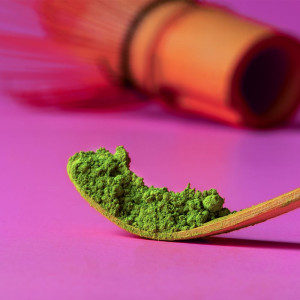
Shizuku Organic Ceremonial Japanese Matcha
Shizuku organic ceremonial Japanese matcha is a vibrant green powder, finely stone-ground, with silky umami notes and a delicat…
€16.90Discover
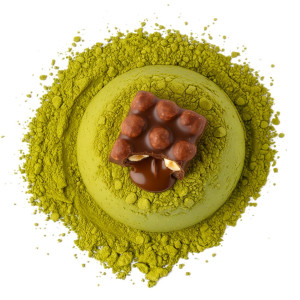
Chocolate Hazelnut Matcha Latte
Chocolate hazelnut matcha latte, also loved as a hazelnut milk matcha, brings together matcha green tea powder with warm, indul…
€18.90Discover
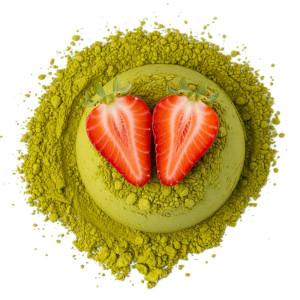
Strawberry Matcha Latte
Strawberry matcha latte, also loved as a strawberry matcha or matcha with strawberry, brings together the gentle vegetal depth …
€18.90Discover