What plant does matcha come from? The origin of this

Have you ever wondered where this remarkable green powder comes from? Matcha, Japan's jade-hued treasure, holds a fascinating story that begins in the quiet gardens of the Camellia sinensis. Far more than a simple tea, this extraordinary plant carries a genuine art of living, passed down through generations of Japanese tea masters.
At Thés & Traditions, we have a deep passion for this remarkable plant and the authentic matcha it produces. Let us take you on a journey to the heart of its origins, and show you how a single leaf becomes the precious powder that awakens all the senses.
Key things to know about the matcha plant
- Camellia sinensis: the one plant at the origin of all teas, including matcha
- A specific Japanese variety: grown using ancestral shade-cultivation methods
- Exceptional terroir: the regions of Uji, Nishio and Shizuoka in Japan
- Shade-grown cultivation: a technique that develops chlorophyll and umami flavors
- Artisan transformation: from tencha to fine powder, stone-ground with care
Camellia sinensis: the mother plant of all teas
Let's start with the essential question: matcha comes from the Camellia sinensis tea plant, the very same plant that gives us every tea in the world. So what makes matcha so distinctive? Everything lies in the variety cultivated and, above all, in Japan's millennia-old growing techniques.
This captivating plant belongs to the Theaceae family and can live for several hundred years. In Japan, growers mainly cultivate the sinensis variety (not to be confused with the assamica variety): smaller, but infinitely richer in aromatic compounds. The Camellia sinensis leaves destined for matcha are harvested exclusively in spring, when the plant channels all its energy into its youngest shoots.
What truly sets the matcha plant apart is its cultivation method, unlike any other in the world. Unlike other teas, the plants grown for matcha live in the shade for several weeks before harvest. This technique, known as "tana," literally transforms the chemical composition of the leaves.
The Japanese art of shade-grown cultivation
Picture rows of tea plants, gently veiled beneath structures of bamboo and straw. This poetic image conceals a precise science, handed down over centuries. Shading the Camellia sinensis for three to four weeks before harvest triggers a true metamorphosis within the plant.
Deprived of direct light, the matcha plant develops extraordinary survival strategies. It produces more chlorophyll to capture every last ray of sunlight, which accounts for that deep, vivid green color. More importantly, it concentrates its amino acids, particularly L-theanine, the compound responsible for that much-sought-after umami flavor.
This shading technique also slows photosynthesis, allowing the leaves to retain their natural sugars. The result? An incomparable smoothness, and that gustative complexity that defines authentic matcha. Master growers adjust the intensity of the shading according to weather conditions, creating unique micro-terroirs in the process.
The exceptional terroirs of Japanese matcha
Not every Camellia sinensis is suited to producing exceptional matcha. In Japan, three regions lay claim to the title of home to the finest matcha: Uji, near Kyoto; Nishio, in Aichi Prefecture; and Shizuoka, at the foot of Mount Fuji.
Uji, widely regarded as the spiritual home of matcha, enjoys an exceptional microclimate. Morning mists rising from the Uji River create a natural humidity that is perfect for the plant. The mineral-rich soils, shaped by centuries of tea cultivation, nourish the roots of the Camellia sinensis with remarkable precision.
In Nishio, plantations stretch across the fertile plains of Aichi as far as the eye can see. Here, tradition meets innovation: growers draw on ancestral techniques while embracing modern quality control. The Nishio terroir yields a matcha with more vegetal notes and a delicate astringency.
Shizuoka, meanwhile, benefits from the benevolent influence of Mount Fuji. Pure water flowing down the volcanic slopes naturally irrigates the tea plants, lending the matcha a distinctive minerality. Shizuoka matcha is known for its freshness and its subtle, marine-tinged aromas.
From leaf to powder: the transformation of Camellia sinensis
Harvested by hand in the early morning, the Camellia sinensis leaves begin a fascinating journey of transformation. Unlike other teas, they are immediately steamed to halt oxidation. This crucial step preserves the leaves' vibrant green color and their precious compounds.
Once dried, the leaves become what is known as "tencha." But the real craft begins now: the grinding. In traditional granite mills, the stones turn slowly, very slowly. It can take up to an hour to produce just 30 grams of matcha powder. That patience is not a limitation; it is a mark of quality.
Slow grinding prevents the heat that would destroy the plant's delicate aromas. Each particle of matcha measures less than 10 microns, ten times finer than flour. This extreme fineness allows matcha to dissolve perfectly in water, creating that characteristic velvety texture.
Some producers guard their grinding secrets closely, passed from master to apprentice across generations. The speed of rotation, the pressure applied, even the humidity in the air all influence the final result. It is this attention to detail that transforms a simple plant into a true work of gustative art.
The unique benefits of this exceptional plant
Camellia sinensis grown for matcha develops remarkable nutritional properties through shade cultivation. The plant naturally concentrates powerful antioxidants, including catechins and EGCG, in proportions far greater than those found in other teas.
L-theanine, that very particular amino acid, deserves special attention. Present in notable quantities in the matcha plant, it brings that sense of calm, focused alertness that so many people seek. Where coffee can trigger restlessness and energy spikes, matcha offers something gentler and more sustained.
Vitamins A, C and E also concentrate in the shade-grown leaves of the Camellia sinensis. Chlorophyll, responsible for that signature jade color, carries natural detoxifying properties. When you drink matcha, you take in all the nutrients of the whole leaf, unlike infused teas where a portion of the goodness remains behind in the leaves.
Recognizing matcha from a quality plant
How do you tell whether a matcha comes from an exceptional Camellia sinensis? Several clues give it away. First, the color: a quality matcha displays a luminous jade green, almost fluorescent. That hue speaks to a properly shaded plant and a respectful grinding process.
Aroma is another telling sign. Authentic matcha releases fresh, vegetal notes, sometimes with a hint of the sea, and a touch of natural sweetness. If you detect a hay-like smell or a pronounced bitterness, the plant likely did not receive the care it needed.
On the palate, the quality of the plant reveals itself immediately. Exceptional matcha offers that celebrated umami flavor, the fifth taste, so hard to describe yet so instantly recognizable. Astringency should be delicate, never harsh. The texture, finally, should be perfectly smooth, with no graininess whatsoever.
At Thés & Traditions, we source our matchas directly from producers who uphold these ancestral traditions. Every batch is tested to ensure it meets our standards for quality and authenticity.
Frequently asked questions
No, matcha comes from the same plant as every other tea: Camellia sinensis. What makes it unique is the variety cultivated (generally sinensis rather than assamica) and, above all, the specific growing techniques involved, particularly shading the plants for several weeks before harvest. This method transforms the chemical composition of the leaves.
Shading the Camellia sinensis triggers defense mechanisms in the plant that significantly enrich its leaves. Deprived of direct light, it produces more chlorophyll (hence the intense green color) and concentrates its amino acids, particularly the L-theanine responsible for the umami taste. The technique also slows photosynthesis, preserving the natural sugars that give matcha its characteristic sweetness.
Technically, Camellia sinensis can grow in certain French regions with a mild, humid climate. However, producing genuine matcha requires centuries of accumulated expertise, very specific climatic conditions, and a masterful command of shading techniques. European attempts have yielded interesting results, but they are not yet a match for Japanese excellence.
A Camellia sinensis tea plant grown for matcha demands patience and dedicated care. It takes around three to five years before the first quality harvests. The plant reaches its peak maturity between ten and fifteen years of age, and can continue producing for several decades. The finest matchas often come from century-old plants, living treasures passed down from one generation to the next.
There is no difference at the plant level at all. Tencha and matcha come from exactly the same Camellia sinensis, grown and harvested in an identical way. The difference lies solely in the processing: tencha refers to the dried leaves after steaming, while matcha is produced by grinding that tencha into an ultra-fine powder in stone mills.
To taste it is to love it : find our matcha range, sourced directly from Japan.
Tempted to try it?
Our selection related to this article, loose leaf and organic.
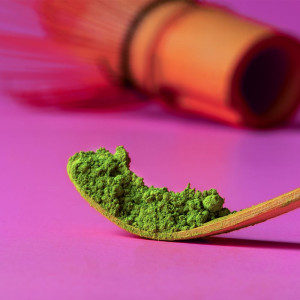
Shizuku Organic Ceremonial Japanese Matcha
Shizuku organic ceremonial Japanese matcha is a vibrant green powder, finely stone-ground, with silky umami notes and a delicat…
€16.90Discover
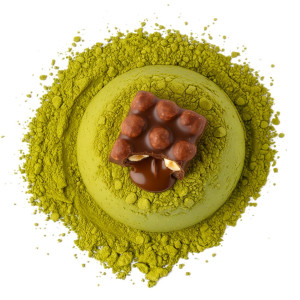
Chocolate Hazelnut Matcha Latte
Chocolate hazelnut matcha latte, also loved as a hazelnut milk matcha, brings together matcha green tea powder with warm, indul…
€18.90Discover
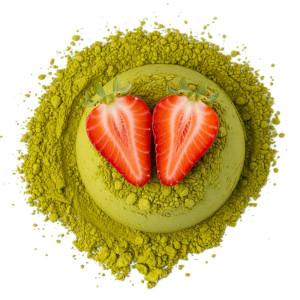
Strawberry Matcha Latte
Strawberry matcha latte, also loved as a strawberry matcha or matcha with strawberry, brings together the gentle vegetal depth …
€18.90Discover