Premium Matcha: The Hallmarks of an Exceptional Tea

In the refined world of Japanese tea, premium matcha stands apart as a genuine treasure. Far more than a simple green powder, it is the expression of centuries-old expertise and an unrelenting pursuit of perfection, passed down from one generation to the next. But how do you recognise exceptional matcha among the many options available? What are the secrets that set an ordinary matcha apart from one that truly deserves the premium name?
Key Takeaways
- An intense jade-green colour reveals the exceptional quality of a premium matcha
- Geographic origin and growing conditions determine the authenticity of the product
- Exceptionally fine milling and the absence of bitterness are hallmarks of a great tea
- Artisanal production methods preserve the tea's delicate aromas
- Ceremonial grade represents the pinnacle of matcha quality
Geographic Origin: Exceptional Terroir
Truly premium matcha is rooted in Japan's most iconic growing regions. Kyoto, with its Uji plantations, remains the absolute benchmark. The region enjoys a unique microclimate, where morning mists gently wrap around the tea plants, creating ideal conditions for the subtle aromas that define an exceptional matcha.
The plantations of Kyushu, particularly in Kagoshima Prefecture, also produce matcha of remarkable quality. These mineral-rich volcanic terroirs give the tea leaves a distinctive aromatic complexity. Tradition dictates that only the youngest spring shoots are selected for premium matcha production.
Speaking of this very particular cultivation: tea plants destined for premium matcha are shade-grown for four to six weeks before harvest. This ancient technique, known as "tana", stimulates the production of chlorophyll and amino acids, especially L-theanine, which is responsible for that much sought-after umami flavour.
The Essential Quality Criteria
Colour is the first quality indicator of a premium matcha. A vivid jade green, almost fluorescent, signals a high chlorophyll content and optimal freshness. Conversely, a yellowish or dull hue points to a lower-quality product or one that has been poorly stored.
Texture also plays a decisive role. Premium matcha is characterised by an exceptional fineness, comparable to talc. This ultra-fine milling is achieved through traditional stone grinding between granite wheels, a slow process that preserves the tea's nutritional and flavour properties.
On the palate, the absence of bitterness immediately sets a premium matcha apart. The vegetal notes should balance harmoniously with a natural sweetness and that signature umami quality, which delivers a sense of fullness in the mouth. A lingering, pleasant finish confirms the product's exceptional quality.
Artisanal Production
Behind every premium matcha lies a meticulous production process that honours centuries-old traditions. After the young shoots are hand-picked, the leaves are steamed to halt oxidation. This crucial step preserves both the intense green colour and the nutritional properties of the tea.
This is followed by drying and a careful sorting of the leaves. Only the most tender parts, stripped of their stems and veins, are kept to produce tencha, the raw material that will become matcha. This selection process partly explains the higher price of authentic premium matcha.
The final grinding is the culmination of this artisanal craft. The granite millstones turn slowly, yielding just 30 to 40 grams per hour. This deliberate slowness prevents heat build-up that would alter the delicate aromas, and ensures an incomparably fine grind.
Matcha Grades: Understanding the Hierarchy
The world of matcha is organised according to a clear hierarchy that reflects quality and intended use. At the very top sits ceremonial grade, reserved for pure tasting in accordance with the rules of the Japanese tea ceremony. This premium matcha is defined by its exceptional smoothness and aromatic complexity.
Premium grade, a step below, offers an excellent balance between quality and versatility. Perfect for everyday drinking, it also lends itself well to matcha lattes and other creative beverages. Its flavour remains delicate, with only the gentlest hint of bitterness.
Finally, culinary grade, while less refined in taste, has its rightful place in baking and cooking. Its more pronounced flavour and accessible price make it a valuable ally for creative recipes, without laying claim to premium matcha status.
The Nutritional Benefits of Premium Matcha
Beyond its flavour, premium matcha stands out for its remarkable nutritional richness. Its concentration of antioxidants, particularly catechins and EGCG, far exceeds that of other green teas. These compounds protect the body against oxidative stress and help maintain good health.
L-theanine, an amino acid unique to tea, promotes a sense of calm and focus without drowsiness. Combined with the tea's natural caffeine, it provides a sustained, balanced energy boost, free from the side effects associated with coffee. This synergy explains why premium matcha has become a favourite among creative minds and athletes alike.
Incidentally, regular consumption of premium matcha may also help support metabolism. Scientific studies suggest that its active compounds promote fat burning and support cognitive function. A genuine wellbeing elixir, all in a single cup.
How to Choose and Store Your Premium Matcha
Buying premium matcha calls for a few precautions to avoid disappointment. Always favour established producers and organic certifications, which guarantee the absence of pesticides. Japanese origin remains a mark of quality, even if the price may seem high at first glance.
Packaging plays a crucial role in preserving matcha's qualities. Choose airtight containers, ideally metal, which protect the powder from light and moisture. Transparent pouches or cardboard boxes are not suited to such a delicate product.
Once opened, your premium matcha should be kept in the refrigerator in its original packaging. Use it within three months of opening to enjoy its aromas at their best. Take it out a few minutes before use to allow it to return to room temperature.
Traditional Preparation: An Art Worth Mastering
Preparing premium matcha in the Japanese tradition is a true ritual that brings out all the tea's finest qualities. Begin by sifting a teaspoon of powder into a matcha bowl (chawan) to remove any lumps. This step, often overlooked, ensures a perfectly smooth texture.
Then add 60 ml of water heated to a maximum of 70-80°C. Water that is too hot will draw out bitterness and destroy the delicate compounds in premium matcha. Whisk briskly with a chasen (bamboo whisk) using "M"-shaped strokes until a fine, creamy froth forms.
In practice, the care you put into preparation directly shapes the pleasure of drinking. A well-prepared premium matcha reveals its full aromatic complexity and delivers that unique sense of harmony between smoothness and character. That is where the magic of this exceptional tea truly lies.
Frequently Asked Questions About Premium Matcha
Premium matcha is distinguished by its intense jade-green colour, exceptionally fine milling and absence of bitterness. It comes exclusively from the first spring harvest and undergoes an artisanal production process that preserves all its delicate aromas. Regular matcha, often more bitter and less vibrant in colour, is better suited to culinary use.
Authentic Japanese premium matcha displays a bright jade-green colour and an ultra-fine texture. Its origin should be clearly stated (Uji, Kyoto, Kagoshima), along with an organic certification. Price is also a reliable indicator: a quality premium matcha cannot be sold cheaply, given its costly production process.
Unopened premium matcha keeps for up to two years in a cool, dry place. Once opened, it should be consumed within three months and stored in the refrigerator in its airtight packaging. Freshness is essential to preserve the delicate aromas and characteristic colour of the product.
While technically possible, using premium matcha in baking means wasting its exceptional qualities. Its subtle aromas are likely to be masked by other ingredients. A culinary-grade matcha, specifically designed for this purpose, will deliver a more pronounced flavour and much better value for money.
The high price of premium matcha comes down to several factors: shade cultivation, which reduces yields; hand-picking of the young shoots; meticulous leaf sorting; and slow grinding between granite millstones. Only the finest parts of the plant are used, representing a tiny fraction of total tea production.
Ready to Experience Excellence?
Premium matcha is far more than a drink: it is an invitation to slow down, savour the present moment and appreciate the beauty of Japanese tradition. Every sip tells the story of a unique terroir, centuries-old craftsmanship and a pursuit of perfection that has endured for generations.
Now that you know the secrets of an exceptional matcha, all that remains is to embark on this flavour journey. Choose a trusted producer, follow the storage guidelines and take the time to master the art of preparation. Your palate will thank you for the care you bring to quality.
Build your own ritual : browse our matcha shop, to whisk or to cook with.
Tempted to try it?
Our selection related to this article, loose leaf and organic.
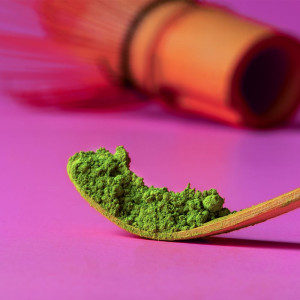
Shizuku Organic Ceremonial Japanese Matcha
Shizuku organic ceremonial Japanese matcha is a vibrant green powder, finely stone-ground, with silky umami notes and a delicat…
€16.90Discover
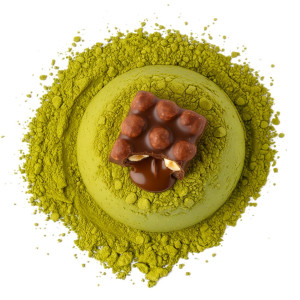
Chocolate Hazelnut Matcha Latte
Chocolate hazelnut matcha latte, also loved as a hazelnut milk matcha, brings together matcha green tea powder with warm, indul…
€18.90Discover
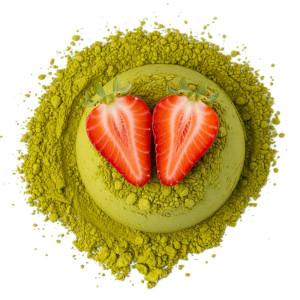
Strawberry Matcha Latte
Strawberry matcha latte, also loved as a strawberry matcha or matcha with strawberry, brings together the gentle vegetal depth …
€18.90Discover