Japanese Matcha: Why Japan Produces the Finest

When we think of matcha, that extraordinary green powder that turns a simple latte into something worth savoring, one question keeps coming up: why does Japan remain the undisputed reference? Between centuries-old traditions and unparalleled expertise, let's explore the secrets behind Japanese matcha's singular place in the world of tea. Shizuku Bio at €16.90. our Aura Bio matcha latte.
Key Takeaways
- Japan masters a unique shading technique that draws out matcha's umami flavors
- The regions of Uji, Nishio and Kagoshima offer exceptional terroir for this delicate crop
- Traditional stone-mill grinding preserves the full nutritional profile of the leaf
- Japan's climate and specific tea plant cultivars produce a flavor profile found nowhere else
- The Japanese tea ceremony has shaped the highest quality standards for centuries
An Exceptional Terroir Shaped by Nature
The story of Japanese matcha begins in the soil. The main growing regions, Uji near Kyoto, Nishio in Aichi Prefecture, and Kagoshima in the south, enjoy a humid subtropical climate that proves nearly ideal for tea cultivation. A combination of mild temperatures, consistent humidity and morning mists creates the perfect conditions for the tea plant to thrive. To explore Japanese green tea in leaf form, start with our organic Sencha, the most widely drunk tea in Japan, and browse all our references in the Sencha category.
What makes these terroirs so distinctive is their volcanic soil, rich in minerals. Over centuries, volcanic activity has enriched the earth with essential nutrients that find their way directly into the tea leaves. This mineral depth gives Japanese matcha its sought-after gustatory complexity: deep vegetal notes and that characteristic, gently bitter finish.
Did you know that the Uji region has been producing tea for over 800 years? This long history has allowed growers to select and refine the cultivars best suited to each plot of land. Every garden tells a story, passed down from one generation to the next.
The Art of Shading: The Technique That Changes Everything
This is where Japanese ingenuity truly works its magic. Four weeks before harvest, the tea plants destined for matcha are covered with special screens that filter out up to 90% of sunlight. This technique, known as "tana," pushes the plant to produce more chlorophyll and amino acids, particularly L-theanine.
This deprivation of light literally transforms the chemistry of the leaf. As the plants reach for every available ray of sun, they develop leaves that are more tender, richer in nutrients, and above all, a far deeper shade of green. It is this ancestral technique that gives Japanese matcha its recognizable jade color and its distinctive umami taste.
Unlike standard green teas that can grow freely in sunlight, matcha demands this careful attention. Think of it as nurturing a rare talent: you need to create exactly the right conditions to bring out its full potential. Japanese growers have refined this approach over centuries, adjusting every detail according to weather conditions and the specific character of each plot.
Tea Plant Cultivars Found Nowhere Else
Japan cultivates tea plant cultivars developed specifically for matcha production. Yabukita, Okumidori, Saemidori and Asanoka are more than technical names: each brings its own flavor nuances and unique characteristics.
Yabukita, for instance, accounts for around 75% of Japan's total tea production. Developed in the 1950s, it strikes a perfect balance between smoothness and character. Okumidori, rarer and more prized, is distinguished by its gentler notes and particularly vivid color. Saemidori, meanwhile, brings the fresh vegetal quality that connoisseurs so appreciate.
These cultivars have been selected and improved over decades to suit Japan's climate and the precise demands of matcha production. It is patient, exacting work that few other countries can match. Each cultivar has its own requirements when it comes to shading, harvesting and processing.
Traditional Stone-Mill Grinding: A Craft That Cannot Be Replaced
Once the leaves have been harvested and processed into tencha (the dried leaves ready for grinding), the most delicate step begins. In Japan, this is still carried out today using granite stone mills, just as it was 800 years ago.
These mills, known as "ishiusu," turn very slowly, just 30 to 40 rotations per minute. That slowness is not a limitation; it is a crucial advantage. It prevents the heat buildup that would destroy precious antioxidants and alter matcha's delicate flavor. It takes roughly one hour to produce just 30 grams of matcha powder.
The result is a powder of extraordinary fineness, almost imperceptible to the touch, that dissolves perfectly in warm water. This unique texture allows matcha to reveal its full aromatic range and to create the smooth, velvety foam so characteristic of the tea ceremony.
The Tea Ceremony: Guardian of Excellence
No conversation about Japanese matcha is complete without the tea ceremony, or "chanoyu." This spiritual practice, codified in the 16th century by master Sen no Rikyū, established extraordinarily high quality standards that endure to this day.
The tea ceremony calls for a matcha of impeccable quality: perfect color, silky texture, a taste balanced between smoothness and bitterness. These exacting criteria have driven Japanese producers to continually refine their techniques and maintain a level of excellence that few other countries can reach.
This centuries-old tradition has built a genuine culture of quality around matcha. Every gesture, every detail matters, from the cultivation of the tea plants to the final preparation. It is this dedication that makes Japanese matcha an undisputed benchmark worldwide.
A Unique Climate for an Exceptional Tea
Japan's climate plays a defining role in matcha's outstanding quality. Four clearly marked seasons, with cold winters that allow the tea plants to rest and warm, humid summers that encourage growth, create ideal conditions.
Frequent mists, especially in the Uji region, provide natural moisture that protects the young shoots and helps develop the tenderness so prized in fine matcha. These particular climatic conditions are difficult to replicate anywhere else in the world, which explains why efforts to produce matcha in other countries have yet to match the quality achieved in Japan.
The rhythm of the seasons also directly influences the chemical composition of the leaves. The winter rest allows the tea plants to build up reserves of nutrients that concentrate in the first spring shoots, giving first-harvest matcha (ichibancha) its exceptional richness in both flavor and nourishment.
Innovation in Service of Tradition
Deeply rooted in tradition as they are, Japanese producers are not afraid to innovate in pursuit of even greater quality. From modern shading control techniques to in-depth scientific analysis of leaf composition, technology is put to work in service of excellence.
Research into antioxidants, amino acids and aromatic compounds now offers a clearer understanding of what makes Japanese matcha superior. This scientific approach, combined with time-honored craftsmanship, opens new possibilities for sustaining and improving that exceptional quality.
It is this ability to blend respect for tradition with a spirit of innovation that keeps Japan the undisputed leader in premium matcha production.
Frequently Asked Questions about Japanese Matcha
A great question. Technically, it is possible to grow tea for matcha elsewhere, and some countries are trying. However, the unique combination of Japanese terroir, climate, specific tea plant cultivars and, above all, centuries of transmitted expertise remains very hard to replicate. Attempts in other countries yield interesting results, but none have yet matched the complexity and refinement of authentic Japanese matcha.
Ceremonial matcha comes from the youngest, most tender leaves, harvested in spring. Its color is an intense jade green, its texture ultra-fine, and its flavor delicate with a refined, gentle bitterness. Culinary matcha uses more mature leaves, has a less vibrant color and a more robust taste, making it ideal for baking and drinks. The difference in price reflects this difference in quality and intended use.
Several signs don't lie: the color should be a vivid jade green, never dull or yellowish. The powder should be ultra-fine, almost like talc. On opening, the aroma should be fresh and vegetal, with no hint of hay. On the palate, a good matcha offers a balance between umami sweetness and gentle bitterness, with a creamy texture. Be wary of very low prices: a truly high-quality Japanese matcha carries a cost that reflects the artisanal work it represents.
The price reflects the complexity of its production. From the careful month-long shading, to the hand-picking of young shoots, the intricate processing and the slow stone-mill grinding, every step demands considerable expertise and time. A single tea plant produces only a few dozen grams of ceremonial-grade matcha per year. It is an exceptional product, and its price is justified by its rarity and unmatched quality.
Like all teas, matcha changes over time, but its degradation is faster because its powdered form exposes it more readily to oxidation. A well-stored matcha (kept cool, away from light and moisture) retains its qualities for 12 to 18 months. Beyond that, it gradually loses its vivid color, delicate aromas and some of its antioxidants. That's why it's best to buy in small quantities and enjoy it within a reasonable time.
Ready to pick up the whisk ? Explore our ceremonial matcha and find the one that's right for you.
Tempted to try it?
Our selection related to this article, loose leaf and organic.
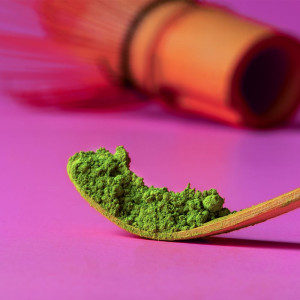
Shizuku Organic Ceremonial Japanese Matcha
Shizuku organic ceremonial Japanese matcha is a vibrant green powder, finely stone-ground, with silky umami notes and a delicat…
€16.90Discover
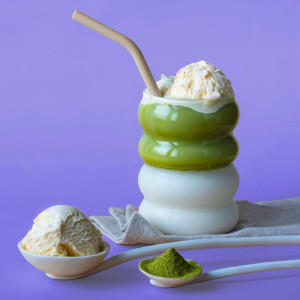
Vanilla Matcha
Vanilla matcha brings together a premium Japanese matcha and natural vanilla powder, for a smooth, velvety cup with umami and i…
€16.90Discover