Ceremonial Matcha: the finest grade for Japanese tea

In the refined world of Japanese tea, ceremonial matcha holds a place all its own. This exceptional green powder, born from the age-old traditions of Uji, is far more than a drink: it is a way of life, a moment of quiet grace where every gesture matters. At Thés & Traditions, we see this ceremonial tea as a treasure to be shared, an invitation to discover the soul of Japan in every cup.
The essentials
- The finest grade: The most noble matcha grade, reserved for traditional rituals
- Natural sweetness: Delicate flavour with no bitterness, layered with subtle vegetal and umami notes
- Vivid jade green: A deep, even colour reflecting chlorophyll preserved through careful shading
- Remarkable concentration: 137 times more antioxidants than standard green tea
- Authentic ritual: Enjoyed pure, whisked with water at 70–80°C maximum
What makes ceremonial matcha exceptional
Ceremonial matcha is born from an ancestral craft passed down through generations. Unlike culinary grades, this exceptional tea comes exclusively from the tender spring shoots, hand-picked in keeping with centuries-old traditions.
The magic begins 20 to 30 days before harvest, when the tea plants are covered with shade cloths. This technique, known as "tana", deprives the plants of light and triggers a remarkable transformation. The leaves produce greater quantities of chlorophyll and amino acids, particularly the prized L-theanine that gives ceremonial matcha its distinctive umami character.
After the morning harvest, the leaves are immediately steamed to halt oxidation. They are then dried and carefully stripped of their stems and veins. Only the most tender part remains, giving rise to "tencha". This is then ground between granite millstones at a slow, steady pace: it takes a full hour to yield just 30 grams of this precious powder.
The art of traditional preparation
Preparing ceremonial matcha is entering a thousand-year-old dance where each gesture carries its own meaning. This codified sequence of movements transforms the tasting into a genuine active meditation.
Begin by gently warming your matcha bowl (chawan) with hot water. This step brings the ceramic to the right temperature, ready to receive your tea at its best. Then add 1 to 2 grams of powder, the equivalent of half a level teaspoon, to the bottom of the bowl.
Water heated to between 70 and 80°C preserves the delicate aromas of your ceremonial matcha. Too high a temperature would draw out bitterness and mask that natural sweetness so prized in this tea. Pour approximately 60 ml of water in a thin, steady stream.
Whisking is the heart of the preparation. Using your bamboo whisk (chasen), start with slow, circular movements to incorporate the powder. Then gradually increase your pace, tracing quick, energetic "W" or "M" strokes. This technique creates a fine, creamy foam: the hallmark of a perfectly prepared matcha.
Ceremonial matcha is best savoured pure, without any addition. Its aromatic complexity unfolds in notes of fresh grass, a gentle astringency, and that signature umami flavour that leaves a lingering sense of fullness.
Recognising an authentic ceremonial matcha
With so many options on the market, knowing how to identify a genuine ceremonial matcha is essential. A few reliable criteria will guide you towards this exceptional quality.
Colour is the first indicator: an intense, even jade green speaks to superior quality. This vivid hue results from prolonged shading and freshly milled powder. Be wary of dull or yellowish powders, which point to oxidation or a lower grade.
Texture reveals a great deal as well. A truly authentic ceremonial matcha has an extremely fine consistency, comparable to talc. Rub a small pinch between your fingers: there should be no graininess whatsoever. This silkiness is the direct result of traditional granite stone milling.
Geographic origin is a guarantee of authenticity. The regions of Uji, Nishio and Shizuoka in Japan benefit from a terroir and a savoir-faire that cannot be replicated elsewhere. These origins are true marks of quality, and they justify the investment in an authentic ceremonial matcha.
Price accurately reflects quality. A genuine ceremonial matcha typically falls between €80 and €200 per 100 grams. This reflects the complexity of production, the rarity of the raw materials, and the artisanal expertise required at every step.
The remarkable benefits of ceremonial tea
Ceremonial matcha concentrates an unparalleled wealth of nutrients. Unlike brewed tea, where the leaves are discarded, consuming the whole powder multiplies the intake of beneficial compounds.
Catechins, including the celebrated EGCG, reach record concentrations in this exceptional tea. These powerful antioxidants protect our cells against oxidative stress and naturally support our immune system. The chlorophyll responsible for matcha's characteristic colour also aids the body's natural detoxification processes.
L-theanine, an amino acid unique to tea, produces that sought-after state of calm alertness. Combined with the naturally present caffeine, it delivers a smooth, sustained energy without the sudden spikes associated with coffee. This exceptional synergy between stimulation and relaxation makes ceremonial matcha a valuable ally for focus and meditation.
Zen monks have used this tea for centuries to maintain their concentration during long meditation sessions. This tradition speaks to the unique properties of ceremonial matcha in harmonising body and mind.
Storage and optimal enjoyment
A quality ceremonial matcha deserves careful storage to preserve all its organoleptic properties. This delicate powder is particularly sensitive to light, air and moisture, all of which are enemies of its freshness.
Keep your matcha in its original packaging, tightly sealed, in the refrigerator. The cool temperature slows oxidation and preserves that vibrant colour. Take it out a few minutes before use to avoid condensation when opening.
Freshness is a key criterion. Ceremonial matcha is at its best within three months of milling. Beyond that, its aromas begin to fade and its colour may dull. This demand for freshness is why tea masters favour small quantities and regular restocking.
For the best tasting experience, follow the traditional proportions: 1 to 2 grams per 60 ml of water. This concentration allows you to fully appreciate the aromatic complexity without obscuring the subtler nuances. Every sip then reveals the true essence of this extraordinary tea.
Frequently asked questions about ceremonial matcha
A great question. Ceremonial matcha comes from the youngest, most tender shoots, harvested by hand and milled using traditional methods. Its smooth, complex flavour is best enjoyed pure, revealing its full subtlety in the bowl. Culinary matcha, a lower grade, has a more pronounced bitterness and is designed for use in sweet preparations such as pastries or milk-based drinks. It is a little like comparing a great vintage to an everyday table wine: each has its place, but the experience is entirely different.
Technically, yes, but it would be something of a shame. Ceremonial matcha truly comes into its own when enjoyed pure. Its delicate character is easily masked by milk and sweeteners. We would recommend saving this exceptional tea for traditional preparation and using a culinary grade for your milk-based creations. Your palate and your wallet will both thank you.
An authentic ceremonial matcha typically falls between €80 and €200 per 100 grams. The price may seem surprising, but it accurately reflects the complexity of production, the rarity of the raw materials, and the artisanal expertise involved. Bear in mind that it takes a full hour to mill just 30 grams. Be cautious of offers that seem too good to be true: they often conceal lower grades or imitations.
Your senses are your best guide. Fresh matcha has a vivid jade green colour and a clean, vegetal scent reminiscent of freshly cut grass. If it has shifted towards yellow or carries a hay-like smell, it has unfortunately lost its qualities. Taste is the ultimate test: a ceremonial matcha should never be bitter when properly prepared. If bitterness dominates, the freshness is no longer there.
Absolutely. One to two cups a day brings all the benefits without any risk of excess caffeine. Its richness in L-theanine can even support restful sleep, unlike coffee. Many of our customers have made it their morning ritual, replacing their usual cup with great satisfaction. Simply listen to your body and adjust the amount to suit your sensitivity. Ceremonial matcha fits naturally into a daily wellness routine.
Want to pick up the whisk ? Discover our organic Japanese matcha and find the one that suits you.
Tempted to try it?
Our selection related to this article, loose leaf and organic.
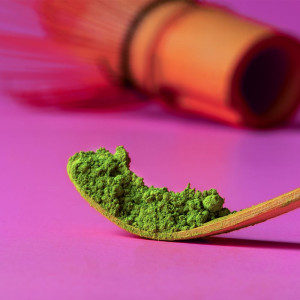
Shizuku Organic Ceremonial Japanese Matcha
Shizuku organic ceremonial Japanese matcha is a vibrant green powder, finely stone-ground, with silky umami notes and a delicat…
€16.90Discover
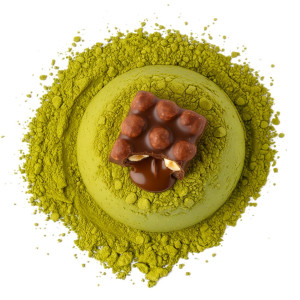
Chocolate Hazelnut Matcha Latte
Chocolate hazelnut matcha latte, also loved as a hazelnut milk matcha, brings together matcha green tea powder with warm, indul…
€18.90Discover
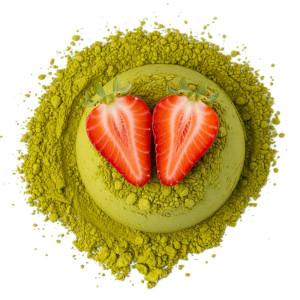
Strawberry Matcha Latte
Strawberry matcha latte, also loved as a strawberry matcha or matcha with strawberry, brings together the gentle vegetal depth …
€18.90Discover