The Uji Region: Birthplace of Premium Matcha

When it comes to exceptional matcha, one name resonates immediately in the world of Japanese tea: Uji. This legendary region, nestled near Kyoto, has embodied for centuries the art of cultivating and transforming green tea leaves into that precious jade-hued powder. At Thés & Traditions, we hold a deep connection to this extraordinary land, which gives us the finest ceremonial matcha available.
Key Takeaways
- Uji has been recognised as the premier matcha terroir for over 800 years
- Its unique climate and ancestral techniques set it apart
- Uji matcha offers unrivalled aromatic complexity
- The region produces exclusively premium ceremonial teas
- Every plantation follows traditional methods passed down through the generations
Why Uji Stands Apart in the World of Matcha
Imagine a landscape where every hillside, every patch of earth has been shaped by centuries of expertise. That is exactly what the Uji region means to us as tea lovers. This exceptional area enjoys a perfect microclimate: morning mists that naturally shelter the tea plants, consistent humidity and mild temperatures that encourage the development of complex aromas.
What fascinates us most is the shade-growing method that has been practised here for generations. Uji growers cover their tencha plantations with bamboo structures and specialised cloth, creating a gentle shade that pushes the leaves to produce more chlorophyll and amino acids. This technique, known as "tana", literally transforms the chemical composition of the leaves.
The result? A matcha with pronounced umami notes, that singular flavour which evokes both smoothness and a certain vegetal depth. Uji matcha is distinguished by its intense emerald-green colour and its silky texture once whisked. Each sip reveals subtle nuances: sometimes hints of toasted hazelnut, sometimes delicate marine or herbaceous tones.
A Centuries-Old Legacy That Shapes Every Harvest
The history of tea in Uji dates back to the Kamakura period, around 1191, when the monk Eisai brought the first tea seeds from China. It was truly in the 14th century, however, that the region found its calling with the rise of the Japanese tea ceremony. The tea masters of the time quickly recognised the extraordinary potential of this terroir.
What moves us deeply is seeing that Uji's producing families still carry on the gestures of their ancestors today. Stone-mill grinding, for instance, remains the preferred method for turning tencha leaves into fine powder. This ancestral technique, though slower, preserves every organoleptic quality the tea has to offer.
Each family plantation holds its own secrets: the orientation of the plots, the precise moment of harvest, the ideal duration of shading. This knowledge passes from one generation to the next, creating a diversity of styles within the Uji region itself. It is this richness that allows us to offer you matcha with such distinct personalities.
The Production Secrets Behind the Excellence
Behind every Uji matcha lies a process of remarkable precision. It all begins with leaf selection: only the youngest shoots, harvested in spring, are chosen. These leaves, called tencha, are immediately steamed to halt oxidation and preserve their vivid green colour.
Drying is a crucial step that we have had the privilege of witnessing during visits to our partner producers. The leaves are carefully spread across bamboo racks and dried in open air, under strictly controlled temperature and humidity conditions. This phase can last several hours and requires constant attention.
Then comes the magical moment of grinding. Granite stone mills turn slowly, at just 30 to 40 revolutions per minute. This deliberate pace prevents any heat build-up that could damage the delicate aromas. It takes a full hour to produce just 40 grams of matcha. That patience is immediately felt on the palate: the resulting powder is of incomparable fineness, almost velvety.
How to Recognise a True Uji Matcha
As interest in matcha continues to grow, countless products have flooded the market. But how do you tell a genuine Uji matcha from an imitation? Over the years, we have developed a few reliable criteria.
First, colour: a true Uji matcha displays a deep jade-green hue, almost luminescent. If the powder tends towards yellow or brown, it is generally a sign of lower quality or poor storage. Aroma is equally telling: it should be fresh and vegetal, with subtle marine notes. Any hint of hay or dry grass is a warning sign.
When preparing, watch the foam carefully. A quality Uji matcha produces a dense, creamy foam of a bright, luminous green. It should hold for several minutes without collapsing. On the palate, the balance between a noble bitterness and a gentle umami sweetness immediately reveals the quality of the tea.
Finally, always check the origin on the packaging. Indications such as "Uji matcha" or "produced in Kyoto Prefecture" are markers of authenticity. At Thés & Traditions, we work exclusively with certified producers from the region, ensuring complete traceability for all our matcha.
The Art of Enjoying Uji Matcha the Traditional Way
Preparing a Uji matcha is far more than making a drink: it is a ritual that brings us back to the present moment. We love sharing this respectful approach, one that honours the producers' work and reveals the full aromatic complexity of these exceptional teas.
Begin by gently sifting one matcha spoon (around 2 grams) into your tea bowl. This step, often overlooked, prevents clumping and ensures a perfectly smooth texture. Then pour 60 ml of water heated to a maximum of 70-80°C. Water that is too hot will scorch the delicate aromas and bring out an unpleasant bitterness.
Whisking requires a specific motion: energetic "W" movements for 15 to 20 seconds, followed by gentler circles to refine the foam. The chasen, the traditional bamboo whisk, remains the ideal tool for this step. Its structure incorporates air perfectly and creates that characteristic creamy texture.
Savour your Uji matcha within minutes of preparation. The first sips typically reveal fresh vegetal notes, then the umami develops gradually, giving way to a soft, lingering finish. It is in these moments of tasting that we understand why Uji remains the absolute benchmark for matcha.
Frequently Asked Questions About Uji Matcha
A great question. Uji matcha stands out through its exceptional terroir and ancestral production methods. The region benefits from a unique microclimate, with natural morning mists that shelter the tea plants. Uji producers have mastered the "tana" shading technique, which develops those umami aromas. The result is unmatched depth of flavour, an intense jade-green colour and a finer texture. Think of it a little like comparing a prestige Champagne to an ordinary sparkling wine.
Storing matcha requires a few simple but essential precautions. Keep your Uji matcha in its original packaging, tightly sealed, in the refrigerator. Ideally, place it in an airtight container to prevent it from absorbing other odours. Take it out 10 minutes before use so it can return to room temperature. Stored this way, your matcha will retain all its qualities for 6 to 12 months after opening.
Absolutely. Uji matcha lends itself beautifully to baking and creative cooking. Its intense flavour and vivid colour elevate desserts wonderfully: macarons, tiramisu, chocolates, ice creams and more. For cooking, culinary-grade matcha offers excellent value. Ceremonial grades are perfect for drinking as is, though nothing stops you from using them in your most refined creations.
It does, naturally. Because you consume the whole leaf in powder form, Uji matcha is rich in caffeine. A single serving (2g) contains around 70mg, roughly equivalent to a light coffee. Unlike coffee, however, this caffeine is released gradually, thanks to the L-theanine present in the tea, offering a gentle and sustained energy without the peaks and crashes. This is what is often called the "zen awakening".
It is a fair question. The price reflects the exceptional quality and the meticulous work of the producers. Consider the time involved: 3 to 4 weeks of shading, hand-picking of young shoots only, careful drying, ultra-slow stone-mill grinding (one hour for just 40g). Add to that the rarity: Uji produces only a few tonnes per year, compared to the thousands of tonnes of conventional green tea. It is a product of rare distinction that earns its price, much like a grand cru in the world of wine.
Why not give it a try ? Explore our organic matchas from Japan and let yourself be tempted.
Tempted to try it?
Our selection related to this article, loose leaf and organic.
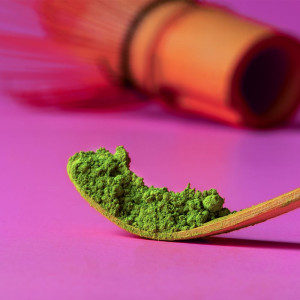
Shizuku Organic Ceremonial Japanese Matcha
Shizuku organic ceremonial Japanese matcha is a vibrant green powder, finely stone-ground, with silky umami notes and a delicat…
€16.90Discover
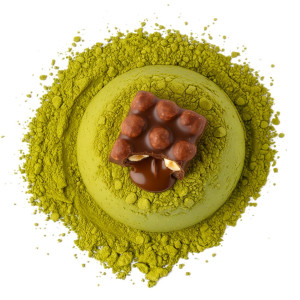
Chocolate Hazelnut Matcha Latte
Chocolate hazelnut matcha latte, also loved as a hazelnut milk matcha, brings together matcha green tea powder with warm, indul…
€18.90Discover
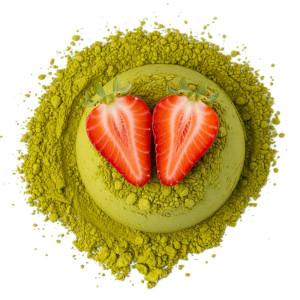
Strawberry Matcha Latte
Strawberry matcha latte, also loved as a strawberry matcha or matcha with strawberry, brings together the gentle vegetal depth …
€18.90Discover