Milia Matcha Review: Taste, Quality & Price

Milia Matcha Review: Our Honest Take on This Popular Brand
Updated 25/02/2026
Over the past few years, matcha has found its way into our cups and our routines. Among the brands making waves, Milia Matcha has been generating a lot of buzz. This young Franco-Japanese company, presented as founded in 2023 by Andie Ella, offers ceremonial matcha teas in a range of flavours. But what does this social-media favourite actually deliver?
The Key Points
- A recent brand: Founded in 2023, Milia Matcha has quickly established itself on the French market
- Japanese quality: Matcha 100% grown and processed in Japan, rare Okumidori cultivar
- Wide range: From traditional matcha to flavoured versions (vanilla, white chocolate, strawberry)
- Premium pricing: Expect to pay between €38 and €99 depending on the size and flavour
- Social commitment: €0.50 donated to the association Rêves with every order
Our alternative at Thés & Traditions
A French family-run house founded in 2016, we select and ship from our workshop in Bouc-Bel-Air (Provence) a range of Japanese matchas at considerably more accessible prices, without compromising on ceremonial quality.
- Shizuku Organic Japanese Ceremonial Matcha: €16.90 for 30g (vs €38 at Milia, comparable quality)
- Vanilla Matcha: €16.90 (vs €40 at Milia)
- Hayase Matcha Gift Set: €48.90, ideal for discovering matcha with bowl and whisk included
Who Is Behind Milia Matcha?
The story of this matcha brand begins with Andie Ella, a passionate admirer of Japanese culture who wanted to bring quality matcha to a wider French audience. Unlike many brands that simply import their tea, this company has made a point of highlighting its control over the production chain.
According to information shared by the brand, the Milia Matcha team works with a Japanese producer in Mie Prefecture, where the leaves are grown, harvested and processed on site. This approach aims to ensure strong traceability and to preserve the authenticity of Japanese craftsmanship.
What stands out immediately is the brand's commitment. Based on its communications, €0.50 from every order is donated to the association Rêves, which helps grant the wishes of seriously ill children. The brand states that over €70,000 has been raised since its launch.
The Range: What Does Their Matcha Actually Deliver?
Traditional Ceremonial Matcha
The flagship product remains the plain ceremonial matcha, available in 30g (€38) and 100g formats. Made from the Okumidori cultivar, it is described as a smooth matcha with limited bitterness, a quality often sought by beginners and seasoned drinkers alike.
The Okumidori variety accounts for only a small percentage of Japanese production, making it a relatively rare and well-regarded cultivar. The flavour is described as naturally sweet, with no added sweetener.
Our alternative at Thés & Traditions: Shizuku Organic Japanese Ceremonial Matcha at €16.90 for 30g, grown in Japan and certified organic, for an equivalent ceremonial experience at a significantly more accessible price.
Flavoured Matchas: The Innovation That Stands Out
This brand has built much of its reputation on its original creations:
- Vanilla Matcha: The brand's best-seller, smooth and delicate
- White Chocolate Matcha: Indulgent and comforting, perfect for newcomers
- Strawberry Matcha: Fruity and refreshing
- Cherry Matcha: A seasonal creation that has been very well received
According to the brand, these aromas are developed to order in Japan and blended directly into the matcha, with no added sugar or artificial additives. As always, the sensible approach is to check the ingredients list on the product page to know exactly what each product contains.
Our alternative at Thés & Traditions: we offer a comparable flavoured range with Vanilla Matcha Latte, Strawberry Matcha Latte and Chocolate-Hazelnut Matcha Latte, all at €18.90, less than half the price of a flavoured Milia matcha.
Accessories to Complete the Experience
The brand also offers everything you need to prepare matcha properly:
- Traditional bamboo whisks (€22)
- Electric whisks for added convenience
- Specially designed glasses (490ml)
- The "Matcha To Go" for matcha on the move
Our alternative at Thés & Traditions: our traditional bamboo matcha whisk is priced at €14.90, and our Japanese matcha bowls (Kurokumo, Hagoromo, Harukasumi) from €24.90, each chosen in our workshop.
Product Analysis: First Impressions and Observed Feedback
Unboxing and First Impressions
The tins arrive in carefully considered packaging, with no applied labels. According to the brand's communications, each tin is reportedly made to order in Osaka through a 12-step process. The intention is clearly to reinforce the premium feel from the moment you open it.
With a quality matcha, you would typically expect a jade green colour and an ultra-fine powder (both commonly cited indicators). The best approach is to check for yourself: colour, scent (fresh and vegetal), fineness and the ability to foam.
Real-World Testing (What to Look For)
Traditional preparation: Whisked with hot water (generally around 70°C), a good matcha reveals its complexity. Key things to observe include how easily a fine foam forms, and the balance between sweetness, umami and bitterness.
As a latte: This is probably the form through which many people first discover matcha. With oat or almond milk, the flavours can open up further. Flavoured versions are often considered more approachable for beginners.
Flavoured versions: These products are largely distinguished by how natural (or otherwise) the aromas taste. For a well-informed opinion, check the exact ingredients and compare with other brands in the same segment.
Comparison with the Competition
Measured against brands such as Noka and other market players, this company positions itself firmly in the premium tier. Does the quality justify the price?
Compared with a standard supermarket matcha, the difference can be clear (colour, fineness, flavour, foam). Against other premium brands, Milia Matcha stands out primarily through its flavoured creations and a carefully crafted brand world.
Strengths and Limitations
What Makes This Brand Appealing
Consistent quality: The brand emphasises steady standards, supported by strict oversight of Japanese production.
Innovation: The flavoured range opens matcha up to a broader audience without abandoning the premium positioning.
Transparency: The brand places strong emphasis on traceability, from cultivation to canning.
Social commitment: The partnership with Rêves gives every purchase a sense of purpose.
Customer service: Frequently described as responsive and attentive, with genuine product expertise.
Areas for Improvement
Price: Clearly positioned at the high end, which may put some customers off.
Availability: Certain flavours can sell out (a combination of demand and logistics), which can be frustrating at the time of ordering.
Single format: No very small size to try before committing to 30g (depending on the references available).
Is This Brand Worth the Price?
With prices ranging from €38 to €99, this company sits squarely in the premium segment. Is that pricing justified?
Yes, if you are looking for:
- Ceremonial-grade matcha (or a premium experience)
- Original flavours
- An ethical, transparent brand
- A complete, ready-to-go experience (products and accessories together)
Perhaps not if:
- You are new to matcha (start by tasting and comparing)
- Your budget is tight
- You drink large quantities every day
Personally, I think the value for money can hold up within its category, particularly if you appreciate the flavoured creations and the premium brand experience.
Where to Buy and How Much?
This brand favours direct-to-consumer sales through its official website. This approach allows it to maintain freshness and deliver a consistent customer experience.
Current prices:
- Ceremonial Matcha 30g: €38
- Vanilla Matcha 30g: €40
- White Chocolate Matcha 30g: €40
- 100g formats: €99
Free shipping on orders from €49. According to the brand, it ships to over 185 countries, with delivery times generally reliable.
To ensure authenticity and freshness (and to avoid issues with third-party sellers or storage), ordering directly from the official website is generally the recommended approach.
What Are the Alternatives to Milia Matcha?
If you are weighing up several matcha brands, the simplest approach is to compare on four concrete criteria: origin, use (ceremony, latte, culinary), transparency (harvest, certification, clear information) and price per gram. Here is a quick comparison with our own selection.
| Criterion | Milia Matcha | Thés & Traditions |
|---|---|---|
| Origin | Japan (Mie) | Japan (ceremonial and latte matchas) |
| Ceremonial 30g | €38 (€1.27/g) | Shizuku Organic at €16.90 (€0.56/g) |
| Vanilla flavoured | €40 | Vanilla Matcha Latte at €18.90 |
| Bamboo whisk | €22 | Matcha whisk at €14.90 |
| Shipping | Direct site, free from €49 | From our workshop in Bouc-Bel-Air (Provence) |
| House | Recent brand (2023) | French family-run house founded in 2016 |
For most everyday uses (morning latte, occasional ceremonial matcha, exploring new flavours), our selection covers the same needs at a considerably more accessible price, without compromising on Japanese origin or organic certification.
The Final Verdict
This brand delivers on its promise: offering Japanese-quality matcha while innovating with approachable flavours. The team has built a coherent world, from production through to the brand experience.
Yes, the prices may seem high, but they reflect a deliberately premium approach. For matcha lovers, or those who want to discover this drink in the best possible conditions, Milia Matcha is a serious option.
The social commitment and transparency are genuine strengths in a market that is not always forthcoming. It remains to be seen, over time, how the brand maintains its standards as it continues to grow.
Our practical advice for getting started with matcha
If you would like to try matcha without committing to a minimum of €38, here are three ways into the ritual, matched to your budget and experience level:
- A gentle introduction: Aura Organic Matcha at €14.90, perfect as a latte
- For the Japanese ceremony: Shizuku Organic Ceremonial Matcha at €16.90, whisked with hot water
- To give or treat yourself: Hayase Matcha Gift Set at €48.90, with bowl and whisk included
Note: this article is written for informational purposes only and is editorially independent. Prices, availability and product details are given as a guide and may change. All brand names belong to their respective owners. Certain information is attributed to "according to the brand" where it originates from the brand's own communications.
Frequently Asked Questions
- According to the brand, its matchas contain no added sugar. To be sure, always check the ingredients list on the product page (flavoured versions may vary by reference).
- Ceremonial matcha is pure, with nothing added. Flavoured versions start from a matcha base (often the same cultivar, according to the brand) and are blended with aromas. The sensible approach: compare the exact ingredients and the recommended use (ceremony vs latte).
- Once opened, matcha is best consumed relatively promptly to preserve its aroma. According to guidance from some brands, it can keep for several months in a cool place if the tin is properly resealed. Always follow the manufacturer's advice.
- While a bamboo whisk is ideal, you can use a small kitchen whisk or a shaker. The key is to mix thoroughly to avoid clumps and achieve a smooth, even drink.
- Currently, the smallest format listed is generally 30g. The brand may offer discovery sets from time to time, depending on the season and availability.
- The brand's popularity and its strict quality controls can account for temporary stock shortages. A notification system is usually available so you can be alerted when items are back in stock.
Tempted to try it?
Our selection related to this article, loose leaf and organic.
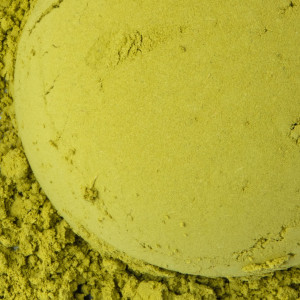
Matcha Aura Organic
Matcha Aura Organic is a finely milled green tea powder crafted for the perfect organic matcha latte.
€14.90Discover
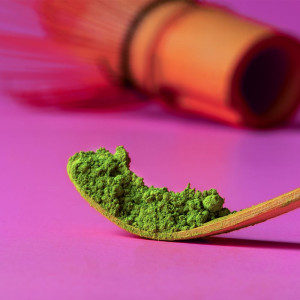
Shizuku Organic Ceremonial Japanese Matcha
Shizuku organic ceremonial Japanese matcha is a vibrant green powder, finely stone-ground, with silky umami notes and a delicat…
€16.90Discover
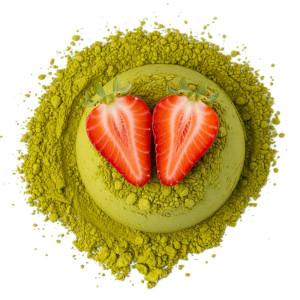
Strawberry Matcha Latte
Strawberry matcha latte, also loved as a strawberry matcha or matcha with strawberry, brings together the gentle vegetal depth …
€18.90Discover