Hai Matcha Review: Our Complete Take on This 'Slimming

Hai Matcha: Our Complete Review of This "Slimming Matcha" Brand
Updated 25/02/2026
In the crowded world of "wellness" weight-loss products, Hai Matcha has been generating a lot of buzz. The brand rides the wave of growing interest in Japanese matcha, a tea often associated with healthier daily routines. But what does this product actually deliver? Behind its appealing packaging and marketing promises, is it a genuine matcha, a blend, or simply a supplement that uses matcha as a secondary ingredient?
At Thés & Traditions, we believe in helping you make informed choices with honesty and care. That's why we're taking a closer look at Hai Matcha through a straightforward lens: what the product actually is, what's in it, how its pricing stacks up, and how it compares to an authentic Japanese matcha.
The Key Takeaways on Hai Matcha
- It's not a "pure" matcha: based on the ingredient list, Hai Matcha is a multi-ingredient blend (supplement-style), not a 100% matcha powder.
- A different primary ingredient: the product appears to be largely built around a "base" ingredient (e.g. protein), with matcha added in (always check the current label and product sheet to confirm).
- Price relative to what you're getting: the cost per serving can feel steep if your main goal is simply to drink matcha.
- Taste profile far from traditional matcha: added flavouring is listed (e.g. green apple), making the experience very different from a Japanese matcha.
- A simpler alternative exists: if you're looking for the benefits associated with matcha, a Japanese matcha (ideally organic) is usually clearer in terms of composition, dosage, and use.
What Exactly Is Hai Matcha?
Despite what its name might suggest, Hai Matcha does not present itself as a traditional matcha powder in the strict sense. Based on the communicated composition, it's more of a "formula" product: a powder to dilute, combining several ingredients (proteins, extracts, vitamins and minerals, technological additives, flavourings, and more).
This distinction matters, because it fundamentally changes what you're buying. Where an authentic matcha is a powder made from 100% finely ground green tea leaves (tencha), Hai Matcha sits much closer to a dietary supplement or functional mix, designed for a "routine" use case and a calibrated flavour profile.
The product comes as a powder to dilute, with added flavouring (e.g. green apple, according to the brand) that naturally masks the vegetal, umami character of Japanese matcha. The result is a very different experience from a traditional matcha.
Ingredients Breakdown: What's Really Inside Hai Matcha?
According to the ingredient list, the formula includes a primary ingredient (often protein-based), matcha (green tea powder), and then a range of additional components (botanicals, vitamins and minerals, enzymes, texturising agents, sweeteners and flavourings, etc.).
A few useful things to keep in mind:
- The longer the list, the further you are from a "pure" matcha: this is formula logic, not tea logic.
- Additives and sweeteners: they may be permitted and common in this type of product, but if you prefer a minimalist ingredient list, this probably isn't the right fit.
- Dosages: without precise details (how much matcha per serving, how much of each active ingredient), it's hard to assess the value compared to a standard matcha.
The "wellness" ingredients (spirulina, plant extracts, enzymes, etc.) can be interesting depending on your goals, but the key question remains transparency: what quantities, and for what purpose?
Weight Loss Effectiveness: Real Results or Marketing?
The "slimming" positioning generally rests on two pillars:
- satiety (if the formula contains protein)
- the matcha association (catechins, theine/caffeine, the "healthy" routine image)
On satiety: yes, protein can contribute to a feeling of fullness in some people. But it doesn't replace a balanced diet. For weight-loss goals, results depend largely on the bigger picture: what you eat, how active you are, sleep quality, stress levels, and consistency.
On matcha: a Japanese matcha consumed in a known quantity (for example, 1 to 2 g) naturally provides catechins and theine, compounds that some studies are exploring as part of an active lifestyle. The key question here is simple: how much matcha does one serving actually contain? Without a clear dosage, any comparison is difficult.
Practical conclusion: if your goal is to benefit from matcha's properties, a "pure" matcha gives you a clear advantage: a simple composition, controlled dosage, and an authentic experience.
Price Analysis: Is It Worth the Investment?
The price of Hai Matcha needs to be looked at in context. If you're paying for a multi-ingredient formula (protein + active ingredients + flavourings + vitamins), then the right comparison is with similar products (shakes, functional mixes).
On the other hand, if your main goal is to drink matcha: the sensible approach is to compare with an organic Japanese matcha by calculating the price per gram and the price per serving (1 or 2 g depending on use). In many cases, a "pure" matcha works out cheaper per useful serving, while offering far more transparency.
Another straightforward comparison: if you want to add protein to your routine, it can make more sense to choose a quality protein (with a short ingredient list) and add matcha separately. That way, you stay in control of both the dosage and the composition.
Our Verdict: Why Authenticity Wins
After this analysis, here's our position: Hai Matcha may suit those looking for a flavoured "routine" mix (shake-style) who like the convenience of an all-in-one product.
But if you're looking for:
- a genuine Japanese matcha (100% green tea leaf powder)
- a minimalist ingredient list
- a clear dosage to make the most of matcha (catechins, theine/L-theanine)
- an authentic taste experience (umami, vegetal notes)
…then a pure organic Japanese matcha is generally the more consistent choice.
At Thés & Traditions, we believe simplicity often makes the difference: a well-sourced, properly stored matcha of real quality, prepared with care, already offers a great deal, with no need for a lengthy, flavoured formula.
Matcha and Weight Loss: Understanding How It Works (Simply)
Matcha naturally contains catechins (including EGCG) and theine. Some studies are exploring these compounds, but matcha is no substitute for a balanced diet: it simply fits into a consistent routine (diet and physical activity combined).
The theine and L-theanine combination is often appreciated for providing a more "steady" energy than coffee in some people. Matcha can also be useful before physical activity, as it supports focus and endurance.
A word of caution: matcha is not a miracle solution. It supports a lifestyle; it doesn't replace one.
How to Choose a Quality Matcha for Your Wellness Goals
If you want a matcha that's genuinely useful day to day, here are the key criteria:
- Japanese origin (ideally with the region specified)
- Organic where possible (to minimise residues)
- Bright, vivid green colour (often a sign of freshness and quality)
- Very fine texture (careful milling)
- Transparency (clear information, ideally including date and batch number)
To get started: 1 g per day is already a great baseline. You can adjust from there based on your sensitivity to theine.
Fitting Matcha Into Your Wellness Routine
The most traditional method: matcha, water at 70 to 80°C, and a chasen (bamboo whisk). For busy mornings: a latte (water, matcha, plant-based milk). And in summer: a light smoothie (go easy on the sweetener).
The real key: consistency + dosage + powder quality.
What's the Alternative to Hai Matcha?
If you're looking for the benefits associated with matcha (simple composition, clear dosage, everyday use), the straightforward answer is usually to choose a Japanese matcha suited to your preferred style (ceremony or latte).
At Thés & Traditions, we offer a curated selection of Japanese matcha, with fast dispatch from France.
Frequently Asked Questions About Hai Matcha and Authentic Matcha
Like most "slimming" products, effectiveness depends on the broader context (diet, physical activity, consistency). If the formula contains protein, it may help with satiety. For the matcha component, it all comes down to how much is actually present per serving (check the label).
The key difference is what the product fundamentally is: Hai Matcha is a multi-ingredient formula (supplement or drink mix style) that contains matcha, whereas a real matcha is 100% finely ground green tea leaf powder (tencha), nothing else.
Matcha naturally provides catechins and theine, which some studies are exploring. But it's not a miracle fix: it's a worthwhile support within an overall healthy lifestyle.
Jade-green colour, very fine powder, a clearly stated Japanese origin, ideally organic, and a balanced flavour (umami) without excessive bitterness or a "hay-like" taste.
Note: this article is written for informational purposes only and reflects an independent perspective. Information on composition, pricing and claims is given as a guide and may change; always refer to the label and the brand's official information at the time of purchase. Wellness information does not replace medical advice.
Want to pick up the whisk ? Discover our organic matchas and find the one that suits you.
Tempted to try it?
Our selection related to this article, loose leaf and organic.
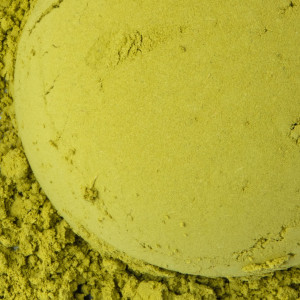
Matcha Aura Organic
Matcha Aura Organic is a finely milled green tea powder crafted for the perfect organic matcha latte.
€14.90Discover
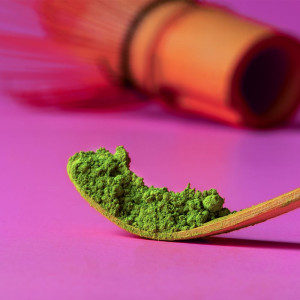
Shizuku Organic Ceremonial Japanese Matcha
Shizuku organic ceremonial Japanese matcha is a vibrant green powder, finely stone-ground, with silky umami notes and a delicat…
€16.90Discover
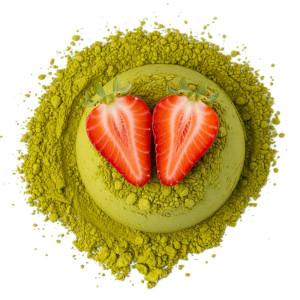
Strawberry Matcha Latte
Strawberry matcha latte, also loved as a strawberry matcha or matcha with strawberry, brings together the gentle vegetal depth …
€18.90Discover