Matcha at the pharmacy: where to find quality tea?

When looking for quality matcha, the pharmacy is often the first place that comes to mind. And for good reason: these health-focused establishments offer rigorous selection, authentic products, and professional guidance. But where exactly do you find the best matcha at a pharmacy, and how can you be sure of its quality? Here's everything you need to know before you buy.
Key takeaways
- Pharmacies stock premium matcha, often organic and certified
- Quality shows in the intense jade-green colour and the fineness of the powder
- Prices range from €15 to €40 depending on origin and grade
- Look for Japanese-origin matcha, especially from Uji
- Ask your pharmacist for guidance based on your needs
Why buy matcha at a pharmacy?
Pharmacies offer unique guarantees when it comes to matcha. First, traceability: every product sold meets strict quality and safety standards. Second, expertise: pharmacists can advise you based on your specific needs, whether you're looking for an energy boost, better focus, or simply a wonderful cup of tea.
Unlike online shops where quality can be inconsistent, pharmacies carefully vet their suppliers. You'll typically find trusted brands such as Valebio, Panda Tea, and authentic Japanese references.
Matcha sold in pharmacies often carries organic certification, ensuring no pesticides and responsible farming practices. This matters especially for a tea consumed as a whole-leaf powder.
How to recognise quality matcha at a pharmacy
Colour is the first quality indicator. Excellent matcha has a vivid, almost luminous jade-green hue. If the powder leans yellow or brown, move on: it has likely been stored poorly or comes from lower-grade leaves.
The texture also tells you a great deal. A premium matcha feels impalpably fine and silky to the touch. Coarse particles point to industrial grinding rather than the traditional slow stone-mill process.
Geographic origin deserves your attention. The finest matchas come from Japan, particularly the regions of Uji, Nishio, and Shizuoka. These terroirs combine centuries of expertise with ideal growing conditions.
Check the harvest date if it is listed. Matcha is best enjoyed within a year of production. Beyond that, its delicate aromas and nutritional qualities gradually fade.
The best matcha brands available at pharmacies
Valebio offers a highly regarded premium Uji Matcha. This French brand sources its teas directly from Japanese producers, ensuring authenticity and consistency. Their matcha stands out for its deep colour and balanced flavour, gently sweet with a pleasant, refined bitterness.
Panda Tea specialises in organic teas and offers several matcha grades. Their range runs from culinary matcha, ideal for recipes, to ceremonial matcha, perfect for pure tasting. Prices remain accessible without compromising on quality.
Japanese houses such as Marukyu Koyamaen or Ippodo, where available, represent the pinnacle of the craft. These centuries-old producers oversee every step, from shade-growing to final stone-milling.
Some pharmacies also carry their own curated selections, often sourced through specialist importers. Don't hesitate to ask about origin and storage conditions.
Understanding matcha prices at pharmacies
Matcha prices at pharmacies typically range from €15 to €40 for 30 to 60 grams. This range reflects differences in quality, origin, and grade.
An entry-level matcha, usually intended for cooking, costs around €15 to €20. It works beautifully in lattes, smoothies, and baking. Its more pronounced, sometimes slightly bitter flavour holds up well alongside other ingredients.
A mid-grade matcha, around €25 to €30, offers an excellent balance. Fine enough to enjoy on its own, yet affordable for everyday use, it is often the ideal starting point.
Premium matchas, above €35, come from the finest Japanese gardens. Their exceptional fineness, vibrant colour, and pronounced umami justify the price. These are for connoisseurs and special moments.
How to store your matcha properly
Once you've brought your matcha home, proper storage is everything. Light, air, moisture, and heat are its main enemies.
Transfer your matcha immediately into an opaque, airtight container. A metal tin with a tight-fitting lid is ideal. Avoid clear glass, which lets light through.
Keep the container in the refrigerator, ideally in the vegetable drawer. This area maintains a stable temperature without becoming too cold. Take out only what you need and seal it back up quickly.
Always use a dry, clean spoon to measure out the powder. Even a trace of moisture can alter the texture and accelerate oxidation. Some purists use a bamboo scoop to avoid any contact with metal.
Enjoy your matcha within six months of opening to make the most of its aromas. After that, it remains safe to drink but gradually loses its subtler flavour notes.
Frequently asked questions about buying matcha at a pharmacy
- Absolutely. Most pharmacies now stock certified organic matcha. These products guarantee cultivation without pesticides or chemical fertilisers, which is particularly important for a tea consumed as a whole powder.
- Prices at pharmacies are generally competitive. Any difference in cost is justified by quality guarantees, traceability, and professional advice. You're also paying for the assurance of a properly regulated product.
- No. Matcha is a food product available over the counter. No prescription is required. That said, pharmacists can advise on recommended amounts based on your individual profile.
- Matcha contains caffeine, around 35 mg per serving. It is not recommended for children under 12. For teenagers, limit intake to one serving per day and avoid drinking it in the evening.
- Absolutely. Even premium matchas lend themselves well to culinary use. For recipes, a culinary-grade matcha is a more economical option, with a stronger flavour that stands up better to heat.
Tempted to try it?
Our selection related to this article, loose leaf and organic.
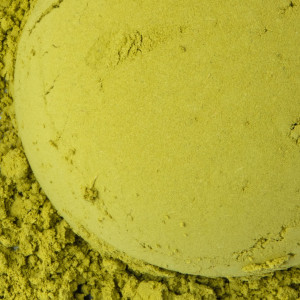
Matcha Aura Organic
Matcha Aura Organic is a finely milled green tea powder crafted for the perfect organic matcha latte.
€14.90Discover
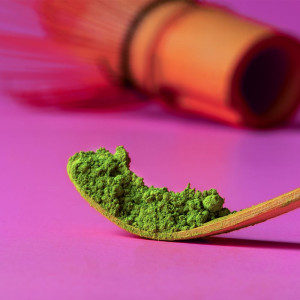
Shizuku Organic Ceremonial Japanese Matcha
Shizuku organic ceremonial Japanese matcha is a vibrant green powder, finely stone-ground, with silky umami notes and a delicat…
€16.90Discover
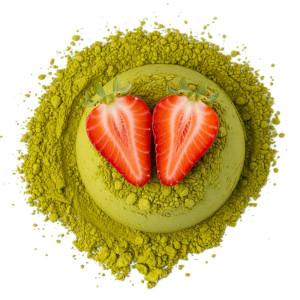
Strawberry Matcha Latte
Strawberry matcha latte, also loved as a strawberry matcha or matcha with strawberry, brings together the gentle vegetal depth …
€18.90Discover